
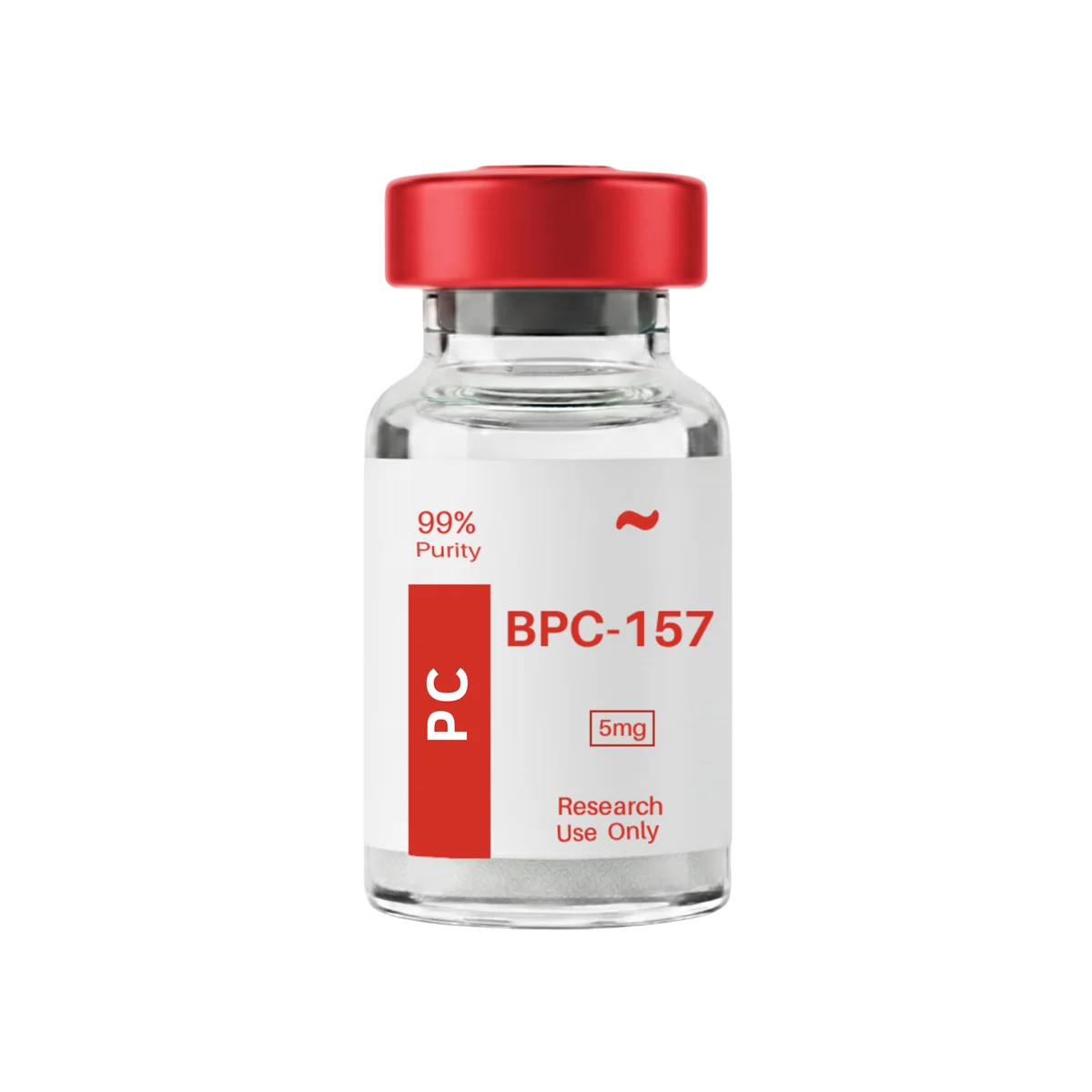
Research Peptide
BPC-157
Gastric peptide fragment studied for tissue repair
“The most widely self-researched healing peptide in the biohacker community — with a large preclinical record and a glaring absence of human trial data.”
Last updated: April 24, 2026
Score Breakdown
Evidence
Purity
Cost Efficiency
Safety Profile
Pros & Cons
Pros
- Extensive rodent-model literature covering multiple tissue types (tendon, gut, nerve, muscle)
- Consistently reported low side-effect profile in both animal studies and community self-reports
- Relatively affordable per-cycle cost compared to many research peptides
- Broad mechanistic plausibility supported by multiple independent pathways (NO, VEGF, EGR-1)
Cons
- No completed human RCTs published as of mid-2025 — entire therapeutic premise remains unvalidated in humans
- Animal evidence is heavily concentrated within a single research group, limiting independent replication
- Research-chemical legal status means no regulatory quality assurance on commercial supply
Best For
- Researchers and biohackers specifically focused on musculoskeletal injury recovery models
- Those investigating gastrointestinal mucosal protection in preclinical contexts
- Individuals comfortable operating with animal-only evidence and the associated uncertainty
Avoid If
- Expecting human-trial-level evidence of efficacy before use
- History of hormone-sensitive conditions (insufficient data exists to confirm safety in these populations)
Full Review
BPC-157 (Body Protection Compound 157) is a synthetic 15-amino-acid peptide fragment derived from a sequence isolated from human gastric juice. First described by researchers at the University of Zagreb in the 1990s, it belongs to the BPC-family of peptides and is classified as a research chemical with no approved therapeutic indication in any major regulatory jurisdiction as of mid-2026. It is not a growth hormone secretagogue, not a hormone itself, and does not appear to operate through classical anabolic pathways, which distinguishes it from many other peptides commonly discussed in performance and recovery contexts. This content is provided for educational purposes only and does not constitute medical advice.
The proposed mechanisms of action for BPC-157 are unusually broad for a single peptide and have been characterized primarily in in vitro and rodent studies. Research suggests it may upregulate growth hormone receptor expression in tendon fibroblasts, promote angiogenesis (new blood vessel formation) via VEGFR2 signaling, modulate nitric oxide synthesis, and interact with the dopaminergic and serotonergic systems in the central nervous system. Studies in rodent models also indicate potential cytoprotective effects on the gastrointestinal mucosa, possibly through the upregulation of early growth response protein 1 (EGR-1). The peptide does not appear to significantly alter systemic hormone levels, which may partly explain its reported tolerability in animal models. Exactly how these mechanisms translate to human physiology remains an open question.
The evidence base for BPC-157 is heavily weighted toward animal studies. Rodent trials — many conducted by the Zagreb research group led by Predrag Sikiric — have reported accelerated healing of tendons, ligaments, muscle, bone, and gut tissue across dozens of published papers. A 2018 study in the Journal of Orthopaedic Research demonstrated improved tendon-to-bone healing in a rat rotator cuff model. Separate rodent studies have examined effects on Achilles tendon transection, colitis, fistula, and traumatic brain injury. The animal evidence is voluminous but has not been independently replicated at scale by research groups outside the originating institution, which is a meaningful methodological limitation. As of mid-2026, no phase II or III human RCTs have been completed and published. One registered clinical trial (NCT04830839) was listed on ClinicalTrials.gov examining BPC-157 in inflammatory bowel disease, though its completion status should be independently verified. User-reported anecdotal evidence is extensive across forums such as Reddit's r/Peptides community, with self-reporters frequently describing faster recovery from musculoskeletal injuries, reduced joint pain, and improved gut symptoms — though anecdotal reports cannot establish causation and are subject to significant placebo bias and survivorship effects.
Dosing ranges reported in published animal research contexts typically fall between 1–10 mcg/kg of body weight administered intraperitoneally or subcutaneously in rodent models. Community-reported human self-experimentation dosing frequently cited in forums ranges from approximately 200–500 mcg per day administered via subcutaneous injection or intramuscular injection, sometimes with oral or sublingual administration discussed for gastrointestinal applications specifically. These ranges are reported here strictly as observed in research and community literature — they do not constitute a dosing recommendation, and no safe or effective human dose has been established through clinical trials. Reconstitution with bacteriostatic water is required for lyophilized powder formulations.
In terms of legal status and sourcing, BPC-157 is classified as a research chemical and is not approved for human consumption by the FDA (United States), MHRA (United Kingdom), EMA (European Union), or TGA (Australia). It is not a controlled or scheduled substance in most jurisdictions, but selling or purchasing it for human use is legally ambiguous at best. Vendors operating in the research-chemical space vary significantly in quality. A credible supplier will provide a certificate of analysis (COA) from an independent third-party laboratory confirming peptide identity, purity (typically ≥98% by HPLC), and absence of common contaminants. Vendors who cannot supply COAs, who sell pre-reconstituted solutions, or who make explicit therapeutic claims on their websites are red flags. Purity and accurate dosing of research-chemical peptides are not guaranteed by any regulatory body, and the gap between labeled and actual content can be substantial in low-quality supply chains.
Details
Reviews
No reviews yet. Be the first to share your experience.
Featured In
PEPTIDE-PROFILE
BPC-157 Deep Dive: The Most-Researched Recovery Peptide (2026 Evidence Review)
BPC-157 is a synthetic pentadecapeptide (sequence Gly-Glu-Pro-Pro-Pro-Gly-Lys-Pro-Ala-Asp-Asp-Ala-Gly-Leu-Val) derived from a protein fragment in human gastric juice, first characterized by Predrag Sikiric's laboratory at the University of Zagreb in the 1990s. Preclinical rodent studies report tissue-repair effects across tendon, gut, nerve, and muscle via the nitric oxide pathway, VEGF-mediated angiogenesis, and EGR-1 transcription factor upregulation. As of mid-2026, no completed randomized controlled human trials have been published, and BPC-157 is not approved by the FDA, MHRA, or TGA for human use—it is sold strictly as a research chemical.
PROTOCOL-FRAMEWORK
Peptide Dosing Ranges Reported in Research: A Protocol Framework Reference (Not a Recommendation)
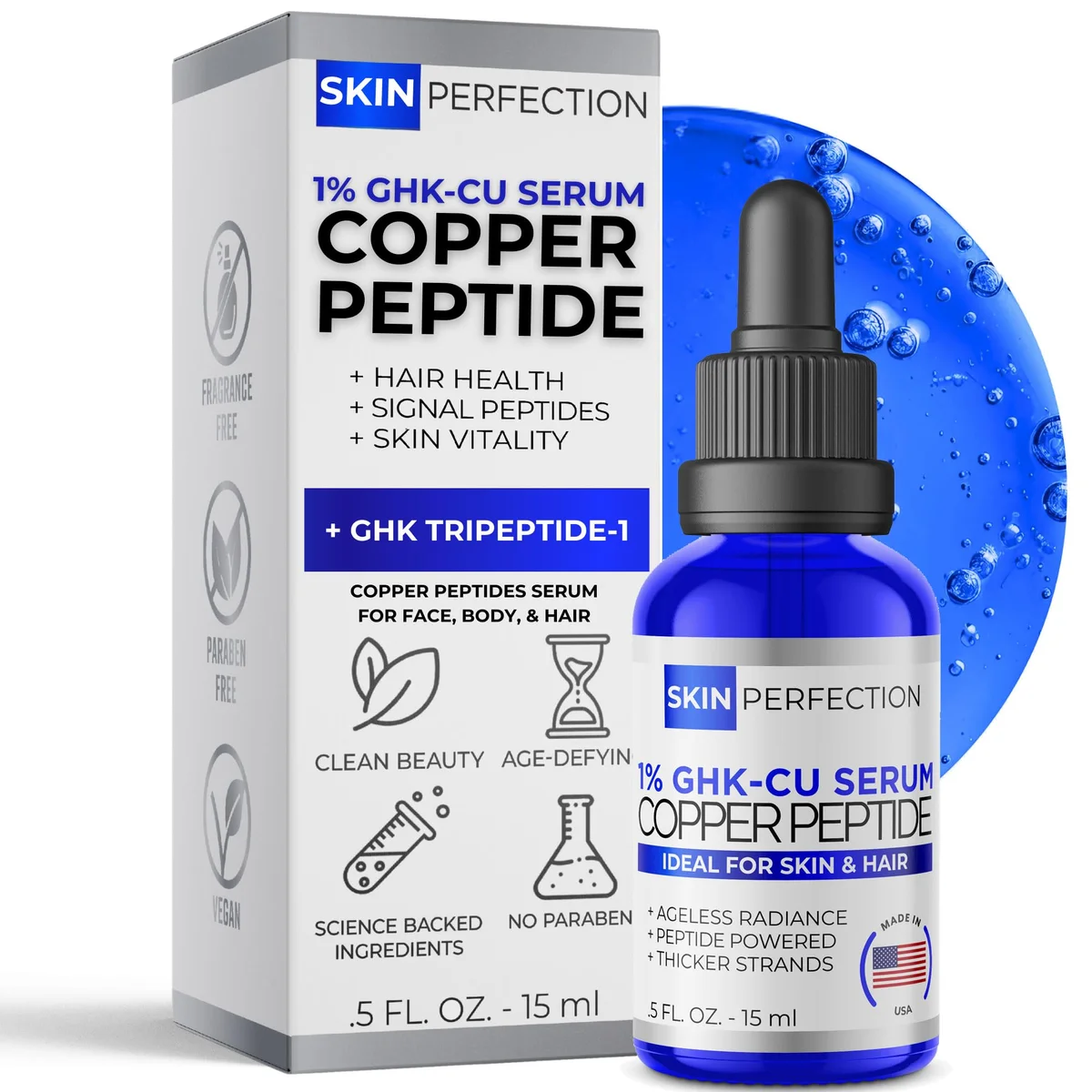
Peptide dosing ranges reported in published research span five evidence tiers, from FDA-approved Phase III RCT data (tirzepatide, semaglutide, tesamorelin) down to compounds where credible human dosing data is essentially absent. The strongest dataset belongs to tirzepatide, where SURMOUNT-1 (n=2,539, 72 weeks) reported approximately 20.9% mean body weight reduction at the 15 mg weekly dose versus placebo. Tier 1 compounds are prescription drugs accessed through licensed prescribers; Tiers 3–5 (including BPC-157, GHK-Cu, and ipamorelin) are not approved by the FDA, MHRA, TGA, or EMA for human therapeutic use.
STACK
The Skin and Anti-Aging Peptide Stack: GHK-Cu, BPC-157, Pentadeca Arginate, and KPV in Research (2026 Guide)
GHK-Cu is the strongest compound in this stack on evidence quality alone - it's the only one with multiple small human RCTs, decades of published mechanistic research dating back to 1973, and a reasonably clean preliminary safety profile across topical and in vitro models. The other three compounds are preclinical-only, which makes GHK-Cu the clearest anchor for any researcher building a skin and recovery peptide stack in 2026.
LEGAL-LANDSCAPE
Research Peptide Legal Status: US, UK, EU, and Australia Compared (2026 Guide)
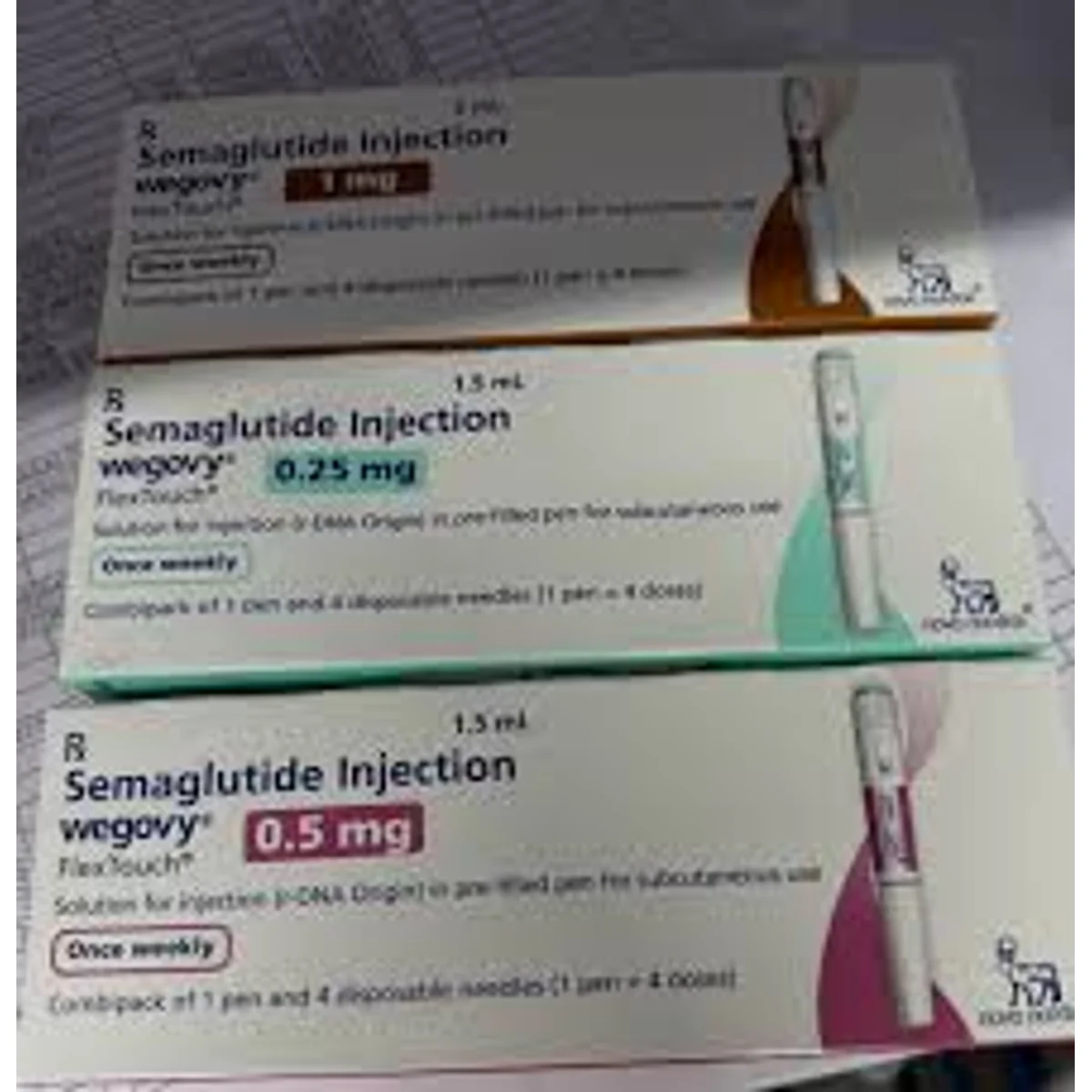
Peptide legal status varies sharply across jurisdictions because no single international framework governs research peptides, leaving classification to national regimes including the US FDA (FD&C Act), UK MHRA (Medicines Act 1968), EU EMA, and Australia's TGA. Semaglutide is FDA-approved and available by prescription across all four jurisdictions, while compounds like BPC-157, TB-500, and Melanotan II are flagged by the MHRA as unlicensed medicines whose supply is a criminal offense in the UK and are scheduled or restricted in Australia, despite occupying a fragile gray-zone "research chemical" status in the US.
HOW TO
Peptides 101: A Beginner's Guide to the Research Landscape (2026 Edition)
Peptides are short chains of amino acids (typically fewer than 50) linked by peptide bonds, ranging from endogenous molecules like the tripeptide GHK-Cu to synthetic analogs engineered for receptor selectivity or extended half-life. The evidence behind specific peptides varies dramatically: semaglutide is FDA-approved and supported by Phase III trials with sample sizes in the thousands, while compounds like BPC-157 remain research chemicals with little or no human trial data. Evaluating any peptide claim requires matching it to a standard evidence hierarchy, where in vitro and rodent findings sit far below replicated randomized controlled trials.
COMPARISON
BPC-157 vs TB-500: How the Two Most-Researched Recovery Peptides Compare
BPC-157 and TB-500 are synthetic research peptides studied primarily in rodent models for tissue repair signaling, with neither holding FDA, EMA, MHRA, or TGA approval for any human indication as of mid-2026. BPC-157 is a 15-amino-acid fragment derived from human gastric juice protein and researched mainly for gut, tendon, and nitric oxide pathways, while TB-500 is a synthetic fragment of Thymosin Beta-4 studied for actin cytoskeleton dynamics and angiogenesis. TB-500 is prohibited under the WADA Code, whereas BPC-157 lacks completed human Phase II RCTs in either case.
COMPARISON
BPC-157 vs GHK-Cu: Two Research Peptides, Two Approaches to Tissue and Skin Repair
BPC-157 and GHK-Cu are two distinct research peptides often compared for tissue repair, but they occupy different evidence positions. GHK-Cu is an endogenous copper-binding tripeptide first isolated from human plasma in 1973, with multiple small human randomized controlled trials supporting its topical dermatological use and documented plasma decline from about 200 ng/mL in young adults to 80 ng/mL by age 60. BPC-157 is a synthetic 15-amino-acid construct derived from human gastric juice protein, supported largely by rodent studies with zero completed human RCTs as of mid-2026. Neither is approved for human therapeutic use.
HOW TO
How to Read a Peptide Certificate of Analysis (COA): A Researcher's Field Guide
A peptide Certificate of Analysis (COA) is a laboratory-issued document reporting identity, purity, and safety testing for a specific batch of compound, answering three questions: is it the right compound, how much is present, and is it safe to handle. Prescription peptides like semaglutide are manufactured under FDA-enforced GMP standards with legally accountable COAs, while research chemicals such as BPC-157 and GHK-Cu carry no mandated COA content, making ISO 17025 laboratory accreditation, HPLC purity, mass spectrometry identity confirmation, and endotoxin testing the key fields researchers must evaluate independently.
VENDOR-EVALUATION
Evaluating Peptide Vendors: Red Flags, Quality Signals, and COA Literacy (2026 Guide)
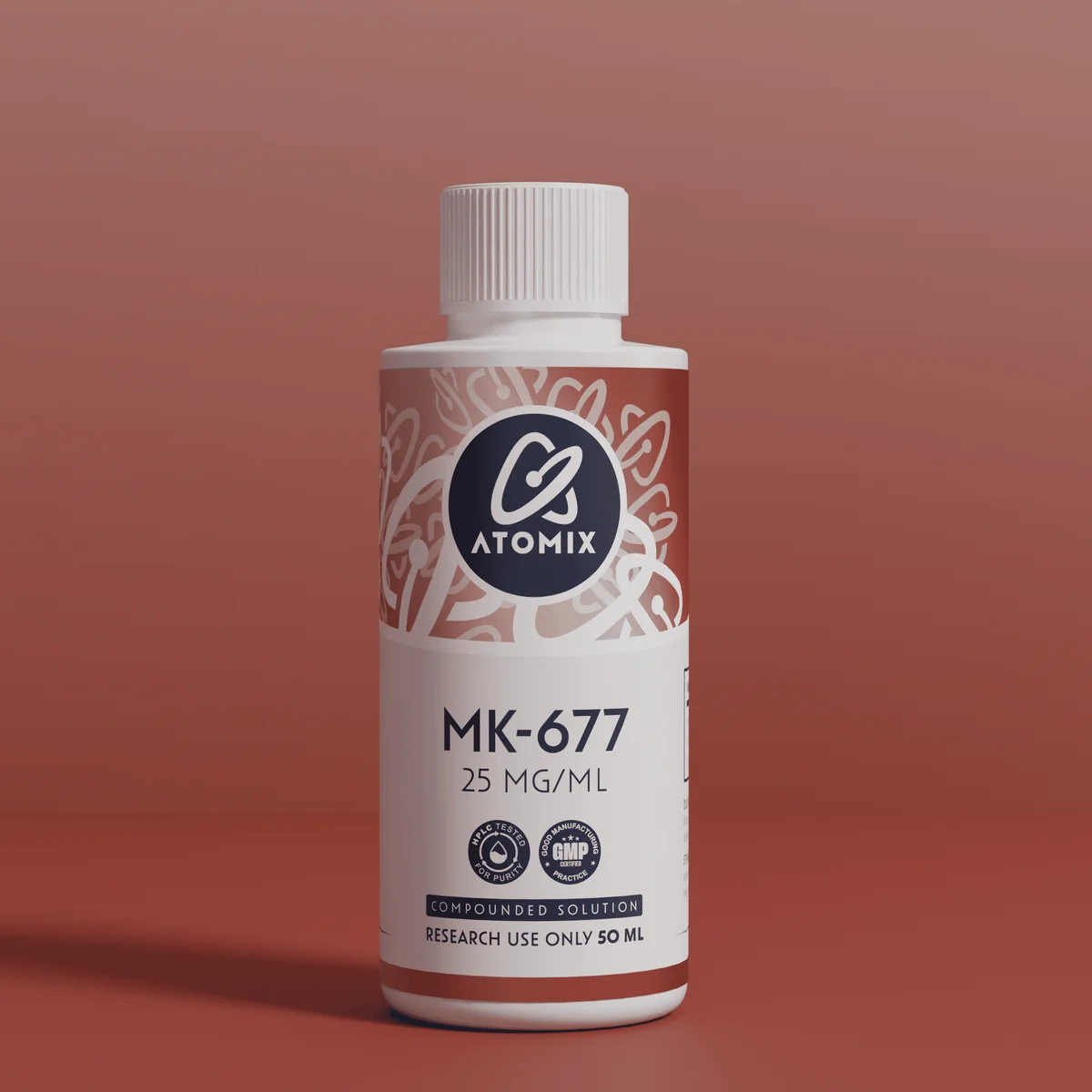
Evaluating peptide vendors requires distinguishing between FDA-approved prescription drugs (like semaglutide and tirzepatide, manufactured under pharmaceutical GMP standards and dispensed through licensed pharmacies) and research chemicals, which operate outside that regulatory framework and carry no statutory obligation to verify purity, peptide sequence, or endotoxin levels. Independent testing of grey-market peptides has documented sub-90% purity in products labeled 99%+, incorrect sequences confirmed by mass spectrometry, and bacterial contamination in injectable products. A credible Certificate of Analysis should include HPLC purity data, mass spectrometry identity confirmation, and third-party (not in-house) laboratory verification.