
Peptides Guides
Honest peptides guides — best-of roundups, head-to-head comparisons, and curated picks for every occasion.
peptide-profile
PEPTIDE-PROFILE
Liraglutide (Saxenda / Victoza): What the Research Shows, and How It Compares to Semaglutide

Liraglutide is an approved, daily-injected GLP-1 agonist with a deep evidence base: roughly 8% mean weight loss at 56 weeks in SCALE and a significant cardiovascular-event reduction in LEADER. Head-to-head trials show semaglutide 2.4 mg more than doubles that weight effect, so liraglutide now competes on titration control and future generic cost.
PEPTIDE-PROFILE
BPC-157 Deep Dive: The Most-Researched Recovery Peptide (2026 Evidence Review)
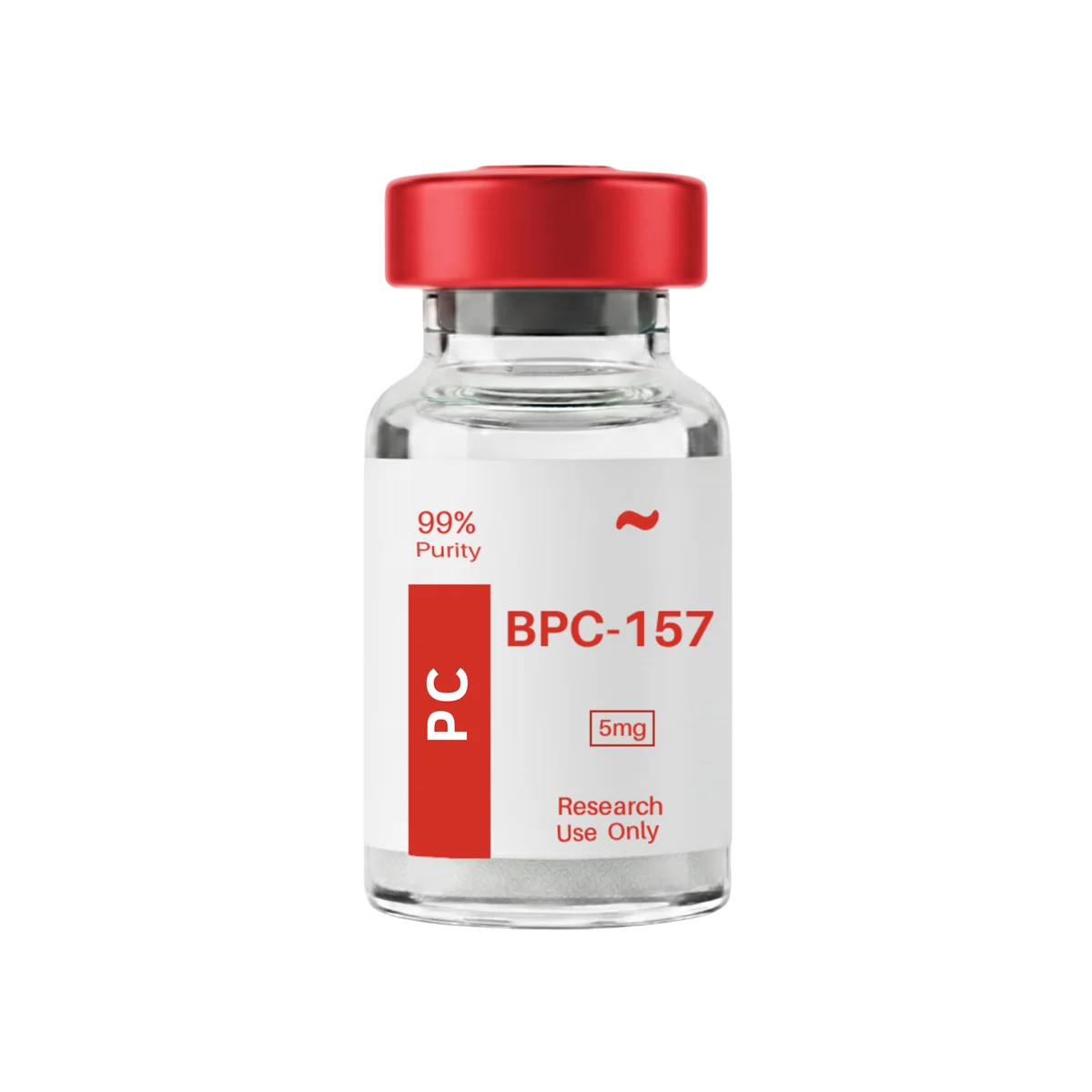
BPC-157 is a synthetic pentadecapeptide (sequence Gly-Glu-Pro-Pro-Pro-Gly-Lys-Pro-Ala-Asp-Asp-Ala-Gly-Leu-Val) derived from a protein fragment in human gastric juice, first characterized by Predrag Sikiric's laboratory at the University of Zagreb in the 1990s. Preclinical rodent studies report tissue-repair effects across tendon, gut, nerve, and muscle via the nitric oxide pathway, VEGF-mediated angiogenesis, and EGR-1 transcription factor upregulation. As of mid-2026, no completed randomized controlled human trials have been published, and BPC-157 is not approved by the FDA, MHRA, or TGA for human use—it is sold strictly as a research chemical.
PEPTIDE-PROFILE
SS-31 / Elamipretide: The Mitochondrial-Targeted Peptide Research Summary
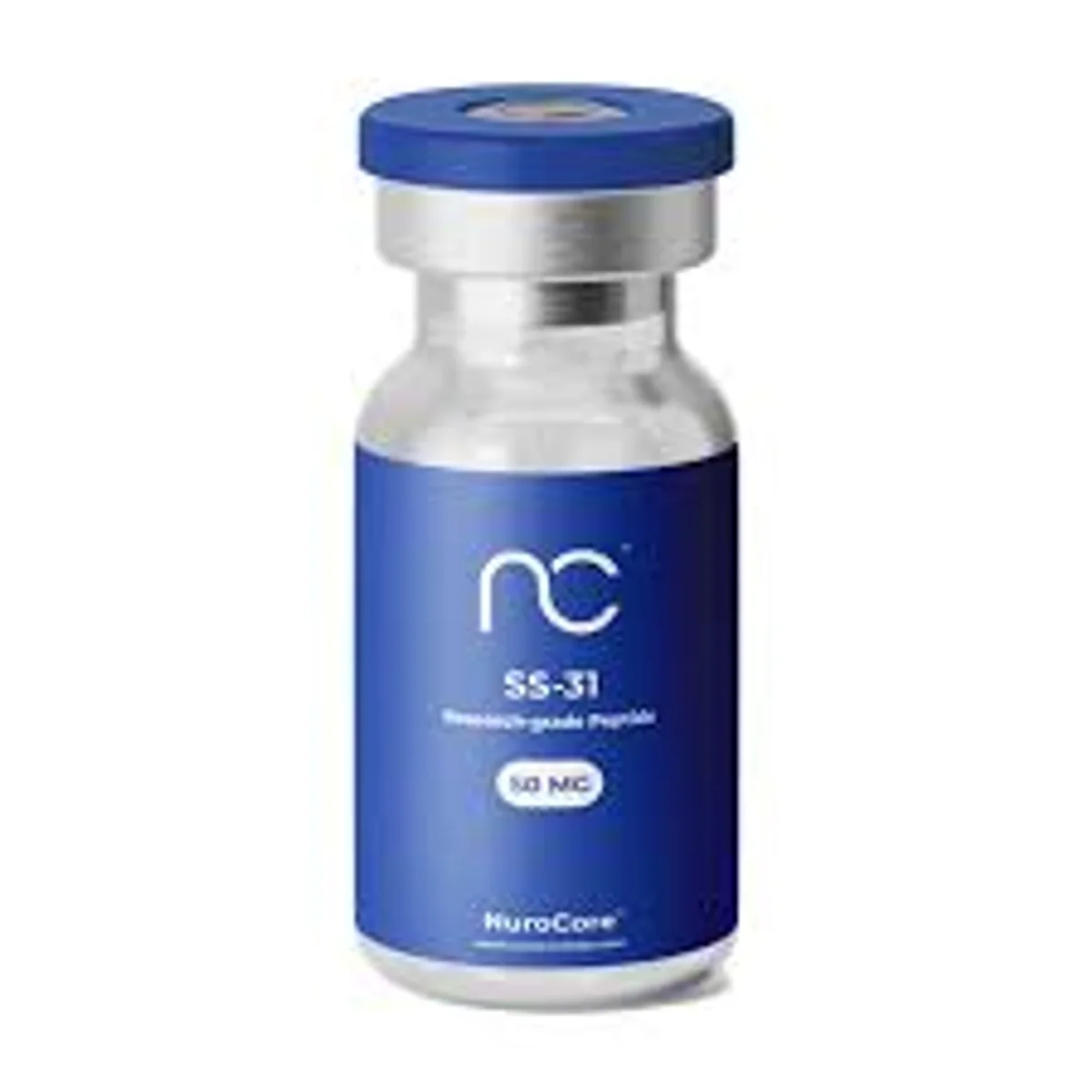
SS-31 (Elamipretide) ranks first in this guide because it carries more formal human RCT data than virtually any other research-chemical-status peptide - including registered Phase II and Phase III trials - with a well-characterized cardiolipin-binding mechanism and a consistently favorable safety profile across those trials. That said, the MMPOWER-3 Phase III primary endpoint failure is a material fact any serious researcher needs to weigh: mechanistic elegance doesn't automatically translate to clinical efficacy. This profile examines both sides without flinching.
PEPTIDE-PROFILE
Spermidine: Autophagy and Cellular Renewal — What the Research Actually Shows
For researchers evaluating spermidine supplementation, it's one of the few longevity compounds with a completed human RCT, a well-characterized endogenous mechanism via EP300 inhibition and autophagy induction, and a decent safety profile at dietary-range doses. The evidence is still preliminary - but it's meaningfully more developed than most compounds in this space, and that distinction matters.
PEPTIDE-PROFILE
PT-141 (Bremelanotide) Research Summary: Mechanism, Evidence, and Legal Status
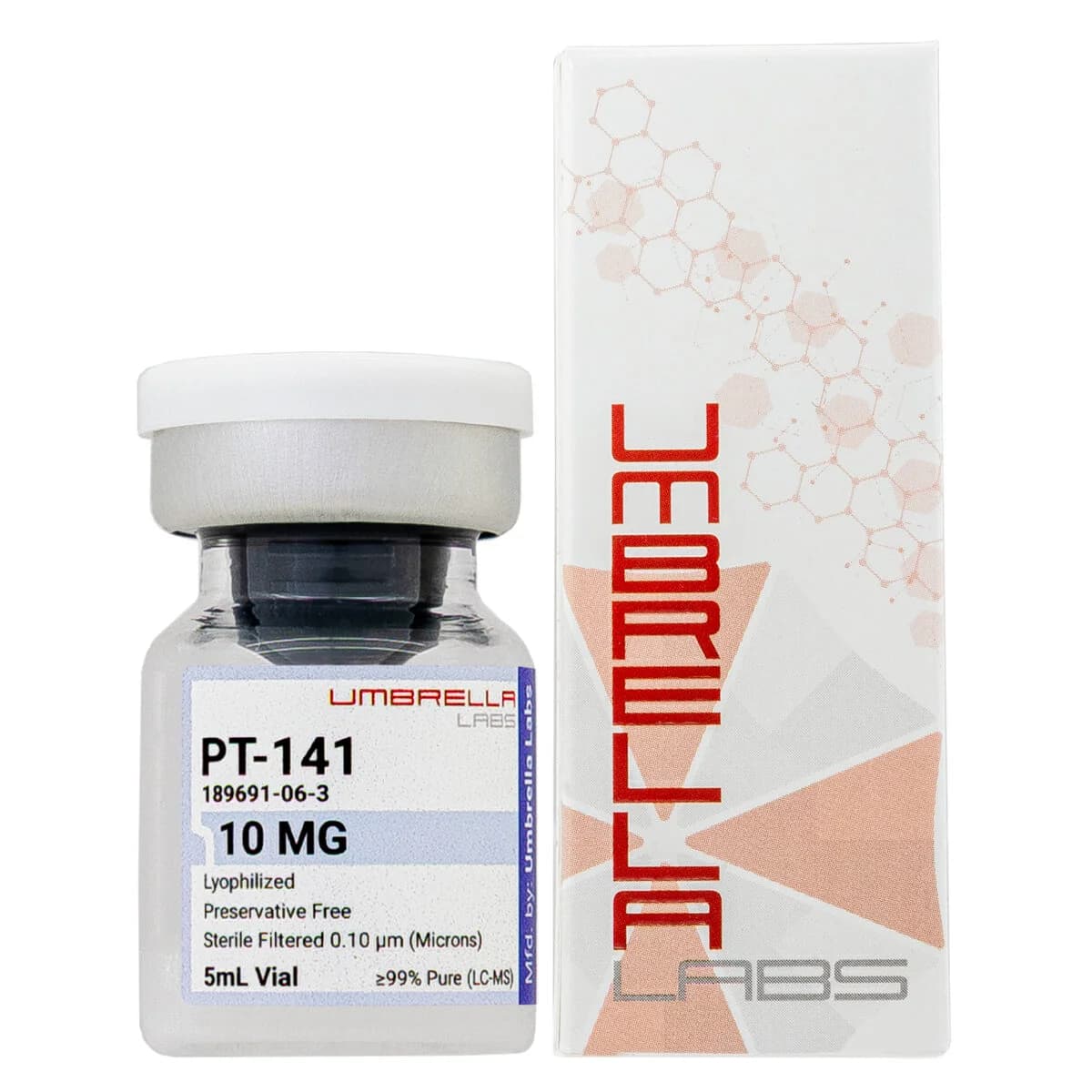
PT-141 (bremelanotide) is a synthetic cyclic heptapeptide and melanocortin receptor agonist (acting primarily at MC3R and MC4R) that the FDA approved as Vyleesi on June 21, 2019, for acquired, generalized hypoactive sexual desire disorder in premenopausal women. The approval was supported by the Phase 3 RECONNECT program (Studies 301 and 302), two placebo-controlled trials enrolling roughly 1,200 women using 1.75 mg subcutaneous injections. Research-chemical PT-141 shares bremelanotide's amino acid sequence but is not manufactured to pharmaceutical GMP standards and carries no approved indication; legitimate clinical access requires a Vyleesi prescription.
PEPTIDE-PROFILE
Epithalon (Epitalon): Telomere Bioregulator Research Summary 2026
Epithalon (also spelled Epitalon) is a synthetic tetrapeptide with the sequence Ala-Glu-Asp-Gly, developed by Vladimir Khavinson and colleagues at the St. Petersburg Institute of Bioregulation and Gerontology beginning in the 1980s as a synthetic analog of the pineal extract Epithalamin. Its proposed mechanism is telomerase activation via upregulation of the TERT gene, and a published human-evidence base exists across roughly four decades of research. However, nearly all human trial data originates from that single Russian laboratory, with no meaningful independent replication, and Epithalon holds no FDA approval.
PEPTIDE-PROFILE
DSIP (Delta Sleep-Inducing Peptide): Research Summary and Evidence Review
DSIP (Delta Sleep-Inducing Peptide) is an endogenous nonapeptide (sequence Trp-Ala-Gly-Gly-Asp-Ala-Ser-Gly-Glu) isolated in 1977 from rabbit cerebral venous blood by Marcel Monnier's group at the University of Basel. Over 150 papers were published through the mid-1990s reporting effects on slow-wave sleep, HPA-axis activity, and opiate withdrawal in small human and animal cohorts, but research largely stalled thereafter, and no DSIP receptor has been characterized. It is not FDA-approved for any indication and remains a research-only compound with no modern adequately powered randomized controlled trials.
PEPTIDE-PROFILE
MK-677 (Ibutamoren): What the Research Shows on the Oral Growth Hormone Secretagogue
MK-677 (Ibutamoren) is the most comprehensively studied oral GH secretagogue in the research chemical space, with multiple completed double-blind, placebo-controlled human trials documenting sustained GH and IGF-1 elevation. Its oral bioavailability and documented sleep-architecture effects make it mechanistically interesting, but human trial evidence of insulin sensitivity impairment means any research application requires careful contextual scrutiny.
PEPTIDE-PROFILE
Cerebrolysin: Neurological Peptide Research Summary — What the Clinical Evidence Actually Shows
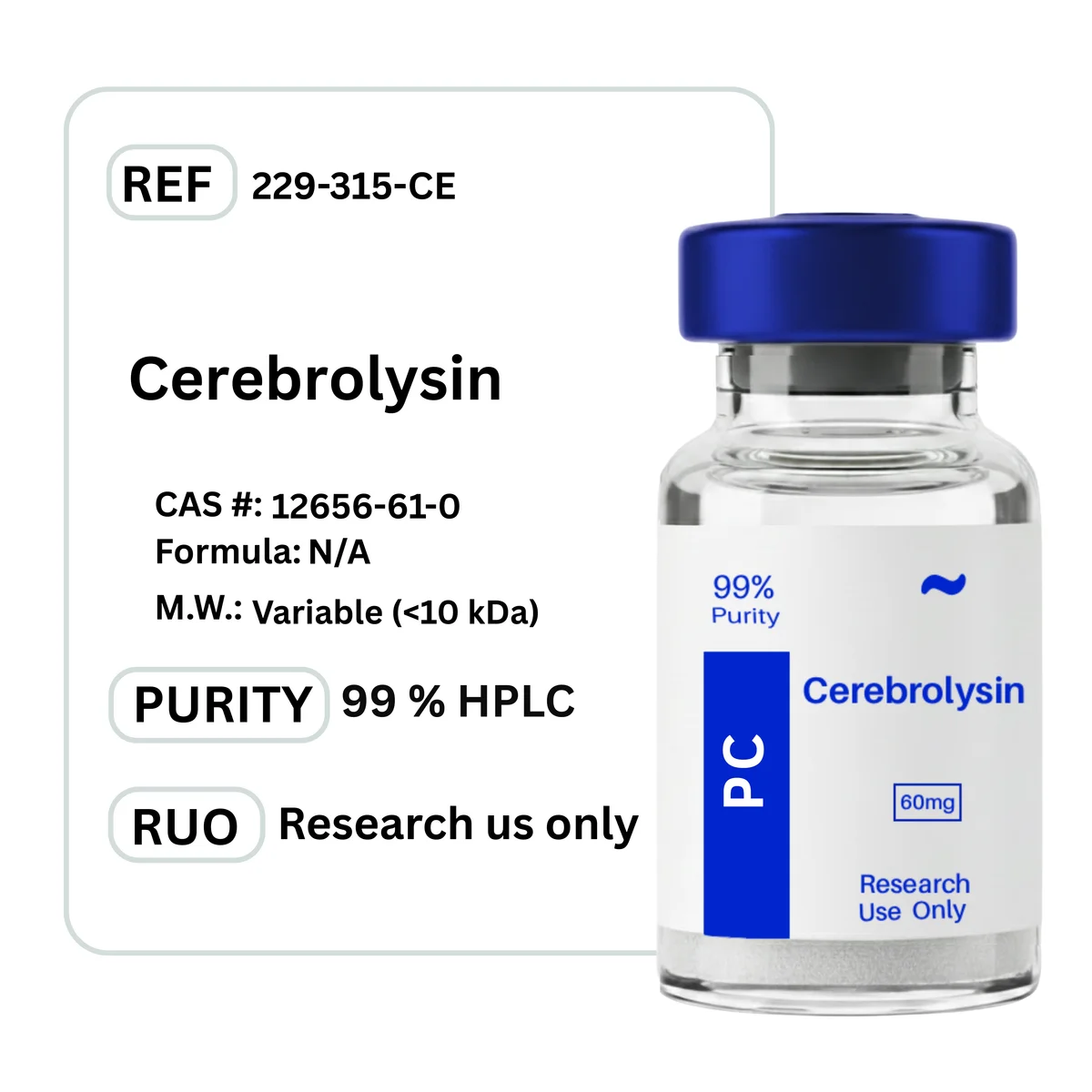
Cerebrolysin is a standardized porcine brain-derived peptide hydrolysate, composed of roughly 25% low-molecular-weight peptides and 75% free amino acids, manufactured by EVER Neuro Pharma in Austria and licensed as a prescription pharmaceutical in over 40 countries across Central/Eastern Europe, Asia, and Latin America for stroke and dementia indications. It is not FDA-, MHRA-, EMA-, or TGA-approved. Randomized controlled trials spanning several decades report neurotrophic and neuroprotective effects via BDNF/NGF-like activity, though Cochrane reviewers have flagged methodological limitations including small sample sizes, incomplete blinding, and publication-standard concerns across the supporting trial base.
PEPTIDE-PROFILE
MOTS-c: The Mitochondrial-Derived Peptide Research Summary (2026 Evidence Review)
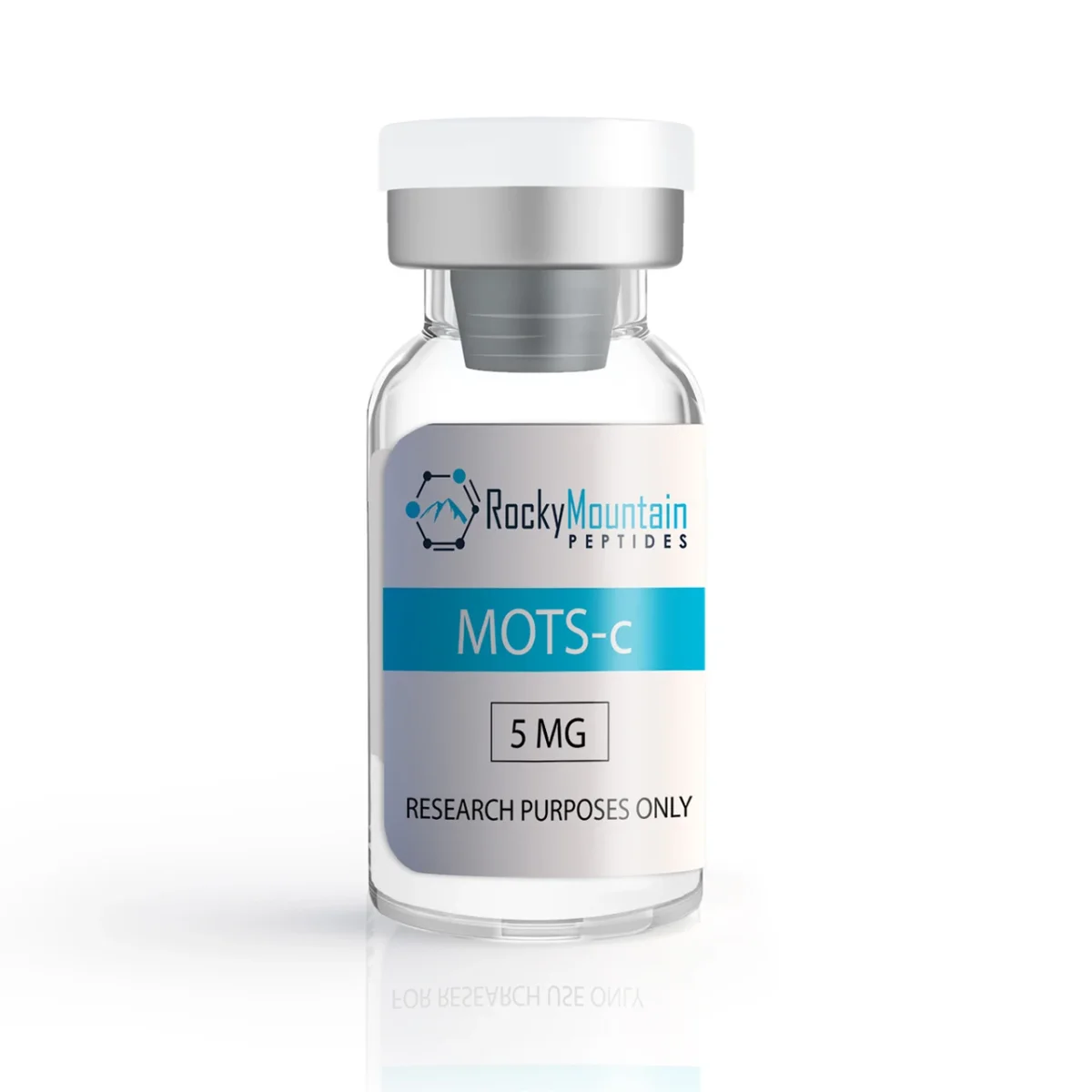
MOTS-c is a 16-amino acid mitochondrial-derived peptide (sequence MRWQEMGYIFYPRKLR) encoded within the 12S rRNA gene of the mitochondrial genome, first described by Lee et al. in a 2015 Cell Metabolism paper. Its proposed mechanism centers on AMPK activation via AICAR accumulation, with animal studies reporting improved insulin sensitivity, reduced fat accumulation, and enhanced endurance in rodent models. As of 2026, MOTS-c remains a research chemical with no FDA, EMA, MHRA, or TGA approval for any indication, and adequately powered human interventional trials have not been published.
PEPTIDE-PROFILE
Tesamorelin (Egrifta): The Only FDA-Approved GHRH Analog Explained
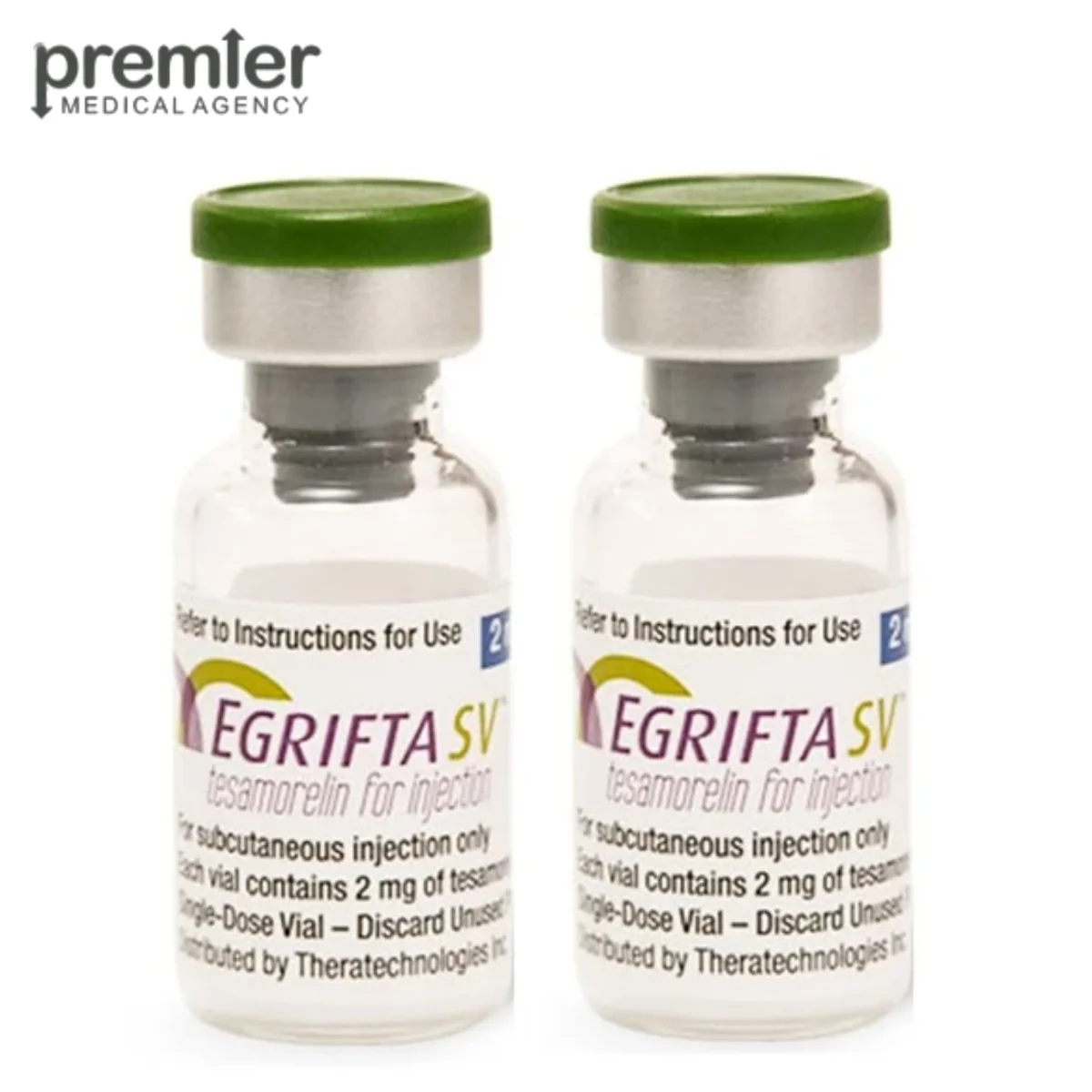
Tesamorelin is a synthetic 44-amino-acid analog of growth hormone-releasing hormone (GHRH), modified with a trans-3-hexenoic acid group at the N-terminus to resist DPP-IV degradation. Developed by Theratechnologies and approved by the FDA in November 2010 under the brand name Egrifta, it is the only GHRH analog to complete Phase III randomized controlled trials and achieve U.S. regulatory approval. Its sole approved indication is the reduction of excess abdominal fat in HIV-infected adults with lipodystrophy, with mechanism research indicating pulsatile GH release and IGF-1-mediated visceral fat lipolysis.
PEPTIDE-PROFILE
Melanotan II: What the Research Shows — and Why the Safety Record Matters
Melanotan II is a synthetic cyclic analog of alpha-MSH with real human trial data - small University of Arizona studies in the 1990s documented pigmentation and erectile effects - and an equally real adverse-event record: consistent dose-dependent nausea, flushing, spontaneous erections, and a growing cluster of case reports linking use to changing moles and melanoma diagnoses. It remains unapproved in every major jurisdiction. For the melanocortin mechanism it pioneered, the FDA-approved derivative bremelanotide (Vyleesi) - not the research chemical - is the defensible clinical route.
PEPTIDE-PROFILE
Semax: What the Research Actually Shows on the Russian Nootropic Peptide
Semax is the strongest option among the nootropic research peptides reviewed here because it combines a reasonably well-characterized mechanism (BDNF upregulation, ACTH analog activity) with genuine pharmaceutical registration in Russia and a published clinical trial record - but that evidence base is heavily concentrated in Russian-language literature and hasn't been independently replicated under Western regulatory standards, which limits how much confidence the available data can actually support.
PEPTIDE-PROFILE
Thymosin Alpha-1: Immune-Modulator Research Summary (2024 Evidence Review)
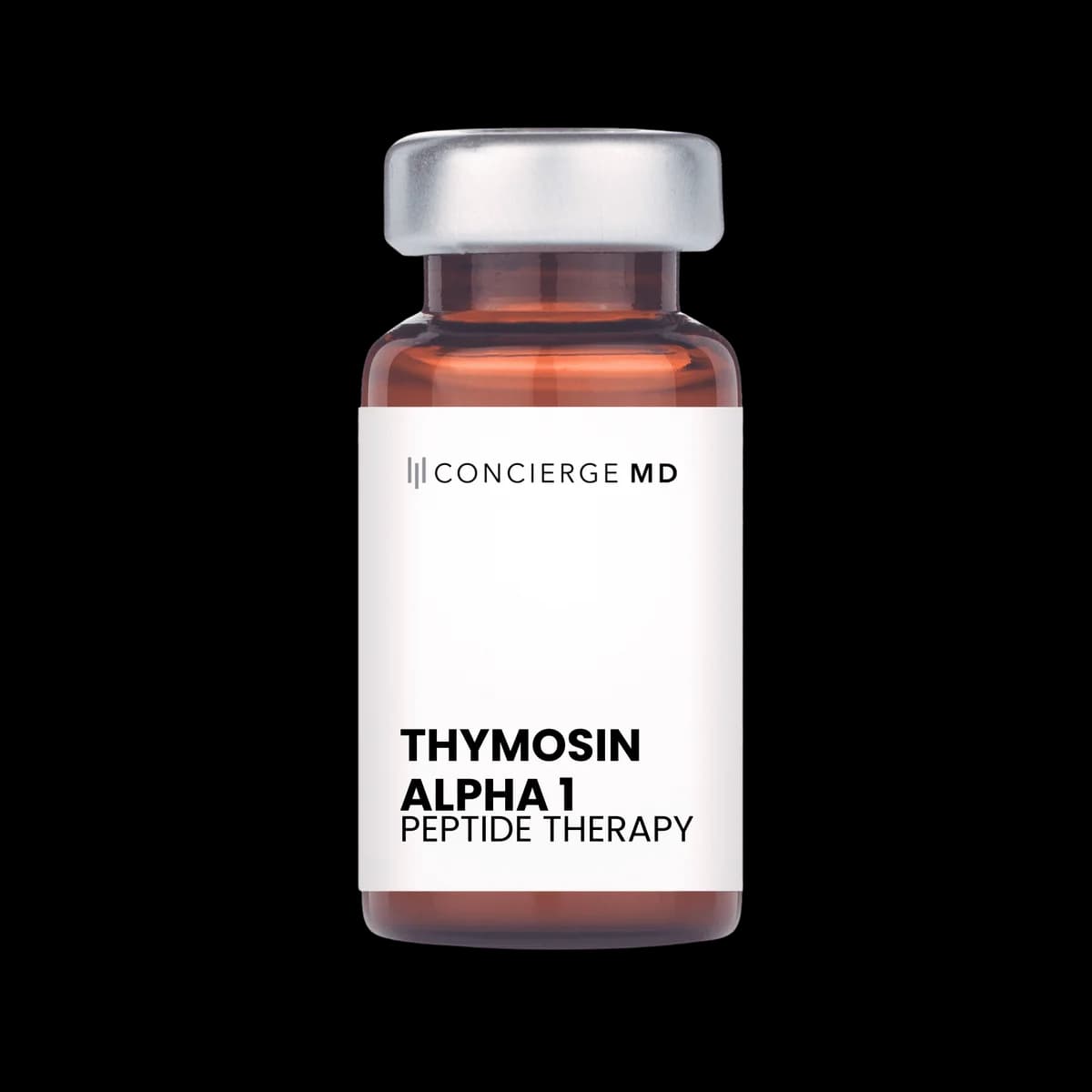
Thymosin Alpha-1 is a 28-amino-acid immunomodulatory peptide derived from prothymosin alpha, first isolated in 1977 by Allan Goldstein at George Washington University and marketed pharmaceutically as Zadaxin in parts of Asia and Eastern Europe. Research suggests it acts as an endogenous TLR2 and TLR9 ligand, promoting Th1 differentiation and increasing IFN-gamma, IL-2, and NK cell activity. Multiple randomized controlled trials support its use in chronic hepatitis B, hepatitis C, sepsis, and cancer-adjuvant contexts, but it remains unapproved in the US, UK, EU, and Australia, where it is sold under research-chemical status.
PEPTIDE-PROFILE
GHK-Cu (Copper Peptide) Explained: A Research Summary of Evidence, Mechanisms, and Limitations
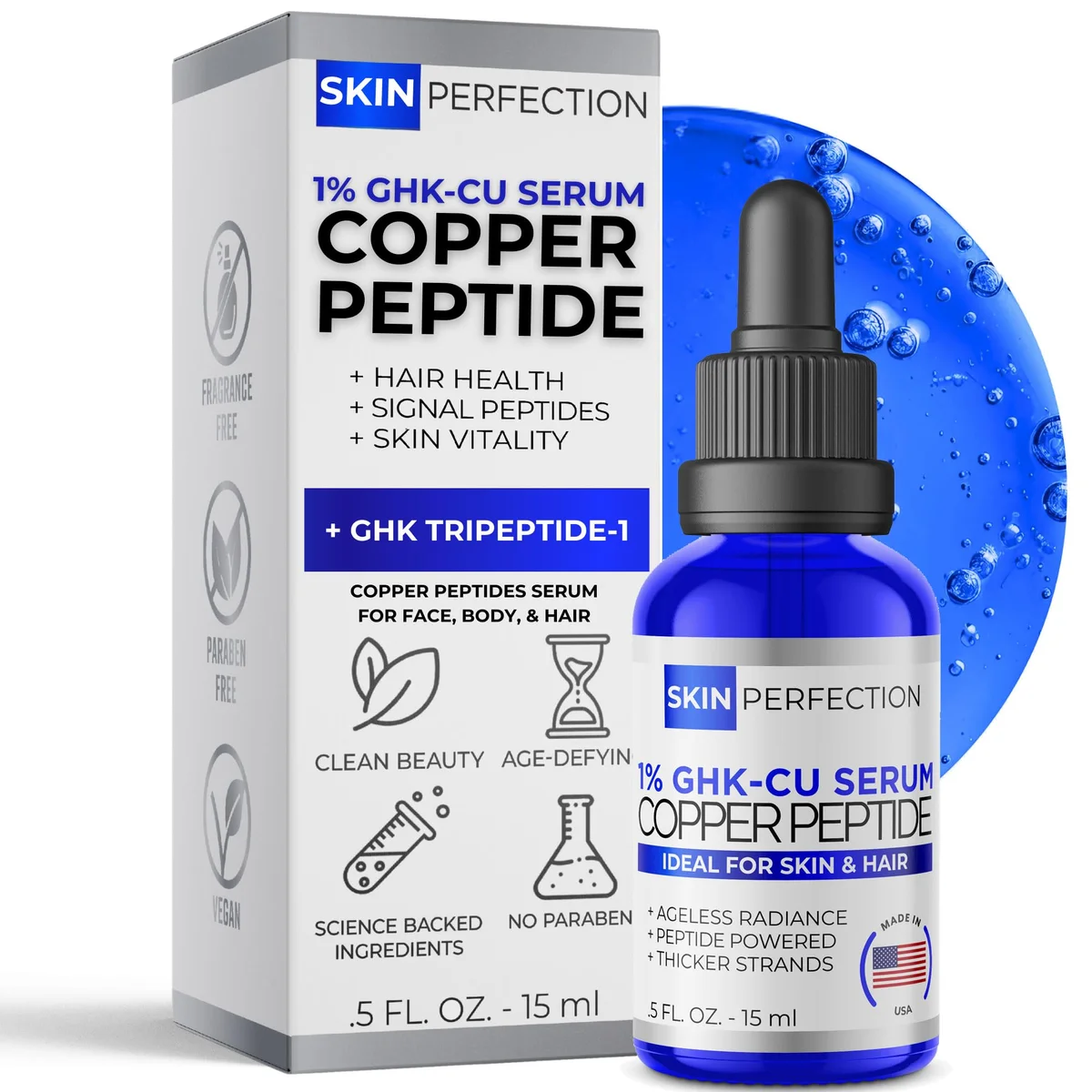
GHK-Cu is a naturally occurring copper-chelating tripeptide (glycyl-L-histidyl-L-lysine bound to copper(II)) first isolated from human plasma albumin in 1973 by Loren Pickart, with plasma concentrations reported to decline from roughly 200 ng/mL in young adults to around 80 ng/mL in those over 60. It is not approved by the FDA, MHRA, TGA, or EMA for any therapeutic indication and is sold in most jurisdictions as a research chemical. Published research includes in vitro fibroblast and antioxidant studies, animal wound-healing models, and several small human randomized controlled trials of topical formulations.
PEPTIDE-PROFILE
Selank: What the Research Shows on the Russian Anxiolytic Peptide (2026 Evidence Review)
Selank is a Russian-developed anxiolytic heptapeptide - a tuftsin analog with the sequence Thr-Lys-Pro-Arg-Pro-Gly-Pro - registered in Russia as a 0.15% intranasal pharmaceutical. Institutional trials, including a 62-patient randomized comparison against the benzodiazepine medazepam (Zozulya 2008), report comparable anxiolytic effect without the sedation, tolerance, or dependence of classical anxiolytics, through GABA-modulatory and enkephalinase-inhibiting mechanisms. The critical limitation: essentially none of this evidence has been independently replicated outside Russia.
How-To & Educational
HOW TO
Peptides 101: A Beginner's Guide to the Research Landscape (2026 Edition)
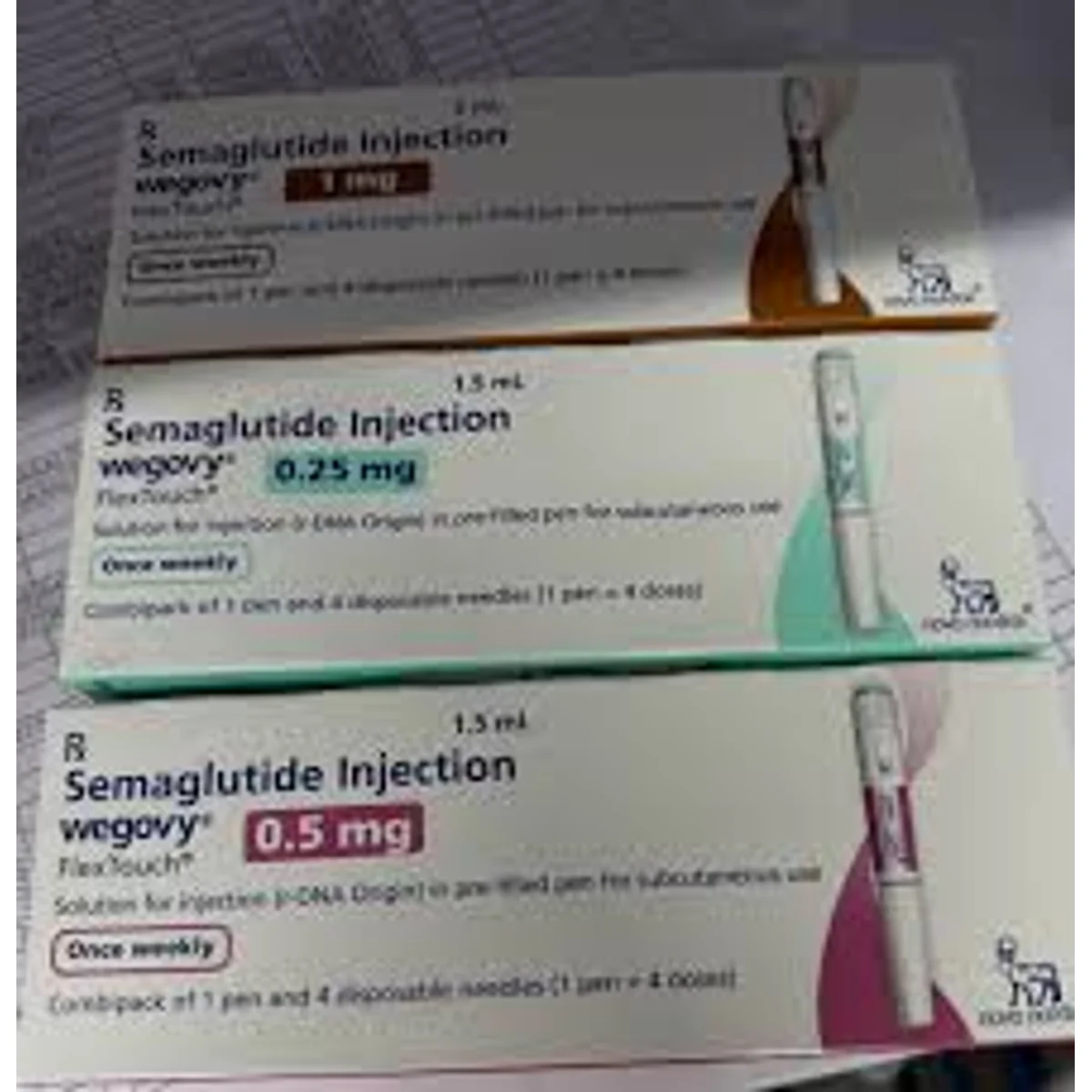
Peptides are short chains of amino acids (typically fewer than 50) linked by peptide bonds, ranging from endogenous molecules like the tripeptide GHK-Cu to synthetic analogs engineered for receptor selectivity or extended half-life. The evidence behind specific peptides varies dramatically: semaglutide is FDA-approved and supported by Phase III trials with sample sizes in the thousands, while compounds like BPC-157 remain research chemicals with little or no human trial data. Evaluating any peptide claim requires matching it to a standard evidence hierarchy, where in vitro and rodent findings sit far below replicated randomized controlled trials.
HOW TO
How to Read a Peptide Certificate of Analysis (COA): A Researcher's Field Guide
A peptide Certificate of Analysis (COA) is a laboratory-issued document reporting identity, purity, and safety testing for a specific batch of compound, answering three questions: is it the right compound, how much is present, and is it safe to handle. Prescription peptides like semaglutide are manufactured under FDA-enforced GMP standards with legally accountable COAs, while research chemicals such as BPC-157 and GHK-Cu carry no mandated COA content, making ISO 17025 laboratory accreditation, HPLC purity, mass spectrometry identity confirmation, and endotoxin testing the key fields researchers must evaluate independently.
vendor-evaluation
stack
STACK
The Longevity Stack: How Epithalon, MOTS-c, and Thymosin Alpha-1 Are Studied Together
The longevity peptide stack pairing Epithalon, MOTS-c, and Thymosin Alpha-1 is a research-only combination targeting three distinct hallmarks of aging: telomere attrition, mitochondrial dysfunction, and immunosenescence, respectively. None of the three compounds carry FDA, MHRA, or TGA approval for human administration, and the evidence base is highly uneven—Thymosin Alpha-1 has decades of clinical RCT data, MOTS-c has solid mechanistic and animal research with emerging human studies, and Epithalon's literature, though substantial in volume, originates largely from a single Russian research group (the Khavinson laboratory) with limited independent Western replication.
STACK
Sleep Peptide Research Stack: DSIP, Selank, and Supporting Compounds for Sleep Quality and Recovery
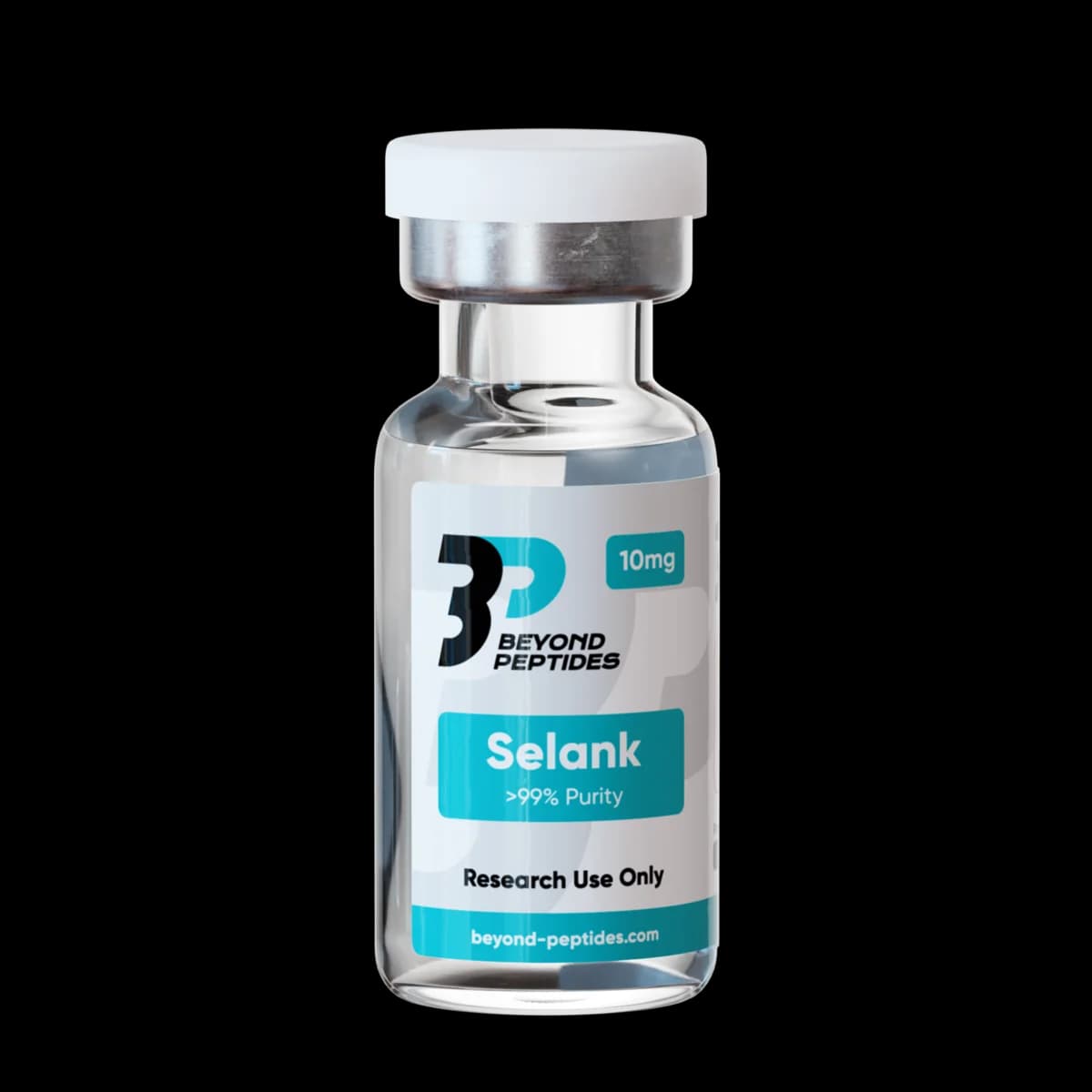
For researchers building a sleep-focused peptide protocol, Selank is the strongest starting point among the three compounds covered here - it has at least some institutional clinical framework (including a formal approval in Russia), a non-invasive intranasal delivery route, and a mechanistic profile that connects anxiolytic signaling to downstream sleep architecture improvement in a way DSIP's stalled trial record and Epithalon's longevity-adjacent hypothesis simply don't match right now.
STACK
Growth Hormone Secretagogue Stacks: How Ipamorelin + CJC-1295 Are Studied (2026 Research Guide)
Ipamorelin and CJC-1295 are research peptides studied as a growth hormone secretagogue stack, pairing a selective ghrelin receptor (GHS-R1a) agonist with a GHRH analog to stimulate endogenous GH release through two complementary pituitary pathways. Neither compound is FDA-approved for human use, and the peer-reviewed record contains no randomized controlled trials of the combination in healthy adults — the strongest human data is a Phase II pharmacokinetic trial of CJC-1295 with DAC, which extends circulating half-life to roughly 6–8 days via albumin binding. Tesamorelin remains the only FDA-approved GHRH analog with Phase III backing.
STACK
The Skin and Anti-Aging Peptide Stack: GHK-Cu, BPC-157, Pentadeca Arginate, and KPV in Research (2026 Guide)
GHK-Cu is the strongest compound in this stack on evidence quality alone - it's the only one with multiple small human RCTs, decades of published mechanistic research dating back to 1973, and a reasonably clean preliminary safety profile across topical and in vitro models. The other three compounds are preclinical-only, which makes GHK-Cu the clearest anchor for any researcher building a skin and recovery peptide stack in 2026.
STACK
Peptide Stacks for Body Recomposition: How Researchers Combine GH-Axis, GLP-1, and Mitochondrial Compounds (2026 Research Guide)
For researchers building a GH-axis protocol with the strongest available human trial data, MK-677 (Ibutamoren) is the most defensible starting point - it's one of the only research chemicals in this class with completed double-blind, placebo-controlled human trials, oral administration, and documented GH/IGF-1 elevation. The insulin sensitivity impairment documented in those same trials, though, makes it a poor fit for any protocol layered with metabolic agents unless that interaction is explicitly part of the research question.
STACK
The GH-Axis Peptide Stack: CJC-1295, Ipamorelin, Sermorelin, and IGF-1 LR3 in Research Context (2026 Guide)
For researchers building a GH-axis peptide stack, CJC-1295 paired with Ipamorelin is the most evidence-supported GHRH+GHRP combination in the literature. CJC-1295 takes the top spot because of its published Phase II pharmacokinetic data (n=64), characterised mechanism at the GHRH receptor, and DAC modification that allows less frequent dosing. All compounds discussed here are research chemicals not approved for human use - this is a research-context summary only.
protocol-framework
category-overview
CATEGORY-OVERVIEW
Peptides Studied for Fat Loss: GLP-1 Agonists, Mitochondrial Approaches, and Beyond (2026 Research Overview)
Prescription tirzepatide (Mounjaro / Zepbound) is the strongest-evidenced compound in this category by a significant margin. Phase III RCT data from SURMOUNT-1 shows up to ~21% mean body weight reduction at the 15mg dose, a signal no research chemical or investigational agent has come close to replicating in controlled human trials at scale. It's also legally accessible via prescription in all major markets, which puts it in a completely different category from the unregulated research chemicals covered elsewhere in this guide.
CATEGORY-OVERVIEW
Longevity and Anti-Aging Peptides: The 2026 Research Landscape — A Complete Category Overview
If you're evaluating longevity peptides by evidence quality rather than marketing copy, SS-31 (Elamipretide) is the most evidentially grounded research-chemical-status compound in this category. It's completed registered Phase II and Phase III human trials, has a well-characterized mitochondrial mechanism, and has a documented safety profile - though its Phase III primary endpoint failure means the clinical translation question is still genuinely open.
CATEGORY-OVERVIEW
Nootropic Peptides: What the Research Actually Says About Selank, Semax, and Dihexa (2026 Evidence Review)
Nootropic peptides are short amino acid chains studied for effects on cognition, neuroplasticity, and mood through CNS pathways such as BDNF upregulation, GABAergic modulation, and HGF/MET signaling. Among the most-discussed compounds, Semax (an ACTH 4-10 analogue) and Selank (a tuftsin analogue) hold formal pharmaceutical registration in Russia with intranasal clinical trial data, while Dihexa has no published human trials and remains restricted to rodent research. None are FDA-approved or independently replicated in Western randomized controlled trials, and all are sold in Western jurisdictions only as research chemicals.
Comparisons
COMPARISON
Tirzepatide vs Semaglutide: What the Clinical Studies Actually Show (2024–2026 Evidence Review)
For clinically validated weight reduction with legitimate prescription access, Prescription Tirzepatide (Mounjaro / Zepbound) carries the strongest efficacy signal of any approved pharmacological agent right now - SURMOUNT-1 reported a mean body weight loss of roughly 21% at the 15mg dose, the highest published figure from any Phase III RCT. That said, Prescription Semaglutide (Ozempic / Wegovy) has something tirzepatide doesn't yet: a demonstrated cardiovascular mortality benefit from the SELECT trial, which puts it in a different clinical category entirely for patients where heart risk is the primary concern.
COMPARISON
Selank vs Semax: Two Russian Nootropic Peptides Compared by Mechanism, Evidence, and Research Context
For researchers focused on cognitive enhancement and neuroprotection mechanisms, Semax has the edge over Selank: its BDNF upregulation pathway is better characterized, its institutional trial base reaches into stroke and cognitive deficit research, and its pharmacological target is more clearly defined. The Russian-literature caveat applies equally to both compounds, and neither should be mistaken for a validated therapeutic.
COMPARISON
BPC-157 vs TB-500: How the Two Most-Researched Recovery Peptides Compare
BPC-157 and TB-500 are synthetic research peptides studied primarily in rodent models for tissue repair signaling, with neither holding FDA, EMA, MHRA, or TGA approval for any human indication as of mid-2026. BPC-157 is a 15-amino-acid fragment derived from human gastric juice protein and researched mainly for gut, tendon, and nitric oxide pathways, while TB-500 is a synthetic fragment of Thymosin Beta-4 studied for actin cytoskeleton dynamics and angiogenesis. TB-500 is prohibited under the WADA Code, whereas BPC-157 lacks completed human Phase II RCTs in either case.
COMPARISON
BPC-157 vs GHK-Cu: Two Research Peptides, Two Approaches to Tissue and Skin Repair
BPC-157 and GHK-Cu are two distinct research peptides often compared for tissue repair, but they occupy different evidence positions. GHK-Cu is an endogenous copper-binding tripeptide first isolated from human plasma in 1973, with multiple small human randomized controlled trials supporting its topical dermatological use and documented plasma decline from about 200 ng/mL in young adults to 80 ng/mL by age 60. BPC-157 is a synthetic 15-amino-acid construct derived from human gastric juice protein, supported largely by rodent studies with zero completed human RCTs as of mid-2026. Neither is approved for human therapeutic use.
COMPARISON
GLP-1 Agonists Compared: Semaglutide vs Tirzepatide vs Retatrutide (2026 Research Review)
Semaglutide, tirzepatide, and retatrutide are incretin-pathway agonists with sharply different regulatory status: semaglutide (Ozempic/Wegovy) and tirzepatide (Mounjaro/Zepbound) are FDA-approved prescription drugs for type 2 diabetes and chronic weight management, while retatrutide remains an investigational Eli Lilly compound in Phase 3 trials with no approved indication anywhere. In head-to-head trial data, tirzepatide produced roughly 21% mean body-weight reduction in SURMOUNT-1, exceeding semaglutide's ~15% in STEP-1, and retatrutide's Phase 2 program reported ~24% reduction at 48 weeks.