
PEPTIDE-PROFILE
Cerebrolysin: Neurological Peptide Research Summary — What the Clinical Evidence Actually Shows
Parsing the RCT record, mechanism, and sourcing realities of the most-studied nootropic peptide.
Last updated: May 1, 2026
Quick Answer
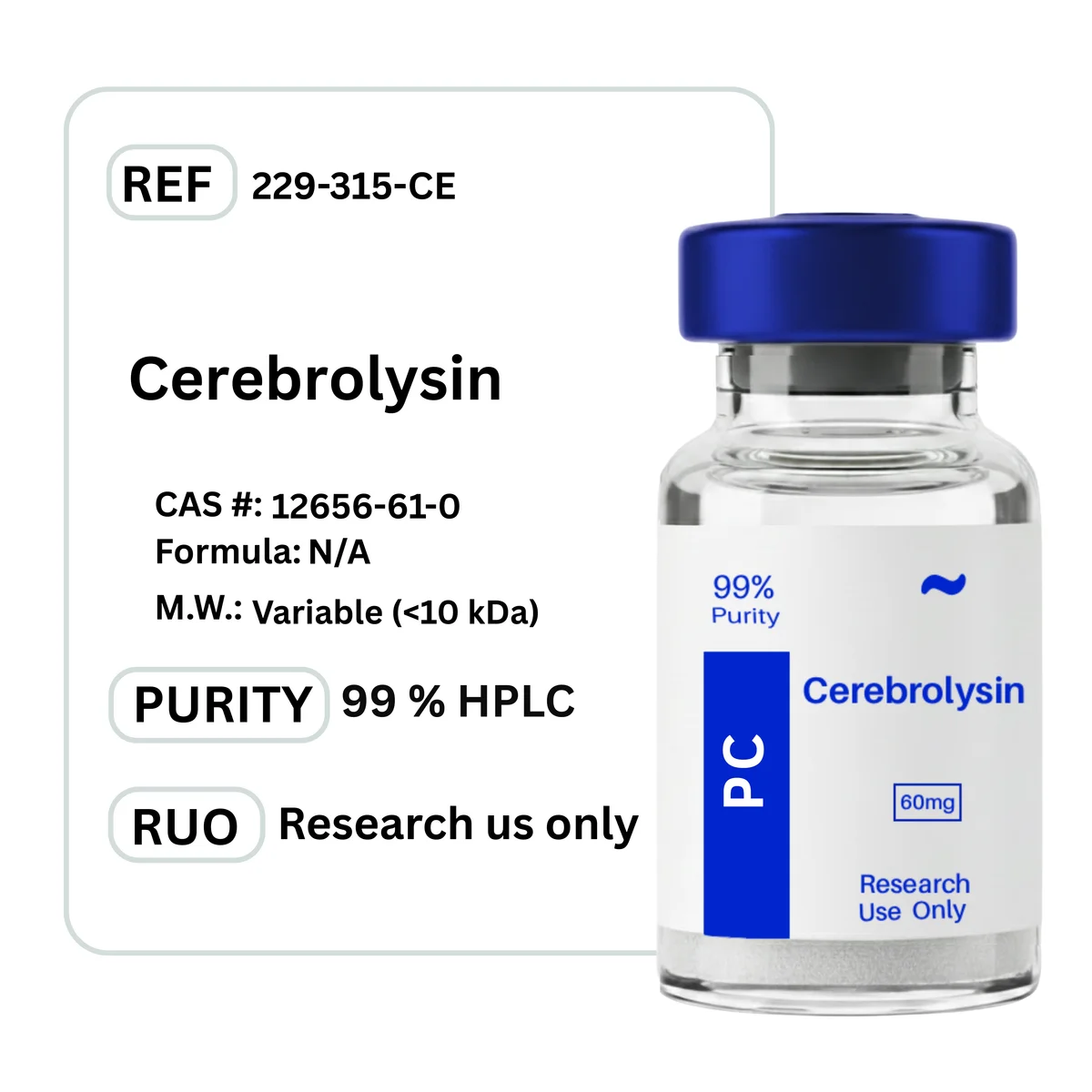
Cerebrolysin is a standardized porcine brain-derived peptide hydrolysate, composed of roughly 25% low-molecular-weight peptides and 75% free amino acids, manufactured by EVER Neuro Pharma in Austria and licensed as a prescription pharmaceutical in over 40 countries across Central/Eastern Europe, Asia, and Latin America for stroke and dementia indications. It is not FDA-, MHRA-, EMA-, or TGA-approved. Randomized controlled trials spanning several decades report neurotrophic and neuroprotective effects via BDNF/NGF-like activity, though Cochrane reviewers have flagged methodological limitations including small sample sizes, incomplete blinding, and publication-standard concerns across the supporting trial base.
Cerebrolysin occupies an unusual position in nootropic research. Unlike most compounds discussed in biohacking communities, it's not a synthetic peptide manufactured to a defined sequence and sold as a research chemical. It's a porcine brain-derived hydrolysate - a complex mixture of peptides and free amino acids extracted from pig brain tissue - that's been in licensed clinical use in parts of Central and Eastern Europe and Asia for over 50 years. It has been studied in human RCTs. It has a plausible, reasonably characterized mechanism. And it's been reviewed by the Cochrane Collaboration, which is a meaningful distinction from nearly everything else in the nootropic peptide space.
The complication is that the Cochrane review - and subsequent independent analyses - found the clinical evidence base to be methodologically weaker than its volume suggests. Many of the trials supporting Cerebrolysin were conducted in jurisdictions with different publication standards, with small sample sizes, incomplete blinding, and outcome measures that don't map cleanly onto Western regulatory standards for efficacy. The evidence is real, but contested. That tension is the central subject of this guide.
What follows is a structured analysis of what the published literature actually reports: the mechanism, the trial data, the methodological critique, and the sourcing risks specific to a biologic compound that can only be produced under GMP pharmaceutical conditions. This isn't a guide for purchasing Cerebrolysin - it's a guide for understanding what the research says, and why the gap between that research and safe, legal access is wider here than for almost any other peptide covered on this site.
Featured Peptides
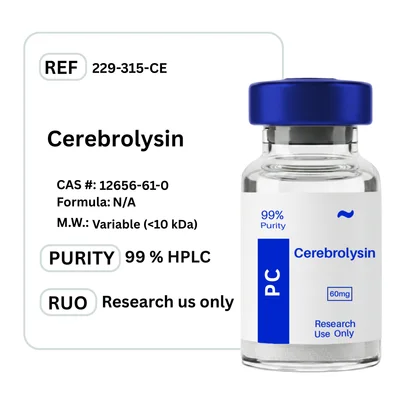
Prescription Cerebrolysin holds the strongest clinical evidence base of any compound in the nootropic peptide category, with genuine RCT data in stroke and dementia populations - but that evidence has been substantially qualified by Cochrane-level methodological review, and access outside licensed pharmaceutical markets is legally complex and practically high-risk in ways that are categorically different from synthetic research peptides. The porcine-derived biologic origin means gray-market sourcing introduces pathogen and authenticity risks that can't be mitigated by standard third-party COA testing. For researchers in jurisdictions where it's licensed, GMP-grade product exists and the evidence base warrants serious engagement; for those outside those jurisdictions, the access-versus-risk calculus is genuinely unfavorable.
Cerebrolysin is the sole subject of this guide and represents the most clinically studied nootropic-class peptide with available pharmaceutical-grade product in licensed markets, making it the reference point for the evidence analysis presented here.
What Is Cerebrolysin? - Chemical Identity, Origin, and Classification
Cerebrolysin is a standardized hydrolysate of porcine (pig) brain cortex tissue, produced via enzymatic digestion under pharmaceutical manufacturing conditions. It's not a single defined peptide. Its active fraction is reported to consist of approximately 25% low-molecular-weight peptides (under 10 kDa) and 75% free amino acids, with the peptide fraction believed to be primarily responsible for its neurotrophic effects.
The product has been manufactured by EVER Neuro Pharma (formerly Ebewe Pharma) in Austria since the 1950s and is licensed as a pharmaceutical drug in over 40 countries, primarily in Central and Eastern Europe (Russia, Ukraine, Czech Republic, Slovakia), parts of Asia (China, South Korea), and Latin America. It's classified as a nootropic and neuroprotective agent in those jurisdictions.
Cerebrolysin is not approved by the FDA (United States), MHRA (United Kingdom), EMA (European Medicines Agency at the centralized EU level, though individual member states may recognize it), or TGA (Australia) for any indication. This creates a significant legal and practical access problem for researchers and clinicians in those jurisdictions, which is addressed in detail in the legal status section below.
Because it's derived from biological tissue rather than synthesized, Cerebrolysin occupies a different regulatory and risk category from synthetic research peptides like BPC-157 or Semax. That distinction matters considerably for sourcing, contamination risk, and quality verification.
---
Mechanism of Action - How Research Suggests It Works on the Nervous System
Research suggests Cerebrolysin exerts its effects primarily through neurotrophic-like activity - mimicking or potentiating the effects of endogenous neurotrophic factors including Nerve Growth Factor (NGF), Brain-Derived Neurotrophic Factor (BDNF), and other members of the neurotrophin family.
Proposed mechanisms identified in preclinical and early clinical research include:
Neurotrophic Factor Mimicry
The peptide fraction of Cerebrolysin has been shown in animal models to penetrate the blood-brain barrier and stimulate pathways associated with neuronal survival, differentiation, and plasticity. Studies suggest it may upregulate BDNF expression and activate downstream signaling cascades (notably TrkB receptors) associated with neuroprotection.
Reduction of Excitotoxicity
Animal research indicates Cerebrolysin may reduce glutamate-mediated excitotoxicity - a central mechanism of neuronal death following stroke or traumatic brain injury - through modulation of calcium influx and caspase-mediated apoptosis pathways.
Anti-inflammatory and Anti-apoptotic Effects
Preclinical models suggest the compound reduces neuroinflammation and inhibits apoptotic cell death pathways in ischemic and neurodegenerative contexts. Some in vitro studies have reported reduced tau hyperphosphorylation and amyloid-beta aggregation, which is the basis for interest in Alzheimer's disease applications.
Metabolic Support
Earlier research proposed that Cerebrolysin enhances neuronal glucose utilization and supports mitochondrial function under conditions of metabolic stress - though this line of evidence is older and less robustly replicated.
Important caveat: These mechanisms are plausible and supported by preclinical data, but the translation from animal models to clinically significant human outcomes remains the central unresolved question. Mechanism doesn't equal efficacy at clinically meaningful doses in human populations.
---
Evidence Summary - Human RCTs, Animal Studies, and Anecdotal Reports
Human Clinical Trials (labeled as such)
Cerebrolysin has been studied in human RCTs across three primary indication areas:
Stroke (Acute Ischemic Stroke and Recovery)
The largest and most methodologically developed trials are in acute ischemic stroke. The CASTA trial (a multicenter RCT, n=1,070, published 2012) found no statistically significant difference between Cerebrolysin and placebo on the primary functional outcome at 90 days, though secondary measures showed some signals. The CEREHETIS trial and a subsequent meta-analysis by Ziganshina et al. (Cochrane, see below) collectively reviewed dozens of trials but found the quality of evidence too low to draw firm conclusions. Some Asian-center trials have reported statistically significant improvements in neurological function scores, but these studies are subject to the methodological concerns outlined in the Cochrane section.
Alzheimer's Disease and Vascular Dementia
Multiple RCTs have examined Cerebrolysin in Alzheimer's disease, generally using the ADAS-Cog (Alzheimer's Disease Assessment Scale - cognitive subscale) as a primary endpoint. A trial by Panisset et al. (2002, n=279) reported statistically significant ADAS-Cog improvements versus placebo at 28 weeks but not at follow-up. A trial by Ruether et al. (2001) in vascular dementia showed modest positive results. Effect sizes across trials are generally small and clinical significance is contested.
Traumatic Brain Injury (TBI)
Smaller pilot trials have examined Cerebrolysin in TBI populations. Evidence is insufficient to draw conclusions from human data alone in this indication.
Animal Study Evidence (labeled as such)
Animal model evidence is considerably more consistent than human trial evidence. Rodent models of ischemia, TBI, and neurodegeneration have generally shown neuroprotective and neuroplasticity-promoting effects. These findings established the mechanistic plausibility that motivated human trials - but as with most compounds, translation has been partial at best.
Anecdotal User Reports (labeled as such)
Online communities (Longecity, Reddit nootropic forums, specialized biohacking boards) document user experiences with Cerebrolysin sourced from international pharmaceutical suppliers. Commonly self-reported effects include enhanced verbal fluency, mood improvements, improved processing speed, and - less commonly - anxiety, irritability, or overstimulation during courses. Self-reports are subject to all the usual confounds: no control conditions, confirmation bias, variable sourcing and dose accuracy, and concurrent substance use. These reports are included here for completeness, not as evidence of efficacy.
---
The Cochrane Problem - What Independent Methodological Review Found
This section warrants dedicated treatment because it substantially qualifies the clinical evidence summary above.
The Cochrane Collaboration has published systematic reviews of Cerebrolysin for both acute ischemic stroke (Ziganshina et al., multiple iterations, most recently updated 2023) and dementia (Chen et al.). The findings are worth reading in full at cochranelibrary.com, but the core conclusions are consistent across updates:
1. High risk of bias across the trial base. The majority of included trials were rated as having unclear or high risk of bias on multiple Cochrane RoB domains: randomization concealment, blinding of outcome assessors, selective outcome reporting. This isn't a minor methodological footnote - it means the direction and magnitude of reported effects may be systematically distorted.
2. Significant geographic concentration. The majority of positive trials originated from Russian, Chinese, and Ukrainian centers. This geographic clustering is a recognized signal for publication bias and institutional allegiance bias in systematic reviews. It doesn't mean the trials are fraudulent - but it does mean the evidence base isn't robustly independent.
3. Small sample sizes and heterogeneous outcome measures. Many trials used different functional and cognitive outcome scales, at different timepoints, making pooled analysis unreliable. Effect sizes in the larger, better-conducted Western trials (CASTA in particular) were not statistically significant on primary endpoints.
4. The Cochrane conclusion, stated plainly: Current evidence doesn't reliably establish that Cerebrolysin produces clinically meaningful improvements in stroke or dementia outcomes. The trials show signals, not proof. Further well-powered, independently conducted RCTs would be needed to change that conclusion.
This doesn't make Cerebrolysin worthless as a research subject. It means its clinical status is more accurately described as promising-but-unestablished rather than proven - which is how licensed-country prescribing guidelines in some jurisdictions still treat it.
---
Dosing in Research Contexts - Ranges and Protocols Reported in Published Literature
> Disclaimer: The following describes dosing ranges reported in published clinical research and is provided for educational and reference purposes only. It does not constitute a medical recommendation. Cerebrolysin requires parenteral administration (intravenous or intramuscular injection) and is not approved for human use in many jurisdictions. Do not attempt self-administration based on this information.
In published clinical trials, Cerebrolysin has been administered almost exclusively via intravenous infusion, with intramuscular injection used in some outpatient protocols. It's not orally bioavailable and isn't administered subcutaneously in the literature.
Stroke trials: Doses in acute stroke RCTs have ranged from 10 mL/day to 50 mL/day administered by IV infusion, typically over 10-21 consecutive days. The CASTA trial used 30 mL/day IV for 10 days.
Dementia trials: Courses of 10 mL to 30 mL/day IV, typically administered in cycles of 4-6 weeks with off-periods, have been reported. Some protocols used IM administration at lower doses (5-10 mL/day) in maintenance phases.
Community protocols (anecdotal, not from clinical trials): Self-reported protocols in biohacking communities often describe IM administration of 1-5 mL/day for courses of 5-10 days, repeated in cycles. These protocols are not derived from controlled research and their safety profile relative to IV clinical trial administration is unknown.
The IV administration requirement isn't incidental - it reflects the pharmacokinetics of the peptide fraction and the concentration ranges used in trials. This requirement alone puts Cerebrolysin in a categorically different class from subcutaneous peptides in terms of self-use risk.
---
Reported Side Effects and Contraindications - From Clinical Trials and User Reports
From Clinical Trials
In published trials, Cerebrolysin has generally shown an acceptable tolerability profile, with adverse events broadly comparable to placebo in most RCTs. The most commonly reported adverse events in trial populations include:
- Agitation and anxiety (more frequently reported than placebo in some dementia trials)
- Dizziness and headache
- Nausea and gastrointestinal discomfort (notably uncommon given IV route, but reported)
- Injection site reactions (IM protocols)
- Rare hypersensitivity reactions
Seizures have been reported in rare cases; current contraindications in licensed-country prescribing information generally include epilepsy and status epilepticus.
Contraindications Noted in Licensed Prescribing Information
- Known hypersensitivity to Cerebrolysin or porcine-derived products
- Epilepsy (particularly uncontrolled)
- Acute renal failure
- Pregnancy and lactation (insufficient data)
User-Reported (Anecdotal, Labeled as Such)
Longecity and Reddit forum reports describe a subset of users experiencing pronounced anxiety, emotional lability, irritability, and sleep disruption during courses - effects not consistently captured in trial populations, possibly reflecting dose sensitivity at self-administered doses or individual neurochemical variation. A smaller subset reports persistent cognitive improvements post-course, though these can't be distinguished from expectation effects without controls.
Biologic-Specific Risk Note
As a porcine brain-derived product, Cerebrolysin sourced outside GMP pharmaceutical manufacturing carries theoretical pathogen transmission risk, including prion-related concerns, though no documented human transmission events via Cerebrolysin have been identified in the literature. Licensed product from verified pharmaceutical manufacturers includes pathogen reduction steps as part of the manufacturing process. Gray-market sourcing can't guarantee equivalence to these standards.
---
Regulatory and Legal Status by Region
United States
Cerebrolysin is not FDA-approved for any indication. It's not available by prescription through US healthcare channels. Importation for personal use occupies a legal gray area under FDA's personal importation policy - but as a biological product, it faces higher regulatory scrutiny than small-molecule compounds. It can't legally be marketed or sold as a drug in the US. Research chemical vendors occasionally list it, but its biological origin means standard research-chemical exemptions are legally weaker for this product than for synthetic peptides.
United Kingdom
Not MHRA-approved. As a prescription-only medicine (POM) class biologic, importation without a valid prescription isn't straightforwardly legal. Post-Brexit, UK importation rules for unlicensed medicines are governed by the Human Medicines Regulations 2012 with specific unlicensed medicine provisions - but these apply to licensed products in their country of origin used for specific named patients via a prescribing clinician, not gray-market procurement.
European Union
Cerebrolysin is not centrally approved by the EMA. Several EU member states (notably some Central and Eastern European countries) recognize national marketing authorizations for the product. This creates a patchwork situation: licensed in some EU states, not in others. Cross-border importation between EU states for personal use is legally complex.
Australia
Not TGA-registered. As an unregistered biological therapeutic, importation without TGA authorization isn't legal. The TGA's Special Access Scheme could theoretically apply for clinician-supervised use, but this is an unusual pathway requiring specific documentation.
Licensed Markets
Cerebrolysin is a registered pharmaceutical in Russia, Ukraine, China, South Korea, Romania, Czech Republic, and several other countries. In these markets, GMP-manufactured product from EVER Neuro Pharma exists and verifiable supply chains are accessible to licensed clinicians.
---
Sourcing Considerations - Why Biologic Origin Makes Gray-Market Risk Categorically Higher
This section applies specifically to anyone considering sourcing Cerebrolysin outside licensed pharmaceutical channels. The risks are qualitatively different from those associated with synthetic research peptides, and that distinction isn't well-communicated in most nootropic communities.
Why Biologic Sourcing Risk Is Different
Synthetic peptides (BPC-157, Semax, Selank, etc.) are manufactured from defined amino acid sequences in chemical synthesis facilities. A COA from an accredited third-party lab can confirm sequence identity, purity, and absence of common contaminants. Cerebrolysin can't be verified this way. Its active fraction is a complex mixture of peptides without a single definable sequence. Third-party HPLC or mass spec analysis can't confirm authenticity the way it can for a synthetic peptide - it can only confirm the presence of amino acids and some peptide fragments, not whether the product is genuine Cerebrolysin or a substitute.
What Legitimate Product Looks Like
Legitimate, licensed Cerebrolysin from EVER Neuro Pharma comes in glass ampoules (1 mL, 5 mL, 10 mL) with clear, colorless to slightly yellowish solution. It includes batch numbers, manufacturing dates, and documentation traceable to the licensed manufacturer. Licensed product carries the manufacturer's authentication features.
Red Flags in Gray-Market Sourcing
- Products sold in vials rather than ampoules (not consistent with licensed product formats)
- No verifiable batch number or manufacturing documentation
- Prices significantly below licensed-market pharmacy pricing
- Vendors who can't provide documentation of supply chain origin
- Lyophilized (freeze-dried) powder formats - licensed Cerebrolysin is a solution, not a powder
- Any vendor claiming FDA or MHRA approval (doesn't exist)
The Pathogen Concern, Restated
Porcine brain tissue carries theoretical risk of transmissible spongiform encephalopathy (TSE) agents. Licensed pharmaceutical manufacturing of Cerebrolysin includes validated pathogen reduction steps as required by EU biologics regulations. Gray-market product manufactured outside these validated processes can't provide equivalent assurance. This isn't a theoretical, dismissible concern - it's the reason biologics face stricter manufacturing standards than small molecules.
The practical conclusion: Cerebrolysin is one of the few nootropic-adjacent compounds where the case for using only licensed, pharmaceutical-grade product carries genuine safety weight beyond regulatory compliance.
---
How Cerebrolysin Compares - Contextualizing the Evidence Against Other Nootropic Peptides
Cerebrolysin's position in the nootropic peptide landscape is genuinely unusual and worth contextualizing honestly:
Evidence volume vs. evidence quality: Cerebrolysin has more human RCT data than virtually any other nootropic peptide - more than BPC-157 (which has minimal human trial data), more than Semax or Selank (which have mostly small Russian-language trials), and more than most synthetic neuropeptides. But evidence volume doesn't equal evidence quality, and the Cochrane critique applies. A larger pile of methodologically weak evidence isn't more useful than a smaller pile of rigorous evidence.
Mechanism credibility: The neurotrophic mechanism is more precisely characterized and biologically plausible than many compounds in this space. BDNF pathway activity is relevant to real neurological processes. That's a genuine point in its favor relative to compounds with vaguer or wholly speculative mechanisms.
Administration barrier: Requiring IV administration puts Cerebrolysin in a fundamentally different practical category from subcutaneous peptides. The logistical and safety requirements are substantially higher.
Regulatory status paradox: It's simultaneously the most clinically studied nootropic peptide and the one with the most complex, restrictive, and patchy access environment. Users in approved jurisdictions have access to GMP product via prescribing channels. Users elsewhere face both legal barriers and sourcing quality risks that are harder to mitigate than for synthetic research chemicals.
Bottom line comparison: If the question is 'which nootropic peptide has the most credible evidence base,' Cerebrolysin is the honest answer. If the question is 'which nootropic peptide is most tractable for safe, legal research use outside clinical settings,' Cerebrolysin is among the least tractable options available.
---
Where to Learn More - PubMed, Cochrane, and ClinicalTrials.gov Pointers
For researchers and clinicians seeking to evaluate the primary literature:
- Cochrane Review (Stroke): Search the Cochrane Library for 'Cerebrolysin acute ischaemic stroke' - Ziganshina et al., most recent update. This is the most methodologically rigorous summary of the stroke evidence base.
- Cochrane Review (Dementia): Search Cochrane Library for 'Cerebrolysin dementia' - Chen et al.
- PubMed: Search 'Cerebrolysin randomized controlled trial' filtered to human studies. The CASTA trial (publication author: Muresanu et al., 2016 full results) is the largest Western-conducted RCT and worth reading in full.
- ClinicalTrials.gov: Search 'Cerebrolysin' to review registered trials, their enrollment status, and outcome measure selections. Several trials remain ongoing or have completed without full publication - a relevant factor for evidence base assessment.
- EVER Neuro Pharma: The licensed manufacturer publishes prescribing information for jurisdictions where the product is licensed, documenting the approved clinical evidence base in those markets.
- Manufacturer's SmPC (Summary of Product Characteristics): Accessible via licensed-country regulatory databases (e.g., Czech SUKL, Slovak SUKL databases), providing the official safety and dosing framework for licensed use.
---
Regulatory Disclaimer
This guide is published for educational and research reference purposes only. Cerebrolysin is not approved by the FDA, MHRA, or TGA for any indication. It is a licensed pharmaceutical in certain jurisdictions; accessing it outside those approved channels may involve legal risk and practical safety concerns that are the individual's responsibility to understand under the laws of their jurisdiction. Nothing in this guide constitutes medical advice, a recommendation for human use, or an endorsement of any sourcing channel. Consult a qualified medical professional before making any decisions about substances discussed here. Peptide Guides does not sell, broker, or endorse specific vendors for any compound discussed on this site.
Tips
- 1.Before engaging with any Cerebrolysin literature, read the most recent Cochrane systematic review on stroke and dementia indications first - it provides the methodological framework for evaluating all subsequent primary literature claims with appropriate skepticism.
- 2.If you're in a jurisdiction where Cerebrolysin is licensed (Russia, China, Czech Republic, South Korea, and others), access through a licensed prescribing clinician is the only pathway that guarantees GMP-manufactured product with validated pathogen reduction processes - gray-market alternatives can't be authenticated by standard peptide COA methods.
- 3.Treat any Cerebrolysin product sold as a lyophilized powder, in rubber-stoppered vials, or without traceable batch documentation as a red flag - licensed pharmaceutical Cerebrolysin is produced and distributed as a clear solution in glass ampoules, and deviations from that format aren't consistent with legitimately sourced product.
The Bottom Line
Cerebrolysin occupies a genuinely distinct position in nootropic peptide research: more human trial data than any comparable compound, a credible neurotrophic mechanism, and a Cochrane-reviewed evidence base that tempers both the enthusiasm and the dismissal. The honest summary is that it remains promising but not established by rigorous Western regulatory standards, and that accessing it outside licensed pharmaceutical channels introduces risks - particularly around biologic contamination and product authenticity - that go beyond what standard research-chemical sourcing caveats address. For those in jurisdictions with licensed access and clinical oversight, the evidence base merits engagement; for everyone else, the risk-to-benefit calculus requires honest accounting that most community discussions don't provide.
Frequently Asked Questions
Is Cerebrolysin legal to buy in the United States?
What is Cerebrolysin made from, and is it a single peptide?
What does the research say Cerebrolysin does in the brain?
How does Cerebrolysin differ from synthetic nootropic peptides like Semax or BPC-157?
What conditions has Cerebrolysin been studied for in clinical trials?
Where is Cerebrolysin legally available as a prescription drug?
Related Guides
PEPTIDE-PROFILE
PT-141 (Bremelanotide) Research Summary: Mechanism, Evidence, and Legal Status
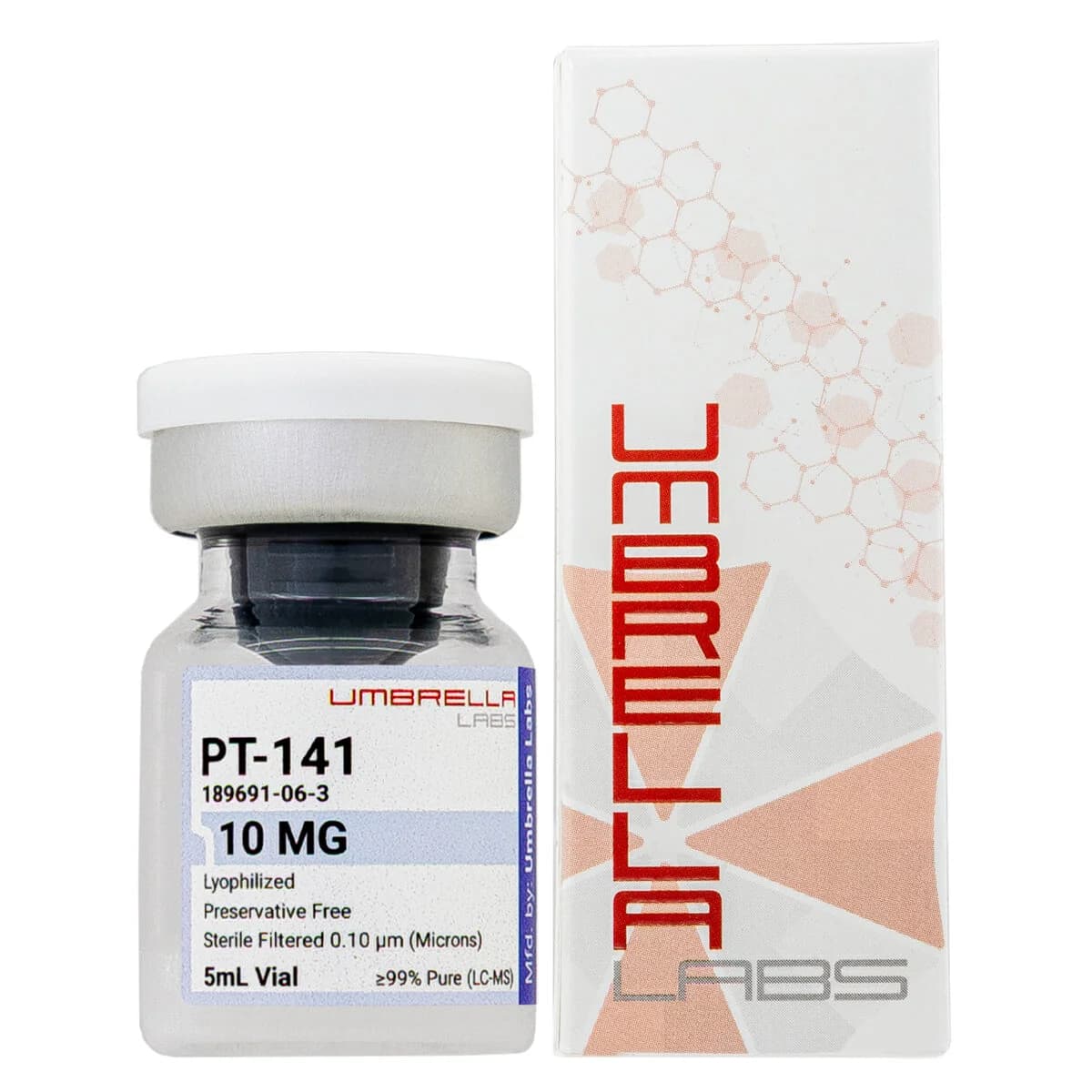
PT-141 (bremelanotide) is a synthetic cyclic heptapeptide and melanocortin receptor agonist (acting primarily at MC3R and MC4R) that the FDA approved as Vyleesi on June 21, 2019, for acquired, generalized hypoactive sexual desire disorder in premenopausal women. The approval was supported by the Phase 3 RECONNECT program (Studies 301 and 302), two placebo-controlled trials enrolling roughly 1,200 women using 1.75 mg subcutaneous injections. Research-chemical PT-141 shares bremelanotide's amino acid sequence but is not manufactured to pharmaceutical GMP standards and carries no approved indication; legitimate clinical access requires a Vyleesi prescription.
PEPTIDE-PROFILE
DSIP (Delta Sleep-Inducing Peptide): Research Summary and Evidence Review
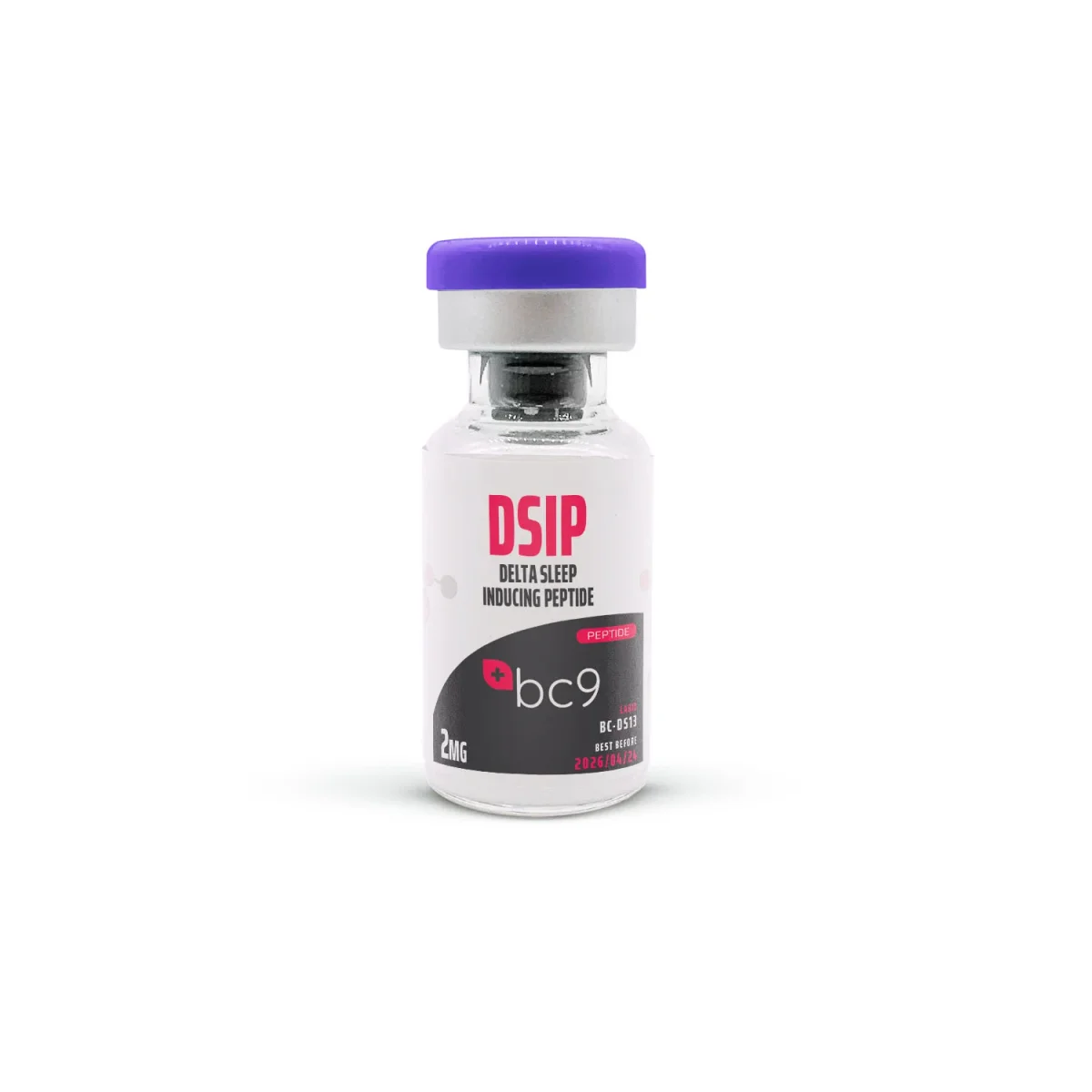
DSIP (Delta Sleep-Inducing Peptide) is an endogenous nonapeptide (sequence Trp-Ala-Gly-Gly-Asp-Ala-Ser-Gly-Glu) isolated in 1977 from rabbit cerebral venous blood by Marcel Monnier's group at the University of Basel. Over 150 papers were published through the mid-1990s reporting effects on slow-wave sleep, HPA-axis activity, and opiate withdrawal in small human and animal cohorts, but research largely stalled thereafter, and no DSIP receptor has been characterized. It is not FDA-approved for any indication and remains a research-only compound with no modern adequately powered randomized controlled trials.
PEPTIDE-PROFILE
Thymosin Alpha-1: Immune-Modulator Research Summary (2024 Evidence Review)
Thymosin Alpha-1 is a 28-amino-acid immunomodulatory peptide derived from prothymosin alpha, first isolated in 1977 by Allan Goldstein at George Washington University and marketed pharmaceutically as Zadaxin in parts of Asia and Eastern Europe. Research suggests it acts as an endogenous TLR2 and TLR9 ligand, promoting Th1 differentiation and increasing IFN-gamma, IL-2, and NK cell activity. Multiple randomized controlled trials support its use in chronic hepatitis B, hepatitis C, sepsis, and cancer-adjuvant contexts, but it remains unapproved in the US, UK, EU, and Australia, where it is sold under research-chemical status.