
Peptides
Peptides reviewed and rated by our editors. No sponsored placements, no pay-to-play.
The short answer
Peptide Guides reviews 20+ research peptides — including BPC-157, GHK-Cu, semaglutide, tirzepatide, and epithalon — through the lens of published evidence, sourcing transparency, and per-region legal status. Every guide is AI-compiled from primary sources (PubMed, clinical trial registries, vendor COAs) and human-reviewed. We do not provide medical advice; most peptides covered are sold as research chemicals and are not approved for human consumption by FDA, MHRA, TGA, or EMA.
Research peptides are a sprawling, jargon-heavy category where the gap between marketing claims and actual published evidence is wider than almost anywhere in supplements. We exist to close that gap — not by inventing new claims, but by carefully sorting what's been studied, in whom, at what dose, and with what level of independent replication.
Each peptide profile follows the same structure: chemical identity, mechanism of action per current research, evidence summary (clearly distinguishing human trials from animal studies from anecdotal reports), dose ranges reported in research contexts, side-effect profile, legal status by region, and sourcing considerations. Where evidence is weak or replication is missing, we say so plainly. Where a peptide is FDA-approved as a prescription drug for a specific indication (semaglutide, tirzepatide, tesamorelin, cerebrolysin), we make that distinction clear.
We do not accept paid placements, sponsored reviews, or pay-to-play rankings. We earn affiliate commissions when readers purchase from vendors we link to — but the editorial selection and ordering does not depend on commission rates. See our Methodology page for how we research, score, and review.
When you purchase through links on our site, we may earn an affiliate commission. Here's how it works.
All Peptides

Prescription
Tirzepatide (Mounjaro / Zepbound)
$200–$1350
Prescription
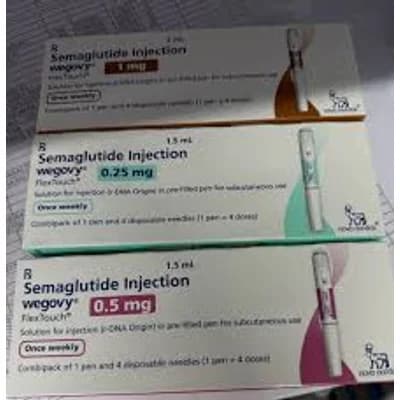
Semaglutide (Ozempic / Wegovy)
$900–$1600
Prescription
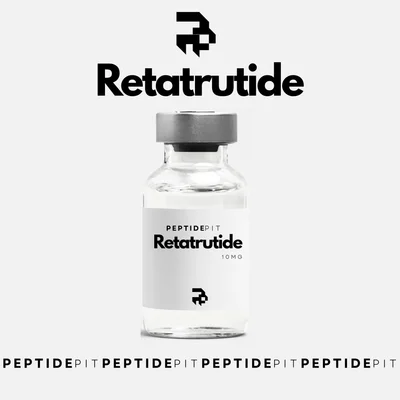
Retatrutide
Prescription
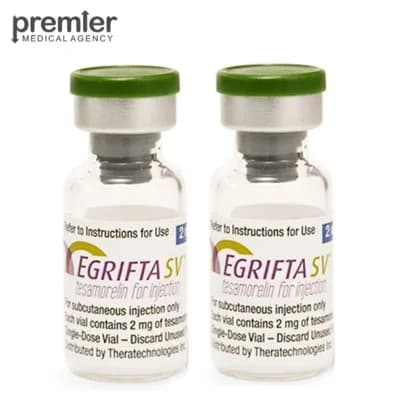
Tesamorelin (Egrifta)
$1200–$3500
Prescription
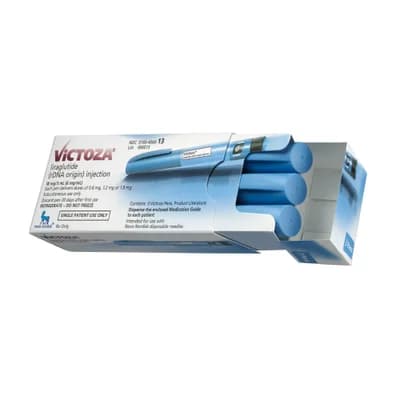
Liraglutide (Saxenda / Victoza)
$900–$1600
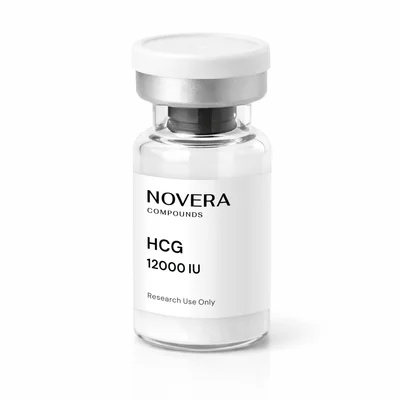
Prescription
HCG (Human Chorionic Gonadotropin)
$60–$300
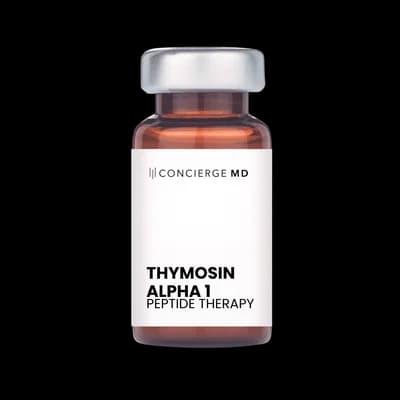
Research Peptide
Thymosin Alpha-1
$35–$90
Research Peptide
CJC-1295
$35–$85
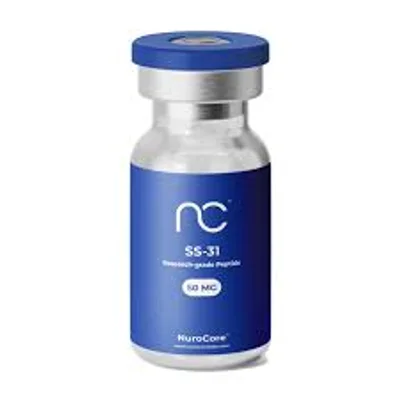
Research Peptide
SS-31 (Elamipretide)
$60–$220
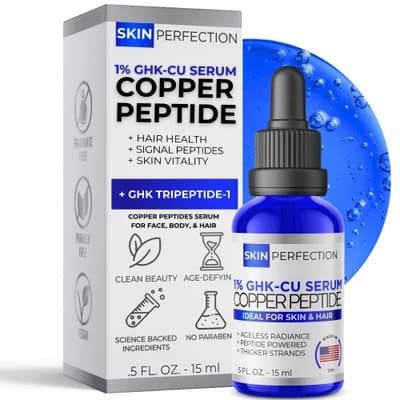
Research Peptide
GHK-Cu (Copper Peptide)
$25–$80
Research Peptide
Semax
$35–$90
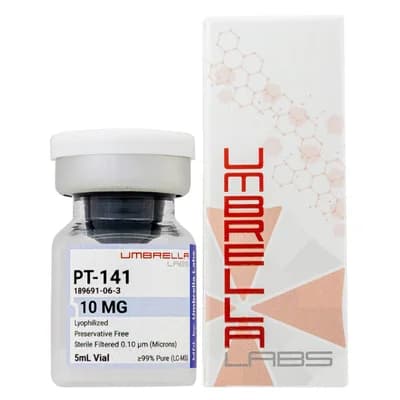
Research Peptide
PT-141 (Bremelanotide)
$35–$85
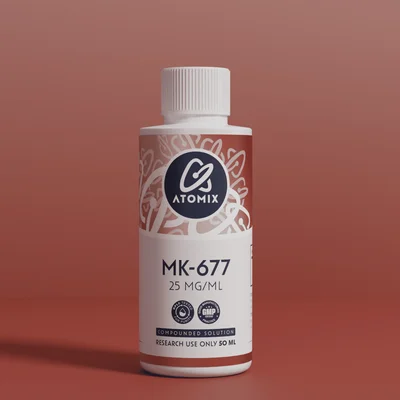
Research Peptide
MK-677 (Ibutamoren)
$35–$90
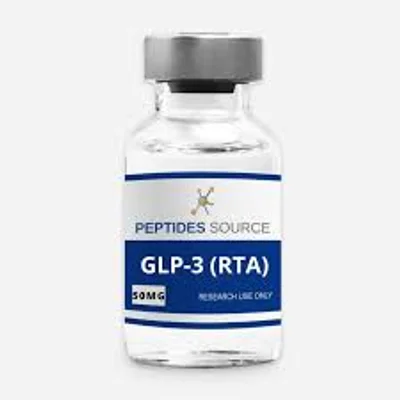
Research Peptide
Spermidine
$30–$120
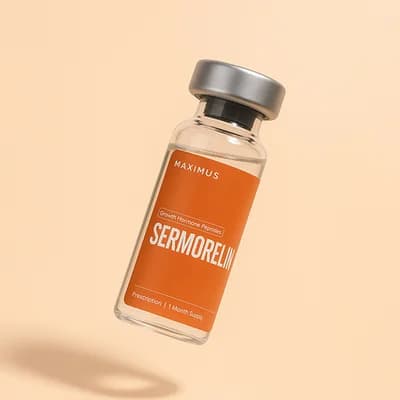
Research Peptide
Sermorelin
$35–$90
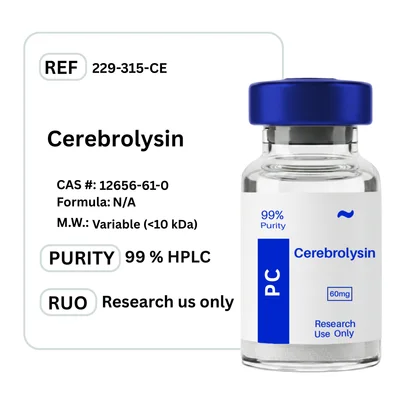
Prescription
Cerebrolysin
$80–$300
Research Peptide
GHRP-2
$18–$55
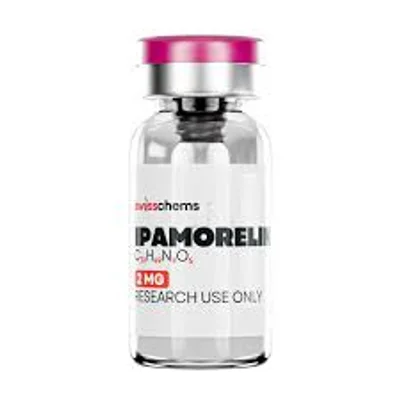
Research Peptide
Ipamorelin
$28–$75
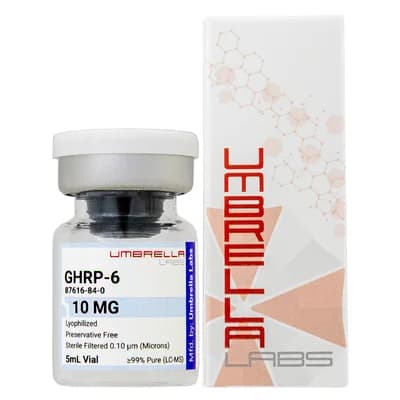
Research Peptide
GHRP-6
$18–$55
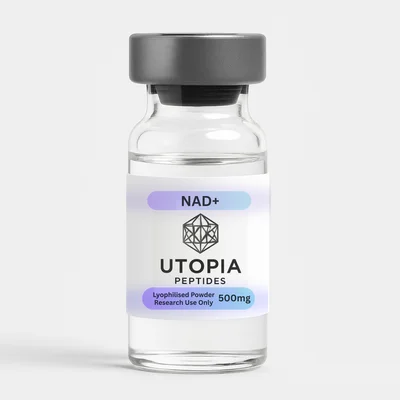
Research Peptide
NAD+ (Nicotinamide Adenine Dinucleotide)
$45–$180
Research Peptide
Hexarelin
$28–$65
Research Peptide
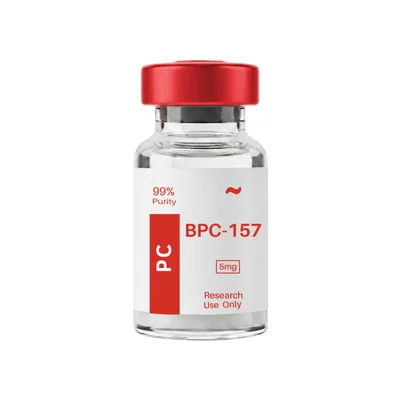
BPC-157
$35–$90
Research Peptide
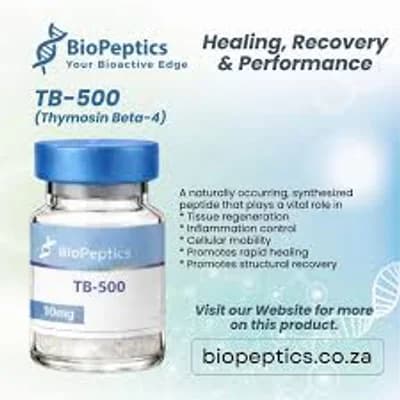
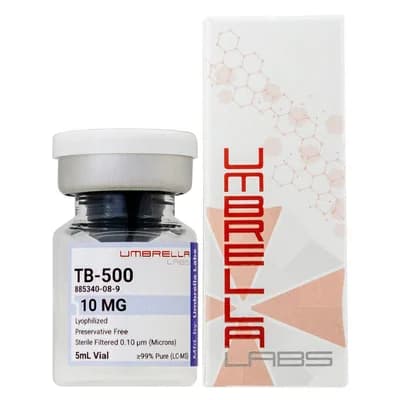
TB-500 (Thymosin Beta-4 fragment)
$35–$90
Research Peptide
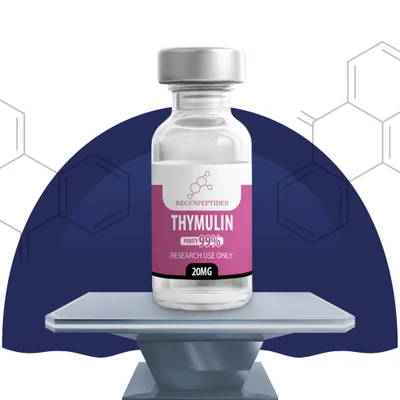
Thymalin
$35–$90
Research Peptide
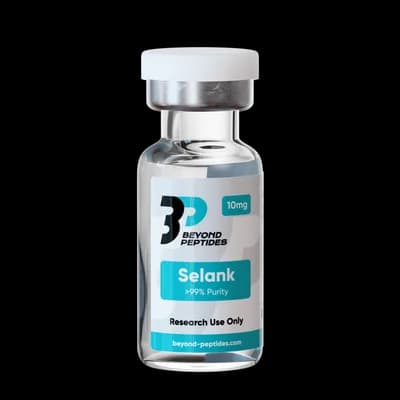
Selank
$25–$75
Research Peptide
IGF-1 LR3
$45–$120
Research Peptide
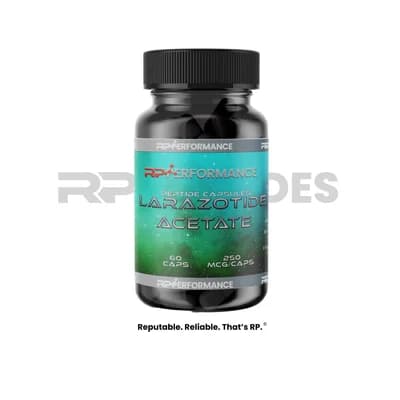
Larazotide Acetate
$35–$90
Research Peptide
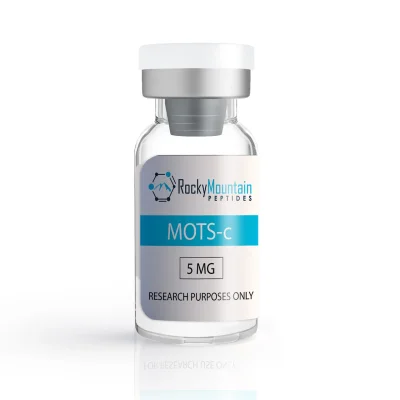
MOTS-c
$45–$120
Research Peptide
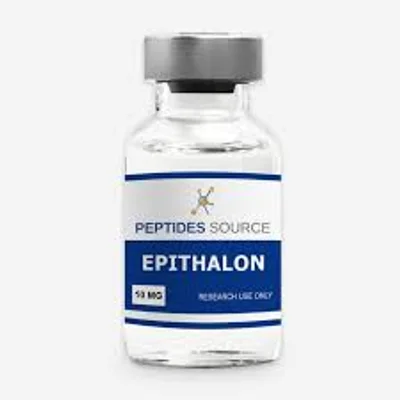
Epithalon
$35–$90
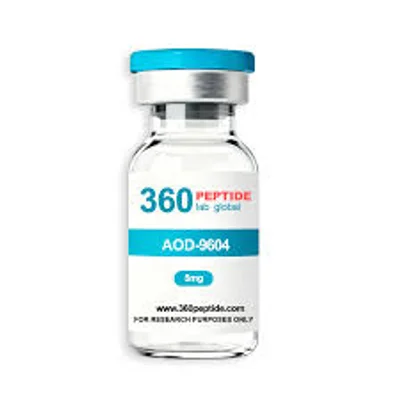
Research Peptide
AOD-9604
$35–$75
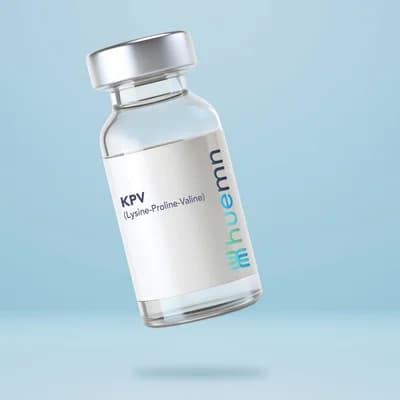
Research Peptide
KPV (Lysine-Proline-Valine)
$35–$85
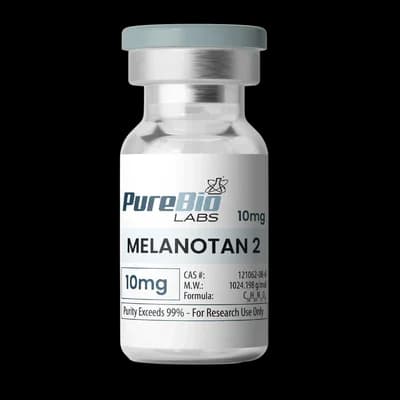
Research Peptide
Melanotan II
$25–$65
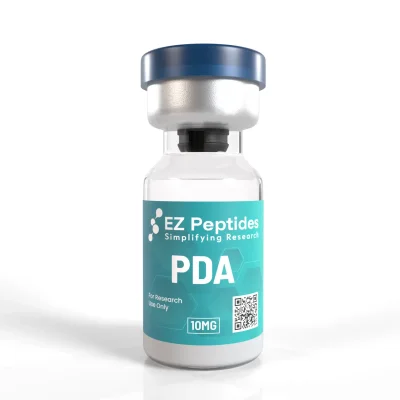
Research Peptide
Pentadeca Arginate (PDA)
$35–$85
Research Peptide
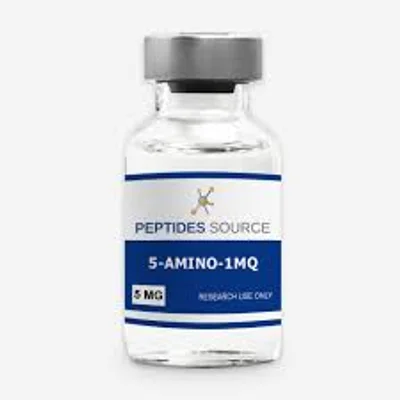
5-Amino-1MQ
$40–$120
Research Peptide
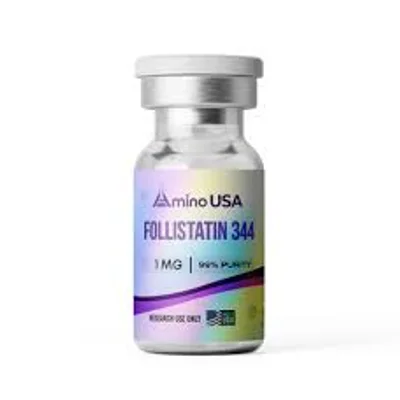
Follistatin 344
$45–$120
Research Peptide
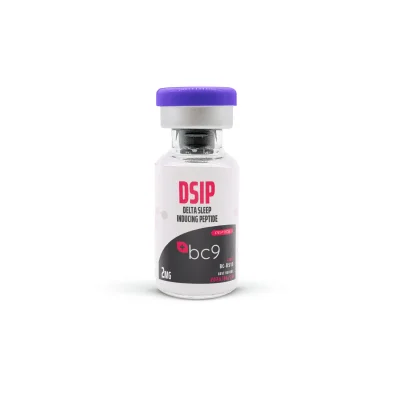
DSIP (Delta Sleep-Inducing Peptide)
$18–$45
Research Peptide
Dihexa
$40–$120
Frequently Asked Questions
What are research peptides?
Research peptides are short chains of amino acids studied for biological activity in laboratory and preclinical settings. Most are sold legally as 'research chemicals' or 'for research use only' and are NOT approved by regulatory bodies (FDA, MHRA, TGA, EMA) for human consumption. A small subset — including semaglutide (Ozempic, Wegovy), tirzepatide (Mounjaro, Zepbound), tesamorelin (Egrifta), and cerebrolysin — are approved as prescription drugs for specific indications. Peptide Guides covers both categories with appropriate framing for each.
Is BPC-157 legal?
BPC-157 is sold legally in the United States, United Kingdom, European Union, and Australia as a research chemical, NOT as a supplement or drug. The FDA has not approved BPC-157 for any human indication, and in 2023 the FDA reclassified BPC-157 as a substance not eligible for compounding into prescription medications. Possession for personal research use is generally not prosecuted, but selling it for human consumption is a regulatory violation. Importation rules vary — see our BPC-157 profile for current per-region status.
Are GLP-1 drugs the same as research peptides?
No. GLP-1 receptor agonists like semaglutide (Ozempic / Wegovy), tirzepatide (Mounjaro / Zepbound), and retatrutide are FDA-approved prescription medications dispensed through pharmacies and telehealth providers (Ro, Hims, Mochi, others). They are not 'research chemicals.' However, unregulated 'research chemical' versions of semaglutide and tirzepatide are sold online — these are illegal to use as human medications, often vary in purity, and lack the consistent dosing of the pharmacy-grade product. Peptide Guides covers GLP-1 drugs through the prescription pathway only.
How do you score peptides?
Each peptide is scored across four dimensions on a 5-point scale: Evidence (depth of human trial data, mechanism clarity, scientific consensus), Purity (availability of Certificates of Analysis, third-party testing, vendor reputation), Cost Efficiency (price per milligram, cycle cost, access friction), and Safety Profile (reported side effects, contraindications, reversibility of effects). The final 0-100 overall score is a weighted composite. Peptides with sparse human data or weak third-party verification cannot exceed certain thresholds even when other dimensions are strong.
Do you sell peptides?
No. Peptide Guides is an independent editorial publication. We do not sell, distribute, or ship peptides. When a vendor link appears on the site, it points to a third-party retailer and is marked as an affiliate link. We earn a commission on qualifying purchases through those links, but the editorial inclusion and ordering of products is not contingent on whether a vendor has an affiliate program.
Where can I learn more about a specific study?
Each peptide profile cites the strongest published evidence with author names and approximate trial sizes where available. For primary sources, we recommend PubMed (pubmed.ncbi.nlm.nih.gov) for indexed peer-reviewed research, ClinicalTrials.gov for ongoing trial registries, and the FDA Orange Book for approved-drug status. Where a study is unverifiable or relies on anecdotal user reports, we label it as such — we do not cite studies we cannot verify.