
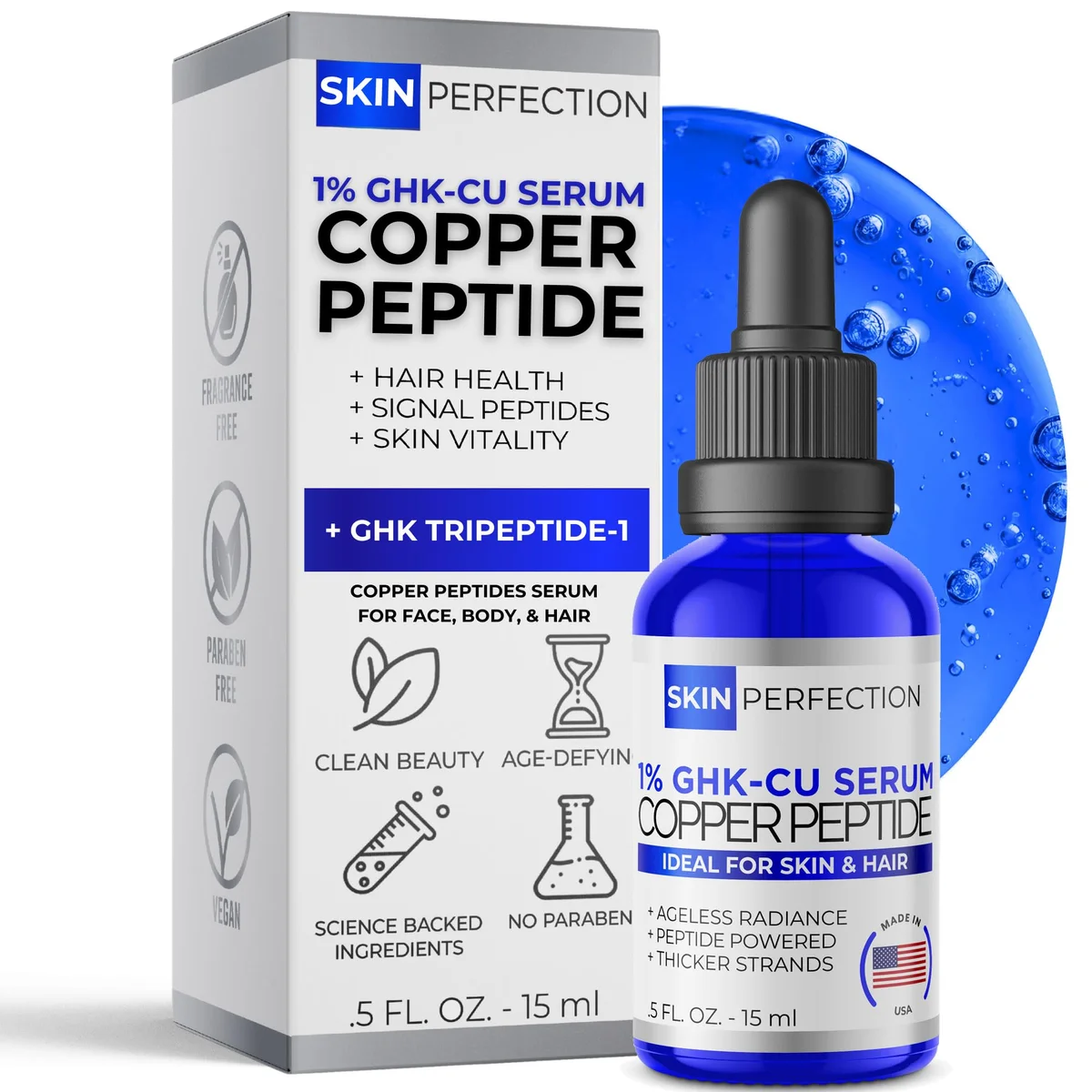
Research Peptide
GHK-Cu (Copper Peptide)
Endogenous copper complex with broad regenerative signaling
“An endogenous copper-chelating tripeptide with one of the broadest mechanistic research profiles in the peptide space, best supported for topical skin applications.”
Last updated: April 23, 2026
Score Breakdown
Evidence
Purity
Cost Efficiency
Safety Profile
Pros & Cons
Pros
- Endogenous molecule with decades of published research dating to 1973, providing a credible mechanistic foundation
- Topical dermatological evidence base is comparatively robust for a research peptide, with multiple small human RCTs supporting skin-remodeling signals
- Favorable preliminary safety profile — no serious adverse events documented in published trials at studied doses
- Unusually broad mechanistic research footprint spanning wound healing, antioxidant signaling, and gene expression modulation
Cons
- Injectable human evidence is essentially nonexistent in peer-reviewed literature — systemic use-cases rest almost entirely on animal and in vitro data
- The 'influences 4,000 genes' claim, while frequently cited, originates from a computational connectivity map analysis and should not be interpreted as established clinical benefit
- Copper chelation verification is rarely confirmed in vendor COAs, creating meaningful quality-assurance gaps for the injectable research market
Best For
- Researchers investigating topical collagen synthesis modulation and skin aging biomarkers
- Wound-healing and tissue-repair research models where fibroblast activity is a primary endpoint
- Longevity-oriented researchers tracking age-related decline in endogenous peptide levels as part of broader biomarker panels
Avoid If
- Active copper metabolism disorders such as Wilson's disease, where exogenous copper loading carries documented risk
- Sourcing from vendors unable to provide HPLC, mass spectrometry, and copper-chelation verification in their COA — the intact complex is essential to proposed bioactivity
Full Review
GHK-Cu (glycyl-L-histidyl-L-lysine copper(II)) is an endogenous tripeptide that naturally chelates copper ions and is found in human plasma, saliva, and urine. It was first identified by Loren Pickart in 1973 and belongs to the copper peptide class — a small category of peptides defined by their ability to coordinate divalent copper into a biologically active complex. Unlike synthetic research peptides with no endogenous analog, GHK-Cu is a molecule the human body actually produces, with plasma concentrations declining measurably with age: from approximately 200 ng/mL in young adults to roughly 80 ng/mL in older populations. This age-related decline has made it a point of interest in longevity-oriented research, though causality between falling GHK-Cu levels and aging phenotypes has not been established in controlled human studies.
Research into GHK-Cu's mechanism of action describes a remarkably wide range of proposed biological activities. Studies in cell culture and animal models suggest it stimulates fibroblast proliferation and collagen synthesis, activates superoxide dismutase and other antioxidant pathways, promotes angiogenesis, and modulates TGF-beta signaling involved in wound contraction. A 2012 gene expression analysis by Pickart and colleagues, using the Broad Institute's Connectivity Map dataset, reportedly identified GHK-Cu as influencing the expression of over 4,000 human genes — a finding that is frequently cited in pro-GHK-Cu literature but should be interpreted cautiously, as gene expression changes in computational datasets do not directly translate to functional clinical outcomes. The copper-binding component appears essential: dephosphorylated or copper-free analogs show substantially reduced activity in most assay models.
The evidence base is meaningfully tiered. Human clinical evidence is primarily confined to dermatological applications: several small randomized controlled trials (typically 20–60 participants, durations of 8–12 weeks) have examined topical GHK-Cu formulations for skin parameters including wrinkle depth, skin laxity, and collagen density, with results generally favoring GHK-Cu over vehicle control, though blinding quality and industry funding sources warrant appropriate skepticism. Injectable GHK-Cu research in humans is sparse and largely anecdotal; the injectable use-case that circulates in biohacker communities is almost entirely extrapolated from animal wound-healing data and in vitro fibroblast studies. Animal models — predominantly rodent wound healing and alopecia models — show more consistent positive findings, including accelerated wound closure, increased vessel density, and promotion of hair follicle cycling. These results are promising but cannot be directly transposed to human systemic use. User self-reports from online communities describe applications ranging from subcutaneous injection at wound sites to intranasal administration for potential CNS effects, but these reports lack any systematic collection methodology and should be treated as hypothesis-generating at best.
Dosing ranges reported in research contexts vary considerably by application and route. Topical cosmetic formulations have used concentrations ranging from 0.1% to 2% GHK-Cu by weight, applied once or twice daily in published dermatological trials. Injectable doses reported in preclinical animal studies range broadly; human injectable use reported anecdotally in research communities often cites 1–2 mg per injection, subcutaneous, several times per week, but this range is drawn from user forums rather than controlled human trial data. This information is reported strictly in a research context and constitutes no dosing recommendation whatsoever — any decision to administer GHK-Cu via any route should involve a qualified medical professional and is outside the scope of this publication.
For educational purposes only: GHK-Cu occupies an unusual regulatory position. As an endogenous human peptide, it is not classified as a controlled substance in the United States, United Kingdom, EU member states, or Australia. In the US, it exists as an unregulated research chemical when sold for non-therapeutic purposes; it is not FDA-approved for any indication. Topical cosmetic products containing GHK-Cu are legal to sell in most jurisdictions under cosmetics regulation, but injectable preparations sold for human use occupy a legally grey area. Sourcing considerations for research-grade GHK-Cu should prioritize vendors providing HPLC and mass spectrometry COAs confirming peptide identity, purity above 98%, and copper chelation verification — the latter being particularly important since the biological activity depends on the intact copper complex. Absence of a verifiable COA from an accredited third-party laboratory is a significant red flag regardless of vendor claims.
Details
Reviews
No reviews yet. Be the first to share your experience.
Featured In
PROTOCOL-FRAMEWORK
Peptide Dosing Ranges Reported in Research: A Protocol Framework Reference (Not a Recommendation)
Peptide dosing ranges reported in published research span five evidence tiers, from FDA-approved Phase III RCT data (tirzepatide, semaglutide, tesamorelin) down to compounds where credible human dosing data is essentially absent. The strongest dataset belongs to tirzepatide, where SURMOUNT-1 (n=2,539, 72 weeks) reported approximately 20.9% mean body weight reduction at the 15 mg weekly dose versus placebo. Tier 1 compounds are prescription drugs accessed through licensed prescribers; Tiers 3–5 (including BPC-157, GHK-Cu, and ipamorelin) are not approved by the FDA, MHRA, TGA, or EMA for human therapeutic use.
STACK
The Skin and Anti-Aging Peptide Stack: GHK-Cu, BPC-157, Pentadeca Arginate, and KPV in Research (2026 Guide)
GHK-Cu is the strongest compound in this stack on evidence quality alone - it's the only one with multiple small human RCTs, decades of published mechanistic research dating back to 1973, and a reasonably clean preliminary safety profile across topical and in vitro models. The other three compounds are preclinical-only, which makes GHK-Cu the clearest anchor for any researcher building a skin and recovery peptide stack in 2026.
CATEGORY-OVERVIEW
Longevity and Anti-Aging Peptides: The 2026 Research Landscape — A Complete Category Overview
If you're evaluating longevity peptides by evidence quality rather than marketing copy, SS-31 (Elamipretide) is the most evidentially grounded research-chemical-status compound in this category. It's completed registered Phase II and Phase III human trials, has a well-characterized mitochondrial mechanism, and has a documented safety profile - though its Phase III primary endpoint failure means the clinical translation question is still genuinely open.
HOW TO
Peptides 101: A Beginner's Guide to the Research Landscape (2026 Edition)
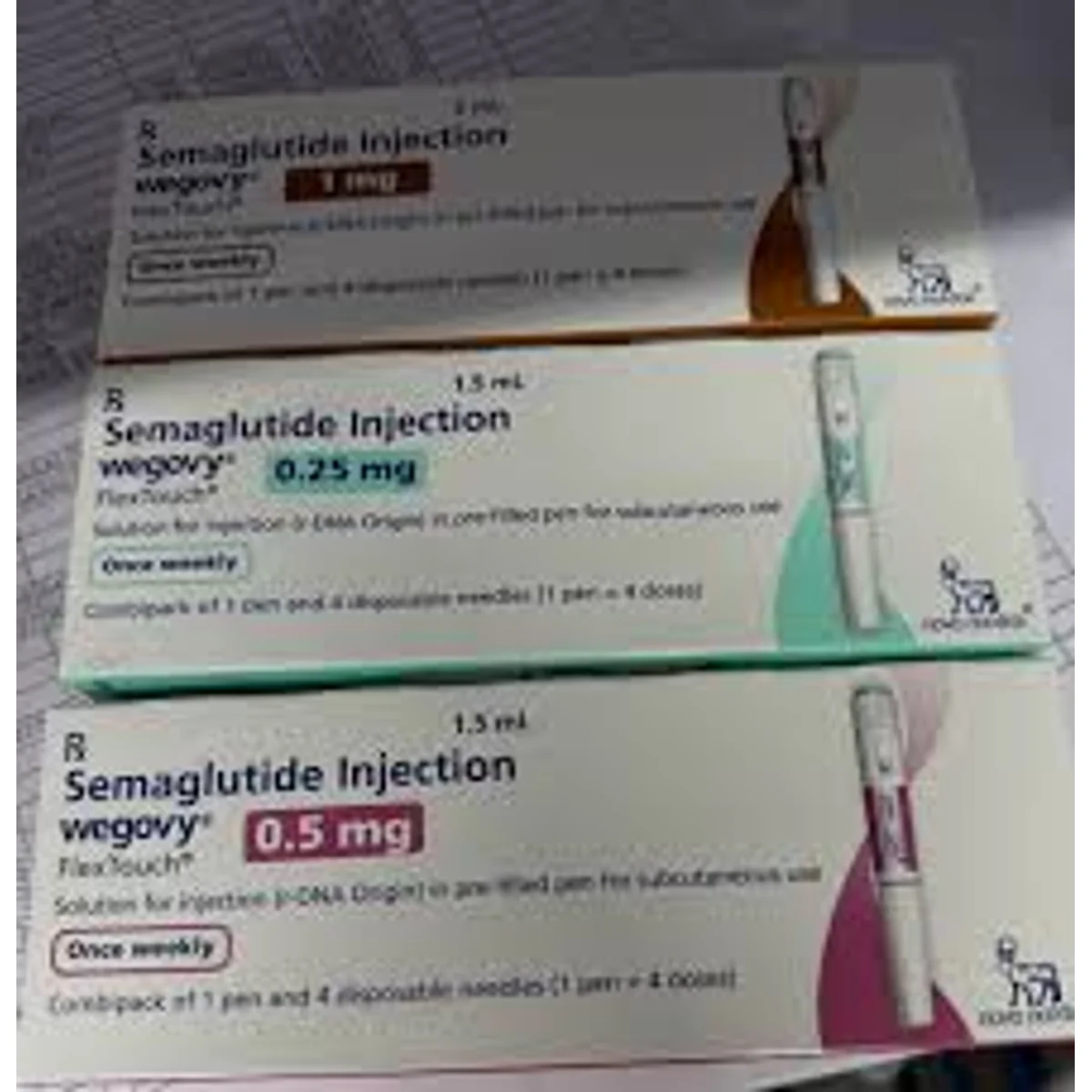
Peptides are short chains of amino acids (typically fewer than 50) linked by peptide bonds, ranging from endogenous molecules like the tripeptide GHK-Cu to synthetic analogs engineered for receptor selectivity or extended half-life. The evidence behind specific peptides varies dramatically: semaglutide is FDA-approved and supported by Phase III trials with sample sizes in the thousands, while compounds like BPC-157 remain research chemicals with little or no human trial data. Evaluating any peptide claim requires matching it to a standard evidence hierarchy, where in vitro and rodent findings sit far below replicated randomized controlled trials.
COMPARISON
BPC-157 vs GHK-Cu: Two Research Peptides, Two Approaches to Tissue and Skin Repair
BPC-157 and GHK-Cu are two distinct research peptides often compared for tissue repair, but they occupy different evidence positions. GHK-Cu is an endogenous copper-binding tripeptide first isolated from human plasma in 1973, with multiple small human randomized controlled trials supporting its topical dermatological use and documented plasma decline from about 200 ng/mL in young adults to 80 ng/mL by age 60. BPC-157 is a synthetic 15-amino-acid construct derived from human gastric juice protein, supported largely by rodent studies with zero completed human RCTs as of mid-2026. Neither is approved for human therapeutic use.
HOW TO
How to Read a Peptide Certificate of Analysis (COA): A Researcher's Field Guide
A peptide Certificate of Analysis (COA) is a laboratory-issued document reporting identity, purity, and safety testing for a specific batch of compound, answering three questions: is it the right compound, how much is present, and is it safe to handle. Prescription peptides like semaglutide are manufactured under FDA-enforced GMP standards with legally accountable COAs, while research chemicals such as BPC-157 and GHK-Cu carry no mandated COA content, making ISO 17025 laboratory accreditation, HPLC purity, mass spectrometry identity confirmation, and endotoxin testing the key fields researchers must evaluate independently.
PEPTIDE-PROFILE
GHK-Cu (Copper Peptide) Explained: A Research Summary of Evidence, Mechanisms, and Limitations
GHK-Cu is a naturally occurring copper-chelating tripeptide (glycyl-L-histidyl-L-lysine bound to copper(II)) first isolated from human plasma albumin in 1973 by Loren Pickart, with plasma concentrations reported to decline from roughly 200 ng/mL in young adults to around 80 ng/mL in those over 60. It is not approved by the FDA, MHRA, TGA, or EMA for any therapeutic indication and is sold in most jurisdictions as a research chemical. Published research includes in vitro fibroblast and antioxidant studies, animal wound-healing models, and several small human randomized controlled trials of topical formulations.