Prescription
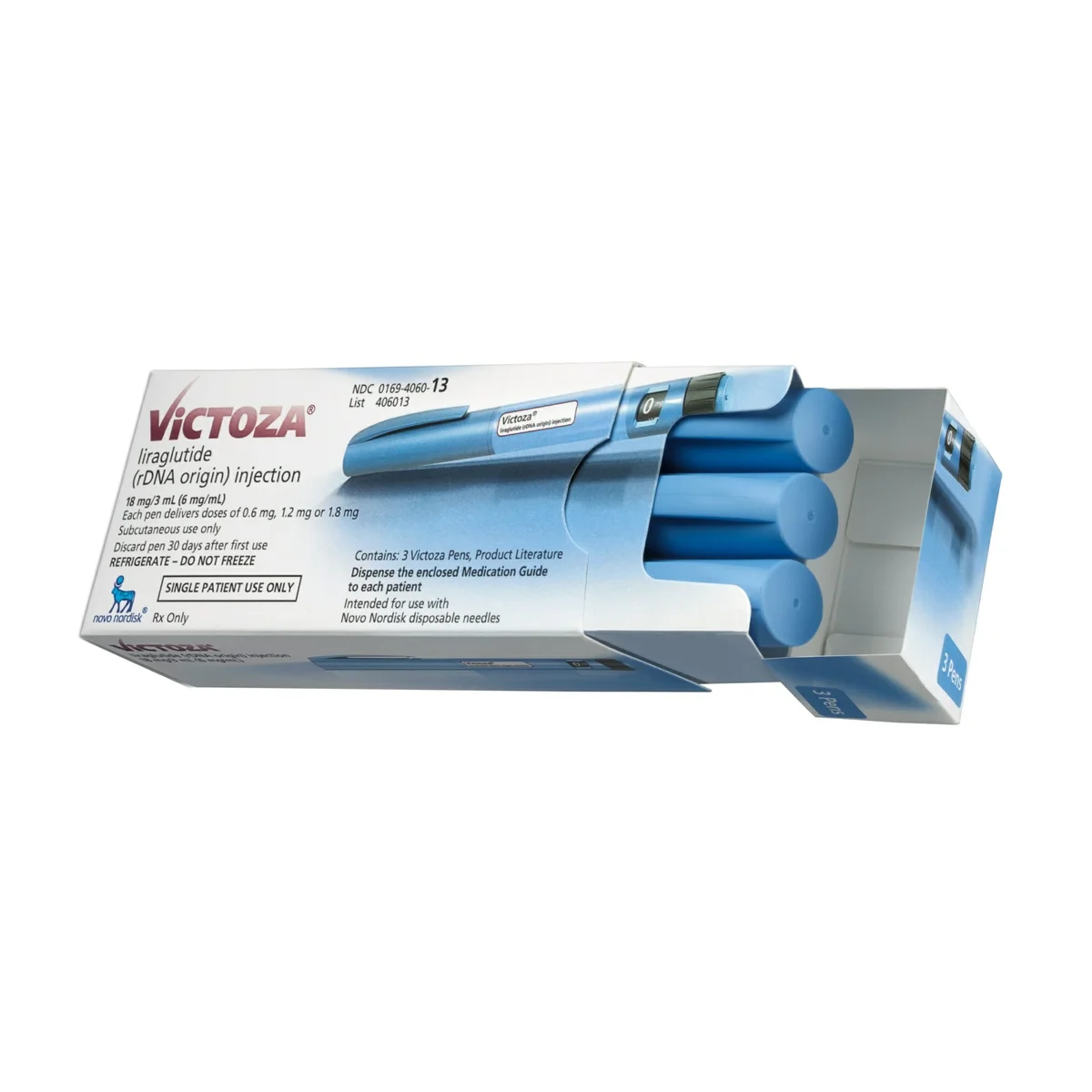
Liraglutide (Saxenda / Victoza)
First-generation GLP-1 agonist with robust clinical backing
“The well-validated first-generation GLP-1 agonist — clinically approved, daily-dosed, and backed by some of the largest metabolic RCTs ever conducted.”
Last updated: June 1, 2026
Score Breakdown
Evidence
Purity
Cost Efficiency
Safety Profile
Pros & Cons
Pros
- Extensive human RCT evidence base including long-term cardiovascular outcomes data (LEADER trial)
- Fully approved by FDA, EMA, MHRA, and TGA — pharmaceutical-grade supply chain ensures purity and sterility
- Established titration protocol reduces GI side effects and is well understood by clinicians
- Demonstrated HbA1c reduction (~1.0–1.5 pp) and weight loss (~8% body weight) in large-scale trials
Cons
- Daily injection requirement significantly reduces adherence versus once-weekly semaglutide or tirzepatide
- High list price (~$900–$1,600/month without insurance) and limited generic availability constrain access
- Efficacy ceiling notably lower than semaglutide 2.4 mg (STEP trials ~15%) or tirzepatide (SURMOUNT trials ~20–22%)
Best For
- Individuals with type 2 diabetes seeking glycemic control via a well-established, clinically supervised GLP-1 pathway
- Patients with obesity or overweight with comorbidities who qualify for Saxenda and are managed by a prescriber
- Those with established cardiovascular disease or high CV risk where the LEADER trial cardiovascular data is clinically relevant
Avoid If
- Personal or family history of medullary thyroid carcinoma or Multiple Endocrine Neoplasia syndrome type 2 (MEN 2) — black box warning
- History of serious hypersensitivity reactions to liraglutide or excipients; use with caution in pancreatitis history
Full Review
Liraglutide is a GLP-1 (glucagon-like peptide-1) receptor agonist — a class of acylated peptide analogs engineered to mimic and extend the action of the endogenous incretin hormone GLP-1. Developed by Novo Nordisk and first approved in 2010, it is a 97% homologous analog of native GLP-1 with a C-18 fatty acid chain attached via a glutamic acid linker, which enables albumin binding and extends its plasma half-life to approximately 13 hours — enabling once-daily subcutaneous dosing. It belongs to the same broader GLP-1 agonist class as semaglutide and dulaglutide but predates them in clinical approval. Unlike semaglutide, which can be dosed weekly, liraglutide requires daily injection, which influences real-world adherence. Two distinct formulations exist: Victoza (1.2–1.8 mg/day), approved for type 2 diabetes, and Saxenda (up to 3.0 mg/day), approved specifically for chronic weight management in adults with obesity or overweight with at least one weight-related comorbidity.
Liraglutide's mechanism of action is well characterized. It binds to and activates GLP-1 receptors distributed across the pancreas, brain, gastrointestinal tract, and cardiovascular system. In pancreatic beta cells, activation stimulates glucose-dependent insulin secretion and suppresses glucagon release, reducing postprandial glucose excursions. In the hypothalamus and brainstem, GLP-1 receptor signaling — particularly in the arcuate nucleus and nucleus tractus solitarius — is associated with reduced appetite and increased satiety signaling. Gastric emptying is slowed, which blunts postprandial glucose spikes and prolongs the sensation of fullness. Collectively, research suggests these mechanisms converge to reduce caloric intake and improve glycemic homeostasis, rather than driving weight loss through any direct thermogenic or lipolytic pathway.
The evidence base for liraglutide in humans is among the deepest of any metabolic peptide. The SCALE Obesity and Prediabetes trial (n=3,731, 56 weeks) reported a mean weight loss of approximately 8.0% of body weight in participants receiving 3.0 mg liraglutide, compared to approximately 2.6% with placebo; 63% of treated participants achieved ≥5% body weight reduction. The LEADER cardiovascular outcomes trial (n=9,340, median 3.8 years) demonstrated a statistically significant reduction in major adverse cardiovascular events (MACE) in adults with type 2 diabetes and high cardiovascular risk, establishing a cardiovascular benefit signal that has influenced prescribing practice. Multiple additional RCTs support HbA1c reductions of approximately 1.0–1.5 percentage points at therapeutic doses. Animal studies preceded clinical use and established the basic receptor pharmacology; findings in rodent models regarding neurogenesis and potential neuroprotective effects have been noted but not confirmed in human trials to date. Anecdotal self-reports from users commonly describe appetite suppression, early satiety, and GI discomfort as the most noticeable subjective effects.
In published clinical research, liraglutide doses studied range from 0.6 mg/day (initial titration) to 3.0 mg/day (maximum approved weight-management dose), with titration typically occurring in 0.6 mg weekly increments to reduce gastrointestinal side effects. The diabetes indication uses 1.2–1.8 mg/day. These ranges are reported in research and regulatory contexts only — this is not a dosing recommendation, and liraglutide should only be used under supervision of a licensed prescriber who can assess individual risk factors, contraindications, and therapeutic goals. No aspect of this profile constitutes medical advice.
Liraglutide is FDA-approved (Saxenda since 2014, Victoza since 2010), EMA-approved, MHRA-approved, and TGA-approved in Australia. It is a prescription-only medication in all major jurisdictions. Unlike many peptides covered on this platform, it is not a research chemical — it should not be sourced from grey-market vendors, and any versions circulating outside the pharmaceutical supply chain lack the regulatory manufacturing oversight that ensures purity, sterility, and accurate dosing. The appropriate pathway is via a licensed prescriber, either in-clinic or through a regulated telehealth provider. Compounded liraglutide preparations exist but carry additional regulatory and quality considerations that vary by jurisdiction. For educational purposes only — this content does not constitute medical advice or a recommendation to use liraglutide.
Details
Reviews
No reviews yet. Be the first to share your experience.