
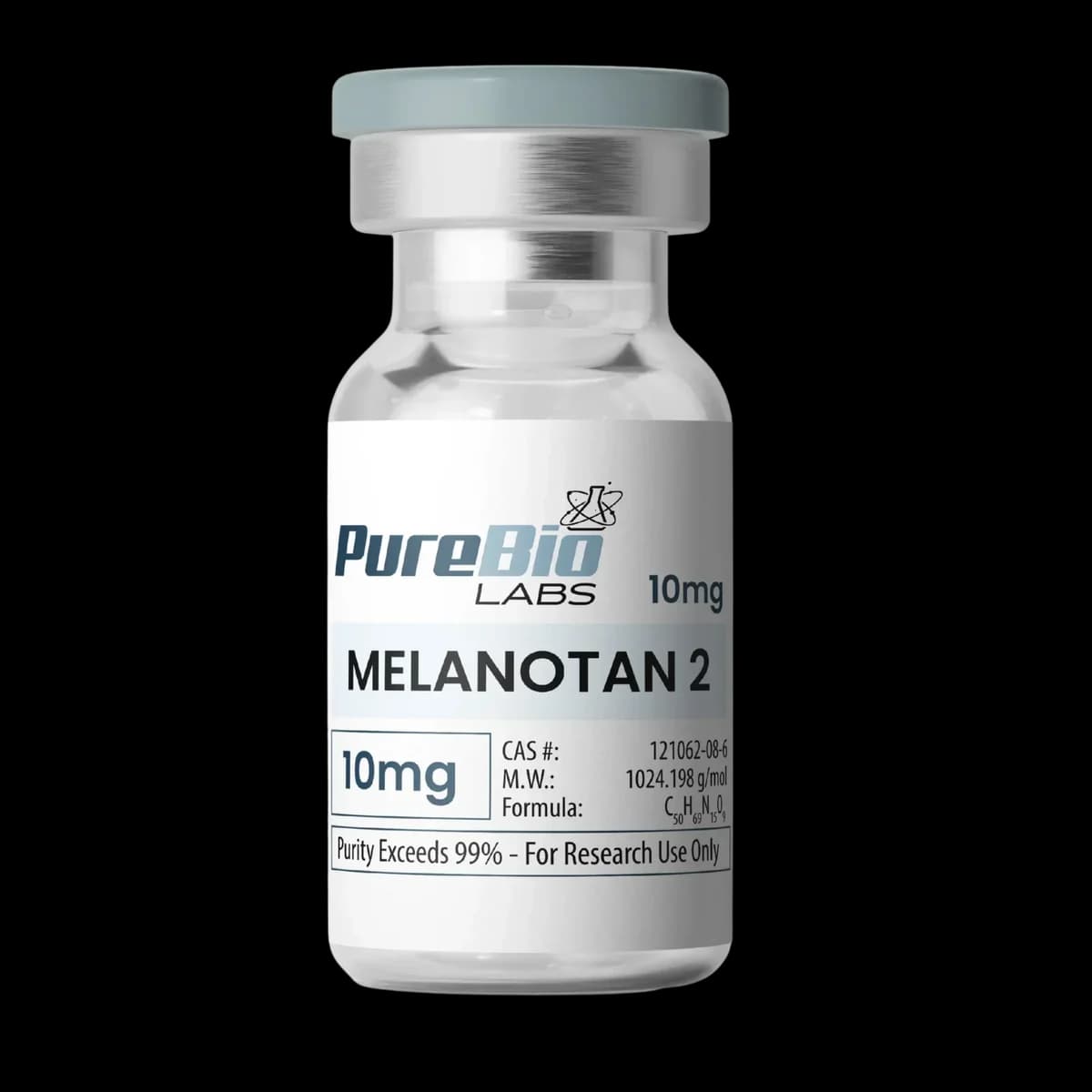
Research Peptide
Melanotan II
Melanocortin agonist studied for pigmentation and sexual function
“A broad-spectrum melanocortin agonist with some of the most documented — and most cautionary — human trial data in the research peptide space.”
Last updated: April 23, 2026
Score Breakdown
Evidence
Purity
Cost Efficiency
Safety Profile
Pros & Cons
Pros
- Among the best-documented research peptides for erectogenic effects in small human trials
- Well-characterized mechanism of action across multiple melanocortin receptor subtypes
- Relatively low per-vial cost compared to many other research peptides
- Derivative compound (bremelanotide/PT-141) achieved FDA approval, validating the mechanistic pathway
Cons
- High incidence of nausea and vomiting documented in human trials, even at research doses
- Theoretical and debated risk of stimulating melanocyte proliferation and accelerating nevi changes
- Illegal for unlicensed supply or human use in Australia and several other jurisdictions; regulatory gray area in US and UK
- No selective receptor targeting — broad MC receptor agonism produces a wide and often unwanted constellation of effects simultaneously
Best For
- Researchers studying melanocortin receptor pharmacology and pigmentation biology
- Preclinical investigation of hypothalamic pathways involved in sexual arousal and appetite regulation
- Comparative research contexts examining MT-II against the approved derivative bremelanotide (PT-141)
Avoid If
- Personal or family history of melanoma or multiple atypical nevi — theoretical MC1R-driven melanocyte stimulation is a documented concern in dermatological literature
- Cardiovascular conditions or hypertension — anecdotal and some trial reports suggest transient blood pressure elevation
- Seeking an approved therapeutic option for erectile dysfunction or sexual dysfunction — consult a licensed physician regarding approved alternatives
Full Review
Melanotan II is a cyclic analog of the endogenous peptide alpha-melanocyte-stimulating hormone (α-MSH), synthesized at the University of Arizona by Dr. Victor Hruby and colleagues in the late 1980s and early 1990s. It belongs to the melanocortin peptide class and was initially conceived as a way to induce skin tanning without ultraviolet radiation exposure, with the theoretical benefit of reducing UV-related skin cancer risk. The compound is structurally distinct from the linear α-MSH molecule; its cyclic configuration confers greater receptor-binding affinity and metabolic stability, which also contributes to its potency and prolonged duration of action relative to its endogenous counterpart. A related but distinct compound, PT-141 (bremelanotide), was later derived from MT-II's observed sexual side effects and has since received FDA approval for hypoactive sexual desire disorder in women — a distinction important for understanding MT-II's lineage, though MT-II itself remains unapproved.
MT-II exerts its effects primarily through agonism at melanocortin receptors, a family of G-protein-coupled receptors distributed throughout the body. MC1R activation in melanocytes drives eumelanin (brown/black pigment) production, which research suggests can deepen skin pigmentation even in the absence of UV exposure. MC3R and MC4R activity in the central nervous system is associated with appetite suppression and energy homeostasis, while MC4R signaling — particularly in the paraventricular nucleus of the hypothalamus — appears to mediate the pro-erectile and pro-arousal effects observed in research. MC5R has been implicated in exocrine gland function. This broad receptor non-selectivity is central to understanding both MT-II's multi-domain appeal in research contexts and its correspondingly wide side-effect profile; there is no clean pharmacological separation between its desired and undesired effects.
The human trial evidence for MT-II is more extensive than for many unscheduled research peptides, though it remains preliminary by regulatory standards. A landmark double-blind, placebo-controlled crossover study published in 1996 (Wessells et al., Journal of Urology, n=10) demonstrated that subcutaneous MT-II produced penile erections in men with psychogenic and organic erectile dysfunction, with effects observed at doses as low as 0.025 mg/kg. Subsequent trials, including a 2000 crossover study (Molinoff et al., Annals of the New York Academy of Sciences), corroborated significant pro-erectile effects but also documented a high incidence of nausea and facial flushing. Skin-tanning effects have been documented in human subjects, with one University of Arizona trial reporting measurable increases in skin melanin density following repeated MT-II administration. Animal studies — predominantly in rodents — have consistently shown appetite suppression, increased sexual behavior, and melanin upregulation, providing mechanistic context for the human observations. The vast majority of claims circulating in self-experimenter communities regarding fat loss, libido enhancement, and cosmetic tanning are based on anecdotal self-reports and should be interpreted accordingly; these are not controlled trial findings.
Dosing ranges reported in published research contexts have varied. The Wessells 1996 trial used weight-based dosing of approximately 0.025 mg/kg administered subcutaneously. In self-reported community usage, doses ranging from 250 mcg to 1 mg per administration are frequently cited, often via subcutaneous injection following lyophilized powder reconstitution with bacteriostatic water. Intranasal administration has also been explored in research settings, though bioavailability via this route is considered significantly lower. IMPORTANT: All dosing information presented here is reported from published research contexts and community documentation for educational purposes only. It does not constitute a recommendation, and Peptide Guides does not endorse or advise human use of MT-II in any context.
From a legal and sourcing standpoint, MT-II occupies an ambiguous but not benign regulatory position. In the United States, it is not FDA-approved, not DEA-scheduled under the Controlled Substances Act, and is technically sold as a research chemical — though the FDA has issued warning letters to vendors marketing it with implied human-use claims. In the United Kingdom, MT-II is not a controlled substance under the Misuse of Drugs Act but is subject to medicines law if sold for human use; importation and supply for human consumption may constitute an offense under the Medicines Act 1968. In Australia, it is listed on the Therapeutic Goods Administration's (TGA) Poisons Standard and is classified as a Schedule 4 prescription-only medicine, making unlicensed supply illegal. The EU position varies by member state but generally prohibits sale for human use without marketing authorization. Prospective buyers reviewing vendor COAs should expect HPLC and mass spectrometry purity documentation above 98%, with clearly stated peptide sequence confirmation; vials lacking lot-specific COAs from named third-party laboratories represent a significant quality and safety concern. The safety profile of MT-II is not trivial: nausea and vomiting are commonly reported — occurring in the majority of trial participants at higher doses — alongside facial flushing, spontaneous erections (often unwanted in context), fatigue, and yawning. Longer-term concerns include the potential for stimulating existing nevi (moles) and theoretical melanoma risk via MC1R-driven melanocyte proliferation, which has prompted dermatological caution in most clinical commentary. This content is provided for educational and research-informational purposes only and does not constitute medical advice.
Details
Reviews
No reviews yet. Be the first to share your experience.
Featured In
LEGAL-LANDSCAPE
Research Peptide Legal Status: US, UK, EU, and Australia Compared (2026 Guide)
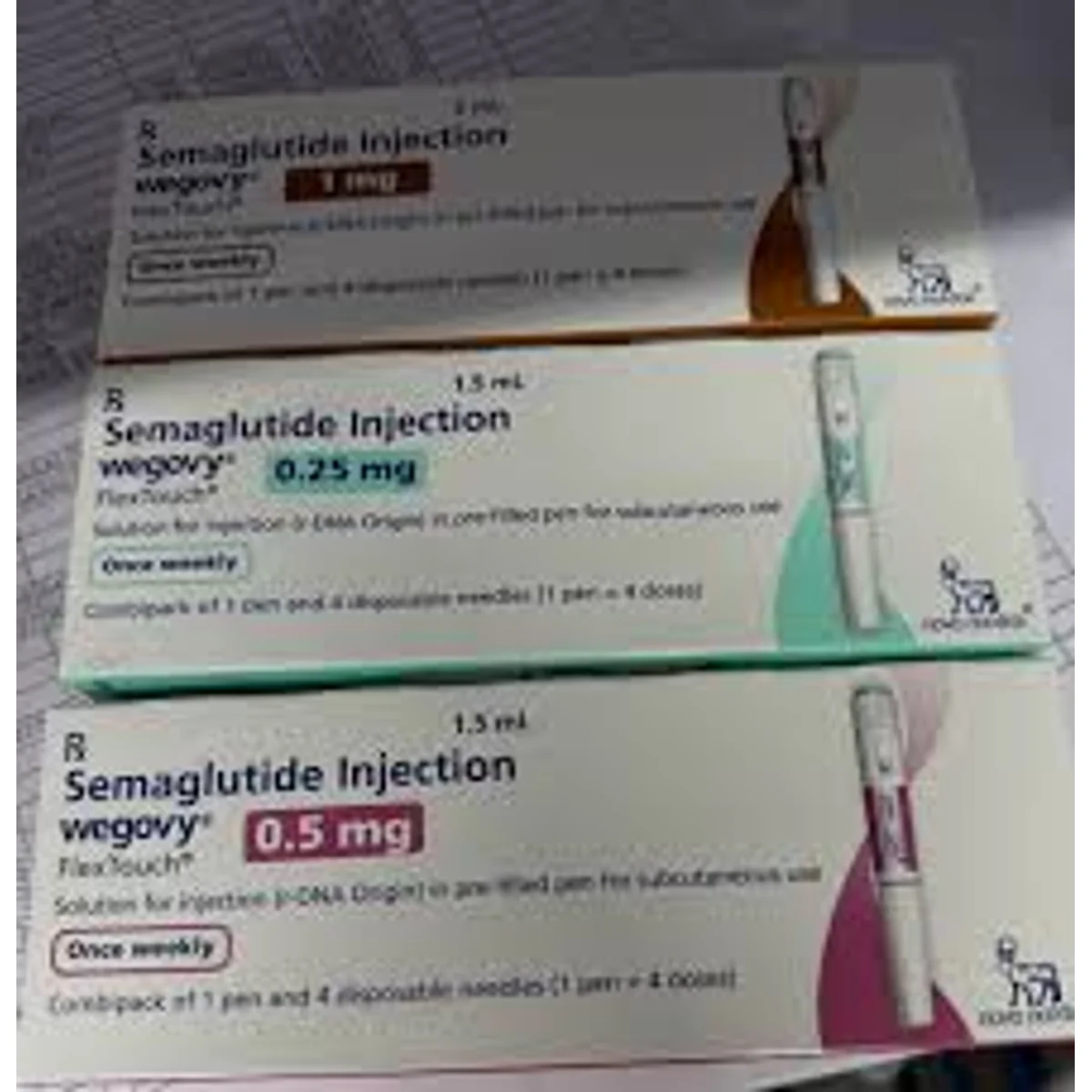
Peptide legal status varies sharply across jurisdictions because no single international framework governs research peptides, leaving classification to national regimes including the US FDA (FD&C Act), UK MHRA (Medicines Act 1968), EU EMA, and Australia's TGA. Semaglutide is FDA-approved and available by prescription across all four jurisdictions, while compounds like BPC-157, TB-500, and Melanotan II are flagged by the MHRA as unlicensed medicines whose supply is a criminal offense in the UK and are scheduled or restricted in Australia, despite occupying a fragile gray-zone "research chemical" status in the US.
PEPTIDE-PROFILE
Melanotan II: What the Research Shows — and Why the Safety Record Matters
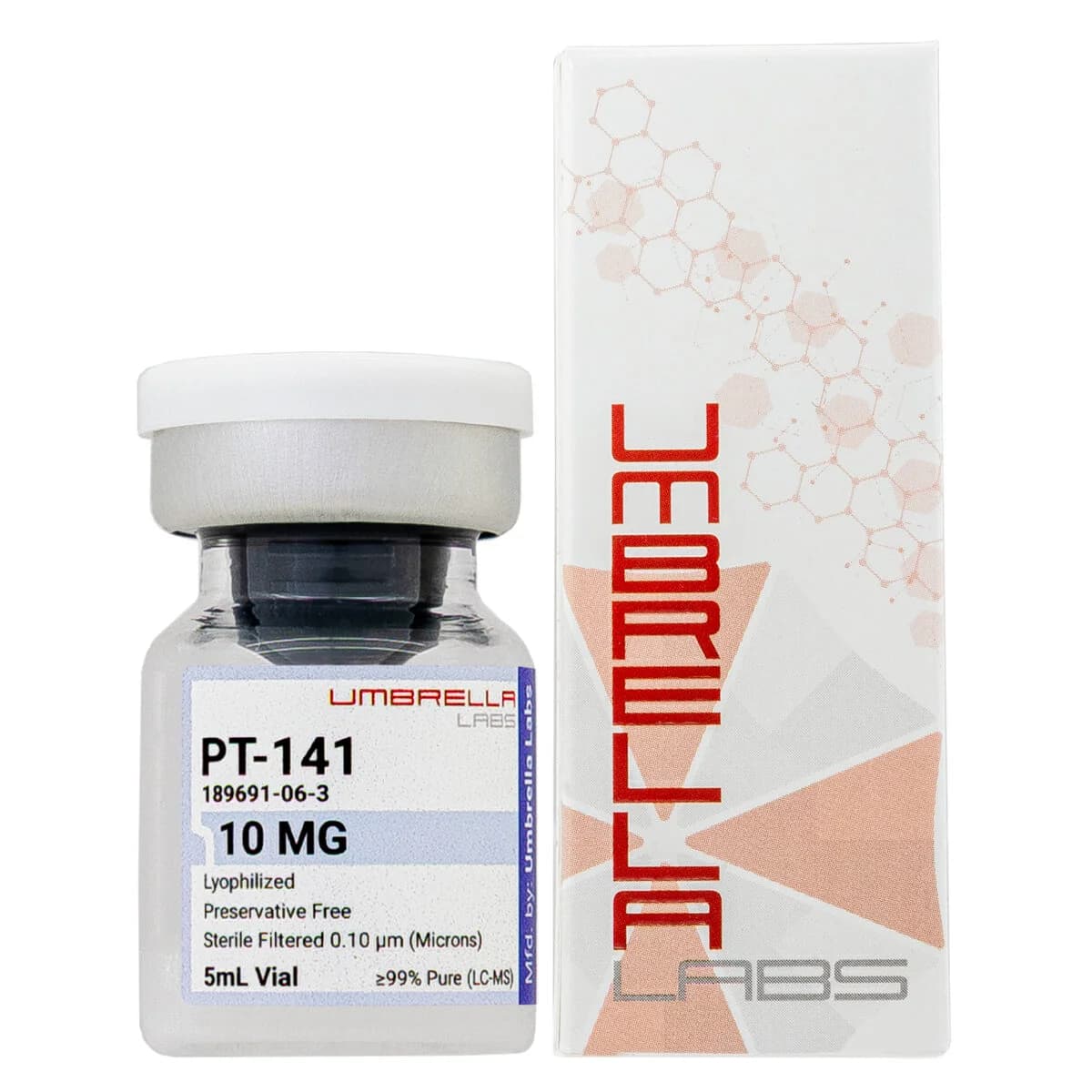
Melanotan II is a synthetic cyclic analog of alpha-MSH with real human trial data - small University of Arizona studies in the 1990s documented pigmentation and erectile effects - and an equally real adverse-event record: consistent dose-dependent nausea, flushing, spontaneous erections, and a growing cluster of case reports linking use to changing moles and melanoma diagnoses. It remains unapproved in every major jurisdiction. For the melanocortin mechanism it pioneered, the FDA-approved derivative bremelanotide (Vyleesi) - not the research chemical - is the defensible clinical route.