
PEPTIDE-PROFILE
Semax: What the Research Actually Shows on the Russian Nootropic Peptide
Registered pharmaceutical in Russia, research chemical everywhere else — here is what the evidence says.
Last updated: August 18, 2026
Quick Answer
Semax is the strongest option among the nootropic research peptides reviewed here because it combines a reasonably well-characterized mechanism (BDNF upregulation, ACTH analog activity) with genuine pharmaceutical registration in Russia and a published clinical trial record - but that evidence base is heavily concentrated in Russian-language literature and hasn't been independently replicated under Western regulatory standards, which limits how much confidence the available data can actually support.
Semax sits in a genuinely strange position in the research peptide landscape. Unlike most compounds sold as nootropics, it isn't a purely grey-market experiment with zero institutional pedigree - it holds registered pharmaceutical status in Russia, has been studied in clinical contexts for stroke, optic nerve pathology, and cognitive impairment, and its proposed mechanism connects to well-established neuroscience around brain-derived neurotrophic factor (BDNF). That makes it unusual. It doesn't make it proven.
The core problem is that virtually all controlled clinical evidence comes from Russian institutions. The language barrier is real, and so is the methodological gap: many of the key trials haven't been subjected to the independent peer review, pre-registration, or replication that would be required to make serious efficacy claims under FDA, EMA, or MHRA evidentiary standards. Citing Russian pharmaceutical registration as equivalent to FDA approval misrepresents the regulatory reality. This guide doesn't do that.
What follows applies the same evidence-grading framework used for approved compounds: separating human trial data from animal data from anecdotal self-reports, flagging where effect sizes are uncertain or sample sizes small, and being direct about what isn't known. Semax scores well relative to most research peptides. That bar is low. The honest assessment is that promising preclinical and early clinical signals exist, but the evidence doesn't yet support strong efficacy conclusions for any indication in Western research contexts.
Featured Peptides
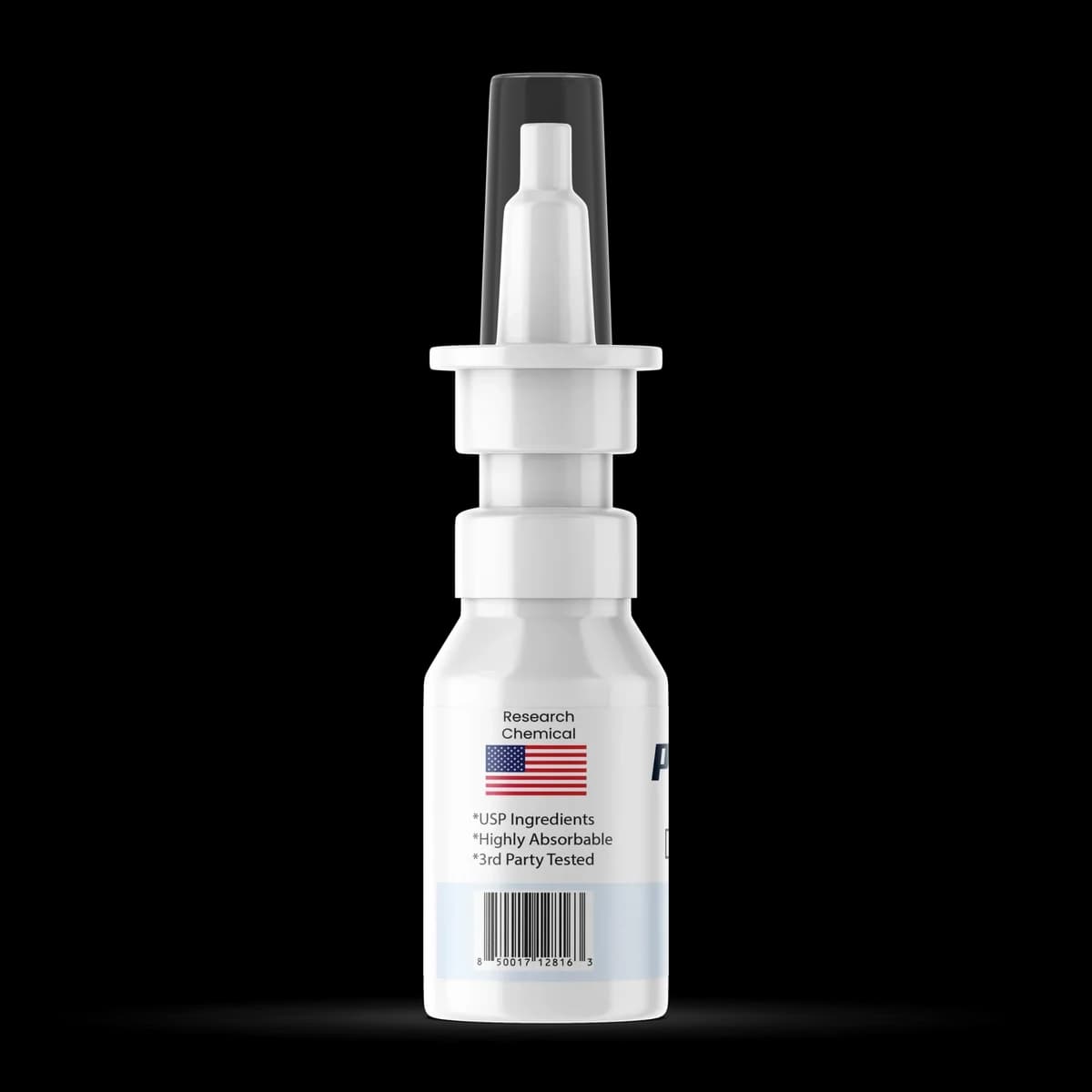
Semax earns the top position in this comparison because it has the most favorable combination of mechanistic plausibility, institutional pedigree, and non-invasive delivery route among these four compounds. Its BDNF upregulation mechanism is well-characterized in preclinical models, it holds genuine pharmaceutical registration rather than being a purely grey-market compound, and intranasal administration cuts out the logistical and safety complexity of parenteral alternatives. The critical caveat is that the evidence base is concentrated in Russian-language institutional literature that hasn't been independently replicated under Western regulatory standards - a limitation that materially caps how confident any efficacy claim can be.
Semax is the primary subject of this guide and represents the strongest available combination of mechanistic evidence, institutional history, and practical research-context usability among nootropic peptides with any clinical trial record.
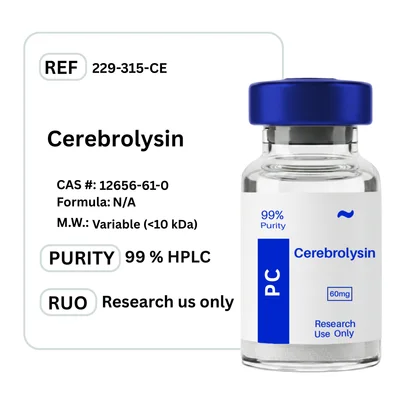
Cerebrolysin has the most substantial human clinical trial record of any peptide in this comparison - RCT data in stroke and dementia populations, GMP-grade manufacturing in licensed jurisdictions, and a well-documented cycling protocol with no dependency signal. It scores below Semax here not because its trial record is thinner, but because IV-only administration is a genuine practical barrier, the Cochrane-acknowledged methodological limitations of its trial base reduce confidence in reported effect sizes, and gray-market sourcing of a porcine biologic introduces quality risks that GMP manufacturing was specifically designed to avoid.
Cerebrolysin provides the most meaningful comparator for Semax because it shares the nootropic and neuroprotective research space, has a larger (if still methodologically limited) human trial record, and illustrates what GMP-grade manufacturing looks like relative to research-chemical sourcing.
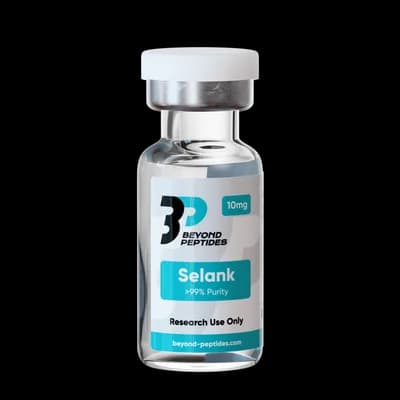
Selank is a reasonable research-context comparator to Semax - Russian institutional registration, intranasal delivery, similar evidence limitations - but its lower score reflects both a narrower proposed application (anxiolysis rather than broad cognitive and neuroprotective effects) and a mechanistic profile involving multiple overlapping pathways that are harder to characterize and therefore harder to assess for safety extrapolation. For researchers specifically interested in anxiolytic mechanisms in a peptide framework, it's worth reviewing; as a general nootropic candidate it has less supporting evidence than Semax.
Selank is included because it's the most direct structural and regulatory comparator to Semax among available research peptides, sharing Russian institutional origin, intranasal delivery, and a similarly evidence-limited profile.
Dihexa's score of 38/100 reflects an honest assessment: compelling rodent data from a credentialed academic institution, a genuinely interesting mechanism, and proposed oral bioavailability that would be practically significant if confirmed in humans - set against zero published human trial data and an unresolved theoretical oncogenic concern from MET receptor agonism that can't be dismissed without human safety studies. It belongs in a research peptide comparison because it illustrates what the floor of evidence looks like - not as a practical option for current research use, but as a compound worth watching if human safety data eventually emerges.
Dihexa is included to provide an evidence-floor comparator that illustrates the difference between mechanistically plausible preclinical compounds and peptides with any degree of human trial support.
What Is Semax? Chemical Identity, Classification, and Origin
Semax is a synthetic heptapeptide derived from the adrenocorticotropic hormone (ACTH) fragment 4-7, with the amino acid sequence Met-Glu-His-Phe-Pro-Gly-Pro. It was developed at the Institute of Molecular Genetics of the Russian Academy of Sciences beginning in the 1980s, with early pharmacological characterization published in the early 1990s (Potaman 1991). It's classified as an ACTH analog and neuropeptide, and is registered as a pharmaceutical drug in Russia and Ukraine for indications including ischemic stroke, transient ischemic attack, optic nerve disease, and cognitive impairment.
That pharmaceutical registration exists within regulatory frameworks that don't carry the same independent replication and evidentiary requirements as FDA New Drug Approval or EMA centralized authorization. Registration in Russia is a meaningful institutional fact - it's not equivalent to FDA approval, and content that treats it as such is misleading.
In jurisdictions outside Russia and Ukraine, Semax isn't approved for any medical use and is sold exclusively as a research chemical, a legal category that carries no mandatory quality control, purity testing, or standardization requirements.
---
Mechanism of Action: BDNF Upregulation, ACTH Analog Activity, and CNS Delivery
Semax is proposed to work through several overlapping mechanisms, the most discussed being upregulation of brain-derived neurotrophic factor (BDNF) and its receptor, TrkB, in hippocampal and cortical tissue. BDNF is a well-established regulator of synaptic plasticity, neuronal survival, and learning-associated processes. The BDNF upregulation mechanism is biologically plausible and supported by preclinical evidence (Dolotov 2006).
As an ACTH analog, Semax also interacts with melanocortin receptors (specifically MC4R) without producing the full hormonal cascade of native ACTH, which includes adrenocortical stimulation. That receptor selectivity is part of what distinguishes it from direct ACTH administration.
Additional proposed mechanisms include modulation of serotonergic and dopaminergic activity, anti-inflammatory effects in CNS tissue following ischemic events (Gusev 2018), and neuroprotective activity in models of oxidative stress.
Delivery route matters significantly for CNS access. Semax is almost exclusively administered intranasally. The olfactory pathway is proposed to allow partial direct CNS delivery, bypassing the blood-brain barrier to a greater degree than peripheral injection. This mechanism is biologically plausible, but the precise proportion of intranasally delivered Semax that reaches CNS tissue in humans isn't well-characterized in Western peer-reviewed literature.
Plasma half-life is very short - reported at roughly 5 to 10 minutes - which has real implications for dosing timing and, critically, for the stability of pre-mixed intranasal solutions. Solutions prepared in advance and stored improperly will degrade before use.
---
Evidence Summary: Russian Clinical Trials, Animal Studies, and Anecdotal Self-Reports
Human Trial Evidence (Labeled: Clinical Research, Russian Institutional Context)
The most substantive human trial data available in English-accessible form comes from studies in stroke and optic nerve pathology populations. Gusev 2018 examined Semax in ischemic stroke recovery — a 110-patient study reporting elevated plasma BDNF and improved motor outcomes — while Kurysheva 2001 examined its application in glaucomatous optic nerve disease. Earlier biochemical work (Kost 2001) characterized a proposed peripheral mechanism rather than a clinical outcome: inhibition of enkephalin-degrading enzymes in human serum.
Important caveats apply to all of this evidence: sample sizes across most identified trials are small by Western regulatory standards, the trials were conducted within the Russian pharmaceutical system rather than under international GCP (Good Clinical Practice) frameworks, and independent replication by groups outside Russian institutions is essentially absent. The Cochrane Collaboration hasn't reviewed Semax specifically, and no major Western regulatory body has reviewed its trial dossier.
Effect sizes reported in available literature are described as positive for cognitive and neuroprotective outcomes, but the methodological limitations make it inappropriate to treat these findings as established efficacy data.
Animal Study Evidence (Labeled: Preclinical, Rodent Models)
Animal model data for Semax is more substantial and covers BDNF induction (Dolotov 2006), antioxidant activity in CNS tissue, and neuroprotection in ischemia models. Medvedeva 2014 contributes to the preclinical evidence base. Animal data is useful for characterizing mechanism and generating hypotheses - it doesn't substitute for human trial evidence on efficacy or safety.
Anecdotal Self-Reports (Labeled: User-Reported, No Controls)
Online communities focused on nootropics and cognitive enhancement self-report a range of subjective experiences with intranasal Semax, including increased focus, improved mood, reduced anxiety, and enhanced verbal recall. These reports are uncontrolled, unblinded, and represent a self-selected population. They aren't evidence of efficacy. They're worth including here because they inform sourcing patterns and represent the actual landscape of how this compound is being used outside clinical contexts.
---
How Semax Compares to Related Nootropic Peptides
Semax vs. Selank
Research Peptide Selank (score: 62/100) is also a Russian-developed neuropeptide with registered pharmaceutical status in Russia, and also relies almost entirely on Russian institutional trial data. Where Semax research emphasizes cognitive enhancement and neuroprotection, Selank research has focused more on anxiolytic effects and modulation of anxiety without the sedation or dependency risk associated with benzodiazepines. Selank's mechanism involves GABAergic, enkephalinergic, and BDNF-related pathways - multiple overlapping systems that are, if anything, harder to characterize cleanly than Semax's BDNF-centered profile.
Both peptides share the same core evidentiary limitation: institutional Russian trials with minimal Western replication. Selank scores lower than Semax here primarily because its proposed applications (acute anxiolysis, mood support) require a higher burden of safety evidence than the more cognitively-oriented Semax applications, and that evidence is similarly thin. Its half-life is slightly longer than Semax at roughly 1 to 2 hours, but still requires multiple daily administrations in research-context protocols.
Selank pros in context: Non-invasive intranasal delivery, no reported dependency in short-cycle protocols, relatively low per-cycle cost.
Selank cons in context: Near-total reliance on Russian institutional data, incomplete mechanistic characterization, short half-life.
Semax vs. Cerebrolysin
Prescription Cerebrolysin (score: 68/100) has arguably the largest human clinical trial dataset of any nootropic-class peptide, with RCT data in stroke and dementia populations. It's manufactured as a licensed pharmaceutical in multiple European and Asian countries, meaning GMP-grade product with verifiable COAs exists - a material advantage over research chemicals sourced from unregulated suppliers.
That said, Cochrane-level review has identified methodological weaknesses in much of the Cerebrolysin trial base, and effect sizes in Western-published trials are described as modest with debated clinical significance. Its administration route is parenteral (IV or IM), making self-use logistically complex and higher-risk than intranasal Semax. Its porcine brain-derived biologic origin also creates additional quality control concerns for any gray-market sourcing.
Cerebrolysin scores slightly below Semax overall not because its trial record is weaker in volume - it's stronger - but because the combination of parenteral-only administration, IV sourcing complexity outside approved jurisdictions, and Cochrane-acknowledged methodological issues places it in a practically difficult position for the research community this guide addresses.
Cerebrolysin pros in context: Largest human trial dataset, GMP manufacturing in licensed jurisdictions, well-documented cycling protocols, no dependency profile.
Cerebrolysin cons in context: IV/IM only, legally ambiguous outside approved countries, modest effect sizes in Western-reviewed trials, biologic origin quality concerns in gray market.
Semax vs. Dihexa
Research Peptide Dihexa (score: 38/100) represents a fundamentally different risk profile. Rodent research from Washington State University characterized it as an exceptionally potent synaptogenic compound - potency estimates in animal models far exceeding other nootropic candidates. Its proposed oral bioavailability is genuinely unusual for a peptide nootropic and would represent a practical advantage if confirmed in humans.
The problem is there are zero published human clinical trials. None. The mechanism (HGF/MET receptor potentiation) raises unresolved theoretical concerns about oncogenic potential with chronic MET agonism - a concern that would require human safety data to address and that currently has none. Dihexa's score of 38/100 reflects this: biologically interesting preclinical data, no human evidence, and an unresolved safety question that isn't theoretical hand-waving but grounded in known MET receptor biology.
For research contexts, Dihexa represents a higher-uncertainty situation than Semax by a significant margin.
Dihexa pros in context: Proposed oral bioavailability, coherent mechanistic grounding, credentialed institutional origin of rodent research, small required doses.
Dihexa cons in context: Zero human trial data, unresolved oncogenic theoretical risk, entirely unregulated supply chain.
---
Dosing in Research Contexts: Ranges from Published Literature
> Disclaimer: The following dosing ranges are reported from published research literature and Russian pharmaceutical documentation. They are not a recommendation for human use. Semax is not approved for human use in the United States, United Kingdom, European Union, or Australia. All information here is provided for educational and research purposes only.
In Russian pharmaceutical contexts, Semax nasal drops are formulated at concentrations of 0.1% and 1%. Doses cited in clinical literature range from 200 mcg to 900 mcg per day administered intranasally, typically divided across two to three administrations. Research cycle lengths referenced in available literature range from 10 to 14 days for acute indications.
The very short plasma half-life of roughly 5 to 10 minutes means timing of administration relative to targeted cognitive activity windows is a variable that research protocols have addressed inconsistently.
Pre-mixed intranasal solutions require refrigeration and have limited stability windows. Lyophilized (freeze-dried) powder reconstituted immediately before use is generally considered more stable by researchers evaluating storage protocols, though neither form provides the stability of a commercially manufactured product with a defined shelf life.
No dosing information in this guide should be interpreted as a clinical recommendation.
---
Reported Side Effects and Contraindications
Semax's reported side-effect profile in both clinical literature and anecdotal sources is described as relatively mild compared to many CNS-active compounds. Commonly reported effects include:
- Nasal irritation or mild burning at the administration site (intranasal route)
- Transient mild headache
- Irritability or agitation at higher doses in some self-reports
- Fatigue or emotional blunting in some user-reported accounts
No significant dependency or withdrawal profile has been reported in Russian clinical literature or mainstream anecdotal reporting. That absence of reported dependency is one of Semax's relative positives compared to conventional anxiolytic or stimulant approaches - but absence of reported dependency isn't the same as confirmed safety.
Contraindications cited in Russian pharmaceutical documentation include active seizure disorders and pregnancy. Interactions with other CNS-active compounds aren't well-characterized.
The short half-life limits accumulation risk, but also means the safety profile from multi-week exposure at higher doses isn't well-documented outside Russian institutional contexts.
---
Legal and Regulatory Status by Region
Russia and Ukraine: Semax is a registered pharmaceutical drug with approved clinical indications including ischemic stroke and optic nerve disease. It's manufactured and sold as a legal pharmaceutical product.
United States: Semax is not approved by the FDA for any indication and is not scheduled as a controlled substance under the Controlled Substances Act as of the time of publication. It occupies a legal grey area as a research chemical - not explicitly prohibited, but not approved for human use. Importation for personal use sits in a similarly ambiguous regulatory space.
United Kingdom: Not approved by the MHRA. Semax isn't listed as a controlled substance under the Misuse of Drugs Act but falls under general medicines legislation that restricts unauthorized sale for human consumption. Research chemical status applies.
European Union: Not approved by the EMA or through national mutual recognition procedures in major EU member states. Regulatory status varies by member state for importation, but it isn't approved for human use anywhere in the EU.
Australia: Not listed on the Australian Register of Therapeutic Goods (ARTG). The TGA's scheduling framework would classify unapproved peptides in a category requiring import permission for legitimate research use. Self-importation for personal use is legally risky.
Regulatory status changes. Readers should verify current status in their jurisdiction before sourcing or possessing any research chemical.
---
Sourcing Considerations: What a Credible COA Looks Like and Red Flags to Avoid
Because Semax is a research chemical in Western jurisdictions, there's no regulatory enforcement of quality or purity standards for commercially sold material. That's not a minor caveat - it means the peptide content, purity, and identity of any given product can't be assumed without independent verification.
A credible certificate of analysis (COA) for research-grade Semax should include:
- Peptide purity percentage measured by HPLC (high-performance liquid chromatography), with 98%+ purity being the standard for research-grade material
- Mass spectrometry confirmation of the correct molecular weight corresponding to the Semax sequence (MW approximately 814 Da)
- Endotoxin testing results (LAL test or equivalent) - critical for any compound that may contact biological systems
- Moisture content (relevant for lyophilized powder formulations)
- Batch number and date with traceability to the specific lot tested
- Third-party testing - COAs produced exclusively by the vendor's internal lab carry significantly less weight than those from an independent analytical laboratory
Red flags to avoid:
- Vendors who can't produce a COA on request or who provide only a generic purity claim without analytical data
- Solutions pre-mixed in saline or bacteriostatic water with no defined stability window or storage instructions
- Vendors who make explicit health claims or use language implying Semax is safe for human use
- No age verification or ID requirement at point of sale
- Pricing dramatically below market rate, which often indicates lower-purity or mislabeled material
- No physical address or contact information traceable to a real entity
Batch-to-batch variability is a genuine concern with research chemicals. A COA from a previous batch doesn't validate the current batch.
---
The Evidence Gap: Why Russian-Only Trial Data Demands Skeptical Interpretation
This section warrants direct treatment because the Semax literature is sometimes cited in nootropic communities as if Russian pharmaceutical registration is equivalent to FDA approval. It isn't, and the difference matters.
Russian pharmaceutical registration in the 1980s and 1990s operated under institutional frameworks without requirements for pre-registered trials, placebo controls, or independent statistical auditing that became standard in Western regulatory science over the same period. Many of the foundational Semax trials were conducted within institutions that had an inherent interest in positive outcomes. That doesn't mean the results are false - it means the evidence can't be weighted the same way as trials conducted under independent oversight with pre-specified endpoints.
The specific concerns that apply to the Semax evidence base include:
- Publication bias: Negative or null results from Russian institutional trials are less likely to appear in the accessible literature, which skews the apparent effect size
- Language barrier: The inability of most Western researchers to audit primary Russian-language sources limits independent scrutiny
- Small sample sizes: The trials that are accessible suggest sample sizes that would be considered underpowered for regulatory submission in Western frameworks
- Lack of replication: No major Western research group has independently replicated the core clinical findings
None of this makes Semax uninteresting as a research subject. The BDNF mechanism is genuinely well-grounded, and the clinical signals are worth following. It does mean that anyone treating existing Semax literature as strong proof of efficacy is misreading the evidence. This guide applies a skeptical but not dismissive interpretation: promising signals, insufficient independent evidence, continued research warranted.
---
Where to Learn More: PubMed, ClinicalTrials.gov, and Primary Source Pointers
For readers who want to examine the primary evidence directly:
- PubMed (pubmed.ncbi.nlm.nih.gov): Search "Semax" filtered to human studies. The available English-language literature is limited but gives an accurate picture of what's been independently reviewed. Dolotov 2006 and Gusev 2018 are accessible starting points.
- ClinicalTrials.gov: Searching "Semax" returns a small number of registered trials. Reviewing these for completion status and whether results have been posted provides useful context for the current research pipeline.
- eLibrary.ru: The primary Russian-language scientific database. Google Translate provides rough access to abstracts. Kost 2001, Kurysheva 2001, and Potaman 1991 are foundational references originating from this literature base.
- Examine.com: Provides a synthesized evidence summary for Semax with effect magnitude ratings that incorporate the quality-weighting limitations discussed in this guide.
- The Cochrane Library (cochranelibrary.com): Semax isn't the subject of a Cochrane review, but the Library's reviews of related compounds (including Cerebrolysin) provide useful context for how the same evidence-grading framework applies to this class of compounds.
---
Regulatory Disclaimer and Editorial Standards
This content is published by Peptide Guides for educational and research informational purposes only. It does not constitute medical advice, and nothing in this guide should be interpreted as a recommendation to obtain, administer, or use any peptide compound for human health purposes.
Semax, Selank, and Dihexa are research chemicals in the United States, United Kingdom, European Union, and Australia. They are not approved by the FDA, MHRA, EMA, or TGA for any human indication. Cerebrolysin is a licensed pharmaceutical in certain jurisdictions but is not approved by the FDA, MHRA, or EMA centrally, and importation outside approved jurisdictions is legally ambiguous.
Peptide Guides does not sell, distribute, or formally endorse any specific commercial supplier of research chemicals. References to sourcing criteria are provided to help readers evaluate the evidentiary quality of products they may encounter, not as endorsement of any purchase.
Always consult a qualified healthcare professional before making decisions about any compound that may affect health or interact with existing medications or conditions.
Tips
- 1.When evaluating any Semax supplier, request the COA before purchase and verify it includes HPLC purity percentage, mass spectrometry identity confirmation, and endotoxin test results from a named third-party laboratory. A COA produced only by the vendor's internal lab provides much weaker quality assurance.
- 2.If you're reviewing Russian-language Semax literature, cross-reference identified trials against ClinicalTrials.gov and PubMed for any independently published replications before treating the findings as established. The absence of Western replication is a material limitation on how heavily any single Russian institutional trial should be weighted.
- 3.Lyophilized Semax powder reconstituted immediately before use is generally considered more stable than pre-mixed intranasal solutions, given the peptide's short degradation window. Storage protocol and formulation type should be treated as research variables, not afterthoughts, when evaluating any published protocol or self-reported outcome.
The Bottom Line
Among nootropic research peptides with any institutional evidence base, Semax sits in the strongest position - a characterized mechanism, registered pharmaceutical status, and a non-invasive delivery route give it more to work with than most compounds in this category. That said, the evidence gap created by its concentration in Russian-language institutional literature is real and shouldn't be minimized: promising preclinical signals and early clinical data don't constitute proof of efficacy, and research-chemical sourcing in Western jurisdictions means quality control falls entirely on the buyer. Researchers and biohackers treating Semax as a serious subject of investigation should engage with the primary literature directly, source only from suppliers providing third-party-verified COAs, and approach the existing evidence with the same critical framework they'd apply to any compound that hasn't cleared Western regulatory review.
Frequently Asked Questions
Is Semax FDA approved or legal to use in the US?
How does Semax work in the brain?
Why is Semax administered as a nasal spray instead of an injection?
What does the research actually show about Semax for cognitive enhancement?
How does Semax compare to Selank, Dihexa, and Cerebrolysin for cognitive research?
What are the reported side effects of Semax?
Related Guides
COMPARISON
Selank vs Semax: Two Russian Nootropic Peptides Compared by Mechanism, Evidence, and Research Context
For researchers focused on cognitive enhancement and neuroprotection mechanisms, Semax has the edge over Selank: its BDNF upregulation pathway is better characterized, its institutional trial base reaches into stroke and cognitive deficit research, and its pharmacological target is more clearly defined. The Russian-literature caveat applies equally to both compounds, and neither should be mistaken for a validated therapeutic.
CATEGORY-OVERVIEW
Nootropic Peptides: What the Research Actually Says About Selank, Semax, and Dihexa (2026 Evidence Review)
Nootropic peptides are short amino acid chains studied for effects on cognition, neuroplasticity, and mood through CNS pathways such as BDNF upregulation, GABAergic modulation, and HGF/MET signaling. Among the most-discussed compounds, Semax (an ACTH 4-10 analogue) and Selank (a tuftsin analogue) hold formal pharmaceutical registration in Russia with intranasal clinical trial data, while Dihexa has no published human trials and remains restricted to rodent research. None are FDA-approved or independently replicated in Western randomized controlled trials, and all are sold in Western jurisdictions only as research chemicals.
PEPTIDE-PROFILE
Selank: What the Research Shows on the Russian Anxiolytic Peptide (2026 Evidence Review)
Selank is a Russian-developed anxiolytic heptapeptide - a tuftsin analog with the sequence Thr-Lys-Pro-Arg-Pro-Gly-Pro - registered in Russia as a 0.15% intranasal pharmaceutical. Institutional trials, including a 62-patient randomized comparison against the benzodiazepine medazepam (Zozulya 2008), report comparable anxiolytic effect without the sedation, tolerance, or dependence of classical anxiolytics, through GABA-modulatory and enkephalinase-inhibiting mechanisms. The critical limitation: essentially none of this evidence has been independently replicated outside Russia.