
PEPTIDE-PROFILE
Thymosin Alpha-1: Immune-Modulator Research Summary (2024 Evidence Review)
What the clinical and preclinical literature actually says about TA-1
Last updated: May 1, 2026
Quick Answer
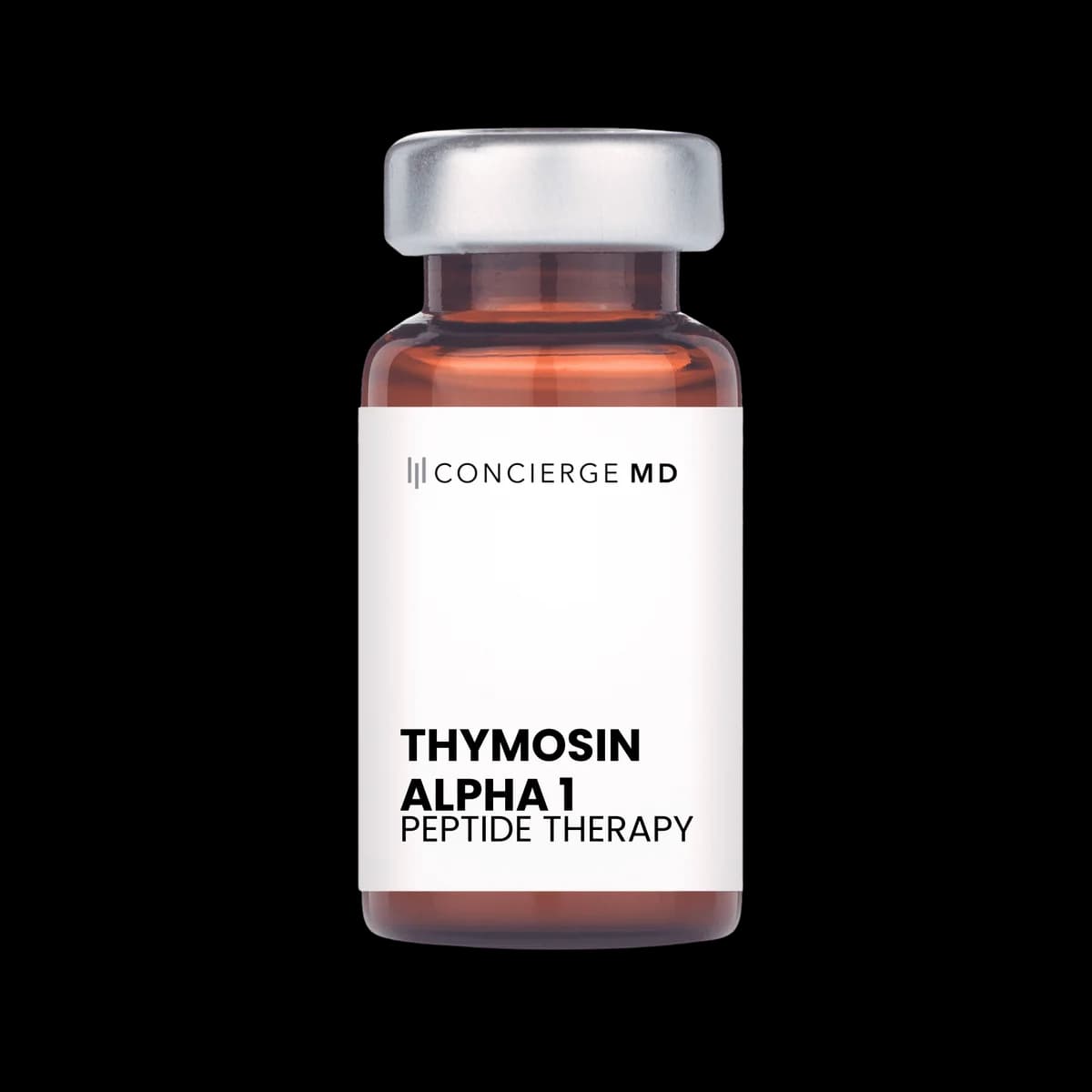
Thymosin Alpha-1 is a 28-amino-acid immunomodulatory peptide derived from prothymosin alpha, first isolated in 1977 by Allan Goldstein at George Washington University and marketed pharmaceutically as Zadaxin in parts of Asia and Eastern Europe. Research suggests it acts as an endogenous TLR2 and TLR9 ligand, promoting Th1 differentiation and increasing IFN-gamma, IL-2, and NK cell activity. Multiple randomized controlled trials support its use in chronic hepatitis B, hepatitis C, sepsis, and cancer-adjuvant contexts, but it remains unapproved in the US, UK, EU, and Australia, where it is sold under research-chemical status.
Thymosin Alpha-1 doesn't fit neatly into the usual research-chemical categories. It's not some speculative compound with three rodent studies and a lot of forum hype behind it. It's been used as a licensed pharmaceutical drug in dozens of countries since the 1980s, appeared in randomized controlled trials for sepsis, hepatitis B, hepatitis C, and cancer contexts, and has a molecular mechanism that's substantially better understood than most peptides sold as research chemicals. And yet, in Western markets - the US, UK, EU, and Australia - it remains unapproved and is sold under research-chemical status, which means quality control, sourcing legitimacy, and legal exposure vary considerably.
Most TA-1 content fails in one of two directions. Vendor-adjacent writeups mine the pharmaceutical literature to imply clinical-grade efficacy for healthy users buying research chemicals with no independent verification. Skeptical takes lump it in with wholly unvalidated nootropic peptides and ignore a genuinely substantive clinical record. Neither framing holds up.
This guide applies a clinical evidence-grading framework to TA-1 - the kind a systematic reviewer would use. Human RCT evidence is labeled as such. Animal data is labeled as such. Anecdotal user reports are labeled as such. Extrapolations common in longevity and biohacking circles are flagged where the evidence doesn't support them. The goal isn't to sell TA-1 or dismiss it - it's to accurately represent what the research does and doesn't show.
Featured Peptides
Thymosin Alpha-1 holds a genuinely distinct position in the research-chemical peptide space. It carries human RCT evidence, a pharmaceutical approval history in multiple countries, and a characterized mechanism that together place it in a higher evidence tier than the vast majority of peptides sold alongside it. The critical limitation is that this evidence comes from diseased populations, not healthy adults, and the research-chemical sourcing context introduces quality variables that pharmaceutical trials didn't face. It warrants serious research attention; it doesn't warrant uncritical enthusiasm.
TA-1 is the only immunomodulatory peptide in the research-chemical space with meaningful human RCT evidence from controlled trials, making it the most evidence-grounded option for researchers reviewing this category.
What Is Thymosin Alpha-1? - Chemical Identity, Origin, and Classification
Thymosin Alpha-1 (TA-1) is a 28-amino-acid peptide derived from prothymosin alpha, a protein naturally produced by the thymus gland. It was first isolated in 1977 by Allan Goldstein and colleagues at George Washington University from thymosin fraction 5, a thymus-derived preparation studied for immune-reconstitution properties. The synthetic version is sold under the brand name Zadaxin in multiple Asian and Eastern European markets, where it holds regulatory approval.
Chemical classification: TA-1 belongs to the thymosin family of biological response modifiers. Its molecular weight is approximately 3,108 daltons. It's an N-terminally acetylated sequence - that structural feature contributes to its relative stability compared to many other short peptides. It's administered subcutaneously; oral bioavailability is negligible due to peptide degradation in the GI tract.
In Western markets, it's synthesized via solid-phase peptide synthesis (SPPS) and sold as a lyophilized powder requiring reconstitution with bacteriostatic water before injection. Cold-chain storage (2-8°C after reconstitution) is required to maintain peptide integrity.
---
Mechanism of Action - How Research Suggests TA-1 Modulates Immune Function
TA-1's mechanism is better characterized than most immunomodulatory peptides in the research-chemical space, though real gaps remain - particularly regarding effects in healthy human populations.
Primary Signaling Pathways
Toll-like receptor (TLR) activation: Research suggests TA-1 acts as an endogenous ligand for TLR2 and TLR9, pattern-recognition receptors involved in innate immune activation. Activation of these receptors promotes dendritic cell maturation and downstream adaptive immune priming.
T-cell differentiation: Published studies indicate TA-1 promotes differentiation of T helper 1 (Th1) cells over Th2 cells, which skews immune response toward cell-mediated rather than humoral immunity. This is the mechanistic basis for its use in contexts where intracellular pathogens - viruses, certain bacteria - need to be cleared.
Cytokine modulation: In vitro and animal research suggests TA-1 increases production of interferon-gamma (IFN-gamma), interleukin-2 (IL-2), and tumor necrosis factor-alpha (TNF-alpha), all associated with anti-viral and anti-tumor immune activity. Some research also suggests anti-inflammatory effects in sepsis contexts, possibly via modulation of NF-kB signaling, though this appears context-dependent.
NK cell activation: Animal models and some human data suggest TA-1 enhances natural killer cell cytotoxicity, relevant to both anti-viral defense and tumor surveillance.
Important Mechanistic Caveat
The majority of mechanistic research comes from diseased or immunocompromised models. How TA-1 behaves in a healthy, immunocompetent individual is considerably less well-characterized. Immune systems in healthy adults aren't simply running below optimal capacity - the concept of "immune boosting" in healthy populations is scientifically imprecise, and the downstream effects of upregulating Th1 pathways in people with already-functional immune regulation aren't well-studied in this context.
---
Evidence Summary - Human Trials, Animal Studies, and Anecdotal Reports
> Evidence labeling used throughout this section: [HUMAN RCT], [HUMAN OBSERVATIONAL], [ANIMAL], [IN VITRO], [USER REPORT]
Human Trial Evidence
Hepatitis B: [HUMAN RCT] Some of the most robust evidence for TA-1 comes from hepatitis B trials. Multiple RCTs, predominantly conducted in Asia, have tested TA-1 as monotherapy or in combination with interferon-alpha. A frequently cited meta-analysis of chronic hepatitis B trials found TA-1 combined with interferon-alpha produced higher rates of hepatitis B e-antigen (HBeAg) seroconversion than interferon alone. Sample sizes across included trials ranged from roughly 30 to over 100 participants per arm. These trials used pharmaceutical-grade Zadaxin at standardized doses.
Hepatitis C: [HUMAN RCT] Several controlled trials examined TA-1 in combination with interferon plus ribavirin for hepatitis C. Results were mixed - some trials reported improved sustained virological response rates versus standard of care alone, others showed no significant difference. The evidence here is weaker than for hepatitis B.
Sepsis: [HUMAN RCT] This is arguably the most clinically significant human evidence for TA-1. A randomized, double-blind, placebo-controlled trial published in Critical Care Medicine (Wu et al., 2013, n=361) found that TA-1 administration in sepsis patients significantly reduced 28-day mortality versus placebo (26.9% vs 35.4%). A subsequent meta-analysis of sepsis trials reported broadly consistent directional findings. This is high-stakes human evidence in a context where the mechanistic claims about Th1 activation and innate immune support are at least plausible.
Cancer (Adjuvant): [HUMAN OBSERVATIONAL / SMALL RCT] Several smaller trials and observational studies from Chinese oncology literature have examined TA-1 as an adjunct to chemotherapy, with some reporting improved immune markers and tolerability. These are generally underpowered for mortality endpoints and carry risk-of-bias concerns due to trial design limitations.
COVID-19: [HUMAN OBSERVATIONAL] A non-randomized observational study from Italy (Matteucci et al., 2020) reported that healthcare workers who had previously received TA-1 (as Zadaxin) had lower rates of SARS-CoV-2 infection during early pandemic periods. This generated significant interest in biohacking communities. Non-randomized observational designs can't establish causation, though, and confounding is a major concern here.
Healthy populations / longevity: [INSUFFICIENT HUMAN DATA] No well-powered RCTs exist examining TA-1 in healthy adults for longevity, aging, or preventive immune optimization. Extrapolations to these use cases rest on mechanistic inference from diseased populations, not direct evidence.
Animal Studies
[ANIMAL] Rodent models have shown TA-1 extends survival in infection models, enhances vaccine response, and reduces tumor growth when combined with certain cancer treatments. A notable series of studies examined TA-1 in aged mice, showing partial restoration of thymic function and T-cell output - this gets cited frequently in longevity contexts, but the translation from aged-mouse immune biology to human longevity remains unvalidated.
[IN VITRO] Cell-culture work has characterized TLR2/TLR9 binding, IFN-gamma induction, and NK cell activation at a molecular level, providing mechanistic support for the human trial findings.
Anecdotal User Reports
[USER REPORT] User self-reports across research forums, Reddit communities (r/Peptides, r/longevity), and self-experimentation blogs describe TA-1 use patterns generally following a 1.6mg twice-weekly subcutaneous injection protocol. Common self-reported observations include subjective improvements in general well-being during and after upper respiratory infections, a perceived reduction in infection frequency over 3-6 month observation windows, and minimal side effects. These reports are inherently subject to placebo effects, recall bias, and confounding from other concurrent interventions. They can't be treated as evidence of efficacy.
---
Dosing in Research Contexts - Ranges Reported in Published Studies
> Critical disclaimer: The dosing information below is drawn from published clinical research and pharmaceutical prescribing contexts. It's provided for research literacy purposes only - it is NOT a dosing recommendation. TA-1 sold as a research chemical is not approved for human use in the US, UK, EU, or Australia. Dosing, purity, and sterility cannot be assumed from research-chemical vendors without independent verification.
Doses Reported in Clinical Literature
- Hepatitis trials: 1.6 mg subcutaneously, twice weekly for 6 months (standard Zadaxin protocol)
- Sepsis trials: 1.6 mg subcutaneously, twice daily for 5-7 days in acute settings
- Cancer adjuvant use: 1.6 mg subcutaneously, twice weekly, duration varying by protocol
- Vaccine adjuvant use (research context): Single doses of 0.9-1.6 mg in conjunction with vaccination
Key Pharmacokinetic Notes from Research
Published pharmacokinetic data for synthetic TA-1 indicates a half-life of approximately 2 hours following subcutaneous injection, with peak serum concentrations reached within 1-2 hours. Despite that short half-life, biological effects in clinical studies appear to persist beyond what serum concentration alone would predict - possibly due to downstream receptor-mediated signaling cascades. Storage after reconstitution at 2-8°C is critical; peptide degradation at room temperature is well-documented.
---
Reported Side Effects and Contraindications - From Clinical Literature and User Reports
Side Effects in Clinical Literature
TA-1's clinical safety profile across its pharmaceutical history is generally characterized as mild. Reported adverse events in human trials include:
- Injection site reactions - mild redness, swelling, or discomfort at the subcutaneous injection site, reported in a minority of trial participants
- Mild flu-like symptoms - fatigue, low-grade fever, and malaise reported occasionally, consistent with immune activation
- Transient elevations in liver enzymes - observed in some hepatitis trials, though attributing this to TA-1 versus underlying disease is confounded
Serious adverse events were not significantly elevated versus placebo in major RCTs.
Theoretical Contraindications and Cautions
- Autoimmune conditions: TA-1's Th1-promoting mechanism raises theoretical concern in individuals with autoimmune diseases driven by excessive Th1 activity - certain inflammatory arthropathies, multiple sclerosis subtypes, for example. This risk isn't well-quantified in clinical data but is mechanistically plausible.
- Organ transplant recipients: Any immunomodulatory agent is potentially problematic alongside immunosuppressive regimens intended to prevent graft rejection. TA-1 use in this context without medical oversight carries theoretical risk.
- Concurrent immunotherapy in oncology: Combining TA-1 with checkpoint inhibitor therapies without clinical supervision isn't well-studied.
- Pregnancy and lactation: No adequate safety data exists. Standard precautionary position applies.
User-Reported Side Effects
[USER REPORT] Self-experimenters on research forums most commonly describe transient fatigue or feeling slightly off in the first 24-48 hours after injection, consistent with mild immune activation. Severe reactions are infrequently described in user communities, though self-reporting underrepresents adverse outcomes.
---
How TA-1 Compares: Evidence Tier Benchmarking Against Related Peptides
Positioning TA-1 accurately requires comparing its evidence base against adjacent compounds that appear in similar research contexts.
Tier Comparison
TA-1 vs. BPC-157: BPC-157 has substantial animal-model evidence for healing and anti-inflammatory effects, but published human RCT data is minimal. TA-1's human trial record - particularly the sepsis mortality data - places it in a meaningfully higher evidence tier for its primary proposed mechanism.
TA-1 vs. TB-500 (Thymosin Beta-4 fragment): TB-500 lacks human trial evidence of comparable quality. It's mechanistically distinct (actin regulation, angiogenesis) and primarily supported by animal studies. TA-1 has a clear evidence advantage here.
TA-1 vs. LL-37 (Cathelicidin): LL-37 is a naturally occurring antimicrobial peptide with interesting immunological research, but its human trial evidence for the applications biohackers typically cite is thin. TA-1 compares favorably.
TA-1 vs. Thymalin / Epithalon: These thymus-derived or thymus-adjacent peptides have predominantly Eastern European research behind them - some human data exists, but in journals with limited independent reproducibility and methodological transparency. TA-1's evidence from peer-reviewed international literature is more credibly established.
Key caveat on all comparisons: None of the above compounds are FDA, MHRA, or TGA approved. A higher evidence tier within the research-chemical category doesn't translate to clinical approval, nor does it validate use outside clinical settings.
---
Legal and Regulatory Status by Region
United States
TA-1 is not FDA-approved for any indication. It's not a controlled substance under the Controlled Substances Act. It exists in a legal gray zone - it can't be legally marketed or sold for human use, but possession isn't explicitly criminalized as it would be with a scheduled compound. It's sold by domestic and international vendors as a research chemical. The FDA has issued warning letters to peptide vendors more broadly, and enforcement posture toward research chemicals has tightened in recent years.
United Kingdom
TA-1 is not approved by the MHRA. It's not a controlled drug under the Misuse of Drugs Act. However, importation and supply for human use without appropriate licensing raises issues under the Human Medicines Regulations 2012. The legal risk for personal importation for research use is generally low, but regulatory status isn't the same as safety validation.
European Union
TA-1 is not approved by the EMA. Regulatory status varies by member state - some countries are stricter about research-chemical peptide importation than others. Pharmaceutical-grade Zadaxin is approved in some non-EU Eastern European and Eurasian markets.
Australia
TA-1 is not TGA-approved. Australia's Therapeutic Goods Act and importation regulations make personal importation of unapproved therapeutic goods a more clearly regulated area than in the US or UK. Personal importation under the personal importation scheme involves specific conditions and quantity limits. Researchers should consult current TGA guidance directly.
Where TA-1 IS Approved
Zadaxin (synthetic TA-1, SciClone Pharmaceuticals) holds regulatory approval in over 35 countries, predominantly in Asia (China, Taiwan, Philippines, Indonesia), the Middle East, and parts of Eastern Europe, for indications including chronic hepatitis B, hepatitis C, and as an immunostimulant in cancer patients. That pharmaceutical history matters for understanding the evidence base - the clinical trials used pharmaceutical-grade product, not research-chemical material.
---
Sourcing Considerations - What a Credible COA Looks Like and Vendor Red Flags
The gap between pharmaceutical-grade Zadaxin and research-chemical TA-1 isn't trivial. Peptide synthesis quality, purity verification, and sterility standards vary considerably across vendors. The following framework applies general peptide sourcing due diligence principles.
What a Credible Certificate of Analysis (COA) Should Include
- HPLC purity data - High-performance liquid chromatography results showing purity of 98% or above. Anything below 95% for a peptide at this price point is a significant concern.
- Mass spectrometry confirmation - Confirms the peptide's molecular weight matches the theoretical value, verifying correct amino acid sequence and proper N-terminal acetylation. That last point matters specifically for TA-1 - the acetyl group affects biological activity.
- Endotoxin testing - Particularly important for injectable peptides. Lipopolysaccharide (LPS) contamination causes pyrogenic reactions. A credible COA for an injectable peptide should include LAL (Limulus Amebocyte Lysate) or equivalent endotoxin testing results.
- Sterility testing - Evidence of testing for microbial contamination.
- Third-party testing - COAs issued by independent analytical laboratories carry more weight than in-house vendor testing.
Red Flags in Vendors
- No COA available, or COA provided only on request after purchase
- COA shows only HPLC data with no mass spec confirmation
- COA doesn't specify endotoxin levels for an injectable product
- Batch numbers on COA don't match batch numbers on product label
- Pricing significantly below market norms (often indicates lower-grade synthesis or diluted product)
- No requirement for age verification or customer ID
- Marketing language claiming therapeutic effects or making specific health claims
- No cold-chain shipping option for a peptide requiring temperature-controlled storage
Practical Reality
Even with a credible COA, research-chemical TA-1 isn't manufactured under pharmaceutical GMP conditions. There's an inherent quality gap versus Zadaxin - not a reason to dismiss the research or the product category, but something that should be factored honestly into any risk assessment.
---
Regulatory Disclaimer and Research Context Notice
Thymosin Alpha-1, as sold in the research-chemical market in the US, UK, EU, and Australia, is not approved for human consumption by any Western regulatory body including the FDA, MHRA, EMA, or TGA. The content of this guide is a summary of published scientific research and is provided for educational and informational purposes only. Nothing here constitutes medical advice, and nothing should be interpreted as a recommendation to obtain, use, or administer any compound described.
The clinical trials summarized in this guide used pharmaceutical-grade Thymosin Alpha-1 (Zadaxin) under controlled clinical conditions with defined patient populations. Extrapolating those findings to research-chemical products in uncontrolled, non-clinical settings introduces substantial uncertainty.
Individuals with existing health conditions, individuals taking prescription medications, and anyone considering any injectable peptide should consult a qualified medical professional before taking any action.
---
Where to Learn More - PubMed, ClinicalTrials.gov, and Primary Source Pointers
PubMed Search Strategies
- Search: "thymosin alpha-1" AND "randomized controlled trial" - returns the hepatitis and sepsis trial literature directly
- Search: "Zadaxin" - surfaces pharmaceutical literature including prescribing studies and regional approval documentation
- Search: "thymosin alpha-1" AND "sepsis" - for the critical care evidence base
- Search: "prothymosin alpha" AND "mechanism" - for upstream mechanistic work
ClinicalTrials.gov
Search for "thymosin alpha-1" on ClinicalTrials.gov to review registered trials, including their status, sample sizes, and outcome measures. It's the most reliable way to assess the current clinical research pipeline and to distinguish completed trials with results from those still recruiting or with unpublished findings.
Key Papers Worth Reviewing Directly
- Wu J et al. (2013) - The placebo-controlled sepsis mortality RCT, Critical Care Medicine
- Andreone P et al. - Multiple hepatitis B combination therapy trials involving TA-1
- Goldstein AL (2009) - "From lab to bedside: emerging clinical applications of thymosin alpha 1" - a useful historical and mechanistic overview by one of the original discoverers
- Liu F et al. - Meta-analyses of TA-1 in hepatitis B contexts (multiple; search by year for updates)
Additional Resources
- The Thymosin Research Society has published reviews covering the thymosin peptide family with reasonable scientific rigor
- Examine.com maintains compound summaries with evidence grading that can serve as a calibration reference
- ISRCTN registry and EU Clinical Trials Register for European trial data not always duplicated in ClinicalTrials.gov
---
Research Peptide Thymosin Alpha-1 - Evidence Assessment
Best for: Researchers and clinicians reviewing the immunomodulatory peptide literature, and people in the biohacking and longevity community who want an accurate, unvarnished read on what the evidence actually shows before making sourcing decisions. This isn't a compound for casual experimentation given the injection requirement, cold-chain logistics, and genuine complexity of its immune-modulation profile.
Evidence family: Immune modulation, innate and adaptive immune activation, Th1-skewing, TLR agonism - a mechanistically coherent cluster that distinguishes TA-1 from many compounds in its market category.
The evidence case: The sepsis RCT data is the strongest argument for TA-1's biological activity in humans. A 28-day mortality reduction signal in a 361-patient double-blind placebo-controlled trial isn't something to wave away. The hepatitis B combination therapy evidence adds further support. These are real human trials with clinically meaningful endpoints - an unusual distinction in the research-chemical landscape.
The evidence limits: Every major trial was conducted in sick people with measurable immune dysfunction. The case for TA-1 in healthy adults rests on mechanistic inference, animal aging studies, and self-reports. That's a meaningful evidential gap that shouldn't be papered over.
Practical barriers: Subcutaneous injection with proper sterile technique, cold-chain storage, and sourcing verified-quality material are real logistical requirements. This isn't a plug-and-play research compound.
Price and value: Mid-range within the research-peptide market. Pricing typically reflects the synthesis complexity of a 28-amino-acid acetylated peptide. Significantly cheap offerings should prompt COA scrutiny. The cost of a credible COA-backed product is justified given the injection route - endotoxin contamination risk in cheap, unverified product is a genuine safety concern, not a theoretical one.
Tips
- 1.When reviewing any TA-1 vendor COA, specifically verify that mass spectrometry confirms N-terminal acetylation. This structural feature is essential to TA-1's biological activity and is sometimes absent in lower-quality synthesis runs - meaning you may be buying a peptide that lacks the defining characteristic of the compound you're intending to study.
- 2.Cross-reference the clinical evidence base directly on PubMed before forming conclusions. Search 'thymosin alpha-1 AND randomized controlled trial' and read at least the abstracts of the sepsis and hepatitis B trials. The evidence is stronger than most vendor content implies in some areas and considerably weaker in others - specifically healthy-population longevity applications.
- 3.If cold-chain shipping isn't offered or mentioned by a vendor, treat that as a substantive red flag rather than a minor logistics detail. Lyophilized TA-1 is relatively stable at room temperature, but reconstituted peptide degrades meaningfully without refrigeration, and a vendor indifferent to this is signaling something about their quality standards more broadly.
The Bottom Line
Thymosin Alpha-1 sits in a legitimate and unusual position in the peptide research landscape. It has human RCT evidence that most compounds in its market category can't approach, a pharmaceutical track record spanning decades, and a coherent mechanistic story. The honest read is that this evidence supports biological activity in specific diseased populations - it doesn't validate broad-spectrum immune optimization in healthy adults. TA-1 is the clear top pick in this guide by virtue of being the compound the guide covers, but more to the point, it earns that position because the evidence actually distinguishes it from most of what's sold alongside it - provided researchers source it with rigorous COA verification and approach healthy-population applications with proportionate skepticism.
Frequently Asked Questions
What is Thymosin Alpha-1 and what is it used for in research?
Is Thymosin Alpha-1 FDA approved or legal to buy in the United States?
How does Thymosin Alpha-1 work to affect the immune system?
What does the clinical evidence say about Thymosin Alpha-1 for viral infections?
What side effects of Thymosin Alpha-1 have been reported in research and by users?
What dosing ranges have been used for Thymosin Alpha-1 in published clinical studies?
Related Guides
STACK
The Longevity Stack: How Epithalon, MOTS-c, and Thymosin Alpha-1 Are Studied Together
The longevity peptide stack pairing Epithalon, MOTS-c, and Thymosin Alpha-1 is a research-only combination targeting three distinct hallmarks of aging: telomere attrition, mitochondrial dysfunction, and immunosenescence, respectively. None of the three compounds carry FDA, MHRA, or TGA approval for human administration, and the evidence base is highly uneven—Thymosin Alpha-1 has decades of clinical RCT data, MOTS-c has solid mechanistic and animal research with emerging human studies, and Epithalon's literature, though substantial in volume, originates largely from a single Russian research group (the Khavinson laboratory) with limited independent Western replication.
PEPTIDE-PROFILE
PT-141 (Bremelanotide) Research Summary: Mechanism, Evidence, and Legal Status
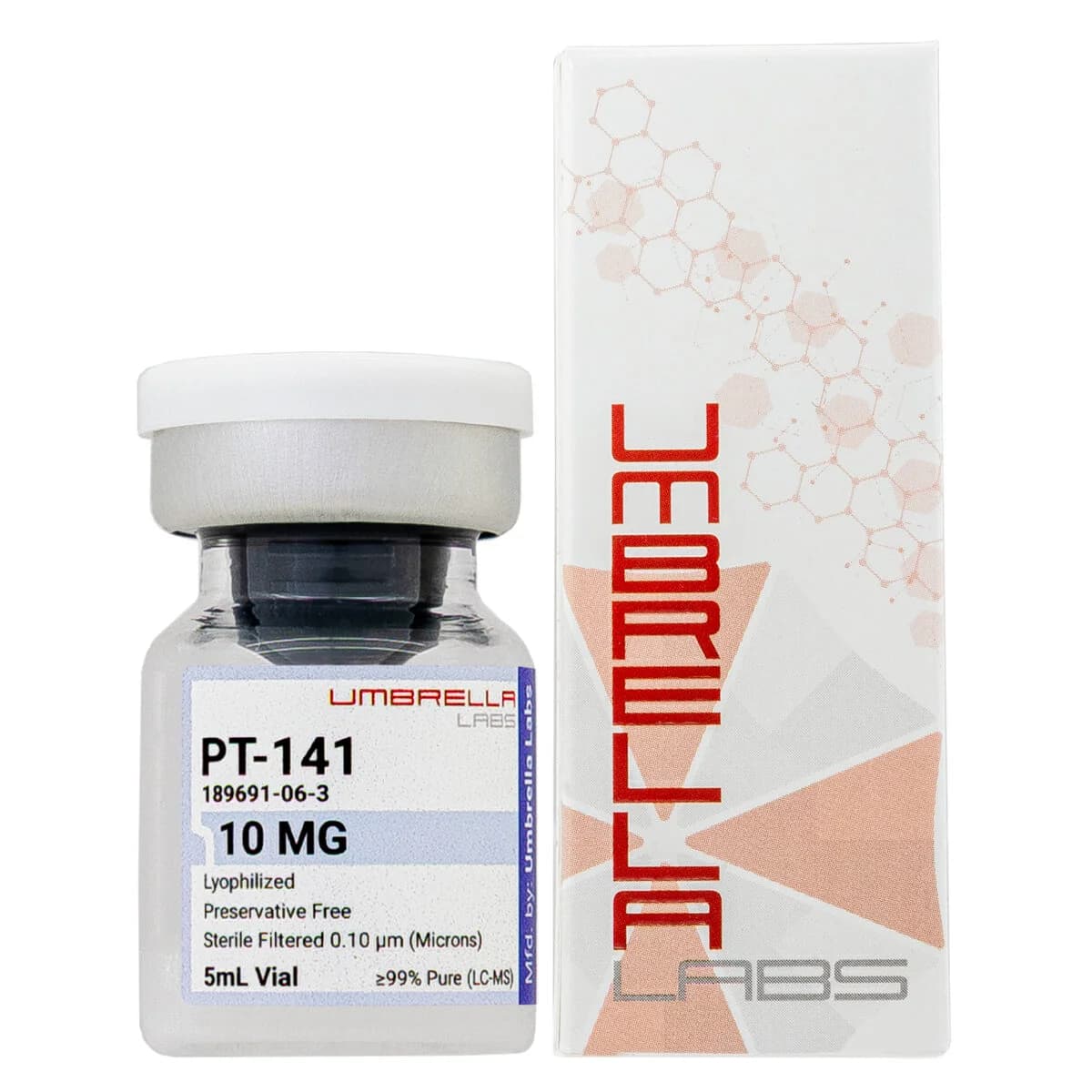
PT-141 (bremelanotide) is a synthetic cyclic heptapeptide and melanocortin receptor agonist (acting primarily at MC3R and MC4R) that the FDA approved as Vyleesi on June 21, 2019, for acquired, generalized hypoactive sexual desire disorder in premenopausal women. The approval was supported by the Phase 3 RECONNECT program (Studies 301 and 302), two placebo-controlled trials enrolling roughly 1,200 women using 1.75 mg subcutaneous injections. Research-chemical PT-141 shares bremelanotide's amino acid sequence but is not manufactured to pharmaceutical GMP standards and carries no approved indication; legitimate clinical access requires a Vyleesi prescription.
PEPTIDE-PROFILE
DSIP (Delta Sleep-Inducing Peptide): Research Summary and Evidence Review
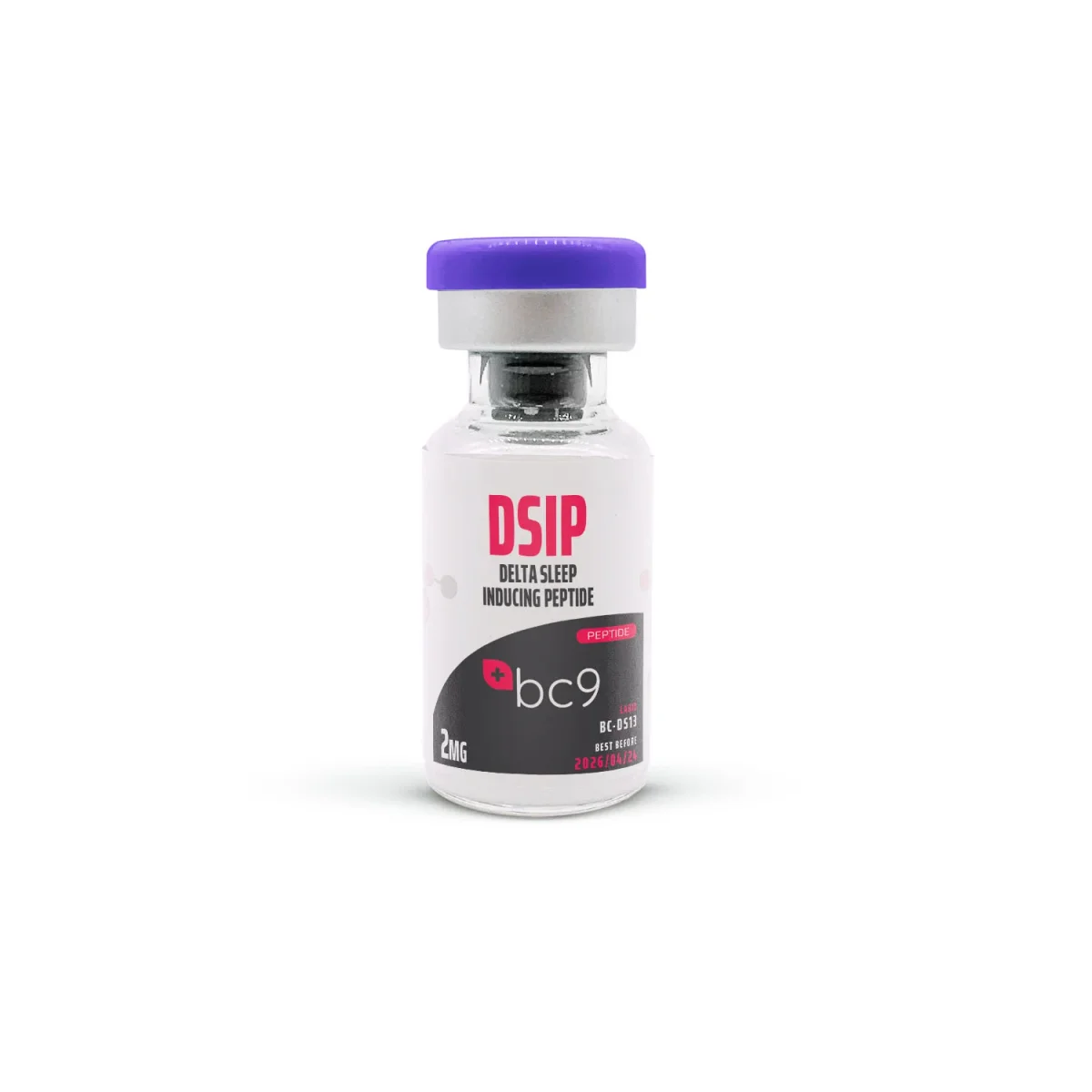
DSIP (Delta Sleep-Inducing Peptide) is an endogenous nonapeptide (sequence Trp-Ala-Gly-Gly-Asp-Ala-Ser-Gly-Glu) isolated in 1977 from rabbit cerebral venous blood by Marcel Monnier's group at the University of Basel. Over 150 papers were published through the mid-1990s reporting effects on slow-wave sleep, HPA-axis activity, and opiate withdrawal in small human and animal cohorts, but research largely stalled thereafter, and no DSIP receptor has been characterized. It is not FDA-approved for any indication and remains a research-only compound with no modern adequately powered randomized controlled trials.