
PEPTIDE-PROFILE
Tesamorelin (Egrifta): The Only FDA-Approved GHRH Analog Explained
What the research actually says about the prescription GHRH analog Egrifta
Last updated: May 1, 2026
Quick Answer
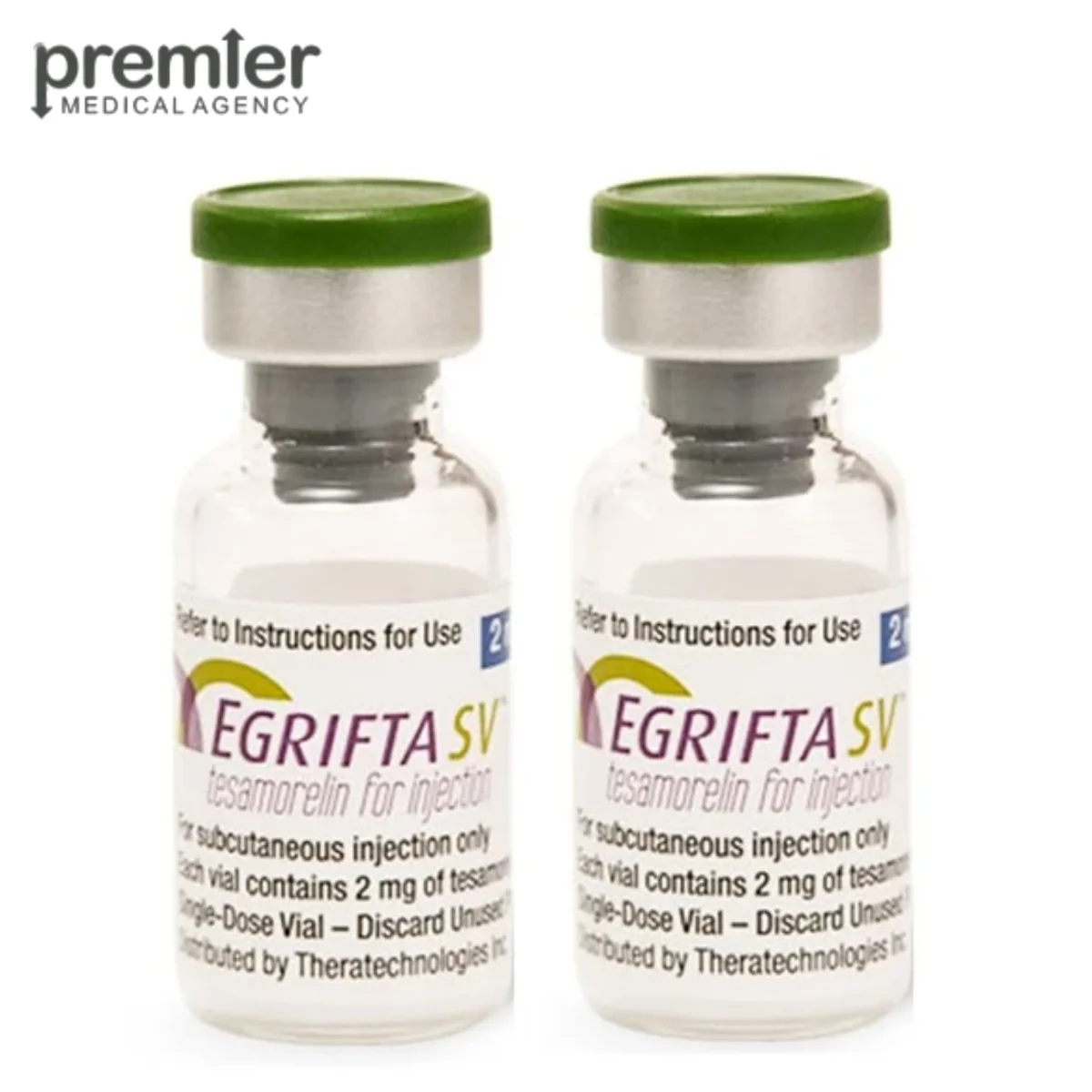
Tesamorelin is a synthetic 44-amino-acid analog of growth hormone-releasing hormone (GHRH), modified with a trans-3-hexenoic acid group at the N-terminus to resist DPP-IV degradation. Developed by Theratechnologies and approved by the FDA in November 2010 under the brand name Egrifta, it is the only GHRH analog to complete Phase III randomized controlled trials and achieve U.S. regulatory approval. Its sole approved indication is the reduction of excess abdominal fat in HIV-infected adults with lipodystrophy, with mechanism research indicating pulsatile GH release and IGF-1-mediated visceral fat lipolysis.
Most peptides discussed in longevity and metabolic research circles exist in a legal and evidentiary gray zone: promising animal data, scattered Phase I or II human trials, and a large volume of self-reported outcomes from online communities. Tesamorelin is a genuine exception. It completed Phase III randomized controlled trials, cleared FDA review, and has been manufactured to pharmaceutical standards under a brand name - Egrifta - since 2010. That's a short list in the secretagogue category.
The approval, however, is narrow. Tesamorelin (Egrifta) is approved specifically for reducing excess abdominal fat in HIV-infected adults with lipodystrophy - a metabolic complication of antiretroviral therapy. It's not approved for general visceral fat reduction, anti-aging, body composition optimization in healthy adults, or any of the other applications that circulate in biohacker communities. Understanding exactly what the approval covers, and what the evidence shows beyond that narrow indication, is the core task of this profile.
This guide covers the chemical identity of tesamorelin, the mechanism research suggests underlies its effects, the Phase III trial data in detail, off-label research and anecdotal reports (clearly labeled as such), dosing ranges from published studies, side effect profiles, how it compares to unapproved GHRH analogs like CJC-1295, and the practical and legal realities of sourcing. It's a research summary, not medical advice, and the distinction between what is FDA-approved and what is speculative is maintained throughout.
Featured Peptides
What Is Tesamorelin? Chemical Identity, Class, and Discovery
Tesamorelin is a synthetic analog of growth hormone-releasing hormone (GHRH), the endogenous hypothalamic peptide responsible for stimulating pituitary secretion of growth hormone (GH). The endogenous human GHRH is a 44-amino-acid peptide (hGRF 1-44). Tesamorelin consists of the full 44-amino-acid sequence of hGRF 1-44 conjugated to a trans-3-hexenoic acid group at the N-terminus. That modification is the key structural difference from native GHRH: it improves stability against dipeptidyl peptidase IV (DPP-IV) degradation, substantially extending the molecule's half-life in circulation compared to unmodified GHRH.
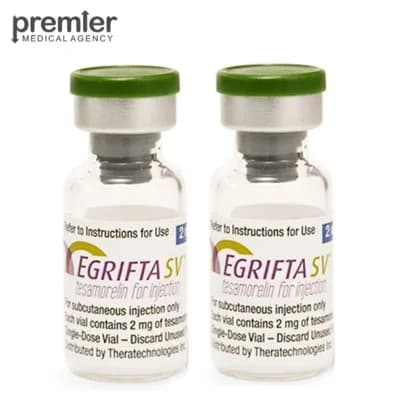
Tesamorelin was developed by Theratechnologies, a Canadian biopharmaceutical company. It received FDA approval in November 2010 under the brand name Egrifta for its approved indication. A reformulated version, Egrifta SV (single-vial), received approval in 2019. The molecule belongs to the GHRH analog class - the same class as CJC-1295, modified GRF 1-29, and sermorelin - but it's the only member of this class to have completed Phase III RCTs and achieved regulatory approval in the United States.
As a research compound, tesamorelin is classified as a growth hormone secretagogue, meaning it stimulates GH secretion rather than supplying exogenous GH directly. That distinction has physiological implications covered in the mechanism section below.
---
Mechanism of Action: How Research Suggests Tesamorelin Works
Tesamorelin binds to GHRH receptors on somatotroph cells in the anterior pituitary gland. This binding stimulates the synthesis and pulsatile release of endogenous growth hormone. The key word is *pulsatile*: because tesamorelin works through the physiological GHRH receptor pathway, GH release retains its natural feedback regulation via somatostatin. This is mechanistically distinct from direct exogenous GH administration, which bypasses the hypothalamic-pituitary axis entirely and can produce sustained, non-pulsatile IGF-1 elevation.
The downstream metabolic effects observed in trials are mediated primarily through IGF-1. GH stimulated by tesamorelin increases hepatic IGF-1 production, which in turn promotes lipolysis - the breakdown of stored fat, particularly visceral adipose tissue (VAT). Visceral fat is metabolically active and associated with insulin resistance, cardiovascular risk markers, and inflammatory cytokine production, which is why it was the target endpoint in the HIV-lipodystrophy trials.
The preservation of the somatostatin feedback loop is frequently cited as a theoretical safety advantage over exogenous GH, because it limits the degree to which IGF-1 can be chronically elevated. Whether this translates to meaningfully different long-term safety outcomes in human populations hasn't been established in long-duration trials.
---
The FDA Approval: What It Covers - and What It Doesn't
The FDA approval for Egrifta (tesamorelin) covers one specific indication:
Reduction of excess abdominal fat in HIV-infected adults with lipodystrophy.
HIV-associated lipodystrophy is a recognized syndrome characterized by abnormal fat redistribution - including significant visceral fat accumulation - associated with long-term antiretroviral therapy (ART). It's not simply obesity; it has a distinct pathophysiology tied to ART-related metabolic disruption.
The approval does NOT cover:
- Visceral fat reduction in non-HIV-infected individuals
- General body composition improvement
- Anti-aging or longevity applications
- Athletic performance or muscle hypertrophy
- Cognitive enhancement
- Any use in pediatric populations
This distinction isn't a technicality. The Phase III trial population was specifically HIV-infected adults on stable ART with documented excess abdominal fat. Extrapolating the efficacy data to healthy adults without lipodystrophy means crossing a significant evidentiary gap. Off-label prescription by physicians is legal in the US, but such use isn't supported by the same evidence depth as the approved indication, and insurance coverage outside the approved indication is typically not available.
---
Evidence Summary: Phase III RCT Data, Off-Label Research, and Anecdotal Reports
Human Trial Evidence (Highest Quality)
The primary Phase III data supporting FDA approval comes from two pivotal randomized, double-blind, placebo-controlled trials:
LIPO-010 and LIPO-011 (reported approximately 2008-2010): These trials enrolled HIV-infected adults with lipodystrophy and measured visceral adipose tissue by CT scan at baseline and after 26 weeks of treatment. Tesamorelin at 2 mg/day subcutaneously produced a statistically significant reduction in VAT compared to placebo - roughly 15-18% reduction in VAT from baseline in treated groups versus minimal change in placebo groups across pooled analyses. IGF-1 levels increased in treated patients. A 26-week extension phase examined maintenance of effect and rebound upon discontinuation.
Key finding from extension data: VAT reductions were largely reversed within 6 months of discontinuation, returning toward baseline levels. That finding matters for understanding tesamorelin as an intervention - it appears to require continued administration to maintain effect.
A smaller subsequent trial examined tesamorelin in HIV-infected patients with abdominal obesity and elevated triglycerides, finding modest triglyceride reductions alongside VAT reduction. Evidence for lipid effects is less robust than for VAT reduction.
Off-Label Human Research
Preliminary research has examined tesamorelin in populations outside the approved indication:
- Cognitive function in older adults: A randomized trial (approximately n=152, published 2019 in JAMA Internal Medicine by Friedman et al.) examined tesamorelin vs. placebo in older adults (mean age approximately 68) and reported improvements in verbal memory and executive function in the treated group. This is among the more rigorous off-label human data available, but it's a single trial and needs replication before any conclusions can be drawn.
- Body composition in non-HIV adults: Some smaller studies and case series have examined VAT and lean mass outcomes in non-HIV individuals, but sample sizes are substantially smaller and study designs less rigorous than the Phase III trials.
*These off-label findings are preliminary and don't carry the evidentiary weight of the Phase III approval data.*
Animal Study Evidence
Preclinical data in rodent models supported the Phase III design, showing GH secretagogue effects, IGF-1 elevation, and lipolytic activity consistent with GHRH receptor agonism. Animal study findings are noted here for mechanistic context only and don't predict human outcomes with certainty.
Anecdotal and Self-Report Evidence
A substantial volume of self-reported outcomes circulates in biohacking forums, Reddit communities (r/Peptides, r/PEDs), and longevity podcasts. Common self-reported observations include perceived reductions in abdominal fat, improved sleep quality (attributed to GH pulse augmentation), and improved recovery. These reports are uncontrolled, subject to placebo effects and confounding variables, and can't be used to establish efficacy or safety. They're noted here for completeness, not as evidence of effect.
---
Dosing in Research and Clinical Contexts: Ranges from Published Studies
> Important disclaimer: The dosing information below is drawn from published research and clinical trial data for educational purposes only. It is NOT a recommendation for human use. Tesamorelin is a prescription medication in its approved indication and a research chemical in all other contexts. Do not self-administer based on this or any other online source.
Approved clinical dose: 2 mg administered subcutaneously once daily in the approved HIV-lipodystrophy indication. This is the dose studied in Phase III trials and specified in FDA-approved prescribing information.
Route of administration in trials: Subcutaneous injection, typically in the abdomen. The Egrifta SV formulation is a single-vial preparation designed to simplify reconstitution.
Duration in trials: 26 weeks in the primary Phase III studies, with extension phases going to 52 weeks in some participants.
Cognitive research dosing: The Friedman et al. 2019 trial used 1 mg/day tesamorelin in older adults - a lower dose than the approved metabolic indication.
Research-chemical market dosing: Anecdotal community reports mention doses ranging from 1-2 mg/day, often in cycles of 3-6 months with breaks, sometimes combined with GHRPs such as ipamorelin. These protocols aren't drawn from controlled trials and carry no evidentiary backing.
Half-life considerations: The trans-3-hexenoic acid modification extends tesamorelin's half-life compared to native GHRH, which has a half-life of minutes. Tesamorelin's plasma half-life has been reported in the range of approximately 26-38 minutes in pharmacokinetic studies - short enough that once-daily dosing produces a GH pulse rather than sustained elevation, consistent with the physiological pulsatility rationale.
---
Reported Side Effects and Contraindications
From Phase III Trial Data and FDA Prescribing Information
The following adverse effects were reported at higher rates in tesamorelin-treated subjects vs. placebo in Phase III trials:
- Injection site reactions: The most commonly reported adverse event - erythema, pruritus, pain, and induration at the injection site
- Fluid retention: Peripheral edema, arthralgia (joint pain), and myalgia consistent with GH-mediated fluid retention effects
- Glucose metabolism effects: IGF-1 elevation can reduce insulin sensitivity. Worsening glycemic control has been reported. Tesamorelin is contraindicated in patients with active malignancy given IGF-1's role in cell proliferation
- IGF-1 elevation: Monitored in trials; elevated IGF-1 is a clinical marker tracked during treatment
- Hypersensitivity reactions: Reported in post-marketing surveillance
Contraindications (From Prescribing Information)
- Disruption of the hypothalamic-pituitary axis due to hypophysectomy, hypopituitarism, or tumor
- Active malignancy
- Pregnancy (Category X equivalent - fetal harm demonstrated in animal studies)
- Known hypersensitivity to tesamorelin or its components
Off-Label Risk Considerations
Use outside the approved indication and outside pharmaceutical manufacturing standards introduces additional risk variables: unknown purity, unknown stability, absence of clinical monitoring, and absence of the contraindication screening that happens in a prescription pathway. These aren't theoretical concerns - research-chemical peptide markets have documented problems with bacterial contamination, incorrect concentration, and product substitution.
---
How Tesamorelin Compares to Research-Chemical GHRH Analogs (CJC-1295, Ipamorelin, MK-677)
This comparison comes up frequently in the research community. The honest answer is that it's asymmetric: tesamorelin has a qualitatively different evidence base from any of the alternatives.
CJC-1295 (Modified GRF 1-29 with DAC, or without DAC)
CJC-1295 is a GHRH analog that, in its DAC (Drug Affinity Complex) form, has a dramatically extended half-life (approximately 6-8 days) compared to tesamorelin's approximately 26-38 minutes. This produces a sustained rather than pulsatile GH elevation, which some researchers argue reduces the physiological mimicry of natural GH secretion and may have different safety implications for long-term IGF-1 elevation. CJC-1295 has Phase I data in healthy adults (a 2006 study by Jetté et al. in Growth Hormone and IGF Research, n=66) showing dose-dependent IGF-1 elevation, but no Phase III trial data and no regulatory approval anywhere. Its legal status is that of a research chemical globally.
Ipamorelin
Ipamorelin is a growth hormone releasing peptide (GHRP), not a GHRH analog - a mechanistically distinct category. It acts on the ghrelin/GHS-R1a receptor rather than the GHRH receptor. It's frequently combined with GHRH analogs in research protocols because the two pathways have synergistic effects on GH release. Ipamorelin has animal study data and some small human pharmacokinetic data but no Phase III trials and no regulatory approval. It's a research chemical.
MK-677 (Ibutamoren)
MK-677 is an orally bioavailable ghrelin mimetic (non-peptide GHS-R1a agonist), making it unique in this category - it doesn't require injection. It's been through Phase II trials for muscle wasting in older adults and cachexia, and some of that data is reasonably robust. It produces sustained GH and IGF-1 elevation rather than pulsatile release, though, and is associated with significant insulin resistance, water retention, and in some trial populations, increased falls and adverse cardiac events in older subjects. It has no current FDA approval for any indication and is sold as a research chemical.
Summary Comparison
| Compound | Class | Human Trial Quality | FDA Approval | Legal Status |
|---|---|---|---|---|
| Tesamorelin (Egrifta) | GHRH analog | Phase III RCT | Yes (narrow indication) | Prescription (US) |
| CJC-1295 | GHRH analog | Phase I only | No | Research chemical |
| Ipamorelin | GHRP/ghrelin mimetic | Animal + Phase I fragments | No | Research chemical |
| MK-677 | Non-peptide GHS mimetic | Phase II (selected indications) | No | Research chemical |
Tesamorelin's evidence advantage is real but shouldn't be overstated for off-label applications: the Phase III data is specific to HIV-lipodystrophy, and the cognitive and body composition data in healthy adults is considerably thinner.
---
Where Tesamorelin Sits in the Broader Metabolic Peptide Landscape
The metabolic peptide research space has expanded significantly in the last decade, and tesamorelin occupies a specific and somewhat isolated position within it. GLP-1 agonists (semaglutide, tirzepatide) have largely displaced GHRH analogs in public and clinical attention for metabolic applications - and with significantly stronger evidence bases for weight loss in broader populations. These are prescription drugs with broad FDA approvals and growing clinical infrastructure; telehealth platforms like Ro, Hims, and Mochi Health provide legal prescription pathways for qualifying patients.
For metabolic researchers specifically interested in visceral fat and the GH/IGF-1 axis rather than GLP-1-mediated mechanisms, tesamorelin remains a mechanistically distinct and uniquely evidence-backed option within the secretagogue category. Its role in HIV-lipodystrophy management is established. Its role in broader metabolic optimization remains investigational.
Combination protocols pairing GHRH analogs with GHRPs (often ipamorelin) are common in the research-chemical community based on the theoretical synergy between GHRH-receptor and GHS-R1a pathways, but these protocols lack the trial infrastructure that would establish their safety and efficacy in human populations. Tesamorelin isn't typically the GHRH analog used in these community protocols either - cost and prescription access barriers make CJC-1295 or modified GRF 1-29 far more common in that context.
---
Legal Status by Region: US, UK, EU, and Australia
United States
Tesamorelin is an FDA-approved prescription drug (Egrifta, Egrifta SV). Possession and use outside a valid prescription is not legal. Research institutions may obtain it under appropriate research frameworks. The research-chemical market does sell tesamorelin in the US, but this operates in a legal gray area at best, and sourcing pharmaceutical-grade compounds through non-prescription channels creates both legal and safety risk.
United Kingdom
Tesamorelin is not approved by the MHRA for any indication. It's not a specifically scheduled substance under the Misuse of Drugs Act in most formulations, but its sale for human use would be subject to Medicines Act regulations. It circulates as a research chemical. The legal situation for personal importation is ambiguous and carries regulatory risk.
European Union
Tesamorelin (Egrifta) is not approved by the European Medicines Agency (EMA). Research-chemical sourcing applies. Individual member state regulations vary on peptide importation and possession for personal use.
Australia
The Therapeutic Goods Administration (TGA) has not approved tesamorelin. Australia maintains a relatively strict regulatory posture toward unapproved peptides. The TGA explicitly lists numerous peptides as Schedule 4 (prescription only) even without specific approval, and enforcement has increased in recent years. Importation of unapproved therapeutic goods carries legal risk under Australian Border Force and TGA frameworks.
---
Sourcing Considerations: Prescription Pathway vs. Research-Chemical Market
Prescription Pathway (Appropriate for Qualifying Patients)
For HIV-infected adults with documented lipodystrophy in the US, the prescription pathway through Egrifta is the appropriate route. This provides pharmaceutical-grade product with full regulatory manufacturing oversight, COA backing, sterility assurance, and appropriate clinical monitoring (IGF-1 levels, glucose). Cost is the primary barrier: Egrifta runs approximately $1,200-$3,500+ per month depending on the formulation and payer context. Insurance coverage is typically restricted to the approved indication with documentation of HIV status and lipodystrophy. Out-of-pocket cost makes off-label use financially prohibitive for most individuals.
Research-Chemical Market
A market for tesamorelin sold as a research chemical exists, primarily through peptide vendors operating in the US and internationally. The concerns applicable to all research-chemical peptide sourcing apply here with particular force, given tesamorelin's complexity as a 44-amino-acid conjugated peptide:
- Certificate of Analysis (COA): Any credible vendor should provide a COA from an independent third-party laboratory - not in-house testing - confirming identity by mass spectrometry and purity by HPLC. Minimum acceptable purity for research-grade peptides is typically greater than 98% by HPLC. Ask for the specific lab and batch number.
- Red flags: No COA, a COA from an unnamed or unverifiable lab, pricing dramatically below market (complex 44-AA peptides with N-terminal conjugation aren't cheap to manufacture correctly), no age verification, no clear return or replacement policy for failed batches.
- Bacterial endotoxin testing: Ideally the COA includes LAL (limulus amebocyte lysate) endotoxin testing, particularly for peptides intended for subcutaneous administration in research contexts.
- Stability and storage: Lyophilized tesamorelin requires refrigeration; reconstituted peptide is fragile. Vendors who can't advise on proper storage conditions are a red flag.
This site does not endorse or link to specific research-chemical vendors. The research-chemical sourcing route for tesamorelin operates outside the prescription framework and carries legal and safety risks that the prescription pathway does not.
---
Regulatory Disclaimer and Where to Learn More
*This content is published for educational and research-aggregation purposes only. It does not constitute medical advice, and nothing in this profile should be interpreted as a recommendation to use tesamorelin or any other peptide. Tesamorelin (Egrifta) is an FDA-approved prescription drug for a specific, narrow indication. Use outside that indication, or outside a valid prescription in jurisdictions where it is a controlled or regulated substance, may carry legal and health risks. Peptide Guides does not endorse self-administration of any compound discussed in this publication.*
Where to Learn More
- FDA prescribing information for Egrifta SV: Available via FDA.gov (search "Egrifta SV prescribing information")
- PubMed: Search "tesamorelin" filtered to clinical trials for the primary Phase III data. Key author names include Falutz J (lead investigator on primary Phase III publications) and Friedman SD (cognitive trial)
- ClinicalTrials.gov: Search "tesamorelin" for completed and ongoing registered trials
- Theratechnologies investor publications: Provide background on trial design and regulatory history
- The Endocrine Society guidelines on HIV-associated lipodystrophy: Provide clinical context for the approved indication
Tips
- 1.When reviewing tesamorelin research, distinguish strictly between Phase III trial data (HIV-lipodystrophy population, CT-verified VAT endpoints) and smaller off-label studies (cognitive function, non-HIV body composition) - the evidentiary weight isn't equivalent, and conflating them is a common error in community discussions.
- 2.If evaluating tesamorelin through a prescription pathway, verify that the prescribing physician is monitoring IGF-1 levels and fasting glucose. Both are clinically relevant markers tracked in the Phase III trials and specified in prescribing guidance - not optional add-ons.
- 3.When requesting a COA from any research-chemical peptide vendor, ask specifically for third-party HPLC purity data and mass spectrometry identity confirmation on the specific batch number you're purchasing - not a generic or undated document. A vendor who can't produce that shouldn't be on your list.
The Bottom Line
Tesamorelin (Egrifta) earns its unusual position in the peptide landscape through a genuinely rigorous evidence base - Phase III RCTs, CT-verified outcomes, and an FDA approval that no other GHRH analog has achieved. That evidence is real, but it's specific: it covers visceral fat reduction in HIV-associated lipodystrophy, the effects reverse upon discontinuation, and the cost and access barriers make off-label use practically difficult for most. For researchers mapping the secretagogue category, it's the evidentiary benchmark. For individuals outside the approved indication, the gap between what the trials actually establish and what circulates in biohacker communities remains substantial - and worth keeping in mind.
Frequently Asked Questions
Is tesamorelin FDA approved for human use?
How does tesamorelin differ from taking growth hormone (HGH) directly?
What does the clinical evidence say about tesamorelin and visceral fat reduction?
What are the reported side effects of tesamorelin from clinical trials?
Can you get tesamorelin legally without an HIV diagnosis?
What dosing is used in tesamorelin research studies?
Related Guides
PEPTIDE-PROFILE
PT-141 (Bremelanotide) Research Summary: Mechanism, Evidence, and Legal Status
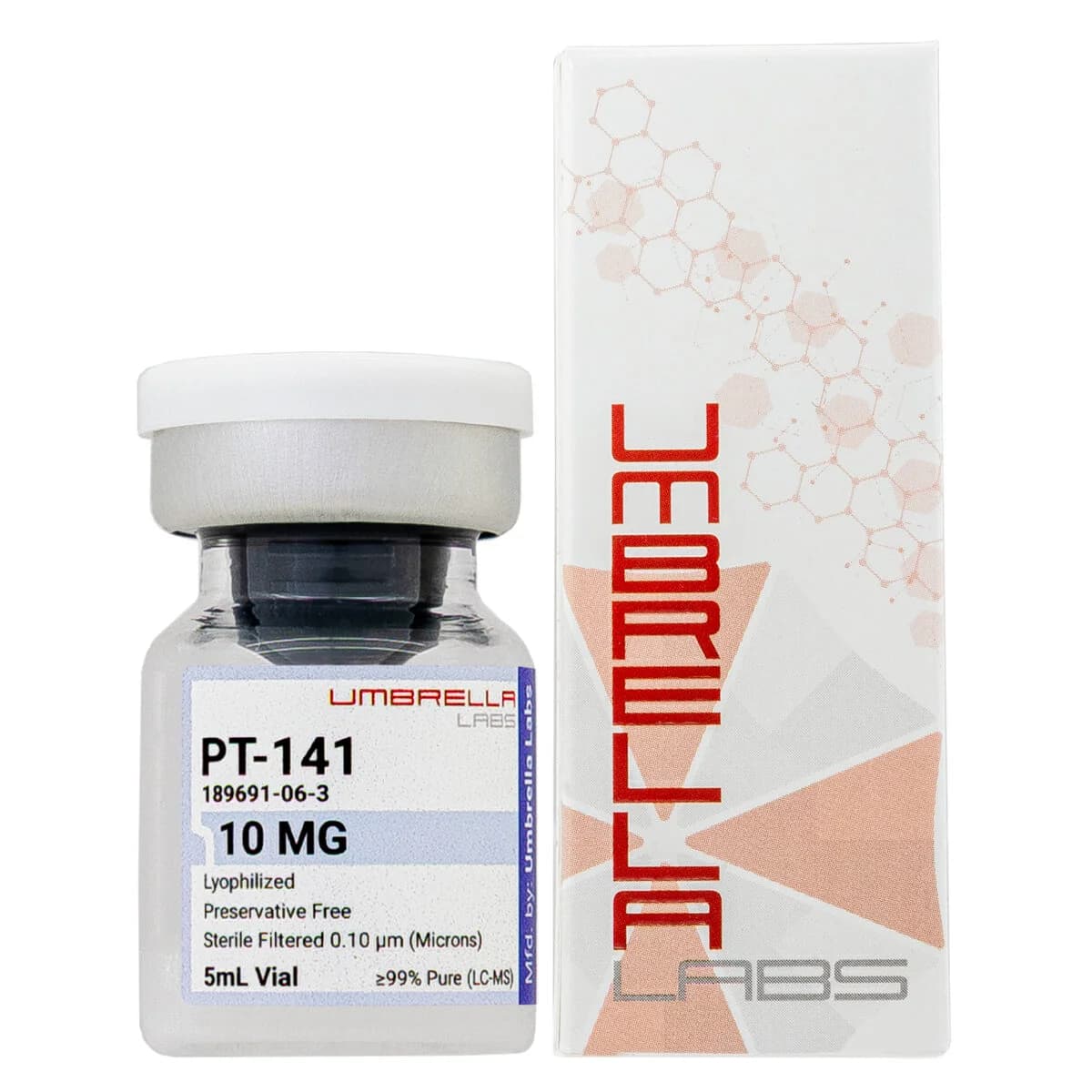
PT-141 (bremelanotide) is a synthetic cyclic heptapeptide and melanocortin receptor agonist (acting primarily at MC3R and MC4R) that the FDA approved as Vyleesi on June 21, 2019, for acquired, generalized hypoactive sexual desire disorder in premenopausal women. The approval was supported by the Phase 3 RECONNECT program (Studies 301 and 302), two placebo-controlled trials enrolling roughly 1,200 women using 1.75 mg subcutaneous injections. Research-chemical PT-141 shares bremelanotide's amino acid sequence but is not manufactured to pharmaceutical GMP standards and carries no approved indication; legitimate clinical access requires a Vyleesi prescription.
PEPTIDE-PROFILE
DSIP (Delta Sleep-Inducing Peptide): Research Summary and Evidence Review
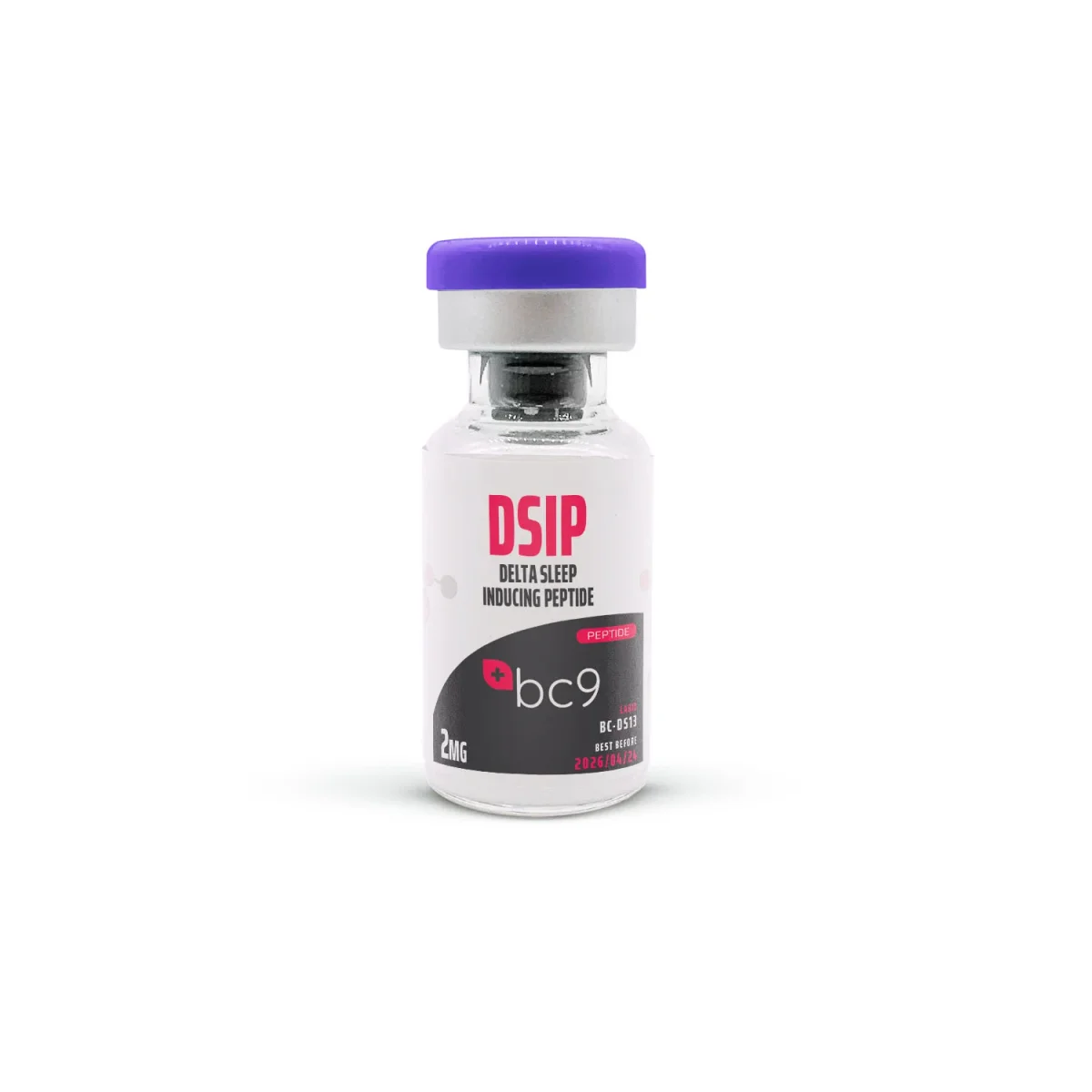
DSIP (Delta Sleep-Inducing Peptide) is an endogenous nonapeptide (sequence Trp-Ala-Gly-Gly-Asp-Ala-Ser-Gly-Glu) isolated in 1977 from rabbit cerebral venous blood by Marcel Monnier's group at the University of Basel. Over 150 papers were published through the mid-1990s reporting effects on slow-wave sleep, HPA-axis activity, and opiate withdrawal in small human and animal cohorts, but research largely stalled thereafter, and no DSIP receptor has been characterized. It is not FDA-approved for any indication and remains a research-only compound with no modern adequately powered randomized controlled trials.
PEPTIDE-PROFILE
Thymosin Alpha-1: Immune-Modulator Research Summary (2024 Evidence Review)
Thymosin Alpha-1 is a 28-amino-acid immunomodulatory peptide derived from prothymosin alpha, first isolated in 1977 by Allan Goldstein at George Washington University and marketed pharmaceutically as Zadaxin in parts of Asia and Eastern Europe. Research suggests it acts as an endogenous TLR2 and TLR9 ligand, promoting Th1 differentiation and increasing IFN-gamma, IL-2, and NK cell activity. Multiple randomized controlled trials support its use in chronic hepatitis B, hepatitis C, sepsis, and cancer-adjuvant contexts, but it remains unapproved in the US, UK, EU, and Australia, where it is sold under research-chemical status.