
COMPARISON
Selank vs Semax: Two Russian Nootropic Peptides Compared by Mechanism, Evidence, and Research Context
Anxiolytic vs cognitive enhancer: what the research actually separates these two
Last updated: August 18, 2026
Quick Answer
For researchers focused on cognitive enhancement and neuroprotection mechanisms, Semax has the edge over Selank: its BDNF upregulation pathway is better characterized, its institutional trial base reaches into stroke and cognitive deficit research, and its pharmacological target is more clearly defined. The Russian-literature caveat applies equally to both compounds, and neither should be mistaken for a validated therapeutic.
Selank and Semax occupy a peculiar corner of the peptide research space: both carry genuine pharmaceutical registration in Russia, both are delivered intranasally, and both get grouped together in nootropic discussions as if they're near-identical compounds. They're not.
The comparison is worth making precisely because it shows how differently two peptides from the same institutional tradition can behave pharmacologically. Selank's primary research signal is anxiolytic and immunomodulatory - its mechanism involves GABAergic and enkephalinergic pathways, and most of its trial base is concentrated in anxiety and stress-response contexts. Semax's research trajectory points somewhere different: BDNF upregulation, neuroprotection, and cognitive enhancement following ischemic injury. These compounds attract overlapping audiences, but they tell distinct pharmacological stories.
What this guide doesn't do: it doesn't recommend either peptide for human use, and it doesn't treat Russian institutional trial data as equivalent to Western randomized controlled trials. Both compounds sit in a regulatory gray zone outside Russia and the CIS, both are sold as research chemicals in Western markets with no enforced quality control, and both carry evidence profiles that serious researchers should approach with calibrated skepticism. This guide maps the differences between them with that methodology-first framing throughout.
Featured Peptides
Semax has a more clearly characterized mechanism (BDNF upregulation via ACTH fragment pharmacology), a broader institutional trial base including pharmaceutical registration for ischemic stroke, and a more defined pharmacological target than Selank - all of which make it the more research-tractable compound of the two. The very short plasma half-life (5 to 10 minutes) introduces meaningful protocol complexity, and the Russian-literature caveat applies equally here as it does to Selank. For researchers specifically interested in neuroprotection or cognitive enhancement mechanisms, Semax is the stronger starting point within this comparison.
Semax is the more extensively studied compound in this comparison pair, with pharmaceutical registration across two countries and a BDNF-upregulation mechanism that anchors its research rationale more precisely than Selank's multi-pathway profile.
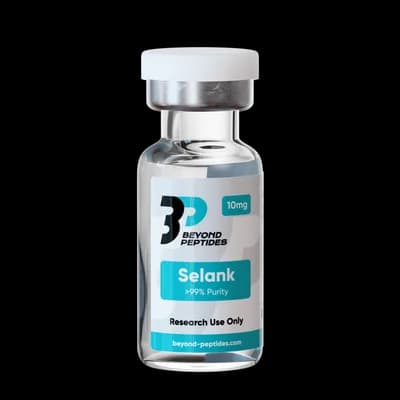
Selank occupies a legitimate research niche in anxiolytic and stress-response investigation, and its tuftsin-derived immunomodulatory properties represent a line of research that Semax simply doesn't address. Its mechanistic profile is, however, less precisely characterized than Semax's - multiple overlapping pathways with incomplete mapping make both safety extrapolation and effect attribution harder. For researchers whose primary interest is anxiety-adjacent or immunomodulatory mechanisms, Selank is the more relevant compound; for cognitive enhancement or neuroprotection questions, Semax is better positioned.
Selank is the comparative counterpart to Semax in this guide, representing the anxiolytic and immunomodulatory branch of Russian institutional peptide research versus Semax's cognitive and neuroprotective focus.
Overview: Why These Two Peptides Get Compared - and What That Comparison Can and Can't Tell Us
Selank and Semax appear together in nootropic forums, vendor catalogs, and research databases with enough regularity that the pairing feels natural. Both peptides emerged from Soviet and post-Soviet Russian neuroscience institutions. Both are registered pharmaceuticals in Russia and several CIS countries. Both are delivered intranasally. Both are short-chain peptides with relatively short half-lives. And both are sold as research chemicals in the United States, United Kingdom, EU, and Australia, where they carry no approved therapeutic status.
The comparison has genuine value - but only if it's framed correctly. What it can't tell us: that either peptide is safe or effective for human use in Western research contexts. What it can tell us: where the mechanistic and evidentiary profiles diverge, which research questions each compound is better positioned to address, and how to read the existing literature without overstating its conclusions.
A key methodological caveat applies to everything that follows: the bulk of controlled clinical evidence for both compounds comes from Russian institutions using trial designs and reporting standards that don't consistently meet the criteria Western peer reviewers would require. That's not a dismissal of that evidence - it's a necessary framing device. Several Russian trials are genuine scientific contributions. But independent replication in Western peer-reviewed journals remains limited for both compounds, and that gap matters when you're assessing confidence levels.
---
Chemical Identity and Origins: What Selank and Semax Actually Are
Selank
Selank (systematic name: Thr-Lys-Pro-Arg-Pro-Gly-Pro) is a heptapeptide derived from the endogenous immunomodulatory tetrapeptide tuftsin (Thr-Lys-Pro-Arg), with a proline-glycine-proline tripeptide added to improve metabolic stability. It was developed at the Institute of Molecular Genetics of the Russian Academy of Sciences and the Institute of Pharmacology, Russian Academy of Medical Sciences. Selank holds pharmaceutical registration in Russia under the brand name Selank, indicated for anxiety disorders and asthenic conditions.
Molecular weight is approximately 863 Da. The added tripeptide tail substantially extends its biological half-life relative to native tuftsin, which degrades within minutes in plasma. Even so, Selank's half-life in research contexts is reported at roughly 1 to 2 hours - which means multiple daily administrations are needed in protocols designed to maintain consistent exposure.
Semax
Semax (systematic name: Met-Glu-His-Phe-Pro-Gly-Pro) is a heptapeptide analogue of the ACTH(4-7) fragment, with the same proline-glycine-proline C-terminal extension used in Selank. It was developed at the Institute of Molecular Genetics and the Engelhardt Institute of Molecular Biology. Semax is registered in Russia and Ukraine as a pharmaceutical, indicated for use in ischemic stroke, cognitive impairment, and optic nerve disorders.
Molecular weight is approximately 887 Da. Semax shares the proline-glycine-proline stabilization strategy with Selank, but its plasma half-life is considerably shorter - estimated at 5 to 10 minutes in some pharmacokinetic analyses, though central nervous system effects are reported to persist substantially longer. That discrepancy suggests CNS retention that plasma kinetics alone don't explain.
Both compounds are synthetic peptides. Neither is naturally occurring in the human body, though both are structurally derived from endogenous precursors.
---
Mechanism of Action: Where the Pharmacological Profiles Diverge
This is the most important section of this comparison, because the mechanistic divergence is what drives the difference in appropriate research applications.
Selank's Proposed Mechanisms
Research suggests Selank acts through several overlapping pathways - which is both a feature and a complication:
GABAergic modulation: Studies in animal models indicate Selank may potentiate GABAergic neurotransmission, consistent with its observed anxiolytic effects. Unlike benzodiazepines, which bind directly to GABA-A receptor allosteric sites, Selank's mechanism appears indirect and isn't fully characterized. That distinction matters for dependency and withdrawal risk - but the incompleteness of the mechanism also limits how far safety extrapolation can go.
Enkephalinergic pathway interaction: Preliminary research suggests Selank inhibits enkephalin-degrading enzymes, potentially increasing endogenous opioid peptide availability. This pathway may contribute to both the anxiolytic and mood-modulating effects observed in trials.
BDNF expression: Some studies report Selank increases brain-derived neurotrophic factor expression, which overlaps with Semax's better-characterized BDNF mechanism. The magnitude and consistency of this effect in Selank research is less robustly documented than in the Semax literature.
Immunomodulation via tuftsin lineage: Because Selank is derived from tuftsin - a peptide with well-documented immunomodulatory activity - research has examined whether Selank retains tuftsin-like immune effects. Some Russian trials report effects on cytokine balance, though this line of research is less developed than the anxiolytic work.
The mechanistic complexity is a genuine research complication. When a compound acts through multiple overlapping pathways that remain incompletely mapped, attributing observed effects to specific mechanisms gets harder, and predicting interaction profiles gets harder still.
Semax's Proposed Mechanisms
Semax's mechanism is more narrowly focused and better characterized - which is one of the reasons it scores slightly higher in the featured product assessment.
BDNF upregulation: The most consistently reported mechanism. Multiple studies - including some with reasonable methodology - report that Semax administration upregulates BDNF expression in hippocampal and cortical tissue. BDNF is well-established as critical to neuronal survival, synaptic plasticity, and learning. The biological plausibility of a cognitive enhancement or neuroprotective effect via this pathway is strong.
ACTH(4-7) fragment activity: Semax is structurally derived from ACTH(4-7), which has documented effects on attention, learning, and stress response in animal models independent of adrenal activity - meaning without the corticosteroid-mediated effects of full ACTH. Research suggests the cognitive effects of Semax may partially reflect this ACTH fragment pharmacology.
Dopaminergic and serotonergic modulation: Animal studies report Semax influences dopamine and serotonin turnover in specific brain regions, though the clinical significance of these findings in human contexts hasn't been established.
Neuroprotection following ischemia: The most clinically directed Semax research focuses on neuroprotection in ischemic conditions. Studies in rat models and human stroke trials (Russian institutional data) report reduced infarct size and improved functional recovery with Semax administration. This is the core indication for which Semax holds pharmaceutical registration in Russia.
---
Evidence Quality Assessment: Russian Institutional Trials vs Western Peer-Review Standards
Both compounds face the same fundamental evidentiary challenge: the majority of controlled clinical data comes from Russian institutions that operated under different trial design conventions, publication norms, and peer-review standards than those applied in Western journals.
This doesn't mean Russian institutional trials are fabricated or worthless. Some are genuine scientific contributions with reasonable methodology. What it does mean:
- Sample sizes in Russian clinical trials for both compounds are often small (frequently under 60 participants)
- Placebo controls aren't uniformly present across all reported studies
- Blinding procedures are inconsistently described
- Raw data accessibility for independent meta-analysis is limited
- English-language publication has been sparse, reducing international peer review
- Conflict of interest disclosures vary considerably by publication and era
For researchers applying Cochrane-style evidence grading: most of the Selank and Semax human trial evidence would fall into "low" to "very low" certainty categories under GRADE methodology - not because the effects are implausible, but because the evidence base doesn't yet meet the structural requirements for high confidence. Animal model evidence for both compounds is more extensive and generally published to higher standards, but animal-to-human translation in neuropharmacology has a notoriously poor track record.
The practical implication: both compounds warrant continued research interest, but neither warrants high-confidence claims about human efficacy or safety based on the current published literature.
---
Selank Evidence Summary: Anxiety, Stress Response, and Immunomodulation Research
Human Trial Evidence (Labeled as Such)
Russian clinical trials have examined Selank primarily in populations with generalized anxiety disorder and neurasthenic conditions. A frequently cited trial involved approximately 60 patients with generalized anxiety disorder comparing Selank intranasal administration to medazepam (a benzodiazepine). Preliminary reports from this research suggest comparable anxiolytic effect with a reportedly more favorable side-effect profile and no observed dependency markers. The full methodology and raw data from this trial haven't been independently verified in Western peer-reviewed contexts.
Additional Russian institutional research has examined Selank in stress-response contexts, reporting effects on cortisol dynamics and immune markers. Sample sizes and study quality vary across this literature.
Animal Model Evidence
Animal studies - which are more accessible in international literature - report consistent anxiolytic effects in rodent models using elevated plus maze and open field paradigms. BDNF expression changes in hippocampal tissue have been reported in rodent experiments. Immunomodulatory effects consistent with tuftsin lineage have been documented in several animal studies.
Anecdotal and Self-Report Evidence (Labeled as Such)
User self-reports in forums and research communities frequently describe Selank as producing a calm, focused state without sedation, with onset around 15 to 30 minutes via intranasal administration. Reports of dependency or withdrawal are rare in publicly documented self-experimentation, which is at least consistent with the Russian trial observations - but anecdotal self-report can't substitute for controlled study.
What the Evidence Does and Doesn't Support
The evidence base supports continued research interest in Selank's anxiolytic and immunomodulatory properties. It doesn't support confident claims about human efficacy, optimal dosing, long-term safety, or mechanism-specific effects outside of laboratory-controlled conditions.
---
Semax Evidence Summary: Cognitive Enhancement, BDNF Upregulation, and Neuroprotection Research
Human Trial Evidence (Labeled as Such)
Semax has a somewhat broader institutional trial base than Selank, likely because its pharmaceutical registration extends to ischemic stroke - a condition with stronger clinical trial infrastructure in Russia. Trials in stroke populations report improved functional outcomes and reduced neurological deficit scores, with sample sizes typically ranging from 30 to 200 participants across multiple studies. These trials form the basis for its pharmaceutical registration.
Research in cognitive impairment contexts - including post-stroke cognitive deficits and age-related cognitive decline - similarly originates primarily from Russian institutions. The same methodological caveats apply.
A small number of studies have examined Semax in optic nerve atrophy, which represents another registered indication in Russia.
Animal Model Evidence
Semax has a substantial animal model literature. BDNF upregulation in hippocampal tissue is among the most consistently replicated findings across species. Neuroprotective effects in ischemia models are also well-documented. Cognitive enhancement in learning and memory paradigms has been reported in multiple rodent studies.
Anecdotal and Self-Report Evidence (Labeled as Such)
User self-reports describe Semax as producing enhanced focus, verbal fluency, and processing speed, with effects reportedly noticeable within 15 to 30 minutes of intranasal administration. Some users self-report a mild stimulant-adjacent quality that's distinct from Selank's calmer profile. These reports aren't controlled data and should be read accordingly.
What the Evidence Does and Doesn't Support
The neuroprotection and BDNF evidence for Semax is more developed than Selank's evidence base, particularly in the ischemic stroke context. Cognitive enhancement in healthy populations remains less well-supported by controlled trial data. The BDNF mechanism is biologically plausible and reasonably well-characterized at the preclinical level.
---
Delivery, Half-Life, and Practical Research Protocol Differences
Both compounds use intranasal delivery as the primary research administration route. This isn't arbitrary: intranasal administration provides access to the olfactory pathway, which offers a relatively direct route to CNS tissue without requiring systemic circulation across the blood-brain barrier. Both compounds also degrade rapidly in the GI tract, making oral administration ineffective.
Selank half-life: roughly 1 to 2 hours in plasma, which necessitates multiple daily administrations in research protocols designed to maintain consistent exposure windows. Intranasal formulations should be stored refrigerated and used within manufacturer-specified windows after reconstitution.
Semax half-life: roughly 5 to 10 minutes in plasma - substantially shorter than Selank. Despite this very short plasma half-life, research suggests CNS effects persist for significantly longer periods, indicating tissue retention or downstream signaling that extends well beyond plasma clearance. Pre-mixed intranasal solutions degrade rapidly and require careful cold-chain storage and timely use after preparation.
The practical implication for research protocols: Semax requires more careful timing discipline given its rapid degradation, and solution stability is a more acute concern. Both compounds need refrigeration; both degrade faster at room temperature and faster still in solution compared to lyophilized powder.
---
Dosing Ranges Reported in Research Contexts - Not a Recommendation
> Disclaimer: The following dosing information is drawn from published research studies and institutional trial reports. It describes doses used in research contexts only - it's not a recommendation for human use, and Peptide Guides doesn't endorse self-administration of either compound. Both Selank and Semax are research chemicals outside Russia and CIS countries, with no approved therapeutic status in the US, UK, EU, or Australia.
Selank Dosing in Published Research
Russian clinical trials have most commonly examined Selank at concentrations of 0.15% in intranasal solution. Daily doses in trial reports range from 200 to 900 micrograms, administered in divided doses (typically 2 to 3 times daily given the short half-life). Trial durations reported in the literature range from 10 days to several weeks. Doses outside this range appear rarely in the published literature.
Semax Dosing in Published Research
Semax has been examined across a wider dose range in the Russian literature. Intranasal concentrations of 0.1% and 1% have both been used. Daily doses in stroke and cognitive impairment trials range from approximately 200 micrograms to 3 milligrams, depending on the study and indication. Neuroprotection trials in acute stroke contexts have used higher doses over shorter administration windows than trials in chronic cognitive impairment contexts.
Comparative Note
The dose ranges for both compounds are narrow enough that formulation concentration matters significantly. Vendors supplying the wrong concentration intranasal solution - which isn't uncommon in the research chemical market - can result in substantial dose miscalculation. That's a sourcing-quality issue, not just a protocol-design issue.
---
Reported Side Effects and Contraindications: What Both Literatures Document
Selank Reported Side Effects
Russian trial literature describes Selank as well-tolerated with a favorable side-effect profile. The most commonly reported adverse events are mild and transient: nasal irritation or burning from intranasal administration, mild sedation in some participants, and transient headache. No dependency or withdrawal phenomena have been reported in short-cycle research protocols. No serious adverse events are prominently documented in the available literature, though the sample size and trial quality caveats noted earlier apply here as well.
Contraindications aren't comprehensively established in the Western literature. Interactions with existing anxiolytic medications - particularly GABAergic agents - are theoretically plausible given Selank's proposed mechanism, but haven't been systematically studied.
Semax Reported Side Effects
Semax's reported side-effect profile is similarly described as mild in the Russian trial literature. Common reports include nasal irritation, mild headache, and transient fatigue. Some user self-reports mention overstimulation at higher doses, including irritability or sleep disturbance with late-day administration - consistent with its reported stimulant-adjacent subjective profile.
Contraindications are similarly undercharacterized in the Western literature. Theoretical caution applies in individuals with seizure disorders given monoamine system interactions, and in those taking medications affecting dopaminergic or serotonergic pathways.
Shared Caveats
Neither compound has been studied in pregnant or breastfeeding populations with any reliability. Long-term safety data doesn't exist in a form that meets modern evidence standards for either compound. The research-chemical supply chain introduces additional safety variables - batch contamination, incorrect concentration, improper storage, and lack of sterility testing are all realistic risks in unregulated supply chains that no trial-based safety data accounts for.
---
Contextual Benchmarking: How Selank and Semax Evidence Compares to Cerebrolysin, Dihexa, and DSIP
Placing Selank and Semax in the broader nootropic peptide landscape helps calibrate expectations:
Cerebrolysin (a hydrolysate of porcine brain proteins rather than a single peptide) has a larger body of controlled clinical trial data than either Selank or Semax, including some Western peer-reviewed RCTs in Alzheimer's disease and stroke populations. It's also a pharmaceutical registered in multiple European and Asian countries. The evidence base for Cerebrolysin, while still limited by Western systematic review standards, is generally considered more developed than for Selank or Semax.
Dihexa is a hexapeptide derived from angiotensin IV research. Unlike Selank and Semax, Dihexa has no pharmaceutical registration anywhere and limited human trial data even by research-chemical standards. Its evidence base is substantially thinner than either Selank or Semax.
DSIP (Delta Sleep-Inducing Peptide) shares some pharmacological territory with Selank in the stress and sleep-modulation space. Its evidence base is mixed and similarly concentrated in older Eastern European and Russian literature. The translation of its animal model findings to human applications has been inconsistent.
In this landscape, Selank and Semax sit in a middle tier: meaningfully above compounds like Dihexa in terms of institutional evidence depth, but below compounds like Cerebrolysin in terms of independent Western replication and trial quality. That positioning is useful context for researchers trying to prioritize study candidates.
---
Legal and Regulatory Status by Region: US, UK, EU, and Australia
United States
Neither Selank nor Semax is FDA-approved for any indication. Neither appears on the DEA's list of controlled substances. Both are sold legally as research chemicals for laboratory use, not for human consumption. The FDA's enforcement posture toward research peptides has varied over time, and vendors operating in this space assume regulatory risk. Legal protection for end-users purchasing for genuine research use is limited and poorly defined.
United Kingdom
Neither compound is approved by the MHRA. Neither is a controlled substance under the Misuse of Drugs Act 1971. The UK's Psychoactive Substances Act 2016 could theoretically apply to compounds affecting brain function, though peptides haven't been a consistent enforcement target. Importing for personal use remains a legal gray area. Neither compound should be assumed legal for human consumption in the UK without independent legal review.
European Union
Regulatory status varies by member state. Neither compound has EMA approval. In several EU jurisdictions, unregistered pharmaceuticals can't be legally imported for personal use. The research chemical framing provides some legal cover in certain countries but not uniformly across the bloc.
Australia
The TGA (Therapeutic Goods Administration) has taken an increasingly strict posture toward unscheduled peptides. Neither Selank nor Semax is TGA-approved. Australia's importation controls for therapeutic goods are among the strictest in the Western world. Researchers in Australia face higher regulatory and customs risk than those in the US or UK.
Russia and CIS Countries
Both compounds hold pharmaceutical registration in Russia and are available through licensed channels. This is the only jurisdiction where either compound can be legally obtained as an approved pharmaceutical. The clinical evidence base for both reflects this context - these are Russian pharmaceuticals with Russian-market trial infrastructure.
---
Sourcing Considerations: COA Standards, Vendor Red Flags, and Intranasal Formulation Integrity
Intranasal peptide sourcing carries specific quality requirements beyond what injectable peptide sourcing demands, because intranasal formulations involve preservatives, pH buffers, and stability considerations that lyophilized powders don't.
What a Credible COA Should Include
- Identity confirmation via HPLC or mass spectrometry, not just an HPLC purity percentage alone
- Purity of at least 98% by HPLC for research-grade material (some vendors specify 99%+)
- Endotoxin/LAL testing results - particularly critical for intranasal formulations
- Sterility testing or sterile filtration confirmation for pre-mixed solutions
- Batch number traceable to specific testing documentation
- Third-party laboratory name and contact details that are independently verifiable
Red Flags in Vendor Practices
- No COA provided, or COA only available on request after purchase
- COA from the vendor's own in-house testing without third-party verification
- Pre-mixed solutions with no refrigeration requirements stated (both compounds require cold storage in solution)
- Concentration listed without specifying the diluent or preservative system
- No age verification or identity verification process
- Pricing dramatically below market rate (suggests compromise on testing or raw material quality)
- Claims about human health outcomes on product pages - a regulatory red flag indicating the vendor may not understand or respect the research-chemical legal framework
Intranasal Formulation-Specific Concerns
Both Selank and Semax are available as pre-mixed intranasal solutions and as lyophilized powders for reconstitution. Pre-mixed solutions are more convenient but introduce stability and sterility risks that lyophilized powders don't. Researchers working with pre-mixed solutions should verify: the stated shelf life in solution, storage temperature requirements, the preservative system used (typically benzalkonium chloride at low concentration), and the pH of the solution (both compounds have documented pH stability windows).
Semax's short half-life in particular means degradation of the active compound in solution is a realistic concern. Any pre-mixed Semax solution that's been stored at room temperature for extended periods, or that shows particulate matter or discoloration, shouldn't be used in research protocols.
---
Research Gaps and What Future Trials Would Need to Establish
Both compounds have research gaps significant enough to warrant explicit documentation:
For Selank: Independent Western replication of the anxiolytic findings using modern RCT design (parallel group, double-blind, placebo-controlled, pre-registered). Mechanism disambiguation - which specific receptor targets or enzyme systems account for the observed effects, and what each pathway contributes. Long-term safety data beyond short-cycle protocols. Dose-response characterization in non-Russian populations.
For Semax: Independent Western replication of the BDNF upregulation and neuroprotection findings in controlled human trials. Cognitive enhancement trials in healthy populations (most existing human data involves pathological baseline conditions). Pharmacokinetic studies clarifying the discrepancy between short plasma half-life and apparently longer CNS effect duration. Interaction studies with commonly co-administered nootropic compounds.
Shared gaps: Neither compound has been studied in adequately powered comparative trials against widely used anxiolytic or cognitive-enhancing agents in Western clinical populations. Neither has long-term safety data meeting modern standards. Both lack rigorous interaction profiles.
Future trials with genuine impact would need: pre-registration on ClinicalTrials.gov or equivalent registries, adequate sample sizes (minimum 100 to 200 per arm for most cognitive outcomes), double-blinding with verified blinding integrity, pre-specified primary outcomes, and independent data monitoring. The cost and institutional infrastructure requirements make this unlikely without pharmaceutical industry sponsorship, which hasn't materialized for either compound in Western markets.
---
Where to Learn More: PubMed, ClinicalTrials.gov, and Primary Source Pointers
PubMed Search Strategies
For Selank: search "Selank" OR "Selanck" OR "TP-7" in PubMed. A significant portion of the literature will appear in Russian-language journals; Google Scholar often surfaces English abstracts where full English text isn't available. Look for studies published in journals indexed by Scopus or Web of Science for somewhat better quality filtration.
For Semax: search "Semax" OR "ACTH(4-7)" OR "Pro-Gly-Pro ACTH" in PubMed. The neuroprotection and stroke literature is the most developed subset. BDNF-specific Semax studies are worth examining for mechanism characterization.
ClinicalTrials.gov
As of this writing, neither Selank nor Semax has a substantial presence in ClinicalTrials.gov registered trials. That absence is itself informative - it reflects the reality that neither compound has attracted Western pharmaceutical development interest sufficient to generate pre-registered trials. Searching for ongoing or completed trials is still recommended, as the database is updated regularly.
Russian-Language Primary Literature
The primary institutional sources for both compounds are publications from the Institute of Molecular Genetics of the Russian Academy of Sciences and associated pharmacology institutes. The journal "Eksperimental'naya i Klinicheskaya Farmakologiya" (Experimental and Clinical Pharmacology) has published work on both compounds. Google Translate is adequate for extracting methodology and results from Russian abstracts, though nuances in statistical reporting may require closer attention.
Recommended Secondary Sources
Examine.com maintains research summaries for Semax that are generally well-sourced and appropriately hedged. The Nootriment archive (though older) contains aggregated user self-report data. Gwern.net's nootropics section provides methodology-conscious analysis worth consulting for epistemological framing, even where specific compound coverage is incomplete.
---
Regulatory Disclaimer and Editorial Standards
The content in this guide is published for educational and research informational purposes only. It doesn't constitute medical advice, and nothing here should be interpreted as a recommendation to use Selank, Semax, or any other research peptide for human health purposes.
Both Selank and Semax are research chemicals in the United States, United Kingdom, European Union, and Australia. They're not approved by the FDA, MHRA, EMA, or TGA for any therapeutic indication. Their legal status for importation and possession varies by jurisdiction and should be independently verified before any procurement activity.
Peptide Guides doesn't endorse self-administration of research chemicals. The dosing information in this guide reflects published research contexts only and shouldn't be used as a basis for personal supplementation protocols.
Editorial standards: Peptide Guides doesn't accept payment for positive product coverage. Vendor links are subject to COA and business practice review. Studies cited without specific PMID references reflect general literature characterization where individual citation would require real-time database verification beyond our current publication process - in those cases, PubMed search strategies are provided so readers can verify independently.
Tips
- 1.When reading Russian institutional trial literature for either compound, check whether placebo controls and blinding procedures are explicitly described - many older trials lack these details, which limits how much weight their findings can carry in evidence hierarchies.
- 2.For either compound in intranasal formulation, request COA documentation that includes endotoxin testing (LAL assay) specifically. Nasal mucosa absorption carries contamination risks that are sometimes underemphasized in intranasal sourcing conversations relative to injectables.
- 3.The mechanistic difference between these two compounds matters for research design: if the question involves anxiety or immune markers, Selank's tuftsin lineage and GABAergic associations make it the more logical study candidate; if the question involves BDNF expression, neuroprotection, or post-ischemic recovery mechanisms, Semax's pharmacological profile maps more directly onto those endpoints.
The Bottom Line
Selank and Semax are genuinely distinct compounds that get conflated because of surface-level similarities in origin, delivery route, and shared regulatory gray-zone status. Semax earns the edge in this comparison because its mechanism is better characterized, its evidence base reaches into more clinically defined territory (stroke, neuroprotection), and its BDNF pharmacology provides a more tractable research anchor - even accounting for the significant Russian-literature quality caveats that apply equally to both. Researchers approaching either compound should do so with calibrated expectations: these are interesting pharmacological candidates with meaningful preliminary evidence, not validated therapeutics, and the gap between those two descriptions is exactly where rigorous research belongs.
Frequently Asked Questions
What is the difference between Selank and Semax?
Is Selank or Semax better for anxiety research?
How are Selank and Semax administered, and what doses appear in the research literature?
Are Selank and Semax legal to buy in the United States?
What does the evidence actually say about Semax and cognitive function?
Can Selank and Semax be used together, and is there research on stacking them?
Related Guides
CATEGORY-OVERVIEW
Nootropic Peptides: What the Research Actually Says About Selank, Semax, and Dihexa (2026 Evidence Review)
Nootropic peptides are short amino acid chains studied for effects on cognition, neuroplasticity, and mood through CNS pathways such as BDNF upregulation, GABAergic modulation, and HGF/MET signaling. Among the most-discussed compounds, Semax (an ACTH 4-10 analogue) and Selank (a tuftsin analogue) hold formal pharmaceutical registration in Russia with intranasal clinical trial data, while Dihexa has no published human trials and remains restricted to rodent research. None are FDA-approved or independently replicated in Western randomized controlled trials, and all are sold in Western jurisdictions only as research chemicals.
COMPARISON
Designer vs Niche Fragrances: Which Are Actually Worth Your Money in 2026

Givenchy Gentleman EDP is the smartest fragrance buy of 2024 - designer pricing with niche-level sophistication that works everywhere and gets compliments from people who actually know fragrance.
COMPARISON
GLP-1 Agonists Compared: Semaglutide vs Tirzepatide vs Retatrutide (2026 Research Review)
Semaglutide, tirzepatide, and retatrutide are incretin-pathway agonists with sharply different regulatory status: semaglutide (Ozempic/Wegovy) and tirzepatide (Mounjaro/Zepbound) are FDA-approved prescription drugs for type 2 diabetes and chronic weight management, while retatrutide remains an investigational Eli Lilly compound in Phase 3 trials with no approved indication anywhere. In head-to-head trial data, tirzepatide produced roughly 21% mean body-weight reduction in SURMOUNT-1, exceeding semaglutide's ~15% in STEP-1, and retatrutide's Phase 2 program reported ~24% reduction at 48 weeks.
PEPTIDE-PROFILE
Selank: What the Research Shows on the Russian Anxiolytic Peptide (2026 Evidence Review)
Selank is a Russian-developed anxiolytic heptapeptide - a tuftsin analog with the sequence Thr-Lys-Pro-Arg-Pro-Gly-Pro - registered in Russia as a 0.15% intranasal pharmaceutical. Institutional trials, including a 62-patient randomized comparison against the benzodiazepine medazepam (Zozulya 2008), report comparable anxiolytic effect without the sedation, tolerance, or dependence of classical anxiolytics, through GABA-modulatory and enkephalinase-inhibiting mechanisms. The critical limitation: essentially none of this evidence has been independently replicated outside Russia.