
COMPARISON
GLP-1 Agonists Compared: Semaglutide vs Tirzepatide vs Retatrutide (2026 Research Review)
A methodology-first comparison of the three most-studied incretin-class peptides in clinical research
Last updated: May 1, 2026

Quick Answer
Semaglutide, tirzepatide, and retatrutide are incretin-pathway agonists with sharply different regulatory status: semaglutide (Ozempic/Wegovy) and tirzepatide (Mounjaro/Zepbound) are FDA-approved prescription drugs for type 2 diabetes and chronic weight management, while retatrutide remains an investigational Eli Lilly compound in Phase 3 trials with no approved indication anywhere. In head-to-head trial data, tirzepatide produced roughly 21% mean body-weight reduction in SURMOUNT-1, exceeding semaglutide's ~15% in STEP-1, and retatrutide's Phase 2 program reported ~24% reduction at 48 weeks.
The incretin class has become the most consequential development in metabolic medicine in a generation. Semaglutide and tirzepatide are genuine paradigm shifts - not because of marketing, but because the trial data behind them is unusually large, unusually consistent, and unusually well-replicated for any pharmaceutical category. Retatrutide sits one development stage behind, but its Phase 2 signal is striking enough that serious researchers are paying close attention.
Most coverage of these agents makes the same mistake: conflating three very different things. There are approved prescription drugs with legitimate access pathways. There's a pipeline candidate with promising but incomplete evidence. And there are grey-market 'research chemical' versions of all three circulating on vendor sites. These aren't interchangeable categories. The legal and safety implications of which category you're actually dealing with are significant. This guide separates those categories clearly before touching any efficacy data.
The goal here isn't to recommend any of these agents for personal use. It's to give a precise, evidence-grounded account of what each compound does at the receptor level, what the trial architecture supporting each one looks like, where the meaningful gaps are, and which access pathways are legitimate versus which carry unresolvable sourcing risk. If you want clinical access, you should be talking to a licensed prescriber - not reading vendor copy.
Featured Peptides

Retatrutide isn't currently accessible outside of clinical trials and shouldn't be sought from research chemical vendors under any circumstances. The Phase 2 signal (roughly 24.2% mean body weight reduction at 12mg, n=338) is the strongest published efficacy number in incretin pharmacology to date, and the triple-receptor mechanism is scientifically compelling. But Phase 2 isn't Phase 3, and the glucagon component introduces cardiovascular and metabolic risks - heart rate increases, glycemic variability - that require long-duration, large-scale data to characterize properly. This compound belongs in a clinical trial, not a self-experiment.
Represents the frontier of incretin-class development and the critical case study for why Phase 2 data, however striking, can't be treated as equivalent to an approved agent's evidence base.
Regulatory Disclaimer
Semaglutide and tirzepatide are FDA-approved prescription medications with established access pathways through licensed healthcare providers. Retatrutide is an investigational compound currently in Phase 3 clinical development and is not approved for any indication in any jurisdiction. Nothing in this guide constitutes medical advice, and nothing here should be interpreted as a recommendation to initiate, modify, or discontinue any treatment. This guide is published for educational and research-context purposes only.
---
Why This Comparison Matters: The Incretin Class in Context
GLP-1 receptor agonists were originally developed as treatments for type 2 diabetes, exploiting the body's native incretin signaling system - the hormonal loop between the gut and the pancreas that kicks in after nutrient ingestion. The discovery that sustained GLP-1 receptor activation produced substantial, durable weight reduction as a clinical side effect reoriented the entire obesity pharmacology field.
What sets the current generation of incretin agents apart from earlier obesity drugs is the nature of the evidence. These aren't supplements or research chemicals with rodent data and self-reported forum posts. The top two agents in this comparison are backed by some of the largest, most rigorous randomized controlled trial programs ever conducted for a weight-management intervention. That distinction matters enormously when you're evaluating any claim about them.
The third agent, retatrutide, is still in development. Its Phase 2 data is genuine and peer-reviewed, but Phase 2 and Phase 3 are different evidentiary tiers - and this guide addresses that distinction in detail.
---
Regulatory Framing: Prescription Drugs vs. Research Chemicals - A Critical Distinction
This is the most important section here. Before any mechanism or efficacy discussion, the regulatory landscape has to be understood.
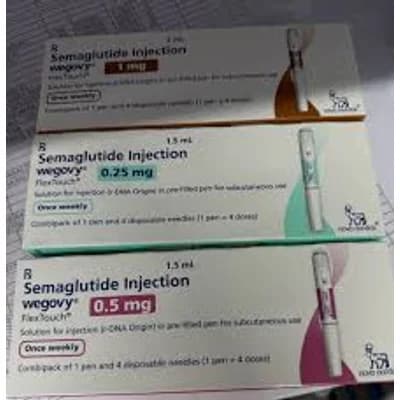
Semaglutide is approved by the FDA under two brand names for two distinct indications: Ozempic (type 2 diabetes glycemic control) and Wegovy (chronic weight management). It has received equivalent approvals from the EMA (Europe), MHRA (UK), and TGA (Australia). It's a prescription-only medication in all major markets. Obtaining it without a valid prescription is illegal in those jurisdictions.
Tirzepatide is FDA-approved as Mounjaro (type 2 diabetes) and Zepbound (chronic weight management). It has received or is in the process of receiving approval in additional major markets. Same legal framework: prescription only.
Retatrutide is owned by Eli Lilly and is currently in Phase 3 clinical trials. It has no approved indication anywhere in the world. Access outside of a registered clinical trial isn't a legal or verifiable option. Any vendor currently selling 'retatrutide' as a research chemical isn't selling Eli Lilly's proprietary compound - what they're selling is an unverified peptide of unknown purity, sequence accuracy, and sterility. The risk profile of that product is fundamentally unquantifiable.
For semaglutide and tirzepatide, compounding pharmacy versions have been available in the US during shortage periods, operating under FDA enforcement discretion policies. As of 2026, the FDA shortage designation for these drugs has been contested and is subject to ongoing regulatory change. Readers should verify the current compounding legal status at the time they're reading this, because it's shifted multiple times.
Telehealth platforms - including Ro, Hims/Hers, and Mochi Health among others - offer prescriber consultations that can result in legitimate prescriptions for semaglutide or tirzepatide where medically appropriate. That's the sanctioned access pathway for individuals outside of clinical trials.
Strongly discouraged: sourcing any GLP-1-class agent from research chemical vendors. For semaglutide and tirzepatide, it bypasses the prescription requirement illegally. For retatrutide, you're additionally buying an unverifiable compound that can't be authenticated as the Eli Lilly molecule under any currently available consumer testing methodology.
---
Mechanism of Action: Single, Dual, and Triple Receptor Agonism Explained
Understanding what differentiates these three agents requires understanding the receptor targets involved.
GLP-1 Receptor Agonism (Shared by All Three)
Glucagon-like peptide-1 (GLP-1) is an endogenous incretin hormone secreted by intestinal L-cells in response to nutrient ingestion. When the GLP-1 receptor is activated, several effects relevant to metabolic research follow:
- Pancreatic: Glucose-dependent stimulation of insulin secretion; suppression of glucagon release
- Gastric: Slowing of gastric emptying, which prolongs post-meal satiety signaling
- Central nervous system: Direct signaling in hypothalamic and brainstem regions associated with appetite regulation and food-reward circuits
- Cardiovascular: Cardioprotective signaling pathways (the mechanism behind the cardiovascular outcome benefit observed in trials)
All three compounds activate the GLP-1 receptor. The pharmacological differences come from what additional receptors each compound engages.
GIP Receptor Agonism (Tirzepatide and Retatrutide)
Glucose-dependent insulinotropic polypeptide (GIP) is the other major incretin hormone. Its receptor (GIPR) was historically considered a poor drug target because GIP's insulinotropic effect diminishes in type 2 diabetes. Tirzepatide's development represented a conceptual shift: co-activation of GIPR alongside GLP-1R appears to produce synergistic metabolic effects that exceed GLP-1 agonism alone.
The exact mechanism behind that synergy is still being characterized. Research suggests GIPR agonism may enhance GLP-1R sensitivity, reduce nausea burden relative to equivalent GLP-1 exposure, and contribute independent effects on adipose tissue and energy partitioning. Tirzepatide's trial data consistently outperforms semaglutide on weight endpoints, and the dual mechanism is the leading mechanistic explanation.
Glucagon Receptor Agonism (Retatrutide Only)
Retatrutide adds a third target: the glucagon receptor (GCGR). This is where the mechanism gets both more powerful and more complex.
Glucagon classically raises blood glucose by stimulating hepatic glucose output - which is why uncontrolled glucagonoma causes hyperglycemia. In the context of a combined GLP-1/GIP/GCG agonist, glucagon receptor activation is hypothesized to increase basal energy expenditure (thermogenesis) and enhance hepatic fat oxidation, theoretically addressing energy expenditure alongside energy intake.
The key tension: glucagon agonism in isolation is metabolically and cardiovascularly destabilizing. In a triple agonist, the GLP-1 component's glucagon-suppressing effect and the GIP component's insulinotropic effect are hypothesized to offset the hyperglycemic risk. Whether that balance holds across diverse patient populations and longer durations is a central open question in retatrutide's development.
---
Evidence Architecture: How the Trial Bases Compare
Efficacy numbers divorced from evidence quality are misleading. Before quoting any percentage, the architecture of the supporting evidence matters.
Semaglutide: Full Phase III Evidence Base
Semaglutide has the most mature evidence base of the three. Key trials include:
- STEP 1 (2021, NEJM): n=1,961 adults with BMI 30+ or 27+ with weight-related comorbidity, 68 weeks, 2.4mg weekly subcutaneous. Mean body weight reduction: roughly 14.9% vs. roughly 2.4% with placebo.
- STEP 2 (2021, Lancet): n=1,210 adults with type 2 diabetes, 68 weeks. Mean weight reduction roughly 9.6% vs. roughly 3.4% with placebo.
- STEP 3 and STEP 4: Investigated behavioral intervention adjuncts and withdrawal effects, respectively.
- SELECT (2023, NEJM): n=17,604 adults with pre-existing cardiovascular disease but without diabetes - demonstrated a 20% reduction in major adverse cardiovascular events (MACE) versus placebo over roughly 33 months of median follow-up. This is the trial that distinguishes semaglutide as having cardiovascular outcome benefit, not just weight benefit.
- SUSTAIN program: Multiple Phase III trials in type 2 diabetes, including head-to-head comparisons.
Semaglutide's evidence base includes tens of thousands of patient-years of exposure across both indications. It's one of the most thoroughly studied pharmacological agents in metabolic medicine.
Tirzepatide: Full Phase III Evidence Base, Newer
Tirzepatide's development was faster, partly because it could learn from semaglutide's trial design. Key trials:
- SURPASS program: Five Phase III trials in type 2 diabetes, including SURPASS-2 which directly compared tirzepatide to semaglutide 1mg (the diabetes dose, not the weight-management dose). At 40 weeks, tirzepatide 15mg produced roughly 2.3kg additional weight loss versus semaglutide 1mg.
- SURMOUNT-1 (2022, NEJM): n=2,539 adults without diabetes, 72 weeks. Mean weight reduction at 15mg: roughly 20.9% vs. roughly 3.1% with placebo. That's the single strongest published weight-reduction signal of any approved pharmacological agent in a Phase III trial as of the time of publication.
- SURMOUNT-2: Adults with obesity and type 2 diabetes.
- SURMOUNT-MMO: Cardiovascular outcomes trial, designed similarly to SELECT - results pending full publication at time of writing.
Tirzepatide's Phase III base is newer than semaglutide's and has fewer patient-years of post-approval real-world data, but the RCT quality is equivalent.
Retatrutide: Phase 2 Only
- Jastreboff et al. (2023, NEJM): n=338 adults with BMI 27-50 without diabetes, 48 weeks, various doses. Mean weight reduction at the maximum dose (12mg): approximately 24.2% vs. roughly 2.1% with placebo. Published in NEJM, peer-reviewed, legitimate human RCT data.
This is a single Phase 2 trial. Phase 2 trials establish signal, identify safety signals at moderate sample sizes, and determine dose ranges. They're specifically not powered to establish efficacy with the confidence required for regulatory approval, and they don't capture rare adverse events. A drug that looks exceptional in Phase 2 may perform differently in Phase 3 - this is well-documented across pharmacology.
As of 2026, Eli Lilly has initiated Phase 3 trials for retatrutide. Results aren't yet published. The compound doesn't have an approval pathway date.
The difference between Phase 2 (n=338, 48 weeks) and Phase 3 (multiple trials, n=2,000+ each, 72+ weeks) isn't trivial. It represents a qualitative difference in the confidence level that can be attached to efficacy and safety claims.
---
Efficacy Signals: What the Weight and Metabolic Data Actually Show
| Compound | Peak Trial Weight Reduction | Trial Phase | Sample Size | Duration |
|---|---|---|---|---|
| Semaglutide 2.4mg | ~14.9% mean | Phase III (STEP 1) | n=1,961 | 68 weeks |
| Tirzepatide 15mg | ~20.9% mean | Phase III (SURMOUNT-1) | n=2,539 | 72 weeks |
| Retatrutide 12mg | ~24.2% mean | Phase II | n=338 | 48 weeks |
The headline numbers are real but they need interpretation.
Semaglutide produces clinically significant weight reduction across diverse populations. The consistency across multiple trials matters as much as the magnitude. The SELECT cardiovascular outcome data also establishes that the benefit extends beyond weight - cardiometabolic risk markers improve in ways that aren't fully explained by weight loss alone.
Tirzepatide produces larger weight reduction than semaglutide in trials to date. The SURPASS-2 head-to-head comparison with semaglutide 1mg showed a tirzepatide advantage, though 1mg is the diabetes dose and isn't equivalent to the 2.4mg Wegovy dose. The SURMOUNT-1 roughly 20.9% figure is the strongest Phase III weight-reduction signal on record for any pharmacological agent.
Retatrutide shows a higher Phase 2 signal than either approved agent, but the comparison isn't apples-to-apples. Different trial durations, different populations, different dose-escalation protocols - and critically, Phase 2 vs. Phase 3. The roughly 24% figure is genuine but should be held provisionally until Phase 3 data is available.
Mean body weight reductions are also population averages. Individual response varies substantially. A meaningful proportion of participants in all three trials showed much smaller reductions; a minority showed larger ones.
---
Cardiovascular and Extended Indications: Beyond the Scale
The SELECT trial (2023) is arguably semaglutide's most important milestone and the most clinically significant data point distinguishing this drug class from prior weight-management interventions. A 20% reduction in MACE in a high-risk secondary prevention population - without a diabetes requirement - is a hard endpoint result that weight-loss numbers alone can't replicate.
The FDA subsequently approved an expanded cardiovascular risk reduction indication for Wegovy based on SELECT data. That changes how payers and clinicians categorize the drug, with real implications for insurance coverage.
Timeline matters here. Tirzepatide's equivalent cardiovascular outcomes trial (SURMOUNT-MMO) is ongoing. Early signals are expected to be positive given the weight and metabolic data, but until hard endpoint data from an adequately powered RCT is published, semaglutide holds the cardiovascular evidence advantage.
For retatrutide, no cardiovascular outcomes trial has been completed. The glucagon receptor component introduces theoretical cardiovascular considerations - discussed below - that will require long-duration outcome data to characterize properly.
---
Safety Profiles and Shared Risk Factors
Gastrointestinal Burden
All three compounds produce GI side effects - nausea, vomiting, diarrhea, constipation - primarily through the GLP-1 mechanism of slowing gastric motility. In STEP 1, roughly 44% of semaglutide participants reported nausea. In SURMOUNT-1, similar rates were observed with tirzepatide. Serious GI events requiring hospitalization are less common but documented.
Gradual dose escalation protocols (titrating from low starting doses over weeks to months) are standard in all approved prescribing guidelines and clinical trial protocols specifically to mitigate this. Rapid escalation is associated with worse tolerability across all available trial data.
Discontinuation due to GI adverse events occurs in roughly 5-10% of participants in major trials - a meaningful figure that should factor into realistic expectations.
Thyroid C-Cell Tumors - Black Box Warning
Both semaglutide and tirzepatide carry FDA black box warnings regarding thyroid C-cell tumors. This warning is based on rodent studies showing increased rates of C-cell hyperplasia and medullary thyroid carcinoma at pharmacological exposures. Rodents have substantially higher GLP-1 receptor density in thyroid tissue than humans, and no causal link has been established in human epidemiological data.
Nevertheless, both drugs are contraindicated in individuals with:
- Personal or family history of medullary thyroid carcinoma (MTC)
- Multiple Endocrine Neoplasia syndrome type 2 (MEN2)
Long-term human thyroid cancer surveillance data is still maturing. The theoretical risk is taken seriously enough to warrant contraindication in those populations.
Pancreatitis
Acute pancreatitis has been reported in association with GLP-1 receptor agonists across the class. Whether there's a causal relationship versus correlation remains debated in the literature, but prescribers monitor for it. Pre-existing pancreatic disease is generally a contraindication or requires careful risk-benefit assessment.
Gallbladder Disease
Rapid weight loss of any etiology increases cholelithiasis risk. GLP-1 agonists also appear to affect gallbladder motility directly. Increased rates of cholelithiasis and cholecystitis have been observed in trials.
---
Receptor-Specific Risk: What Glucagon Agonism Adds in Retatrutide
Retatrutide's glucagon receptor component introduces risks not present with semaglutide or tirzepatide. These aren't theoretical concerns invented for this guide - they're mechanistically derived and partially observed in the Phase 2 trial data.
Cardiovascular effects: Glucagon receptor activation increases heart rate and myocardial oxygen demand. In retatrutide's Phase 2 trial, mean heart rate increases were observed at higher doses. The clinical significance in patients with pre-existing cardiovascular disease is unknown because those patients were substantially underrepresented in Phase 2.
Glycemic effects: Glucagon classically raises blood glucose. While the GLP-1 component provides offsetting glucose-lowering effects, the net glycemic impact in patients with varying degrees of insulin resistance or pancreatic beta-cell dysfunction isn't fully characterized across a general population.
Hepatic effects: Glucagon receptor agonism increases hepatic glucose output and fat oxidation. The combination of increased lipolysis-driven free fatty acid flux and glucagon's hepatic metabolic effects theoretically requires liver function monitoring - a surveillance requirement that will need to be addressed in Phase 3 protocols.
These aren't disqualifying concerns. They're reasons why Phase 3 data is necessary before this compound can be used with the same confidence as the approved agents. They're also reasons why 'retatrutide' obtained from a research chemical vendor - which can't be authenticated as the Phase 2 compound - carries a compounded risk burden: unknown compound identity on top of inadequately characterized receptor-mediated risks.
---
Access Pathways: Telehealth, Compounding, and Why Retatrutide Has No Equivalent Route
Semaglutide Access
- Direct prescription: Primary care physician, endocrinologist, or obesity medicine specialist
- Telehealth: Platforms including Ro Body, Hims/Hers, Mochi Health, and others offer prescriber consultation and, where appropriate, a prescription that can be filled at a licensed pharmacy
- Compounding: During FDA shortage periods, 503A and 503B compounding pharmacies have legally produced semaglutide preparations. The current legal status of compounding for these specific drugs is subject to active regulatory change as of 2026 - verify current status before pursuing this route
- Branded pharmacy fill: Wegovy (weight) or Ozempic (diabetes) at licensed retail or mail-order pharmacies with a valid prescription
Tirzepatide Access
Same pathways as semaglutide: direct prescription, telehealth, compounding (with the same caveats on current legal status), branded Mounjaro/Zepbound.
Retatrutide Access
There's no legal, verifiable access pathway for retatrutide outside of Eli Lilly's registered clinical trials. Full stop.
- ClinicalTrials.gov lists active Phase 3 trials that may have enrollment windows
- Eligibility criteria for these trials are specific - not all interested individuals will qualify
- There's no telehealth pathway, no compounding pathway, no prescription pathway
- 'Retatrutide' sold by research chemical vendors can't be authenticated as Eli Lilly's proprietary compound. Eli Lilly doesn't supply the research chemical market. The peptide sequence is publicly known, but synthesis quality, sterility, and sequence accuracy in vendor products are unverifiable by standard consumer testing
---
Cost and Coverage Landscape in the US, UK, EU, and AU
United States
List pricing for branded GLP-1 agonists in the US is the primary access barrier:
- Wegovy (semaglutide 2.4mg): List price roughly $1,300-$1,400/month
- Zepbound (tirzepatide): List price roughly $1,000-$1,350/month
Insurance coverage is inconsistent and heavily dependent on indication. Medicare Part D has historically excluded obesity medications, though the Treat and Reduce Obesity Act remains under legislative consideration. Commercial insurance coverage varies dramatically by plan. Manufacturer savings programs (Novo Nordisk and Eli Lilly both run these) can reduce out-of-pocket cost substantially for commercially insured patients but generally don't apply to government-insured populations.
United Kingdom
NHS England has initiated a phased rollout of semaglutide (Wegovy) through specialist weight management services, not via general practice initially. Access is means- and criteria-gated. Private prescription is available through providers such as Boots, LloydsPharmacy Online Doctor, and others at private pay prices roughly equivalent to or slightly below US list after currency conversion.
European Union
EMA approval exists for both semaglutide and tirzepatide. Reimbursement varies by country, with some national health systems covering obesity indications under specific eligibility criteria.
Australia
TGA approval exists for semaglutide (Ozempic for diabetes; Wegovy listing progressing). Tirzepatide approval is in process. PBS (Pharmaceutical Benefits Scheme) listing for the obesity indication has faced delays. Private prescriptions are available.
---
Dosing Protocols Reported in Clinical Trials (Research Context Only)
> Disclaimer: The following dosing information is reported from published clinical trial protocols for educational reference only. It's not a recommendation, not a prescription, and not a substitute for clinical guidance from a licensed healthcare provider. Dosing for these medications in clinical use is determined by a prescribing physician based on individual patient factors. Don't self-administer any of these agents based on information in this guide.
Semaglutide (STEP 1 Protocol)
The STEP 1 trial used a structured escalation beginning at 0.25mg subcutaneous weekly, escalating every 4 weeks through 0.5mg, 1mg, and 1.7mg to the maintenance dose of 2.4mg weekly. Total escalation period: roughly 16 weeks before reaching the target dose.
Tirzepatide (SURMOUNT-1 Protocol)
SURMOUNT-1 escalated from 2.5mg subcutaneous weekly, increasing by 2.5mg every 4 weeks, targeting maintenance doses of 5mg, 10mg, or 15mg depending on assignment. Total escalation to 15mg maintenance: roughly 20 weeks.
Retatrutide (Phase 2 Protocol)
The Jastreboff 2023 trial used escalation starting at 1mg subcutaneous weekly, with dose increases every 4 weeks, targeting doses of 4mg, 8mg, or 12mg. The 48-week trial included a proportionally longer maintenance phase than escalation period.
All three protocols prioritize slow escalation. The GI side effect profile of this class is strongly dose-rate dependent - rapid escalation is associated with worse tolerability in all available trial data.
---
Head-to-Head Summary Table
| Parameter | Semaglutide (Wegovy/Ozempic) | Tirzepatide (Mounjaro/Zepbound) | Retatrutide |
|---|---|---|---|
| Receptor targets | GLP-1R | GLP-1R + GIPR | GLP-1R + GIPR + GCGR |
| Approval status | FDA, EMA, MHRA, TGA approved | FDA approved; others in progress | Not approved anywhere |
| Strongest weight signal | ~14.9% (Phase III) | ~20.9% (Phase III) | ~24.2% (Phase II only) |
| Cardiovascular outcome data | Yes (SELECT, 2023) | Pending (SURMOUNT-MMO) | None |
| Legitimate access pathway | Yes - prescription/telehealth | Yes - prescription/telehealth | Clinical trials only |
| Compounding available (US) | Historically yes; verify current status | Historically yes; verify current status | No |
| Glucagon-mediated CV risk | No | No | Yes - heart rate increases observed |
| Thyroid black box warning | Yes (rodent data) | Yes (rodent data) | Not yet characterized |
| Phase III patient-years | Tens of thousands | Thousands (newer approval) | None (Phase 3 ongoing) |
| Monthly cost (US, no insurance) | ~$1,300-$1,400 | ~$1,000-$1,350 | N/A (not commercially available) |
---
Who Belongs in Each Arm: Research-Context Differentiation
This section frames the question from a clinical research categorization perspective, not as individual recommendations.
Semaglutide has the deepest evidence base and the broadest regulatory footprint. The cardiovascular outcome data from SELECT gives it a specific advantage in populations where cardiovascular risk reduction is the primary clinical objective, independent of weight. The oral formulation (Rybelsus, approved for diabetes at lower doses) provides an alternative administration route for needle-averse patients, though the weight-management dose hasn't been fully validated in oral form for that indication.
Tirzepatide represents the strongest currently approved pharmacological option for weight reduction by magnitude of effect in controlled trials. For patients whose primary clinical objective is maximizing weight reduction and who are otherwise appropriate candidates (no MEN2 history, no active pancreatitis, etc.), the Phase III data favors tirzepatide over semaglutide on this endpoint. Cardiovascular outcome data is pending.
Retatrutide belongs in a clinical trial. That's not a dismissal of its scientific interest - the Phase 2 signal is genuinely extraordinary and mechanistically novel. It's simply an accurate characterization of where the evidence sits. Individuals interested in this compound as potential trial participants can check active enrollment at ClinicalTrials.gov (search the NCT identifier for retatrutide Phase 3).
---
Sourcing Guidance: Prescription Pathways Only
For semaglutide and tirzepatide, this guide strongly recommends engaging only with licensed prescribers and licensed pharmacies. The telehealth pathway (Ro, Hims/Hers, Mochi Health, and equivalents) is legitimate, involves real prescriber review, and dispenses from licensed pharmacies. The product received through these channels is the pharmaceutical-grade compound.
Research chemical vendors selling semaglutide or tirzepatide without requiring a prescription are operating illegally in the US, UK, EU, and AU. The product may or may not be the named compound. Verification isn't available to consumers.
For retatrutide, there's no legitimate sourcing pathway outside of clinical trial participation. Any vendor selling it as a research chemical is selling an unverifiable peptide that may or may not resemble the Phase 2 compound in sequence, purity, or sterility.
When evaluating any compounding pharmacy or telehealth provider for the approved agents:
- Require a Certificate of Analysis (COA) from an independent third-party lab showing identity, purity, and sterility testing
- Verify the pharmacy's 503A or 503B status with state pharmacy boards (US) or equivalent regulatory registration (UK, EU, AU)
- Confirm the prescriber is a licensed practitioner in your jurisdiction
- Be skeptical of any provider who doesn't conduct at minimum a medical history intake and screening for contraindications before issuing a prescription
---
Where to Learn More
Primary Trial References
- STEP 1 (Semaglutide): Wilding et al., NEJM, 2021. PMID: 33567185
- SELECT (Semaglutide cardiovascular): Lincoff et al., NEJM, 2023. PMID: 37952131
- SURMOUNT-1 (Tirzepatide): Jastreboff et al., NEJM, 2022. PMID: 35658024
- SURPASS-2 (Tirzepatide vs. Semaglutide, diabetes): Frías et al., NEJM, 2021. PMID: 34170647
- Retatrutide Phase 2: Jastreboff et al., NEJM, 2023. PMID: 37351564
Search Resources
- PubMed (pubmed.ncbi.nlm.nih.gov): Search 'semaglutide obesity RCT', 'tirzepatide weight loss', 'retatrutide phase 2' for peer-reviewed trial data
- ClinicalTrials.gov: Search by drug name to find active trials, enrollment status, eligibility criteria, and protocol details
- FDA Drug Approval Database (drugs@fda): Full prescribing information, black box warnings, and indication history for semaglutide and tirzepatide
- EMA Product Pages: European public assessment reports for both approved agents
Institutional Resources
- Obesity Medicine Association (obesitymedicine.org): Clinical practice guidance for prescribers
- American Diabetes Association Standards of Care: Annual updates on GLP-1 agonist use in diabetes
- Cochrane Reviews: Search the Cochrane database for systematic reviews of GLP-1 agonist class efficacy and safety
Tips
- 1.When evaluating telehealth providers for semaglutide or tirzepatide access, require evidence of an actual prescriber medical review - not just a checkbox intake form. A legitimate provider should screen for contraindications including MEN2 history, active pancreatitis, and current medications before issuing a prescription.
- 2.If cost is the primary barrier to tirzepatide or semaglutide access, check manufacturer patient assistance programs directly (Novo Nordisk for semaglutide, Eli Lilly for tirzepatide) before concluding there's no affordable option. Savings programs for commercially insured patients can be substantial.
- 3.Anyone interested in retatrutide should monitor ClinicalTrials.gov for Phase 3 enrollment openings rather than pursuing research chemical sourcing. Trial participation is the only route that provides an authenticated compound, medical monitoring, and a meaningful contribution to the evidence base that will eventually determine whether this drug reaches approval.
The Bottom Line
Prescription tirzepatide holds the strongest combination of efficacy signal and accessible evidence-backed pathway among the three agents compared here. Prescription semaglutide trails marginally on weight endpoints but leads on cardiovascular outcome data, making it the better-evidenced option where cardiometabolic risk reduction is the primary objective. Retatrutide, despite its striking Phase 2 numbers, belongs in clinical trials and nowhere else until Phase 3 data matures. For anyone pursuing any agent in this class, the prescription pathway through a licensed provider is the only route that provides both legal compliance and compound authentication.
Frequently Asked Questions
What is the difference between semaglutide and tirzepatide?
Is retatrutide available to buy? Is it legal?
Can I get semaglutide or tirzepatide online without going to a doctor's office?
What does the clinical trial evidence actually show for tirzepatide weight loss?
What are the reported side effects of semaglutide and tirzepatide?
How does retatrutide differ from semaglutide and tirzepatide mechanistically?
Related Guides
CATEGORY-OVERVIEW
Peptides Studied for Fat Loss: GLP-1 Agonists, Mitochondrial Approaches, and Beyond (2026 Research Overview)
Prescription tirzepatide (Mounjaro / Zepbound) is the strongest-evidenced compound in this category by a significant margin. Phase III RCT data from SURMOUNT-1 shows up to ~21% mean body weight reduction at the 15mg dose, a signal no research chemical or investigational agent has come close to replicating in controlled human trials at scale. It's also legally accessible via prescription in all major markets, which puts it in a completely different category from the unregulated research chemicals covered elsewhere in this guide.
LEGAL-LANDSCAPE
Research Peptide Legal Status: US, UK, EU, and Australia Compared (2026 Guide)
Peptide legal status varies sharply across jurisdictions because no single international framework governs research peptides, leaving classification to national regimes including the US FDA (FD&C Act), UK MHRA (Medicines Act 1968), EU EMA, and Australia's TGA. Semaglutide is FDA-approved and available by prescription across all four jurisdictions, while compounds like BPC-157, TB-500, and Melanotan II are flagged by the MHRA as unlicensed medicines whose supply is a criminal offense in the UK and are scheduled or restricted in Australia, despite occupying a fragile gray-zone "research chemical" status in the US.
HOW TO
Peptides 101: A Beginner's Guide to the Research Landscape (2026 Edition)
Peptides are short chains of amino acids (typically fewer than 50) linked by peptide bonds, ranging from endogenous molecules like the tripeptide GHK-Cu to synthetic analogs engineered for receptor selectivity or extended half-life. The evidence behind specific peptides varies dramatically: semaglutide is FDA-approved and supported by Phase III trials with sample sizes in the thousands, while compounds like BPC-157 remain research chemicals with little or no human trial data. Evaluating any peptide claim requires matching it to a standard evidence hierarchy, where in vitro and rodent findings sit far below replicated randomized controlled trials.