
VENDOR-EVALUATION
Evaluating Peptide Vendors: Red Flags, Quality Signals, and COA Literacy (2026 Guide)
How to read a COA, spot a fraudulent vendor, and understand what you cannot verify
Last updated: May 1, 2026
Quick Answer
Evaluating peptide vendors requires distinguishing between FDA-approved prescription drugs (like semaglutide and tirzepatide, manufactured under pharmaceutical GMP standards and dispensed through licensed pharmacies) and research chemicals, which operate outside that regulatory framework and carry no statutory obligation to verify purity, peptide sequence, or endotoxin levels. Independent testing of grey-market peptides has documented sub-90% purity in products labeled 99%+, incorrect sequences confirmed by mass spectrometry, and bacterial contamination in injectable products. A credible Certificate of Analysis should include HPLC purity data, mass spectrometry identity confirmation, and third-party (not in-house) laboratory verification.
Most peptide vendor guides are affiliate listicles with a thin methodology veneer. A vendor gets four stars because they sponsored the review, not because their mass spectrometry results were independently audited. This guide is structured differently: it treats vendor evaluation as a technical and legal literacy problem, not a shopping exercise.
The stakes aren't trivial. Peptides sold as research chemicals occupy a legally ambiguous space in virtually every major jurisdiction. There's no regulatory body routinely testing commercial peptide purity the way the FDA tests pharmaceutical manufacturing. A certificate of analysis from an unknown in-house laboratory tells you almost nothing. Contaminated, mislabeled, or sub-potency peptides aren't hypothetical risks - they're documented in the grey-market supplement space, and the structural conditions that produce them apply directly to research-chemical peptides.
Two compounds anchor this guide as case studies: Research Peptide MK-677 (Ibutamoren) and Research Peptide BPC-157. They were chosen not as endorsements but because they represent opposite ends of the human-evidence spectrum - one with a substantial controlled-trial record, one with an almost entirely preclinical record - and that contrast illustrates exactly why sourcing methodology must be compound-specific, not one-size-fits-all.
Featured Peptides
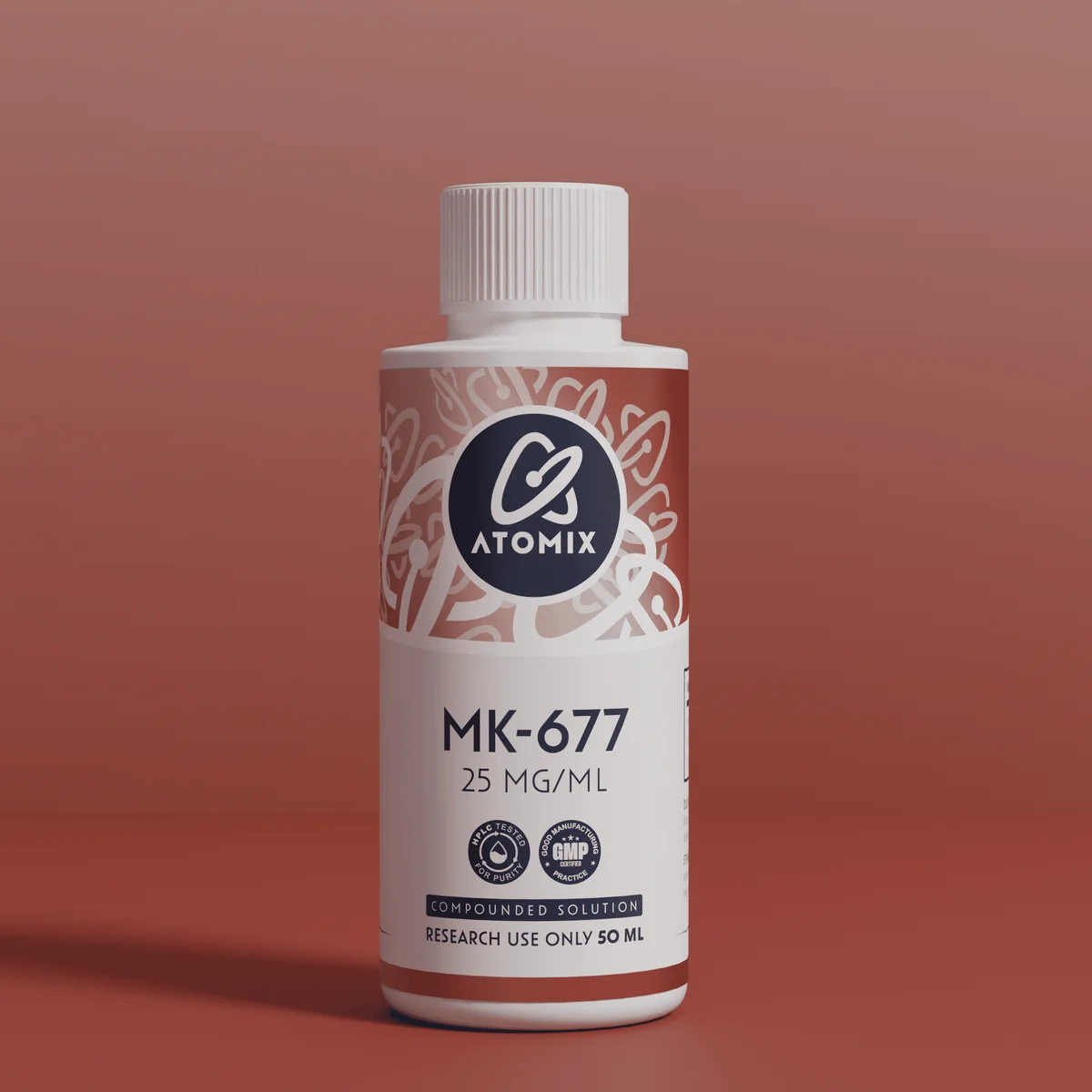
MK-677 is the more tractable vendor evaluation problem of the two featured compounds: its small-molecule oral chemistry makes HPLC purity verification more straightforward, and its multi-trial human data record provides pharmacokinetic benchmarks against which sourcing quality can be partially cross-referenced. That said, documented metabolic risks - particularly insulin sensitivity impairment - mean vendor transparency about the actual research record is itself a quality signal. A vendor who soft-pedals MK-677's side-effect profile to move product is failing basic standards.
MK-677 represents the best-case scenario for research-chemical vendor evaluation - a compound with real human trial data, oral administration, and verifiable chemistry - making it the clearest reference point for what rigorous sourcing methodology looks like in practice.
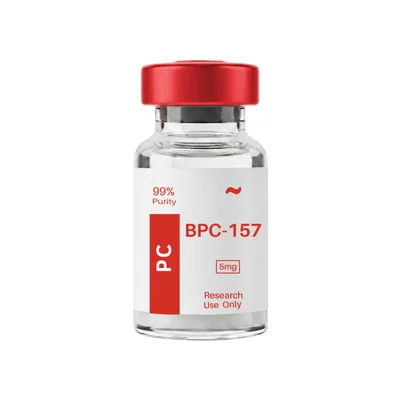
BPC-157 sits at the high-uncertainty end of the vendor evaluation spectrum: extensive animal literature, no completed human RCTs, and a complex peptide structure that requires LC-MS sequence confirmation rather than HPLC alone. The absence of human pharmacokinetic benchmarks means quality failures in BPC-157 sourcing are harder to detect than for compounds with clinical trial data. Injectable-route research adds endotoxin risk that makes thorough third-party testing non-negotiable. Its affordability shouldn't be read as a reason to reduce documentation standards - if anything, the opposite applies.
BPC-157 is the most widely self-researched healing peptide in the research-chemical community, and its combination of high community interest, complete absence of human trial data, and injectable administration makes it one of the most instructive cases for why vendor evaluation methodology must be compound-specific.
Why Vendor Evaluation Matters More for Peptides Than Almost Any Other Supplement Category
Dietary supplements sold in the US are loosely regulated under DSHEA, but even that framework requires manufacturers to follow Good Manufacturing Practices (GMPs) and prohibits outright fraudulent label claims. Research chemicals exist outside that framework entirely. A vendor selling BPC-157 as a "research chemical" has no statutory obligation to verify purity, test for endotoxins, confirm peptide sequence, or disclose synthesis methods.
This isn't a hypothetical concern. Independent testing of grey-market peptides has repeatedly found:
- Purity levels significantly below label claims (sub-90% purity in samples advertised as 99%+)
- Incorrect peptide sequences confirmed by mass spectrometry
- Bacterial endotoxin contamination in products sold for injection research
- Mislabeling of related compounds (the CJC-1295 DAC/non-DAC problem, covered below)
For peptides with no human trial data, there's no clinical benchmark against which to detect dosing anomalies. For peptides with human trial data - like MK-677 - researchers at least have pharmacokinetic reference points. This asymmetry is the first reason vendor evaluation must be compound-specific.
---
The Regulatory Baseline: Prescription Drugs vs. Research Chemicals - and Why the Distinction Changes Everything
The regulatory category of a compound determines the entire quality-assurance architecture available to it. Getting this wrong has practical consequences.
Prescription drugs are manufactured under pharmaceutical GMP standards, batch-tested before release, and dispensed through a licensed pharmacy supply chain. Impurities, potency deviations, and sterility failures are points of regulatory liability. The incentive structure for quality control is enforced by law.
Research chemicals have none of these structural quality controls. A vendor can source a peptide from any contract synthesis lab globally, attach a COA from an in-house or unverified third-party lab, and sell it legally in most jurisdictions without any independent verification requirement.
The practical upshot: for prescription compounds, the pharmacy IS the quality assurance. For research chemicals, the researcher has to evaluate vendor credibility from first principles, because no external body is doing it for them.
---
Case Study: Prescription GLP-1 Agonists (Tirzepatide, Semaglutide) - When the Right Answer Is 'Use the Pharmacy'
Tirzepatide and semaglutide are FDA-approved prescription medications with established pharmaceutical-grade manufacturing standards. They're not research chemicals. This matters for sourcing decisions.
Research-chemical vendors have begun offering "tirzepatide" and "semaglutide" at prices far below compounding pharmacy rates. This guide strongly discourages this sourcing pathway. The risks include:
- No guaranteed sterility in injectables synthesized outside pharmaceutical GMP
- No confirmed peptide sequence or correct folding
- No dosing accuracy verification
- Serious documented adverse events associated with grey-market GLP-1 analogs
The legitimate pathway for GLP-1 agonist access in the US is via a licensed prescriber and either a retail pharmacy or an FDA-registered compounding pharmacy (for commercially unavailable doses). Telehealth platforms that connect patients to licensed prescribers - and dispense through licensed compounding pharmacies - represent the appropriate channel. Grey-market sourcing of injectable GLP-1 agonists isn't a methodology this guide will contextualize as acceptable, regardless of COA presentation.
---
What a Legitimate Certificate of Analysis (COA) Actually Contains - and What It Cannot Prove
A COA is a vendor's primary quality documentation claim. Understanding what it can and can't establish is foundational to vendor evaluation.
What a Credible COA Should Contain
Identity confirmation:
- High-Performance Liquid Chromatography (HPLC) with purity percentage
- Mass spectrometry (MS or LC-MS/MS) confirming molecular weight and ideally peptide sequence
- Lot/batch number traceable to the specific product shipment
Purity data:
- Purity percentage with the testing method stated (reverse-phase HPLC is standard)
- Acceptable threshold for research-grade peptides is generally 98%+; anything below 95% from a vendor claiming "pharmaceutical grade" is a red flag
For injectable peptides - additional requirements:
- Bacterial endotoxin testing (LAL assay or equivalent) - critical for anything administered parenterally
- Sterility testing (though this can't guarantee sterility of the final reconstituted product prepared outside sterile conditions)
- Residual solvent testing
Laboratory identification:
- Testing laboratory name, address, accreditation number
- Analyst signature and date
- Ideally, ISO 17025 accreditation for the testing lab
What a COA Cannot Prove
This is the section most vendor guides leave out.
- A COA tests a sample from a batch. It can't guarantee every vial in that batch is identical to the tested sample.
- A COA can't verify the synthesis process - only the end product at the moment of testing.
- A COA from an unaccredited or in-house lab is essentially self-reported data. Without ISO 17025 accreditation or equivalent, the testing methodology can't be independently verified.
- A COA can't confirm cold-chain integrity during shipping - a peptide can be pure when it leaves the lab and degraded when it arrives.
- For complex peptides like GHK-Cu, a COA confirming molecular weight can't confirm copper chelation stoichiometry (discussed in detail below).
---
Third-Party Testing: Which Laboratories Are Credible and What Tests to Request
Accreditation Standards to Look For
- ISO/IEC 17025 accreditation is the international benchmark for testing laboratory competence. A lab claiming to perform pharmaceutical-grade analysis without this accreditation should be treated with skepticism.
- DEA-registered labs (relevant for controlled substances in the US)
- University-affiliated analytical chemistry departments (uncommon in commercial peptide testing but highest credibility)
Tests Worth Requesting by Compound Type
For all peptides:
- HPLC purity (reverse-phase)
- LC-MS/MS identity confirmation
For injectable peptides (BPC-157, PT-141, Selank, etc.):
- Bacterial endotoxin (LAL assay) - non-negotiable
- Residual solvent panel
- Sterility testing (with the caveat that this tests the bulk product, not the final vial after lyophilization)
For oral/non-injectable peptides (MK-677):
- Endotoxin testing is less critical, but residual solvent testing remains relevant
- Heavy metal screening if the synthesis source is unknown
For copper-chelated peptides (GHK-Cu):
- Inductively Coupled Plasma Mass Spectrometry (ICP-MS) for copper content verification
- Standard HPLC can't confirm copper chelation - this requires specific elemental analysis
---
Red Flag Taxonomy: Specific Warning Signs by Vendor Behavior, Website Practice, and Documentation
Documentation Red Flags
- COA lists only a purity percentage with no testing methodology specified
- COA laboratory isn't independently searchable or lacks a physical address
- COA date is more than 12-18 months old (peptide stability is finite)
- No batch number on COA, or batch number doesn't match the product label
- Endotoxin testing absent from COA for injectable peptides
- COA provided only as an image file (easily fabricated) rather than a verifiable PDF with lab letterhead
Vendor Behavior Red Flags
- Vendor makes therapeutic claims ("heals tendons", "burns fat", "reverses aging") rather than describing research applications
- No age verification or acknowledgment of research-chemical status at checkout
- Customer support can't explain the difference between HPLC and mass spectrometry testing
- Vendor claims their product is "pharmaceutical grade" without a GMP-certified manufacturing partner
- Unsolicited "before and after" testimonials for weight loss, injury recovery, or cosmetic outcomes
- Prices substantially below market rate without explanation (significantly low prices often indicate lower synthesis quality or purity)
Website Practice Red Flags
- No physical address or only a PO box
- No refund or reship policy for documented quality failures
- Marketing copy that reads like it was written to skirt FDA prohibited claims without technically making them
- Reviews that can't be independently verified (Trustpilot, Google) - look for verified purchase reviews rather than site-native testimonials
---
Quality Signal Taxonomy: What Credible Research-Chemical Vendors Actually Do Differently
Legitimate research-chemical peptide vendors operating with genuine quality intent tend to exhibit a recognizable pattern of behaviors:
- Publicly posted, batch-specific COAs accessible without purchase, linked to specific lot numbers
- ISO 17025-accredited third-party laboratory named on COA with verifiable accreditation number
- Endotoxin data included by default for injectable compounds, not only on request
- Transparent about what their COA can't guarantee - vendors who acknowledge the limits of their own testing are significantly more credible than those who don't
- Conservative, research-framed marketing language - no therapeutic outcome claims
- Age verification and research-use acknowledgment at point of purchase
- Responsive to technical questions - a credible vendor should be able to discuss their testing methodology, not just hand you a PDF
- Cold-chain shipping options offered and explained for temperature-sensitive peptides
- Stability data or recommendations for reconstituted peptide storage
---
Peptide-Class-Specific Sourcing Risks: A Compound-by-Compound Breakdown
Different peptide classes carry different sourcing risk profiles. The evaluation framework that applies to an oral secretagogue isn't identical to the one that applies to an injectable healing peptide.
Growth Hormone Secretagogues (MK-677, Ipamorelin, GHRP-2)
MK-677 is technically a non-peptide secretagogue (a small molecule) rather than a true peptide, which has significant implications for sourcing. Its oral bioavailability and relatively simple molecular structure mean:
- Synthesis is more standardized than for complex peptide chains
- HPLC purity verification is more straightforward
- No sterility or endotoxin requirements for oral administration research
- Counterfeit risk is lower than for injectable peptides, though not zero
The primary sourcing concern for MK-677 is potency accuracy (does the stated dose match actual content?) and absence of adulterants. Both can be assessed via standard analytical methods.
Healing and Recovery Peptides (BPC-157, TB-500)
BPC-157 is a 15-amino-acid synthetic peptide with a more complex synthesis profile than small molecules. Sourcing risks include:
- Incorrect peptide sequence (sequence errors can be detected by MS but not by HPLC alone)
- Sub-potency product from incomplete synthesis
- Endotoxin contamination in injectable-grade product
- No human trial benchmark against which to detect anomalous effects
The absence of human RCT data for BPC-157 creates a specific evaluation problem: a researcher using a sub-potency or mislabeled BPC-157 product has no pharmacokinetic reference point to detect the problem. This makes third-party MS confirmation particularly important for this compound class.
---
The Copper Chelation Problem: GHK-Cu as a Case Study in Unverifiable COA Claims
GHK-Cu (copper peptide) is marketed for skin health and wound healing based on animal and in-vitro research. It consists of the tripeptide GHK chelated to a copper ion. This structure creates a specific and widely overlooked quality-assurance gap.
A standard HPLC analysis will confirm the presence of the GHK peptide backbone. It won't confirm copper chelation stoichiometry. A product that contains GHK peptide with no copper, or with improperly chelated copper, will produce a passing HPLC purity result while potentially being a fundamentally different compound from a mechanistic standpoint.
The test required to confirm copper content and chelation is ICP-MS (Inductively Coupled Plasma Mass Spectrometry). Very few commercial peptide vendors include ICP-MS data in their COAs for GHK-Cu. The absence of this test isn't necessarily evidence of fraud - it may simply reflect that the vendor's testing partner doesn't offer elemental analysis. But it does mean that the COA for GHK-Cu products is structurally incomplete relative to what the compound's claimed mechanism actually requires.
Evaluation guidance: When sourcing GHK-Cu, request explicit elemental analysis data for copper content. If the vendor can't provide it, the COA claim that their product is verified GHK-Cu chelate is materially incomplete.
---
DAC vs. Non-DAC Labeling Confusion: CJC-1295 as a Case Study in Mislabeling Risk
CJC-1295 exists in two structurally and pharmacologically distinct forms:
- CJC-1295 with DAC (Drug Affinity Complex): A modified GHRH analog with an extended half-life of approximately 6-8 days due to albumin binding
- CJC-1295 without DAC (also called Mod GRF 1-29): A shorter-acting GHRH fragment with a half-life of approximately 30 minutes
These aren't interchangeable compounds. They have different dosing frequencies, different pharmacokinetic profiles, and potentially different risk profiles. Yet community reports and independent testing have repeatedly identified vendors selling one compound labeled as the other - or selling the non-DAC form with the DAC label at DAC prices.
HPLC purity testing won't reliably distinguish between these two compounds - both are GHRH analogs with similar chromatographic behavior. LC-MS/MS with sequence confirmation is required to detect this specific mislabeling pattern.
This case study illustrates a broader principle: the question "is this peptide pure?" is distinct from "is this the correct peptide?" A product can be 99% pure and still be the wrong compound entirely. Vendors who provide only HPLC data are answering only half the quality question.
---
Injectable vs. Intranasal vs. Oral Peptides: How Delivery Route Affects Quality-Assurance Requirements
Delivery route is the single largest determinant of which quality standards are non-negotiable.
Injectable Peptides
Parenteral administration bypasses the body's primary defense against contaminants. Bacterial endotoxin contamination that would cause gastrointestinal discomfort if ingested orally can cause serious adverse reactions when injected. For injectable peptides, endotoxin testing isn't optional documentation - it's the minimum threshold for a COA to be considered adequate. Sterility testing and residual solvent panels are additional relevant requirements.
Intranasal Peptides (Selank, Semax, PT-141)
Intranasal administration is less risky than injection from a sterility standpoint, but nasal mucosa is highly absorptive and relatively sensitive. Endotoxin testing remains relevant. Preservation system (benzalkonium chloride concentration) and pH data are additional quality parameters that legitimate vendors should be able to provide for intranasal formulations.
Oral Peptides and Small Molecules (MK-677)
Oral administration through an intact gastrointestinal tract provides a meaningful buffer against microbial contamination risks. The quality-assurance priorities shift from sterility toward potency accuracy and adulterant screening. MK-677 capsules or liquids don't require endotoxin testing, but heavy metal screening and residual solvent panels remain relevant, particularly for products sourced from vendors with opaque synthesis supply chains.
---
Cold-Chain Integrity: What to Ask Vendors About Shipping, Storage, and Reconstitution
Peptide degradation is a function of time, temperature, moisture, and light exposure. A product that passes quality testing at the point of manufacture can be meaningfully degraded by the time it reaches the researcher if cold-chain integrity isn't maintained.
Questions to Ask Vendors
- Are lyophilized peptides shipped with ice packs or refrigerant? At what temperature threshold?
- What's the vendor's policy on shipments that experience temperature excursions in transit?
- What's the stated shelf life of the lyophilized product, and under what storage conditions?
- What stability data supports the shelf-life claim?
- For reconstituted peptides: are they stable at room temperature for any period, or do they need to be refrigerated immediately?
Red Flags in Cold-Chain Claims
- Vendor claims lyophilized peptides are stable at room temperature indefinitely (some are reasonably stable at room temperature for short periods; claims of indefinite stability aren't supported by peptide chemistry)
- No shipping temperature documentation available
- Vendor ships injectable peptides via standard uninsulated mail in summer months without temperature protection
Reconstitution Guidance
Credible vendors should provide clear reconstitution guidance, including recommended diluents (bacteriostatic water vs. sterile water vs. acetic acid, depending on the compound) and post-reconstitution storage recommendations. Absence of this information is a vendor quality signal, not just a safety concern.
---
Legal Status by Region (US, UK, EU, AU) and How It Affects Vendor Accountability
Legal status isn't just an abstract compliance concern - it directly affects the accountability mechanisms available to researchers and the risk calculus of sourcing.
United States
Research chemicals exist in a regulatory grey area. Most peptides aren't controlled substances, but the FDA has authority to act against vendors making therapeutic claims or selling unapproved drugs for human use. The FD&C Act's "research use only" exemption isn't a blanket protection - it requires that the product genuinely not be intended for human use. Vendors who sell "research chemicals" while implicitly or explicitly marketing human-use outcomes are operating in legally precarious territory, and researchers purchasing from them share that risk.
United Kingdom
The MHRA regulates medicines and can act against vendors supplying unlicensed medicinal products. The legal status of specific peptides varies. Some peptides that are legal to purchase in the US exist in a more restricted category in the UK. Researchers in the UK should verify the specific status of any compound via MHRA guidance before purchase.
European Union
Regulation varies significantly by member state. Some EU countries treat specific peptides as prescription-only medicines; others have no specific regulation. The lack of harmonization means cross-border sourcing within the EU creates legal complexity. German and French regulatory frameworks are generally more restrictive than those in Eastern European member states.
Australia
The TGA maintains a relatively restrictive posture on peptide importation. Several peptides freely available as research chemicals in the US are Schedule 4 (prescription-only) substances in Australia. The TGA has actively pursued enforcement against peptide vendors operating within Australia. Importation for personal research use exists in a grey area, and researchers should check current TGA scheduling before purchasing.
The practical implication of regional variation: a vendor based in one jurisdiction may ship to customers in jurisdictions where receipt is legally ambiguous. Vendor accountability - the ability to seek recourse for quality failures - is significantly complicated by cross-border sourcing. Researchers should factor jurisdictional risk into their vendor evaluation, not just product quality.
---
WADA-Prohibited Peptides: Additional Risk Considerations for Athlete Researchers
Several peptides covered in the research-chemical space are prohibited under WADA's Prohibited List, including growth hormone secretagogues (MK-677/Ibutamoren, Ipamorelin, GHRP-2, GHRP-6) and peptide hormones in general.
For athletes subject to anti-doping rules, the relevant risk isn't just the compound itself - it's the cross-contamination and mislabeling risk inherent in research-chemical supply chains. WADA's strict liability principle means an athlete is responsible for any prohibited substance found in their sample, regardless of whether they intended to consume it.
Research-chemical peptide vendors aren't required to follow the batch-testing-for-prohibited-substances protocols that legitimate sports nutrition manufacturers follow (such as Informed Sport or NSF Certified for Sport certification). A product purchased from a research-chemical vendor could plausibly be contaminated with a WADA-prohibited substance from a co-manufactured batch without the researcher's knowledge.
This guide doesn't endorse the use of prohibited substances by competitive athletes. For athlete researchers, the anti-doping risk dimension of vendor evaluation is an additional layer of complexity that exists entirely outside the standard COA framework.
---
The Unverifiable Floor: What No COA Can Guarantee, and How to Contextualize Residual Risk
Even with the best possible documentation - ISO 17025-accredited third-party testing, LC-MS/MS sequence confirmation, endotoxin data, residual solvent panels, copper ICP-MS where relevant - there's a set of risks that no COA can eliminate:
- Batch heterogeneity: The tested sample may not represent every vial in the batch
- Post-shipment degradation: Temperature excursions during transit can degrade a previously pure product
- Reconstitution contamination: Once a lyophilized peptide is reconstituted outside a sterile environment, sterility can't be guaranteed regardless of the original COA
- Unknown long-term metabolite profiles: For many research peptides, metabolic fate and long-term safety in humans are genuinely unknown
- Interaction risks: Peptide interactions with medications, individual genetic variation in receptors, and co-administration risks are largely unstudied
This is the honest floor beneath all vendor evaluation work. Good sourcing methodology reduces risk. It doesn't eliminate it. The responsible framing of research-chemical peptide sourcing acknowledges that a well-documented product from a credible vendor is meaningfully different from a poorly documented product from an unknown vendor - and simultaneously acknowledges that even the former carries unquantifiable residual risk that no COA can resolve.
This context is why the distinction between prescription pharmaceutical pathways and research-chemical pathways matters. Where a pharmaceutical pathway exists and is appropriate (as with GLP-1 agonists), it's structurally superior to even the best research-chemical sourcing.
---
Research Peptide MK-677 (Ibutamoren): A Vendor Evaluation Case Study
MK-677 is one of the more tractable vendor evaluation problems in the research-chemical peptide space, for reasons rooted in its chemistry and evidence base.
As a non-peptide small molecule (an oral secretagogue rather than a true peptide), MK-677 has a relatively well-defined synthesis pathway and a molecular profile that standard HPLC can characterize with reasonable confidence. The identity and purity claims on a MK-677 COA are more straightforwardly verifiable than those for a complex peptide chain.
Critically, MK-677 is one of the few compounds in this space with multiple completed double-blind, placebo-controlled human trials. Published research demonstrates consistent, measurable GH and IGF-1 elevation at specific doses. This creates a pharmacokinetic benchmark that sophisticated researchers can use, with appropriate caution, as a rough cross-reference for product activity - though this can't substitute for analytical chemistry verification and isn't a recommendation for self-experimentation.
The honest accounting of MK-677 research: Human trials report meaningful insulin sensitivity impairment, pronounced appetite stimulation, and water retention as documented adverse effects. These aren't speculative risks - they appear in controlled trial data. A vendor who markets MK-677 without acknowledging this side-effect profile is failing basic research-framing standards, and that failure is itself a credibility signal.
Sourcing priority for MK-677: Purity and potency accuracy via HPLC and LC-MS, heavy metal screening, and residual solvent testing. Endotoxin testing isn't the primary concern given oral administration.
---
Research Peptide BPC-157: A Vendor Evaluation Case Study in High-Uncertainty Compounds
BPC-157 presents a fundamentally different vendor evaluation challenge. As a 15-amino-acid synthetic peptide with an extensive rodent-model literature but no completed human RCTs as of mid-2026, it sits at the highest-uncertainty end of the research-chemical spectrum.
The rodent literature - covering tendon, gut, nerve, and muscle tissue across multiple injury models - is substantial. But it's concentrated within a relatively small number of research groups, limiting independent replication. And the extrapolation from rodent models to human dosing is entirely unvalidated. A researcher using BPC-157 has no human pharmacokinetic reference point against which to calibrate dosing or detect product anomalies.
This uncertainty makes vendor evaluation both more important and more difficult. More important because the absence of human data means adverse effects from mislabeled or contaminated product are harder to distinguish from research-chemical effects. More difficult because there's no published human dose-response curve to cross-reference.
The specific sourcing risks for BPC-157:
- Sequence accuracy is critical and requires LC-MS/MS, not just HPLC
- Injectable-route research requires endotoxin testing as a minimum documentation threshold
- The compound's low side-effect profile in animal studies and community self-reports doesn't constitute evidence of safety in humans - and doesn't provide protection against contamination-related adverse events
BPC-157's affordability relative to many research peptides creates an additional selection pressure worth noting: lower-cost production incentives in the supply chain are associated with lower synthesis quality controls in other pharmaceutical contexts. Price should never be the primary vendor selection criterion for injectable research chemicals.
---
Regulatory Disclaimer and Editorial Standards
This guide is published by Peptide Guides (peptideguides.org) for educational and research-literacy purposes only. Nothing in this guide constitutes medical advice, dosing recommendations, or encouragement of human self-experimentation with research chemicals.
All compounds discussed as research chemicals are sold legally only for laboratory research purposes and are not approved by the FDA, MHRA, TGA, or equivalent regulatory agencies for human consumption. The legal status of specific compounds varies by jurisdiction; researchers are responsible for verifying compliance with local law before purchase or possession.
Product mentions in this guide are structured as methodology case studies, not endorsements. No vendor is recommended by name. The evaluation frameworks provided are intended to help researchers ask better questions of vendors - not to certify any specific vendor as safe or compliant.
For compounds with approved pharmaceutical pathways (including GLP-1 agonists such as semaglutide and tirzepatide), this guide strongly recommends that pathway over research-chemical sourcing. The research-chemical sourcing of approved pharmaceutical compounds carries risks that can't be mitigated through COA review alone.
Tips
- 1.Request the testing laboratory's ISO 17025 accreditation number from any vendor before purchase, then verify it independently via the accreditation body's public registry - accreditation claims that can't be verified this way should be treated as unconfirmed.
- 2.For any injectable peptide, treat the absence of endotoxin (LAL assay) data on the COA as a disqualifying gap, not a minor documentation oversight - sterility and endotoxin risk are categorically different from purity risk and require separate testing.
- 3.Keep in mind the difference between 'is this peptide pure?' and 'is this the correct peptide?' - HPLC answers only the first question; LC-MS/MS with sequence confirmation is required to answer both, and vendors who provide only HPLC data for complex peptides are leaving the more consequential question unanswered.
The Bottom Line
Peptide vendor evaluation is a technical literacy problem, not a brand loyalty exercise. The framework that matters is compound-specific: oral small molecules like MK-677 require different documentation than injectable complex peptides like BPC-157, and the human-evidence baseline for each compound determines how much pharmacokinetic cross-referencing is even possible. For any compound with an approved pharmaceutical pathway, that pathway remains structurally superior to even the best-documented research-chemical source. For everything else, the minimum credible standard is ISO 17025-accredited third-party LC-MS/MS confirmation plus delivery-route-appropriate safety testing - and any vendor unwilling to provide that documentation is answering a different question than the one a rigorous researcher is asking.
Frequently Asked Questions
How do I read a peptide COA to verify purity claims?
What are the biggest red flags when buying research peptides like BPC-157 online?
Is it safe to buy semaglutide or tirzepatide from a research chemical vendor?
What is the difference between MK-677 and a GHRP or CJC-1295 — and does it affect how I evaluate vendors?
What does 'third-party tested' actually mean for a peptide vendor, and how do I verify it?
Are research peptides like BPC-157 legal to buy in the US, UK, and Australia?
Related Guides
STACK
The Skin and Anti-Aging Peptide Stack: GHK-Cu, BPC-157, Pentadeca Arginate, and KPV in Research (2026 Guide)
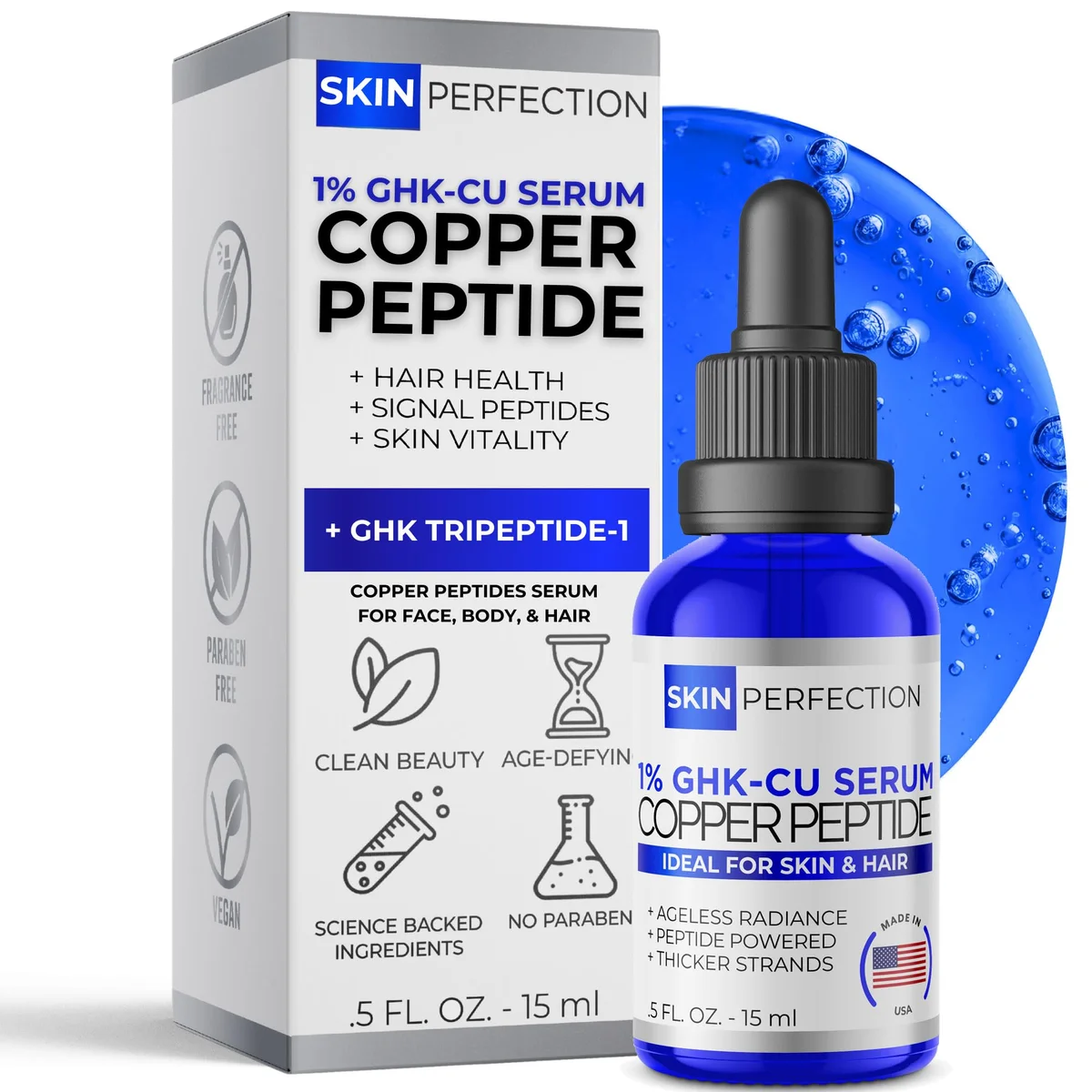
GHK-Cu is the strongest compound in this stack on evidence quality alone - it's the only one with multiple small human RCTs, decades of published mechanistic research dating back to 1973, and a reasonably clean preliminary safety profile across topical and in vitro models. The other three compounds are preclinical-only, which makes GHK-Cu the clearest anchor for any researcher building a skin and recovery peptide stack in 2026.
HOW TO
Peptides 101: A Beginner's Guide to the Research Landscape (2026 Edition)
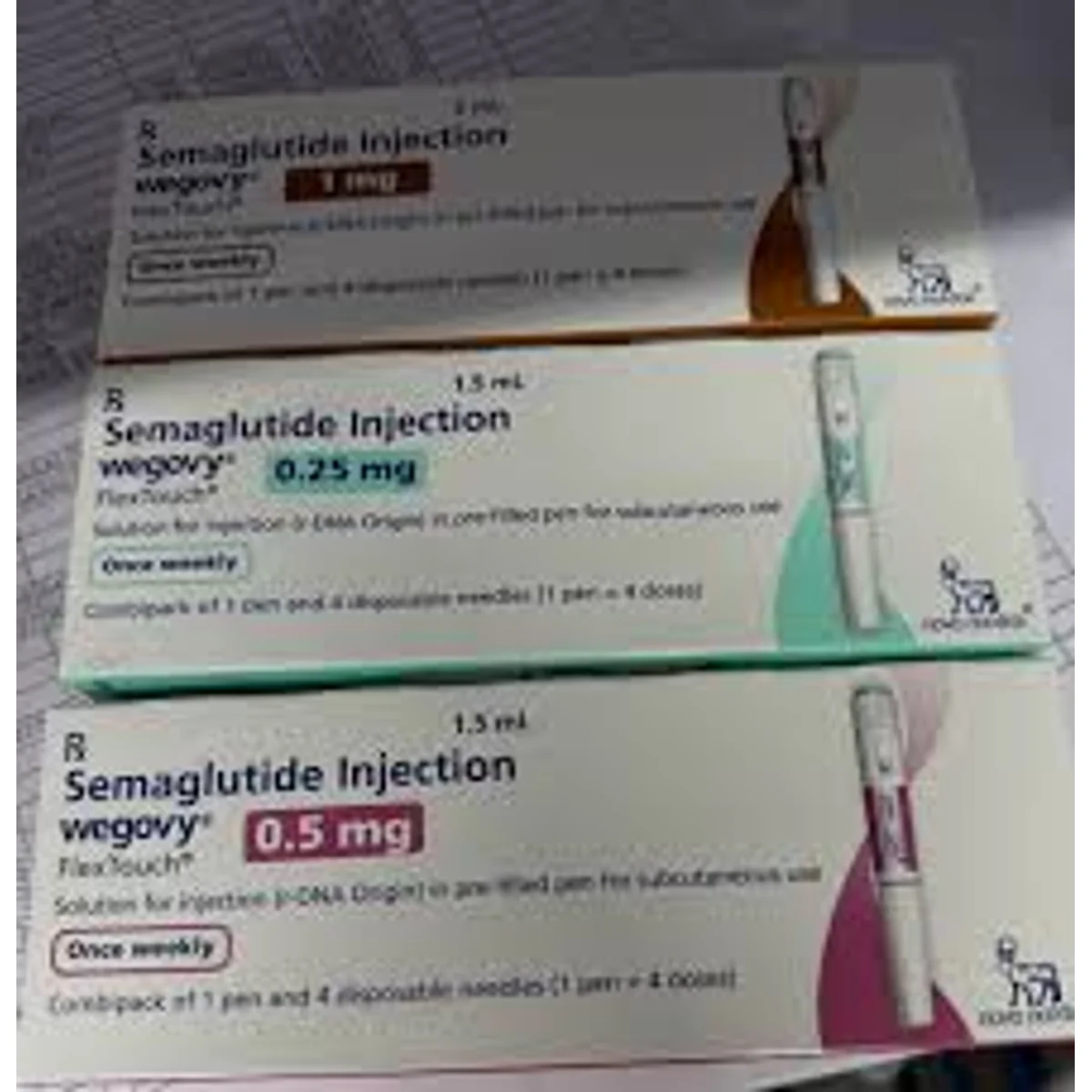
Peptides are short chains of amino acids (typically fewer than 50) linked by peptide bonds, ranging from endogenous molecules like the tripeptide GHK-Cu to synthetic analogs engineered for receptor selectivity or extended half-life. The evidence behind specific peptides varies dramatically: semaglutide is FDA-approved and supported by Phase III trials with sample sizes in the thousands, while compounds like BPC-157 remain research chemicals with little or no human trial data. Evaluating any peptide claim requires matching it to a standard evidence hierarchy, where in vitro and rodent findings sit far below replicated randomized controlled trials.
HOW TO
How to Read a Peptide Certificate of Analysis (COA): A Researcher's Field Guide
A peptide Certificate of Analysis (COA) is a laboratory-issued document reporting identity, purity, and safety testing for a specific batch of compound, answering three questions: is it the right compound, how much is present, and is it safe to handle. Prescription peptides like semaglutide are manufactured under FDA-enforced GMP standards with legally accountable COAs, while research chemicals such as BPC-157 and GHK-Cu carry no mandated COA content, making ISO 17025 laboratory accreditation, HPLC purity, mass spectrometry identity confirmation, and endotoxin testing the key fields researchers must evaluate independently.