STACK
Sleep Peptide Research Stack: DSIP, Selank, and Supporting Compounds for Sleep Quality and Recovery
What the evidence actually says about peptides studied for sleep architecture and nocturnal recovery
Last updated: August 18, 2026
Quick Answer
For researchers building a sleep-focused peptide protocol, Selank is the strongest starting point among the three compounds covered here - it has at least some institutional clinical framework (including a formal approval in Russia), a non-invasive intranasal delivery route, and a mechanistic profile that connects anxiolytic signaling to downstream sleep architecture improvement in a way DSIP's stalled trial record and Epithalon's longevity-adjacent hypothesis simply don't match right now.
Sleep peptide research sits in an unusually awkward spot in the broader peptide literature. The compounds most frequently discussed - DSIP, Selank, Epithalon - carry backstories rooted in Soviet-era institutional research, which means the evidence base is simultaneously older than most biohackers expect and less independently replicated than the confident dosing protocols circulating in forums would suggest.
The core problem is that sleep quality and recovery are genuinely high-value research targets. Slow-wave sleep governs growth hormone pulsatility, cortisol clearance, and synaptic consolidation. Any compound that credibly modulates those processes has real scientific interest. But 'credibly modulates' is doing a lot of work in that sentence. DSIP, the peptide literally named for its sleep-inducing function, has no adequately powered randomized controlled trial published after roughly 1995. Selank's most rigorous data comes from Russian institutions with limited Western replication. Epithalon's circadian and telomerase hypotheses are mechanistically interesting but thin on hard human outcome data.
This guide doesn't resolve that evidentiary gap - it maps it. The goal is to give researchers a clear-eyed picture of what each compound's evidence tier actually looks like, where the mechanistic reasoning is plausible versus speculative, and what the relevant side-effect and legal considerations are before any research protocol is designed. Nothing here constitutes medical advice, a dosing recommendation, or an endorsement of human use.
Featured Peptides
Selank is the strongest evidence-supported compound in this guide for sleep-adjacent research, primarily because its anxiolytic mechanism provides a plausible and reasonably grounded upstream pathway to sleep quality improvement - and because a formal Russian regulatory approval provides at least some institutional framework that DSIP and Epithalon simply don't have. Its limitations are real: nearly all controlled data originates from Russian institutions, the half-life requires multiple daily dosing, and the overlapping GABAergic and enkephalinergic pathways remain incompletely characterized. For researchers designing sleep-focused protocols, it's the most defensible starting point among the three featured compounds.
Selank has the most developed institutional evidence base of the three compounds and the most mechanistically coherent connection to sleep quality via anxiolytic and BDNF-modulating pathways.
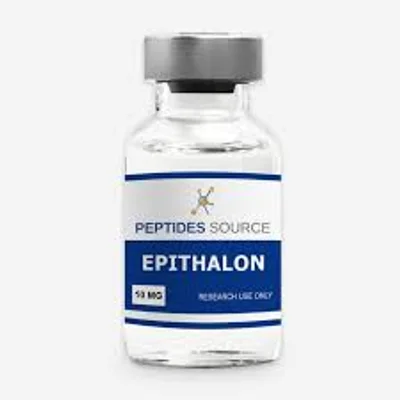
Epithalon belongs in this guide because its proposed pineal-melatonin mechanism addresses a specific and underserved research question: age-related circadian rhythm deterioration. The evidence base is thin and geographically concentrated, and the unresolved telomerase-activation safety question isn't something to dismiss. For researchers whose primary interest is sleep architecture in younger subjects or acute sleep quality, Epithalon is probably the least relevant of the three. For researchers specifically focused on aging-associated circadian disruption and melatonin pathway research, the mechanistic framework justifies investigation despite the evidentiary limitations.
Epithalon is the only compound in this guide with a pineal-specific mechanism, making it relevant to circadian and melatonin-focused sleep research even though its direct sleep architecture evidence is minimal.
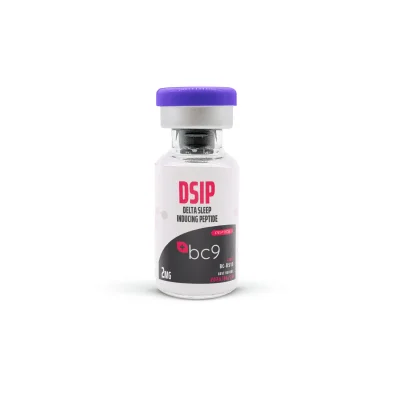
DSIP has the most direct nominal connection to sleep - its name is the field's most literal example of self-description - but paradoxically the weakest current evidence base of the three. The absence of a characterized receptor, the stalled post-1995 research record, and the uncertain subcutaneous bioavailability all undermine its research utility relative to the other compounds. Its low cost reflects this accurately. For researchers with historical interest in the early sleep-peptide literature or those interested in HPA-axis cortisol modulation as a secondary endpoint, DSIP retains some niche relevance. As a primary sleep research compound in 2024, it's hard to justify over Selank without a specific mechanistic rationale.
DSIP is the foundational compound in sleep peptide research history and provides critical context for understanding why the field developed the way it did, even though its current evidence tier is the weakest of the three.
Why Sleep Peptide Research Matters: HPA Axis, GH Pulsatility, and the Recovery Window
Sleep isn't a passive state. Slow-wave sleep (SWS), particularly stages N3 and N4, is the primary window for pulsatile growth hormone secretion, which drives cellular repair, protein synthesis, and metabolic regulation. The HPA (hypothalamic-pituitary-adrenal) axis also undergoes its most significant cortisol suppression during early-night SWS, creating the physiological conditions that separate restorative sleep from merely unconscious time.
Research interest in peptides that modulate this window centers on a few core hypotheses: that certain peptides may enhance SWS depth or duration, that GH secretagogues administered pre-sleep may amplify the natural nocturnal GH pulse, and that anxiolytic peptides may reduce pre-sleep cortisol enough to permit faster SWS onset. These are distinct mechanisms with different evidence profiles - conflating them is one of the most common errors in sleep peptide content.
The compounds covered in this guide approach the sleep-recovery window from different angles. DSIP was hypothesized to act directly on sleep architecture. Selank targets anxiety and stress-axis signaling as an upstream lever. Epithalon's proposed mechanism runs through pineal melatonin regulation and circadian entrainment. None of these mechanisms are fully characterized, and that distinction matters when evaluating what the evidence does and doesn't show.
---
Evidence Tier Overview: How These Compounds Are Classified and Why
Not all research peptides have the same evidentiary foundation. For the purposes of this guide, the three featured compounds occupy clearly different tiers:
Tier 1 (Institutional approval + limited controlled trials): Selank - approved in Russia for clinical use as an anxiolytic, with published pharmacological data from institutional trials. Evidence quality is limited by geography and replication gap, but a formal regulatory framework exists.
Tier 2 (Published human-level data, single research group): Epithalon - has appeared in published human studies, primarily from the Khavinson group in Russia. Mechanistic hypothesis is coherent. Independent replication is absent.
Tier 3 (Stalled research record, no modern RCTs): DSIP - has the longest research history of the three but the weakest current evidence base. The foundational 1970s-1980s studies weren't followed by adequately powered modern trials. No receptor has been characterized.
This tiering isn't a safety ranking and isn't a recommendation. A compound in Tier 3 isn't necessarily more dangerous than one in Tier 1 - it simply has less evidentiary support for its proposed mechanisms.
---
DSIP (Delta Sleep-Inducing Peptide): The Original Sleep Peptide and Why Its Research Stalled
What It Is
Delta Sleep-Inducing Peptide is a nonapeptide (9 amino acids) first isolated from rabbit cerebral venous blood in 1974 by Monnier and colleagues at the University of Basel. It's endogenously present in human cerebrospinal fluid, plasma, and various peripheral tissues. Its name comes from the original observation that intraventricular infusion in rabbits appeared to increase delta-wave EEG activity - the signature of slow-wave sleep.
What the Research Record Actually Shows
The 1970s and 1980s produced a cluster of small human studies examining DSIP's effects on sleep architecture, cortisol rhythms, and narcolepsy. A 1983 study by Schneider-Helmert and colleagues reported improved sleep quality in insomnia patients at subcutaneous doses. A separate line of research documented DSIP's apparent role in modulating ACTH and cortisol pulsatility, suggesting HPA-axis activity beyond sedation.
The research largely stalled before modern clinical trial standards were applied, though. No adequately powered randomized placebo-controlled trial has been published in the contemporary literature. DSIP has no characterized receptor, which is an unusual gap for a peptide this extensively studied - it means mechanism-of-action claims stay speculative. Bioavailability via subcutaneous injection is uncertain; DSIP is metabolically labile and crosses the blood-brain barrier poorly relative to some other research peptides.
Honest Assessment
DSIP sits in a frustrating position: a naturally occurring, endogenous peptide with a plausible sleep-relevant mechanism, a 50-year research history, and no modern trial to anchor any reliable conclusions. The HPA-modulation hypothesis is genuinely interesting as a secondary research angle. The direct sleep-induction evidence is preliminary and old. Acquisition cost is low, but that partly reflects the market's own assessment of its evidentiary weight.
Pros in context: Endogenous compound, low cost, some evidence of cortisol/HPA activity, reasonably benign side-effect profile in small studies.
Cons in context: No receptor characterized, no modern RCTs, uncertain BBB penetration, mechanism of action remains speculative. Research value is limited without significant investment in experimental controls.
---
Selank: Anxiolytic Signaling, BDNF Modulation, and Downstream Sleep Research
What It Is
Selank is a synthetic heptapeptide developed at the Institute of Molecular Genetics of the Russian Academy of Sciences. It's structurally derived from the endogenous tetrapeptide tuftsin (Thr-Lys-Pro-Arg) with an added stabilizing sequence. It's been approved in Russia under the brand name Selank as an anxiolytic and nootropic, which gives it a formal regulatory status that's absent from virtually every other peptide covered on this platform.
Mechanism of Action
Selank's pharmacological profile appears to involve several overlapping pathways. Research suggests modulation of GABAergic transmission (overlapping with benzodiazepine-adjacent anxiolysis but without direct GABA-A agonism), upregulation of BDNF (brain-derived neurotrophic factor), and interaction with enkephalinergic signaling. The BDNF upregulation finding is particularly relevant to sleep research because BDNF has established roles in sleep homeostasis and SWS regulation.
Preliminary animal studies have suggested Selank may normalize elevated corticosterone in stress models, which provides a plausible indirect pathway to sleep improvement: reduced pre-sleep HPA activation may permit faster and deeper SWS onset. That's a mechanistic hypothesis, not a demonstrated clinical outcome - worth keeping that distinction clear.
Evidence Summary
Russian clinical trials report anxiolytic effects comparable in magnitude to benzodiazepine reference drugs but without reported dependency, tolerance, or withdrawal in short research cycles. Sample sizes in published trials are modest, and the institutional concentration in Russian research centers limits independent verification. No large Western RCT has replicated these findings.
The intranasal delivery route, standard in Russian research protocols, is pharmacologically interesting - intranasal peptide delivery has established precedent for CNS uptake via olfactory nerve pathways, potentially bypassing the BBB penetration problem that limits many peripherally administered peptides.
Honest Assessment
Selank is the most institutionally grounded compound in this guide. The Russian regulatory approval means it's cleared at least one national pharmacological review process, which is a meaningful distinction. The anxiolytic-to-sleep pathway is mechanistically plausible. The evidence limitations are real - geographic concentration, modest sample sizes, limited Western replication - but the framework is more developed than DSIP or Epithalon.
Pros in context: Formal regulatory approval (Russia), intranasal delivery with plausible CNS uptake, favorable side-effect profile in available trials, BDNF mechanism relevant to sleep homeostasis.
Cons in context: Nearly all controlled evidence comes from a single national research ecosystem. Short half-life (~1-2 hours) requires multiple daily doses to maintain research-context exposure. Overlapping and incompletely characterized mechanisms complicate safety extrapolation for long-cycle research designs.
---
Epithalon: Pineal Bioregulator Research and Circadian Rhythm Hypotheses
What It Is
Epithalon (also spelled Epitalon) is a synthetic tetrapeptide (Ala-Glu-Asp-Gly) developed by Vladimir Khavinson at the St. Petersburg Institute of Bioregulation and Gerontology. It's described as a synthetic analog of epithalamin, a natural extract of the pineal gland, and has been studied primarily in the context of aging, telomerase activation, and circadian rhythm regulation.
Sleep and Circadian Relevance
The sleep-relevance hypothesis for Epithalon centers on pineal function. The pineal gland is the primary source of melatonin, which governs circadian entrainment. Research from the Khavinson group suggests Epithalon may stimulate melatonin synthesis in aging subjects with diminished pineal output, potentially offering circadian rhythm restoration in a population where both melatonin production and sleep architecture are known to deteriorate.
In animal models, Epithalon administration has been associated with normalized melatonin rhythms and improved sleep-wake cycle regularity. Some published human-level data from Khavinson's group reports similar trends in elderly subjects, though the studies are small and haven't been independently replicated.
Telomerase and the Long-Term Safety Question
Epithalon's most-cited proposed mechanism is telomerase activation - the enzyme that maintains telomere length, relevant to cellular aging and senescence. This mechanism is scientifically coherent and aligns with established telomere biology. It does, however, introduce a theoretical long-term safety concern that isn't resolved in the current literature: sustained telomerase upregulation is a feature shared with certain cancer cell lines. This isn't evidence of carcinogenicity - it's an unresolved theoretical question that needs to be acknowledged, not buried in a footnote.
Honest Assessment
Epithalon is the most speculative compound in this guide from a sleep-specific standpoint. The circadian/melatonin hypothesis is plausible but rests on data from a single research group. For researchers with a specific interest in aging-adjacent sleep deterioration and pineal function, the mechanistic framework is worth examining. For researchers primarily interested in sleep architecture or acute sleep quality, DSIP and Selank have more direct mechanistic relevance despite their own limitations.
Pros in context: Some published human-level data (limited scope), biologically coherent telomerase/aging mechanism, benign reported side-effect profile, well-characterized low-MW tetrapeptide structure.
Cons in context: Evidence almost entirely from one research group. No large independent RCT. Unresolved theoretical oncological question around long-term telomerase activation. Sleep-specific relevance is indirect (circadian/melatonin pathway rather than direct sleep architecture modulation).
---
MK-677 (Ibutamoren): The Best Human Evidence for Slow-Wave Sleep Enhancement in This Category
MK-677 isn't a peptide - it's a non-peptide ghrelin receptor agonist and GH secretagogue. It's included here because it represents the most robust human evidence for slow-wave sleep enhancement among compounds commonly researched alongside the peptides covered in this guide. A 1997 study by Copinschi et al. (n=32, crossover design) reported that MK-677 administration significantly increased stage 4 sleep and REM sleep in young adults. That's a more methodologically credible finding than anything in the DSIP, Selank, or Epithalon literature - it's a useful benchmark to keep in mind.
MK-677 isn't featured in this guide's product list, but its evidence profile provides a helpful calibration point. Researchers interested in GH-pulsatility-driven SWS enhancement may find that the GH secretagogue literature (which also includes Ipamorelin) has stronger human trial foundations than the direct sleep-peptide literature. The tradeoffs - elevated cortisol, increased appetite, potential insulin resistance with chronic use - are also better characterized.
---
Semax: BDNF Upregulation, Stress Axis Modulation, and Indirect Sleep Relevance
Semax is a synthetic heptapeptide analog of ACTH(4-7) developed in Russia with approved status as a nootropic and neuroprotectant. Like Selank, it's administered intranasally and has Russian institutional trial data. Its sleep relevance is indirect: research suggests Semax upregulates BDNF and modulates the stress axis, both of which have downstream effects on sleep quality. It's not featured as one of the three core sleep peptides in this guide, but researchers building comprehensive protocols frequently examine Selank and Semax together given their overlapping and potentially complementary CNS profiles.
---
Ipamorelin: GH Pulsatility, Selectivity, and Nocturnal Release Timing Research
Ipamorelin is a selective GH secretagogue peptide with a notably clean selectivity profile relative to other GHRP compounds - it demonstrates minimal cortisol and prolactin stimulation at research doses, which matters for sleep protocols given that elevated nocturnal cortisol is antagonistic to SWS. Animal studies report significant GH pulsatility following Ipamorelin administration, and the compound is frequently timed to pre-sleep windows in research protocols designed to coincide with the natural nocturnal GH pulse. Human trial data is limited. Ipamorelin isn't a featured product in this guide but is part of the broader sleep peptide research landscape.
---
Stacking Considerations: What Research Protocols Combine and Why - Not a Recommendation
> Disclaimer: The following describes combinations reported in research contexts and self-report communities. It is NOT a recommendation, dosing protocol, or endorsement of human use. Combining research chemicals introduces compounded unknowns.
Researchers examining the published and anecdotal literature will encounter several recurring combinations:
Selank + DSIP: The most common two-compound combination in this category. The rationale is mechanistic complementarity - Selank's anxiolytic-adjacent signaling may address pre-sleep cortisol elevation while DSIP's hypothesized delta-wave activity addresses sleep architecture directly. Whether these effects are additive, synergistic, or redundant isn't established in any controlled trial.
Selank + Epithalon: Less common, but appears in longevity-adjacent protocols where researchers are targeting both acute sleep quality (via Selank's anxiolytic profile) and longer-term circadian regulation or melatonin restoration (via Epithalon's hypothesized pineal activity).
All three (DSIP + Selank + Epithalon): This combination has no controlled trial basis. It appears in anecdotal self-report contexts. Researchers combining all three compounds are operating in territory where interaction effects are entirely uncharacterized.
The mechanistic logic for combining these compounds isn't unreasonable on paper - they operate on different hypothesized pathways. But 'mechanistically plausible' and 'safe and effective in combination' are very different standards, and no data bridges that gap here.
---
Dosing Ranges Reported in Research Contexts: A Reference Table with Mandatory Caveats
> CRITICAL DISCLAIMER: The following ranges are drawn exclusively from published research studies and are presented as reference information only. They are NOT dosing recommendations. These compounds are research chemicals not approved for human use in most jurisdictions. Appropriate dosing for any individual requires medical supervision and is outside the scope of this publication.
| Compound | Route Used in Research | Range Reported in Studies | Frequency in Protocols | Evidence Quality |
|---|---|---|---|---|
| DSIP | Subcutaneous injection, IV (historical) | 0.25-0.5 mg per session (subcutaneous studies) | Single or multi-night protocols | Very low (small, old studies) |
| Selank | Intranasal | 250-750 mcg per dose (3-5 drops per nostril at standard concentrations) | 2-3x daily in Russian trials | Low-moderate (institutional, limited replication) |
| Epithalon | Subcutaneous injection, IV | 5-10 mg per cycle (administered over 10-20 day courses in Khavinson protocols) | Cycle-based, not daily indefinite | Very low (single research group) |
Half-life considerations significantly affect research protocol design. DSIP's rapid degradation in plasma raises questions about whether subcutaneous administration achieves CNS-relevant exposure. Selank's ~1-2 hour half-life mandates multiple daily administrations in studies attempting sustained exposure windows. Epithalon's cycle-based protocols reflect a different paradigm - intermittent administration presumed to produce lasting regulatory effects.
---
Reported Side Effects and Contraindications Across the Stack
DSIP
Small human studies report minimal acute side effects at subcutaneous doses in the range studied. Some subjects in historical trials reported mild dizziness or sedation. No long-term safety data exists. The absence of a characterized receptor makes predicting off-target effects difficult. Individuals with HPA-axis disorders, cortisol-dependent conditions, or those taking corticosteroids should note DSIP's reported cortisol-modulating activity.
Selank
Russian institutional trials describe a favorable safety profile with no reported dependency or withdrawal in short cycles. Mild headache and nasal irritation from intranasal administration appear in self-report literature. The GABAergic and enkephalinergic activity, while described as non-addictive in available research, introduces theoretical cautions for individuals with histories of substance use disorders or those taking CNS-active medications. No drug interaction data from controlled trials exists.
Epithalon
Across available literature, Epithalon's reported side-effect profile is minimal. Injection site reactions are the most commonly noted adverse event. The primary theoretical safety concern - unresolved questions around long-term telomerase activation and oncological risk - isn't a documented adverse event but an absence of long-term safety data. Researchers with personal or family histories of cancer-related conditions should treat this unresolved question with appropriate caution.
General Stack Considerations
All three compounds lack interaction data when combined. Compounds that modulate cortisol, BDNF, or GABAergic signaling individually may produce unpredictable effects in combination. Anyone taking SSRIs, benzodiazepines, or other CNS-active medications should treat peptide combinations with particular caution and appropriate medical consultation.
---
Legal Status by Region: US, UK, EU, and Australia
United States
DSIP, Selank, and Epithalon are not FDA-approved drugs and are not scheduled controlled substances under the Controlled Substances Act as of the time of writing. They exist in a regulatory grey area - legal to purchase and possess for research purposes, but prohibited from being sold for human consumption, marketed with health claims, or compounded into products intended for human use. The FDA has issued warning letters to peptide vendors who make therapeutic claims. Researchers should consult current FDA guidance as the regulatory environment for research chemicals continues to evolve.
United Kingdom
The UK situation is more complex. The MHRA classifies any substance marketed as a medicine under the Medicines Act 1968. Peptides sold with health claims can be considered unlicensed medicines. None of these three compounds have MHRA marketing authorization. Possession for personal research is generally not criminalized, but import in quantities suggestive of commercial distribution may attract regulatory attention. Consult current MHRA guidance.
European Union
EU member states have varying national implementations of pharmaceutical regulations. The EMA has not approved any of these compounds. In several member states, peptides meeting the definition of medicinal products require authorization regardless of whether they're labeled 'research chemicals.' Germany, France, and several Nordic countries take relatively strict positions. Researchers in EU jurisdictions should verify their national regulatory position independently.
Australia
The TGA (Therapeutic Goods Administration) has taken an active stance on research peptides. Several peptides including DSIP, Selank, and Epithalon are classified as Schedule 4 substances (prescription-only) or are otherwise regulated under the Standard for the Uniform Scheduling of Medicines and Poisons. Importation without a valid import permit for Schedule 4 substances is a customs offence. Australian researchers should verify TGA scheduling before any acquisition attempt.
---
Sourcing and COA Standards: What Legitimate Research-Grade Supply Looks Like
Research peptide quality varies significantly across vendors. The following represents minimum standards for credible research-grade sourcing:
Certificate of Analysis (COA) requirements:
- Performed by a third-party laboratory independent from the vendor
- Includes HPLC (high-performance liquid chromatography) purity data - minimum acceptable purity for research-grade peptides is generally stated as 98%+
- Includes mass spectrometry (MS) confirmation of molecular identity - not just purity but correct peptide sequence
- Batch-specific (a COA for a different lot number isn't evidence of the batch you received)
- Recent (COAs more than 12-18 months old don't account for degradation in storage)
Red flags in vendors:
- COAs performed by in-house or vendor-affiliated labs
- HPLC data only without MS identity confirmation
- No lot number on COA or inability to match COA to shipped product
- No age verification or ID requirements at checkout
- Health claims or human-use language in product listings (signals regulatory non-compliance)
- Prices significantly below market without explanation
Storage considerations: Lyophilized peptides should be stored at -20C before reconstitution. DSIP and Selank are particularly sensitive to degradation - improper storage produces breakdown products whose biological activity profile differs from the intact peptide. Researchers should request information on cold-chain shipping practices from vendors.
---
Regulatory Disclaimer and Educational Use Statement
All content in this guide is published for educational and research purposes only. Peptide Guides does not provide medical advice. The compounds discussed in this guide are research chemicals, not approved drugs for human consumption in most jurisdictions. Nothing in this guide should be interpreted as a recommendation to use, purchase, or administer any compound. Dosing information is presented as a reference to published research, not as guidance for human use. Readers should consult qualified medical professionals before making any decisions related to health, supplementation, or research chemical use.
---
Where to Read Further: PubMed, ClinicalTrials.gov, and Primary Literature Pointers
For DSIP:
- Search PubMed for: 'delta sleep-inducing peptide review', 'DSIP cortisol', 'Schoenenberger DSIP' (the foundational isolation and early characterization papers)
- Note the publication date distribution - you'll find the evidence cluster clearly in the 1974-1995 range
For Selank:
- Search PubMed for: 'Selank anxiolytic', 'tuftsin analog peptide nootropic', 'Selank BDNF'
- Look for Semenova et al. and Medvedev et al. as recurring author names in the Russian institutional literature
- ClinicalTrials.gov search for 'Selank' returns limited results, reflecting the Russian-registry concentration of trials
For Epithalon:
- Search PubMed for: 'Epitalon telomerase', 'Epithalon Khavinson', 'pineal peptide aging'
- Khavinson VK is the primary author - note the institutional concentration when evaluating independence of evidence
- Search for 'epithalamin melatonin aging' to access the older natural extract literature that preceded synthetic Epithalon
For contextual sleep architecture research:
- Copinschi et al. (1997) for MK-677 and slow-wave sleep - this is a useful methodological benchmark for what a well-designed sleep-peptide trial looks like
- Search 'BDNF slow-wave sleep regulation' for the neurotrophic factor background relevant to Selank's mechanism
- Search 'HPA axis sleep cortisol pulsatility' for the neuroendocrine framework underlying the research interest in this category
Tips
- 1.When evaluating any sleep peptide COA, require both HPLC purity data (98%+ minimum) AND mass spectrometry identity confirmation in the same document - purity data alone doesn't confirm you have the correct peptide sequence.
- 2.DSIP's primary research value in 2024 may lie more in its HPA-axis and cortisol-modulation hypothesis than in direct sleep induction. Researchers designing protocols around cortisol clearance as a sleep endpoint should look at the 1980s ACTH/cortisol interaction literature before dismissing it entirely.
- 3.Selank's short half-life (~1-2 hours) is a critical protocol design variable. Single pre-sleep administration is unlikely to maintain research-context exposure windows through a full sleep cycle, which has real implications for how any observed effects should be interpreted.
- 4.Australian researchers should verify current TGA scheduling for DSIP, Selank, and Epithalon before any acquisition attempt - the TGA has been active in scheduling research peptides, and import without appropriate permits carries customs offence risk.
- 5.Use the publication date distribution on PubMed as a quality signal, not just the paper count. A compound with 40 papers all published before 1995 and none since represents a very different evidence profile than one with 40 papers distributed across the last decade.
The Bottom Line
Among the three featured compounds, Selank has the most defensible research profile for sleep-adjacent investigation - it has institutional regulatory grounding, a mechanistically coherent connection to sleep quality, and a non-invasive delivery route. DSIP retains historical significance and some interest as a cortisol-modulation research target, but its evidence base is genuinely stalled. Epithalon's value is specific to aging-associated circadian research rather than general sleep quality. Researchers entering this space should do so with a clear-eyed understanding of what 'preliminary evidence' actually means in this category: these aren't well-characterized clinical compounds, and the responsible approach is to treat the evidentiary gaps as real constraints on research design, not marketing caveats to be minimized.