
STACK
Growth Hormone Secretagogue Stacks: How Ipamorelin + CJC-1295 Are Studied (2026 Research Guide)
What the published literature says about combining GHRP and GHRH-class peptides
Last updated: May 1, 2026
Quick Answer
Ipamorelin and CJC-1295 are research peptides studied as a growth hormone secretagogue stack, pairing a selective ghrelin receptor (GHS-R1a) agonist with a GHRH analog to stimulate endogenous GH release through two complementary pituitary pathways. Neither compound is FDA-approved for human use, and the peer-reviewed record contains no randomized controlled trials of the combination in healthy adults — the strongest human data is a Phase II pharmacokinetic trial of CJC-1295 with DAC, which extends circulating half-life to roughly 6–8 days via albumin binding. Tesamorelin remains the only FDA-approved GHRH analog with Phase III backing.
The Ipamorelin/CJC-1295 combination is one of the most frequently discussed peptide stacks in longevity and performance research communities. It circulates widely in forums, telehealth gray markets, and biohacker substacks as if the synergy between a growth hormone-releasing peptide (GHRP) and a growth hormone-releasing hormone (GHRH) analog is well-established clinical science. It isn't - at least not in healthy adult humans.
What the peer-reviewed record actually shows is more nuanced: strong receptor pharmacology rationale, meaningful animal data, isolated Phase II pharmacokinetic trial data for CJC-1295 (with DAC) in humans, and a near-total absence of randomized controlled trials examining the stack in healthy adults for body composition, recovery, or longevity endpoints. Most of what circulates as 'protocol knowledge' is anecdotal extrapolation from pharmacokinetic studies, animal models, and a research literature built around growth hormone deficiency populations - not healthy users.
This guide maps what's actually supported by peer-reviewed evidence versus what remains informed speculation. It also situates these research chemicals within a broader secretagogue landscape that includes MK-677 (one of the few research chemicals with genuine double-blind human trial data), tesamorelin (the only FDA-approved GHRH analog with Phase III RCT backing), and GLP-1/GIP agonists where metabolic overlap is relevant. The goal isn't to discourage inquiry - it's to help researchers read the evidence honestly.
Featured Peptides
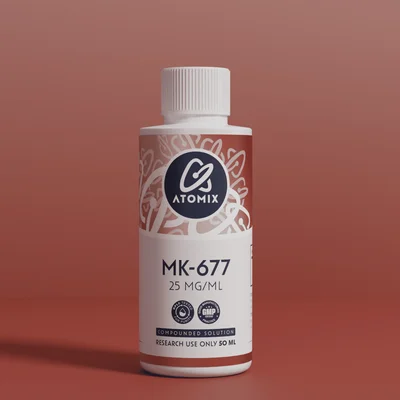
MK-677 is the most evidence-supported compound in this guide for researchers prioritizing human trial data over mechanistic inference. Its double-blind, placebo-controlled trial record is genuinely unusual in the research-chemical secretagogue space. That said, documented insulin sensitivity impairment in those same trials isn't a minor caveat - it's a real metabolic risk that deserves serious consideration, particularly for anyone with any predisposition to glucose dysregulation.
MK-677 represents the clearest benchmark for what human-trial evidence looks like in the oral secretagogue category, and its stronger evidence tier relative to injectable alternatives makes it an essential reference point for the stack comparison.
CJC-1295 (with DAC) is the most evidence-supported injectable GHRH analog in the research-chemical market, but that evidence comes from a Phase II pharmacokinetic trial - not an efficacy trial with clinical endpoints. The compound's reputation substantially outpaces its clinical evidence, and DAC vs. non-DAC mislabeling in the vendor market is a genuine sourcing risk that makes sequence verification by mass spectrometry important, not optional.
CJC-1295 is the GHRH-analog anchor of the most widely discussed secretagogue stack, and its Phase II human pharmacokinetic data makes it one of the better-characterized research chemicals in this class.
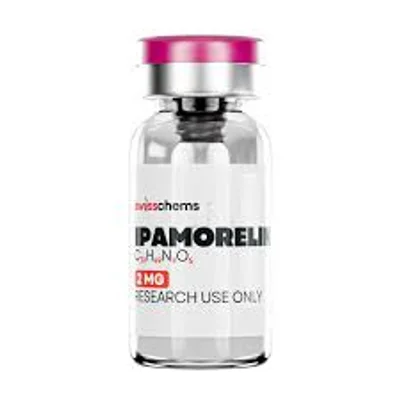
Ipamorelin has a solid receptor pharmacology rationale and a favorable selectivity profile documented in preclinical research - its minimal cortisol and prolactin co-stimulation distinguishes it from earlier GHRPs in a meaningful way. The translation to human clinical benefit for body composition or recovery endpoints in healthy adults is unconfirmed by controlled trial data, though. Most of the specific outcome claims circulating about this compound rest on animal studies and self-reports, and researchers should be clear-eyed about that.
Ipamorelin is the GHRP anchor of the featured stack and the most discussed selective GHS-R1a agonist in the injectable peptide research space.
Editorial Disclaimer: Research Context, Legal Status, and What This Guide Is Not
This content is published for educational and research-aggregation purposes only. It does not constitute medical advice, and nothing in this guide should be interpreted as a recommendation for human use of any compound described. Ipamorelin and CJC-1295 (with or without DAC) are sold as research chemicals in most jurisdictions and are not approved by the FDA, MHRA, TGA, or EMA for human administration outside of a licensed clinical trial. MK-677 (ibutamoren) occupies a similar status. These compounds are WADA-prohibited in competitive sport. Researchers, clinicians, and curious readers should consult applicable law in their jurisdiction before acquiring or handling any of these compounds.
Tesamorelin (brand name Egrifta) and GLP-1/GIP agonists (semaglutide, tirzepatide) are discussed as benchmark comparators because they carry genuine prescription drug status. If you're considering any pharmacological intervention for a health indication, those pathways - prescription, supervised, regulated - are the appropriate ones.
---
What Are Growth Hormone Secretagogue Stacks? Defining the GHRH + GHRP Combination Model
Growth hormone secretagogues (GHS) are compounds that stimulate the pituitary gland to release endogenous growth hormone (GH), as opposed to exogenous recombinant human GH (rhGH), which directly replaces the hormone. The secretagogue approach is theoretically appealing because it preserves pulsatility - the natural rhythmic pattern of GH release - and keeps the pituitary's own feedback mechanisms nominally intact.
Two distinct receptor pathways are involved:
- GHRH receptor pathway: Activated by growth hormone-releasing hormone (GHRH) and analogs like CJC-1295 and tesamorelin. This pathway promotes GH synthesis and release from somatotroph cells.
- Ghrelin receptor (GHS-R1a) pathway: Activated by ghrelin and synthetic mimetics like ipamorelin and MK-677. This pathway independently stimulates GH release and has additional downstream effects on appetite, sleep architecture, and energy metabolism.
The stack rationale is that combining a GHRH analog with a GHRP produces synergistic GH output greater than either alone - a premise supported in animal pharmacology and inferred from the distinct but complementary mechanisms. Whether that synergy translates linearly into meaningful clinical outcomes in healthy humans is a separate question, and one the research record doesn't yet resolve.
---
The Two Anchor Compounds: Ipamorelin and CJC-1295 - Chemical Identity and Class
Ipamorelin
Ipamorelin (NNC 26-0161) is a synthetic pentapeptide and selective GHS-R1a agonist developed by Novo Nordisk in the 1990s. Its molecular formula is C38H49N9O5, with a molecular weight of approximately 711.9 g/mol. It belongs to the GHRP class alongside GHRP-2 and GHRP-6, but it's distinguished by its high receptor selectivity - research in animal models consistently shows it stimulates GH release with markedly less co-stimulation of cortisol, prolactin, and ACTH than earlier-generation GHRPs. It reached early clinical development but didn't progress to approval for any indication.
CJC-1295
CJC-1295 is a synthetic analog of GHRH (residues 1-29) with modifications designed to extend circulating half-life. The version most commonly sold as 'CJC-1295' in the research-chemical market includes a Drug Affinity Complex (DAC) - a lysine linker that enables covalent binding to circulating albumin, dramatically extending the half-life from minutes (for native GHRH 1-29) to approximately 6-8 days. This DAC-modified version was studied in a Phase II clinical trial. A non-DAC version (sometimes called Modified GRF 1-29 or 'CJC-1295 without DAC') has a much shorter half-life of approximately 30 minutes. The two are frequently mislabeled in the vendor market, which has real implications for anyone using these compounds in a research context.
---
Mechanism of Action: How GHRH and GHRP Pathways Are Theorized to Work Synergistically
At the pituitary somatotroph level, GHRH binding to its receptor activates adenylyl cyclase, increasing intracellular cAMP and driving GH gene transcription and secretion. GHS-R1a agonists like ipamorelin work through a distinct G-protein coupled mechanism involving phospholipase C activation and intracellular calcium mobilization. Both pathways converge on GH exocytosis, but through different intracellular signaling cascades.
The synergy hypothesis holds that activating both pathways simultaneously produces GH output exceeding either pathway alone - an effect observed in animal models where combined GHRH + GHRP administration produced supra-additive GH pulses. GHS-R1a agonists also appear to antagonize somatostatin's inhibitory tone at the pituitary, which may further amplify GHRH-driven release.
Downstream, elevated GH drives hepatic IGF-1 production, which mediates many of the anabolic and metabolic effects attributed to GH axis activation. Both GH and IGF-1 are subject to negative feedback: elevated IGF-1 suppresses hypothalamic GHRH release and increases somatostatin tone. This feedback loop is preserved with secretagogues (unlike exogenous rhGH), which is frequently cited as a theoretical safety advantage - though long-term data in humans to confirm that advantage are absent.
---
Evidence Summary for Ipamorelin Alone: Animal Data, Human Clinical Programs, and Anecdotal Reports
Animal Data
Ipamorelin's preclinical record is reasonably robust. Studies in rats and dogs documented dose-dependent GH release with the favorable cortisol/prolactin selectivity profile that distinguishes it from GHRP-2 and GHRP-6. A frequently cited rat study found that ipamorelin stimulated GH release comparable to GHRP-6 while producing significantly lower cortisol and ACTH responses. Bone mineral density and body composition effects have been explored in rodent models, with some studies suggesting favorable outcomes - though rodent GH physiology differs from human GH physiology in ways that limit direct translation.
Human Clinical Programs
Ipamorelin entered human clinical development, primarily for postoperative ileus indications rather than GH deficiency or body composition. Human trial data for body composition, recovery, or performance endpoints in healthy adults is essentially absent from the peer-reviewed record. The GH-stimulating effects in humans are inferred from the mechanism and from limited pharmacokinetic studies, not from the kind of controlled trials that would establish efficacy and safety for the applications most commonly discussed in research communities.
Anecdotal Self-Reports
User-reported experiences from online communities consistently describe subjective improvements in sleep quality, recovery perception, and gradual lean mass changes over multi-week cycles. Reported injection-site reactions are generally mild. These reports aren't controlled, aren't blinded, and are subject to substantial selection bias - they should be treated as hypothesis-generating observations rather than evidence of effect.
---
Evidence Summary for CJC-1295 Alone: Phase II Pharmacokinetic Trial Data and Its Limitations
CJC-1295 (with DAC) is among the better-studied research-chemical secretagogues precisely because it completed a Phase II human pharmacokinetic trial. A 2006 study by Ionescu and Frohman (published in the Journal of Clinical Endocrinology and Metabolism, n=64 across dose cohorts) examined single and multiple subcutaneous doses of CJC-1295 in healthy adults aged 21-61. Key findings:
- CJC-1295 produced dose-dependent increases in mean 24-hour GH concentrations (2- to 10-fold above baseline depending on dose)
- IGF-1 levels increased 1.5- to 3-fold and remained elevated for 9-11 days after a single injection
- The compound demonstrated a half-life consistent with albumin binding (approximately 6-8 days)
- The most common adverse effects were transient injection-site reactions and transient facial flushing
Limitations of this data: The study was a pharmacokinetic/pharmacodynamic trial, not an efficacy trial. It documented that CJC-1295 elevates GH and IGF-1 - it didn't measure body composition changes, performance outcomes, or long-term safety. The study population was small, the follow-up period was short, and the trial wasn't designed to answer whether sustained IGF-1 elevation translates to meaningful clinical benefit or harm over months or years. Development of CJC-1295 as a pharmaceutical was discontinued; no Phase III data exists.
---
What Research Exists on the Combined Stack? Evaluating the Synergy Hypothesis
Direct peer-reviewed evidence for the Ipamorelin + CJC-1295 combination in humans is, to current knowledge, absent from the published literature. The synergy hypothesis is supported by:
1. Mechanistic logic (distinct receptor pathways, complementary signaling)
2. Animal pharmacology studies showing supra-additive GH release when GHRH analogs and GHRPs are co-administered
3. Analogical reasoning from studies using other GHRH/GHRP combinations
What it is not supported by is a controlled human trial of the specific Ipamorelin + CJC-1295 combination measuring any clinical endpoint. The widespread treatment of this stack as established practice in research communities represents a significant extrapolation from available evidence. That doesn't make the mechanistic rationale invalid - it means the clinical translation remains unconfirmed.
---
DAC vs. Non-DAC CJC-1295: Why the Labeling Confusion Matters for Researchers
This is one of the most practically consequential points in the secretagogue research space. Two distinct compounds are commonly sold under the 'CJC-1295' label:
- CJC-1295 with DAC: Half-life approximately 6-8 days. Requires once or twice weekly dosing for sustained elevation. This is the compound studied in the 2006 Phase II trial.
- CJC-1295 without DAC (Modified GRF 1-29): Half-life approximately 30 minutes. Requires frequent injections (typically 2-3 times daily) to achieve meaningful GH stimulation.
Vendors frequently mislabel these compounds - sometimes deliberately (for pricing reasons), sometimes through supply-chain confusion. A vial labeled 'CJC-1295' with no DAC specification could be either compound. For a researcher attempting to replicate or compare to published trial data, this distinction is critical: the pharmacokinetic profiles are fundamentally different. Any COA review for CJC-1295 should include sequence verification, not just purity percentage, since mass spectrometry can identify whether the DAC modification is actually present.
---
MK-677 (Ibutamoren) as an Oral Secretagogue Alternative: What Double-Blind Human Trials Report
> Research Peptide MK-677 (Ibutamoren) - Score: 72/100
> Among the compounds covered in this guide, MK-677 occupies an unusual position: it's a research chemical with a genuine double-blind, placebo-controlled human trial record - a distinction that matters enormously when evaluating the evidence landscape.
Best For
Researchers prioritizing compounds with the most robust human-trial evidence base in the secretagogue class, and for whom injection protocols and cold-chain logistics are a meaningful constraint.
Evidence Profile
MK-677 (ibutamoren) is an oral, non-peptide GHS-R1a agonist - technically a growth hormone secretagogue rather than a peptide, which is relevant to both its pharmacokinetics and its legal classification. Published double-blind, placebo-controlled human trials include:
- A study in obese males (Murphy et al., 1998, n=24) showing significant GH and IGF-1 elevation with twice-daily oral dosing
- A trial in elderly subjects (Nass et al., 2008, n=65) examining 25 mg/day for 12 months, which documented increased GH pulsatility, improved IGF-1 levels, and notably, improvements in slow-wave sleep - but also significant increases in fasting glucose and insulin resistance
- A study examining muscle mass and function in elderly hip fracture patients (Adunsky et al., 2011) suggesting favorable effects on lean body mass
The sleep architecture finding is one of the more pharmacologically interesting results in the secretagogue literature. GHRH and ghrelin axis activity is mechanistically linked to slow-wave sleep promotion, and at least one placebo-controlled study supports this in humans.
Honest Pros and Cons
Pros:
- Human double-blind trial data across multiple populations and endpoints
- Oral administration - no injection, no reconstitution, no cold-chain storage
- Robust GH and IGF-1 elevation without suppressing endogenous pituitary function
- Preliminary human evidence for slow-wave sleep improvement
Cons:
- Documented impairment of insulin sensitivity in human trials - not a theoretical risk but a measured one. The Nass 2008 trial reported increased fasting glucose and insulin. That's a meaningful consideration, particularly for individuals with any metabolic predisposition
- Appetite stimulation is pronounced, which may be directly counterproductive depending on the research context
- Water retention is commonly reported and can confound body composition measurements
- WADA-prohibited status
Dosing in Research Contexts
Published human trials have examined doses ranging from 10 mg to 25 mg orally per day. The 25 mg/day dose is the most commonly studied. This is not a dosing recommendation for human use.
---
CJC-1295 in the Featured Stack Context
> Research Peptide CJC-1295 - Score: 72/100
> The most evidence-supported injectable GHRH analog in the research-chemical market, though that evidence base is narrower than it's often portrayed.
Evidence Profile
As detailed in the evidence summary above, CJC-1295's human data comes from a Phase II pharmacokinetic trial (n=64, Ionescu & Frohman, 2006) - not an efficacy trial with clinical endpoints. That distinction is worth repeating because the compound's reputation in research communities often implies more clinical evidence than actually exists.
Honest Pros and Cons
Pros:
- One of the few GHRH analogs with published Phase II human pharmacokinetic data
- DAC modification enables infrequent dosing once the pharmacokinetics are understood
- Well-characterized mechanism at the GHRH receptor
- Relatively accessible price point per milligram
Cons:
- The extended half-life means that if adverse reactions occur, there's no rapid offset - side-effect management is more difficult than with shorter-acting analogs
- DAC vs. non-DAC labeling confusion is endemic and creates a real mislabeling risk
- The trial data describes pharmacodynamics, not clinical outcomes - body composition effects remain extrapolated
- Sustained IGF-1 elevation over weeks or months carries long-term safety unknowns not yet addressed by available data
Dosing in Research Contexts
The Phase II trial examined single doses from 30 mcg/kg to 120 mcg/kg subcutaneously. Once-weekly or twice-weekly dosing regimens are discussed in the research community based on the pharmacokinetic half-life data. This is not a dosing recommendation for human use.
---
Ipamorelin in the Featured Stack Context
> Research Peptide Ipamorelin - Score: 68/100
> Strong receptor pharmacology and favorable selectivity data in animal models - but the translation to human clinical benefit remains largely unconfirmed.
Evidence Profile
Ipamorelin's evidence base is primarily preclinical. Its selectivity profile (minimal cortisol/ACTH/prolactin co-stimulation) is documented in peer-reviewed animal pharmacology. Human data for the endpoints most commonly discussed - body composition, recovery, sleep - isn't available from controlled trials in healthy adults.
Honest Pros and Cons
Pros:
- Highly selective GHS-R1a agonist with favorable cortisol/prolactin profile documented in animal research
- Relatively short half-life supports pulsatile GH stimulation rather than tonic elevation
- Well-characterized receptor pharmacology gives a clearer mechanistic picture than many research peptides
- Among the more studied GHRPs at the preclinical level
Cons:
- Human trial data for health/performance endpoints in non-GH-deficient adults: essentially absent
- Subcutaneous injection and cold-chain storage requirements add logistical complexity
- WADA-prohibited - competitive athletes subject to anti-doping testing face meaningful compliance risk
- Dose-response characterization in humans is inferred from mechanism, not directly measured
Dosing in Research Contexts
Animal studies and clinical program documentation suggest doses in the range of 100-300 mcg per injection in early human exploratory work, typically administered subcutaneously. Dosing frequency varies across sources. This is not a dosing recommendation for human use.
---
Tesamorelin (Egrifta): The Only GHRH Analog With FDA Approval and Phase III RCT Data - A Benchmark Comparison
Tesamorelin is the most important benchmark in the secretagogue research landscape for one straightforward reason: it's the only GHRH analog with FDA approval, backed by Phase III randomized controlled trial data in humans. FDA approval was granted in 2010 for HIV-associated lipodystrophy (specifically, reduction of excess visceral adipose tissue in HIV-infected adults on antiretroviral therapy).
The Phase III trials (n=543 total across two trials, Falutz et al., 2007 and 2010) documented statistically significant visceral fat reduction versus placebo - a clinical endpoint, not merely a pharmacodynamic measurement. Tesamorelin is structurally similar to CJC-1295 in that it's a GHRH analog, but it operates through daily subcutaneous injection with a much shorter half-life.
Why this matters for the secretagogue evidence discussion: Tesamorelin represents what the evidence bar looks like when a GHRH analog completes full clinical development. The research-chemical GHRH analogs (including CJC-1295) are several steps below that bar - their pharmacodynamic effects are documented, but clinical efficacy and long-term safety in the populations most interested in them haven't been subjected to the same scrutiny. Tesamorelin is not FDA-approved for body composition optimization in healthy adults - its approval is indication-specific.
---
GLP-1/GIP Agonists in the Metabolic Context: Where Semaglutide and Tirzepatide Sit Relative to GH Secretagogues
Semaglutide (Wegovy, Ozempic) and tirzepatide (Mounjaro, Zepbound) are FDA-approved prescription medications - not research chemicals. This distinction is categorical, not a matter of degree. They're relevant here because researchers interested in GH secretagogues often have overlapping interests in body composition and metabolic health.
GLP-1/GIP agonists work through completely different mechanisms than GH secretagogues: they modulate appetite, gastric emptying, and insulin secretion rather than the GH/IGF-1 axis. Their evidence base - multiple Phase III RCTs with thousands of participants, FDA approval for obesity and type 2 diabetes - is vastly stronger than anything in the research-chemical secretagogue space.
For anyone interested in GLP-1 or GIP agonists for approved indications, the appropriate pathway is a licensed prescriber or telehealth platform (such as Ro, Hims, or Mochi Health for weight management indications). Sourcing these as research chemicals is strongly discouraged - not only because it bypasses appropriate medical oversight, but because the compounding and gray-market supply chain for GLP-1 agonists has documented quality control problems. These are not analogous to research peptides used in non-human contexts.
---
BPC-157 as a Common Stack Add-On: Evaluating the Preclinical Evidence and Absence of Human Trial Data
BPC-157 (Body Protection Compound 157) is frequently discussed as a complement to the Ipamorelin/CJC-1295 stack in research communities, often framed as a recovery and tissue-repair agent. Its evidence profile is worth characterizing honestly:
- Animal data: Reasonably extensive. Studies in rodents have examined tendon healing, gut mucosal repair, angiogenesis promotion, and neuroprotection. Some results are striking in animal models.
- Human trial data: To current knowledge, absent from the peer-reviewed record for the injectable/systemic applications most commonly discussed. There's some human clinical work on BPC-157 in gastric/GI contexts (oral administration), but the injectable systemic use cases discussed in research communities lack published controlled human trial data.
BPC-157 is one of the clearer examples in the peptide research space of a compound where animal data is extensive but human translation is unconfirmed. Stacking it with secretagogues compounds the evidence uncertainty rather than resolving it.
---
Dosing Ranges Reported in Research Contexts - Not a Protocol Recommendation
> Disclaimer: The following ranges are drawn from published research and clinical trial documentation for research reference only. They do not constitute a dosing recommendation, protocol, or suggestion for human use. These compounds are not approved for human administration in most jurisdictions.
| Compound | Doses Reported in Research | Route | Frequency (Research Context) |
|---|---|---|---|
| Ipamorelin | 100-300 mcg per injection (early clinical/animal extrapolation) | Subcutaneous | Multiple times daily in some animal studies |
| CJC-1295 (with DAC) | 30-120 mcg/kg in Phase II trial | Subcutaneous | Once to twice weekly based on PK data |
| MK-677 (Ibutamoren) | 10-25 mg/day in human trials | Oral | Once daily |
| Tesamorelin (Rx only) | 2 mg/day (FDA-approved dose) | Subcutaneous | Once daily |
IGF-1 monitoring is discussed in research contexts as a means of assessing GH axis activation. Elevated IGF-1 above age-adjusted reference ranges is a potential indicator of excessive secretagogue effect. Long-term IGF-1 elevation carries theoretical oncological risk concerns based on epidemiological associations, though causality in a secretagogue context hasn't been established.
---
Reported Side Effects, Contraindications, and IGF-1 Elevation Considerations Across the Secretagogue Class
Commonly Reported Across Class
- Water retention (edema)
- Injection-site reactions (for injectable compounds)
- Transient flushing or warmth
- Headache
- Fatigue
Compound-Specific Considerations
MK-677: Human trial data documents impaired insulin sensitivity and increased fasting glucose. Appetite stimulation is pronounced. Both are documented findings, not anecdotal.
CJC-1295 (DAC): The extended half-life means any adverse effect is difficult to reverse quickly. Transient flushing was the most common adverse event in the Phase II trial.
Ipamorelin: Favorable cortisol/prolactin selectivity is documented in animals. The human adverse event profile in healthy adults isn't well characterized by controlled trial data.
IGF-1 Elevation Considerations
Epidemiological research has associated chronically elevated IGF-1 with increased risk of certain cancers, particularly colorectal and prostate. This association is observational and doesn't establish causation from secretagogue use specifically. It is, however, a theoretically meaningful concern for long-term, high-dose secretagogue use - and it's one reason the absence of long-term safety data in healthy adults matters.
Absolute contraindications to consider (from general endocrinology principles):
- Active malignancy or personal history of hormone-sensitive cancers
- Diabetic retinopathy
- Active acromegaly or GH excess states
- Pregnancy
None of these are established from secretagogue-specific trial data - they're inferred from the class mechanism and GH axis pharmacology.
---
WADA Prohibition Status and Implications for Competitive Athletes
All compounds discussed in this guide - ipamorelin, CJC-1295, MK-677, and BPC-157 - are prohibited under the World Anti-Doping Agency (WADA) Prohibited List. They fall under Section S2 (Peptide Hormones, Growth Factors, Related Substances, and Mimetics) and/or related categories.
Tesamorelin, as an approved pharmaceutical, carries a therapeutic use exemption (TUE) pathway - but TUE approval for body composition optimization in healthy athletes wouldn't be granted under current WADA criteria.
For competitive athletes subject to anti-doping testing at any level - Olympic, professional sports, collegiate (NCAA), or masters-level competitions with WADA-compliant testing - these compounds represent a career-level compliance risk. Detection windows vary by compound and test methodology. This isn't a theoretical concern; it's an operational one.
---
Legal Status by Region: US, UK, EU, and Australia for Research-Chemical Secretagogues vs. Prescription Alternatives
United States
Ipamorelin and CJC-1295 are not FDA-approved drugs and are not scheduled controlled substances under federal law - but the FDA has taken the position that selling them for human consumption violates the Federal Food, Drug, and Cosmetic Act. The FDA has issued warning letters targeting vendors who market peptides explicitly for human use. MK-677 was previously available in some supplement channels, but the FDA has signaled it considers ibutamoren an unapproved new drug. Tesamorelin (Egrifta) requires a valid prescription.
United Kingdom
Under the Medicines Act 1968, administering an unlicensed medicinal product to humans without appropriate authorization is a criminal offense. Research chemicals sold for non-human research exist in a gray area, but explicit human use isn't legally covered by that framing. The MHRA has increasingly scrutinized peptide vendors.
European Union
Regulation varies by member state, but the general EU framework treats unauthorized medicinal substances for human use as prescription-only or prohibited. The research-chemical exemption is narrower in many EU jurisdictions than in the US.
Australia
The Therapeutic Goods Administration (TGA) classifies most peptides including ipamorelin, CJC-1295, and ibutamoren as Schedule 4 prescription-only medicines or as unregistered goods requiring special access. Importation without appropriate authorization is a customs offense. Australia has one of the more actively enforced regulatory frameworks for peptide imports among English-speaking countries.
---
Sourcing Considerations: What a Credible COA Looks Like for Injectable Research Peptides
For researchers operating in jurisdictions where acquisition of these compounds for legitimate non-human research is lawful, vendor quality is a critical consideration. The research-chemical peptide market has significant quality variance.
What a Credible COA Should Include
- Purity percentage by HPLC (High-Performance Liquid Chromatography): Values above 98% are standard for quality vendors. Values below 95% warrant scrutiny.
- Sequence verification by mass spectrometry (MS): Critical for CJC-1295 specifically, where DAC vs. non-DAC confusion is endemic. MS can confirm the molecular weight and structural identity of the compound.
- Sterility testing documentation: For injectable peptides intended for any use, sterility testing (sterility assurance level documentation or bioburden testing) matters. Many vendors omit this.
- Endotoxin/LAL testing: Pyrogen testing (Limulus Amebocyte Lysate test) for injectable compounds. Endotoxin contamination is a meaningful risk with poorly manufactured peptides.
- Lot number traceability: The COA should reference a specific production lot, not be generic.
- Third-party laboratory issuing the COA: In-house COAs carry less credibility than COAs from independent analytical laboratories.
Red Flags
- COA shows purity by 'UV absorbance' without HPLC methodology specified
- No mass spectrometry data for structure confirmation
- Generic COA not tied to a specific lot number
- Vendor can't provide COA on request before purchase
- Shipping without age verification or requiring ID
- Marketing language that describes intended human use explicitly
---
Evidence Tier Summary: Ranking the Secretagogue Landscape From Human RCTs to Animal Models
| Compound | Highest Evidence Tier Available | Human RCT? | FDA/Rx Status |
|---|---|---|---|
| Tesamorelin | Phase III RCTs (n=543+) | Yes | FDA-approved (indication-specific) |
| Semaglutide / Tirzepatide | Phase III RCTs (thousands) | Yes | FDA-approved (metabolic indications) |
| MK-677 (Ibutamoren) | Double-blind placebo-controlled human trials | Yes | Research chemical / unapproved |
| CJC-1295 (with DAC) | Phase II pharmacokinetic trial (n=64) | Pharmacodynamic only | Research chemical / unapproved |
| Ipamorelin | Preclinical animal studies + early clinical PK | No efficacy RCTs in healthy adults | Research chemical / unapproved |
| BPC-157 | Animal models (primarily rodent) | No published systemic human trials | Research chemical / unapproved |
This ranking should inform how researchers weight claims made about each compound. The gap between MK-677's evidence tier and ipamorelin's is real - though MK-677's documented metabolic risks make it far from a straightforward 'better' option.
---
Where to Learn More: PubMed Search Strategies and ClinicalTrials.gov Pointers
Recommended PubMed Search Strings
- `ipamorelin AND growth hormone` - returns preclinical pharmacology and early clinical documentation
- `CJC-1295 AND pharmacokinetics` - surfaces the Ionescu/Frohman 2006 Phase II data and related work
- `ibutamoren OR MK-677 AND growth hormone AND randomized` - filters for controlled trial evidence
- `tesamorelin AND lipodystrophy AND randomized` - retrieves the Phase III RCT data
- `growth hormone secretagogue AND synergy` - useful for examining the mechanistic rationale literature
ClinicalTrials.gov
Search for 'ibutamoren', 'CJC-1295', 'tesamorelin', and 'growth hormone secretagogue' to examine completed, ongoing, and terminated trials. Note completion status and primary endpoints carefully - many registered trials have not reported results.
Additional Resources
- The Endocrine Society clinical practice guidelines on GH deficiency provide important context for how GH axis pharmacology is understood in approved medical contexts
- WADA's Prohibited List (wada-ama.org) is updated annually and should be consulted for current prohibition status
- The FDA's warning letter database includes letters to peptide vendors and provides insight into the regulatory posture toward research-chemical peptides
Tips
- 1.Before evaluating any secretagogue claim, check whether the supporting study was a pharmacokinetic trial (measuring drug levels and GH/IGF-1 changes) or an efficacy trial (measuring a clinical endpoint like body composition or function). That distinction determines how much weight the evidence actually deserves.
- 2.For any CJC-1295 procurement in a research context, request a COA that includes mass spectrometry sequence confirmation, not just HPLC purity. It's the only reliable way to distinguish the DAC-modified compound from Modified GRF 1-29, which is frequently sold under the same label.
- 3.Researchers tracking IGF-1 as a proxy for GH axis activation should use age-adjusted reference ranges and establish a pre-intervention baseline - baseline IGF-1 varies substantially between individuals, and without that baseline, post-intervention measurements are genuinely hard to interpret.
The Bottom Line
The Ipamorelin/CJC-1295 stack has a coherent mechanistic rationale and sits on a foundation of animal pharmacology and Phase II human pharmacokinetic data - but the gap between that evidence base and the confidence with which it's discussed in research communities is wide. Among the featured compounds, MK-677 carries the most substantial human trial evidence and deserves the closest attention for researchers prioritizing empirical support over mechanistic inference, though its metabolic risk profile requires honest scrutiny rather than dismissal. Anyone seriously engaging with this research landscape should benchmark against tesamorelin's Phase III trial record as a reminder of what rigorous clinical evidence in the GHRH analog space actually looks like.
Frequently Asked Questions
What is the difference between ipamorelin and CJC-1295 and why are they stacked together?
Is MK-677 the same as ipamorelin or CJC-1295?
What does the research actually say about CJC-1295 and ipamorelin for muscle gain or fat loss in humans?
What are the reported side effects of taking ipamorelin and CJC-1295 together?
What dosing protocols are used for ipamorelin and CJC-1295 in published research?
Are ipamorelin, CJC-1295, and MK-677 legal to buy in the US, UK, and Australia?
Related Guides
PROTOCOL-FRAMEWORK
Peptide Dosing Ranges Reported in Research: A Protocol Framework Reference (Not a Recommendation)
Peptide dosing ranges reported in published research span five evidence tiers, from FDA-approved Phase III RCT data (tirzepatide, semaglutide, tesamorelin) down to compounds where credible human dosing data is essentially absent. The strongest dataset belongs to tirzepatide, where SURMOUNT-1 (n=2,539, 72 weeks) reported approximately 20.9% mean body weight reduction at the 15 mg weekly dose versus placebo. Tier 1 compounds are prescription drugs accessed through licensed prescribers; Tiers 3–5 (including BPC-157, GHK-Cu, and ipamorelin) are not approved by the FDA, MHRA, TGA, or EMA for human therapeutic use.
STACK
Peptide Stacks for Body Recomposition: How Researchers Combine GH-Axis, GLP-1, and Mitochondrial Compounds (2026 Research Guide)
For researchers building a GH-axis protocol with the strongest available human trial data, MK-677 (Ibutamoren) is the most defensible starting point - it's one of the only research chemicals in this class with completed double-blind, placebo-controlled human trials, oral administration, and documented GH/IGF-1 elevation. The insulin sensitivity impairment documented in those same trials, though, makes it a poor fit for any protocol layered with metabolic agents unless that interaction is explicitly part of the research question.
STACK
The GH-Axis Peptide Stack: CJC-1295, Ipamorelin, Sermorelin, and IGF-1 LR3 in Research Context (2026 Guide)
For researchers building a GH-axis peptide stack, CJC-1295 paired with Ipamorelin is the most evidence-supported GHRH+GHRP combination in the literature. CJC-1295 takes the top spot because of its published Phase II pharmacokinetic data (n=64), characterised mechanism at the GHRH receptor, and DAC modification that allows less frequent dosing. All compounds discussed here are research chemicals not approved for human use - this is a research-context summary only.