
HOW TO
How to Read a Peptide Certificate of Analysis (COA): A Researcher's Field Guide
What every COA must contain — and the red flags that disqualify a vendor
Last updated: May 1, 2026
Quick Answer
A peptide Certificate of Analysis (COA) is a laboratory-issued document reporting identity, purity, and safety testing for a specific batch of compound, answering three questions: is it the right compound, how much is present, and is it safe to handle. Prescription peptides like semaglutide are manufactured under FDA-enforced GMP standards with legally accountable COAs, while research chemicals such as BPC-157 and GHK-Cu carry no mandated COA content, making ISO 17025 laboratory accreditation, HPLC purity, mass spectrometry identity confirmation, and endotoxin testing the key fields researchers must evaluate independently.
Most people buying research peptides look at one number on a COA: the purity percentage. If it reads 99.1%, they move on. That reflex is understandable, but it misses the point almost entirely. A purity figure tells you what fraction of the material is the target compound. It tells you nothing about whether the compound is correctly folded, properly conjugated, free of endotoxins, or accurately labeled. A peptide can be 99% pure and still be the wrong peptide.
This isn't a hypothetical problem. The research peptide market operates largely outside pharmaceutical quality-assurance frameworks. Vendors vary dramatically in what they test, which laboratories they use, how they format documentation, and whether their COAs are independently verifiable. For researchers who intend to work with these compounds in any serious capacity - whether in academic settings, self-research contexts, or preclinical protocols - knowing how to read a COA critically is a foundational skill, not an optional extra.
This guide breaks down every section of a legitimate certificate of analysis using real peptide examples drawn from across the evidence spectrum: from the endogenous copper-chelating tripeptide GHK-Cu, which requires conjugation verification that most vendors skip, to BPC-157, the most widely self-researched healing peptide in the biohacker community, whose research-chemical status means no regulatory floor exists for its commercial quality. The goal is to make you a more rigorous evaluator of the documentation in front of you - not to recommend sourcing any of these compounds for human use.
Featured Peptides
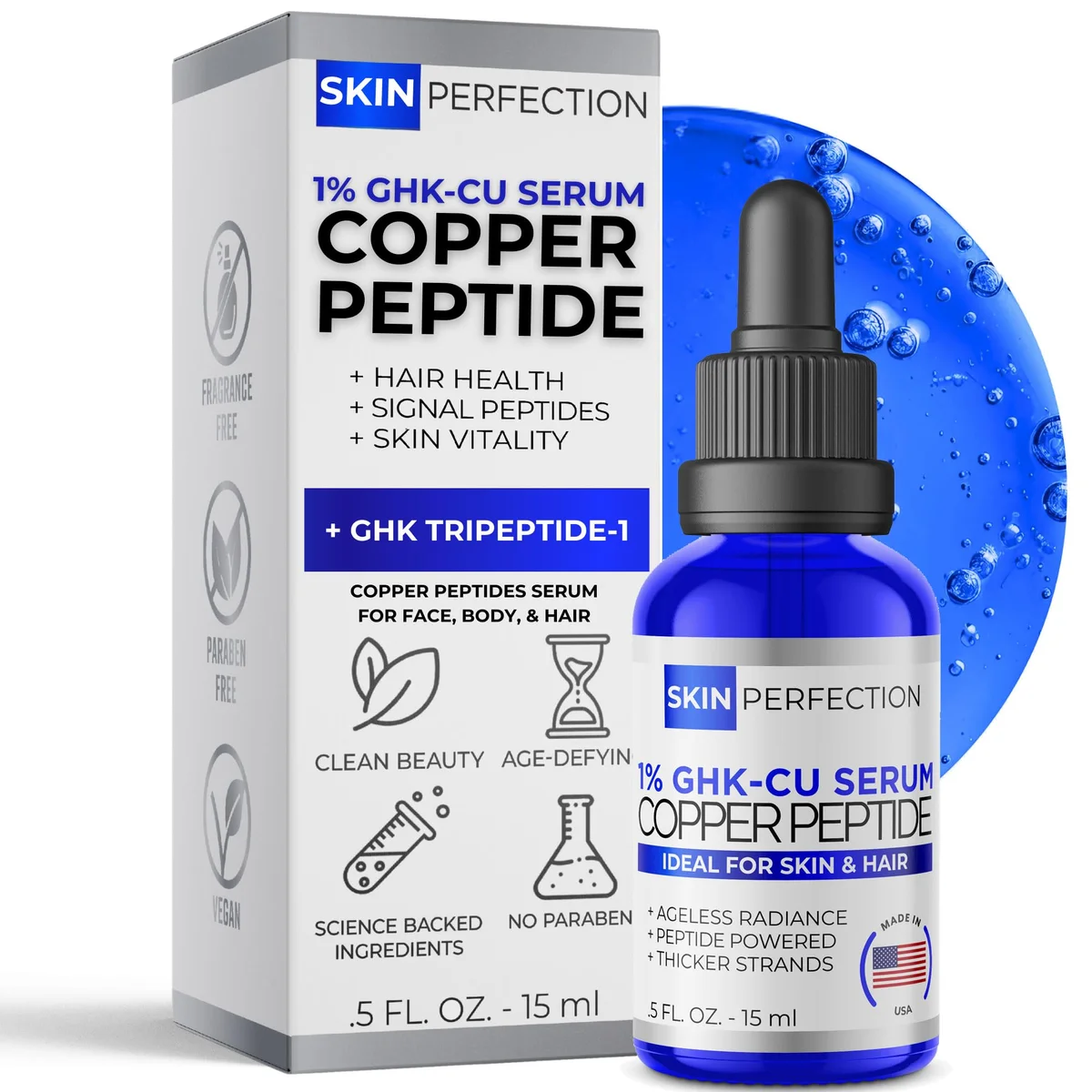
GHK-Cu is the most instructive example in this guide precisely because its copper chelation verification requirement exposes a near-universal gap in research-chemical COA practice. A COA that confirms HPLC purity but omits ICP-MS elemental copper quantification can't confirm you have the compound the research literature studied. The topical evidence base is comparatively solid for a research peptide; the injectable use case lacks both human trial data and adequate COA infrastructure in the current market.
GHK-Cu illustrates the critical limitation of HPLC purity as a sole identity marker and shows why peptide-specific verification methods - in this case copper chelation confirmation - are necessary for a complete COA.
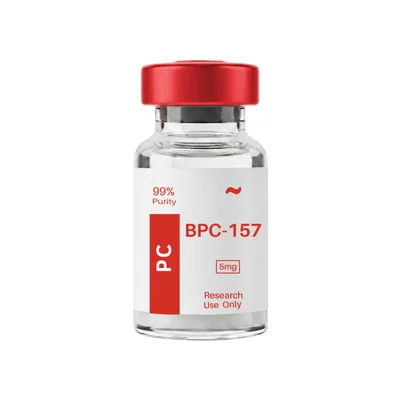
BPC-157 has one of the largest preclinical footprints of any research peptide in the biohacker market, but as of mid-2025 it has no completed human RCTs - meaning the COA is the primary available quality signal, and it's one that most vendors underdeliver on. The concentration of animal evidence within a single research group and the complete absence of regulatory oversight make third-party, independently verifiable COA documentation not just preferable but essential for any serious research application.
BPC-157 represents the high-interest, low-regulatory-oversight end of the research peptide spectrum, where COA quality carries the most weight precisely because clinical evidence can't compensate for quality gaps.
What Is a Certificate of Analysis, and Why It Exists
A Certificate of Analysis (COA) is a document issued by a testing laboratory that reports the results of analytical testing performed on a specific batch of a chemical compound. In pharmaceutical manufacturing, COAs are mandatory, standardized, and traceable to regulatory frameworks. In the research peptide market, they're voluntary, non-standardized, and only as reliable as the laboratory that produced them.
The purpose of a COA is to answer three fundamental questions about a batch of material:
1. Is it the right compound? (Identity)
2. How much of the right compound is present? (Purity)
3. Is it safe to handle in a research context? (Sterility, endotoxin load, residual solvents)
A COA that only answers the second question - which describes the majority of vendor-issued COAs in the research peptide space - is providing incomplete quality assurance. Understanding which questions are being answered, and which are being silently omitted, is the central skill this guide develops.
---
The Regulatory Context: Why COA Standards Differ Between Prescription Peptides and Research Chemicals
The regulatory environment for peptides is fragmented, and that fragmentation directly determines what a COA is required to contain.
Prescription peptides - including GLP-1 agonists like semaglutide and tirzepatide - are manufactured under Good Manufacturing Practice (GMP) guidelines enforced by regulatory agencies such as the FDA (US), MHRA (UK), EMA (EU), and TGA (Australia). GMP manufacturing requires validated analytical methods, documented chain of custody, third-party batch release testing, defined shelf-life studies, and environmental controls on sterility. The COA for a GMP product is a legally accountable document.
Research chemicals, by contrast, are sold with the explicit legal disclaimer that they are not for human use. In this category, no regulatory body mandates what a COA must contain, which methods must be used, or which laboratory must perform the testing. This doesn't mean all research peptide COAs are unreliable - but it does mean the burden of evaluation falls entirely on the researcher reviewing the document.
This distinction matters in practice. When evaluating a COA for a research chemical like BPC-157 or GHK-Cu, the appropriate standard isn't "does it have a COA" but "does this COA meet a reasonable analytical standard given the state of the art for peptide characterization."
---
Anatomy of a Legitimate COA: Every Field Explained
A thorough peptide COA should contain all of the following fields. Each is explained below.
Product Name and Lot/Batch Number
The product name should include the full chemical name or sequence notation (e.g., "BPC-157: Gly-Glu-Pro-Pro-Pro-Gly-Lys-Pro-Ala-Asp-Asp-Ala-Gly-Leu-Val" or the commonly used shorthand with CAS number). The batch or lot number is the traceability anchor - it ties this specific COA to a specific manufacturing run. If the vendor can't provide a batch number that matches the vial you received, the COA isn't traceable to your material.
CAS Number
The Chemical Abstracts Service registry number is a unique identifier for a chemical compound. For peptides, this matters because structurally similar compounds may have different CAS numbers. CJC-1295 with DAC and without DAC are different compounds with different CAS numbers - more on this in the mislabeling section below.
Molecular Formula and Molecular Weight
These should match reference values from peer-reviewed literature or established chemical databases (PubChem, ChemSpider). A molecular weight discrepancy is a serious identity red flag.
Testing Laboratory Name and Accreditation
The issuing laboratory should be named, and its accreditation status (ISO 17025 is the relevant standard for analytical testing laboratories) should ideally be confirmable. An in-house lab run by the vendor itself isn't independent - this distinction is covered in depth later.
Date of Analysis and Expiry/Retest Date
The date of analysis tells you when the testing was performed, not when the peptide was manufactured. Some vendors issue COAs that are months or years old and apply them to new stock. A COA older than 12-18 months for a lyophilized peptide that's been stored at room temperature should prompt questions about retest dates.
Methods Used
Every result should be paired with the analytical method used to generate it. "Purity: 99.2%" without a method citation isn't useful data - purity by HPLC reverse-phase C18 at 220nm is a defined, reproducible measurement. "Purity" alone is not.
Results Section
This should include: identity confirmation result, purity percentage with method, water content (Karl Fischer), residual solvents (where applicable), endotoxin level (LAL test or equivalent), sterility result (for injectable-grade material), and - for specific peptides - conjugation or modification verification.
---
Identity Confirmation: Mass Spectrometry, HPLC, and Amino Acid Sequencing - What Each Method Actually Tells You
Identity confirmation is the most technically substantive section of a COA, and the one most frequently glossed over by both vendors and buyers.
Mass Spectrometry (MS)
Mass spectrometry measures the mass-to-charge ratio (m/z) of ionized molecules. For peptides, it's typically performed as ESI-MS (electrospray ionization) or MALDI-TOF (matrix-assisted laser desorption/ionization time-of-flight). A mass spec result confirms that a compound with the expected molecular weight is present in the sample.
What MS confirms: The molecular weight of the dominant compound matches the theoretical molecular weight of the claimed peptide.
What MS does not confirm: Whether the amino acid sequence is correct (two peptides with the same molecular weight but different sequences would be indistinguishable by simple MS), whether disulfide bonds are correctly formed, or whether post-translational modifications are present or absent.
MS is a necessary but not sufficient identity test for complex peptides. A COA that lists only MS confirmation should be read as partial identity verification.
HPLC (High-Performance Liquid Chromatography)
HPLC separates the components of a sample by their interaction with a stationary phase and measures their relative abundance. In reverse-phase HPLC (the most common method for peptide analysis), compounds are eluted by a gradient from aqueous to organic solvent and detected by UV absorbance (typically at 214nm or 220nm for peptide bonds).
HPLC serves two roles in a COA: it generates the purity percentage (relative peak area of the target compound vs. all detected peaks) and, when retention time is compared to a reference standard, it can contribute to identity confirmation.
What HPLC confirms: Relative purity of the sample; consistent retention time compared to a reference standard.
What HPLC does not confirm: Absolute identity independent of a reference standard; correct stereochemistry (D vs. L amino acids); conjugation status.
Amino Acid Analysis / Sequencing
For larger or more complex peptides, amino acid composition analysis (hydrolysis followed by chromatographic quantification) or de novo peptide sequencing via tandem MS (MS/MS) provides the strongest identity confirmation. These methods are more expensive and less commonly included in research-chemical COAs, but they represent best practice for peptides where sequence accuracy is critical.
---
Purity Reporting: What HPLC Purity Percentages Mean (and What They Don't)
The purity percentage is the number most buyers focus on, and it's genuinely important - but its interpretation requires context.
HPLC purity by area normalization is the most common method: the instrument measures all UV-absorbing peaks in the chromatogram and calculates the target compound's peak as a percentage of the total peak area. A 99% purity result means that 99% of the UV-absorbing material in the sample is the target compound.
Critical limitations of this method:
It only detects UV-absorbing compounds. Contaminants that don't absorb UV light (some solvents, salts, endotoxins) won't appear in the purity calculation. A sample can be 99% pure by HPLC and still contain significant levels of bacterial endotoxins.
It's relative, not absolute. If the reference standard used for the calculation is impure, or if no reference standard is used, the purity percentage is a relative measure with no external anchor.
Detection wavelength matters. Peptides are typically analyzed at 214nm (peptide bond absorption) or 220nm. Some vendors report purity at 254nm (optimized for aromatic residues), which will give different results. The wavelength should be specified.
It doesn't distinguish stereoisomers. L-amino acid and D-amino acid versions of a peptide may have identical molecular weights and similar HPLC retention times under standard conditions. Chiral purity requires specialized methods.
For a research peptide, an HPLC purity of 95% or above is generally considered a minimum acceptable threshold for research use, with 98%+ representing better-quality material. Below 95%, the nature and identity of the impurities becomes a significant concern.
---
Sterility, Endotoxin, and Microbial Testing: The Most Commonly Omitted Sections
This is where most research-chemical COAs fall short - and where the gap between research-chemical and pharmaceutical-grade material is most consequential.
Sterility Testing
Sterility testing (USP <71> or equivalent) determines whether viable microorganisms are present in the product. This is non-negotiable for any material intended for injectable use in a pharmaceutical context. In the research peptide market, sterility testing is rare and often absent from COAs entirely.
Sterility isn't achievable through the peptide synthesis process alone. It requires aseptic manufacturing conditions, terminal filtration (0.22 micron), and - in many cases - additional sterilization methods. A vendor claiming a product is "sterile" without a sterility test result on the COA is making an unverifiable claim.
Endotoxin Testing
Bacterial endotoxins (lipopolysaccharides from gram-negative bacteria) are a major concern for injectable research materials. They're heat-stable, not removed by standard 0.22-micron filtration alone, and cause pyrogenic reactions at very low concentrations. The standard detection method is the Limulus Amebocyte Lysate (LAL) test.
Endotoxin limits for injectable pharmaceuticals are typically expressed in Endotoxin Units (EU) per milligram or per dose. Commonly cited limits in pharmaceutical contexts are less than 5 EU/kg body weight for most systemic injectables. Endotoxin testing is largely absent from research-chemical COAs - and that absence is a meaningful gap in quality documentation.
Microbial Bioburden
For non-sterile research materials (e.g., topical preparations), total aerobic microbial count (TAMC) and total yeast and mold count (TYMC) provide a bioburden assessment. These are distinct from sterility testing and relevant for materials used topically.
In the context of GHK-Cu research, which has a comparatively robust topical evidence base, microbial bioburden testing on topical-format material is more commonly included in credible COAs than sterility testing on injectable-format material.
---
Moisture Content and Residual Solvents: The Overlooked Sections That Affect Dosing Accuracy
Moisture Content (Karl Fischer Analysis)
Lyophilized peptides are sold by mass, and that mass includes water. The amount of water incorporated into a lyophilized peptide powder (referred to as moisture or water content) directly affects the actual peptide content per milligram of material.
A peptide sold as 5mg per vial with a moisture content of 8% contains approximately 4.6mg of actual peptide. At 15% moisture content, that figure drops to 4.25mg. These differences become significant in research contexts where dosing precision matters.
Moisture content should be reported as a percentage by Karl Fischer titration, which is a validated and reproducible analytical method. If moisture content isn't reported on a COA, the researcher can't accurately calculate the actual peptide content of their material.
Acceptable moisture content for lyophilized peptides in research contexts is typically cited as less than 8-10%, with better-quality material running 3-6%.
Residual Solvents
Peptide synthesis involves organic solvents (commonly DMF, DCM, acetonitrile, and TFA - trifluoroacetic acid). Residual levels of these solvents should be measured and reported, particularly TFA, which can form a trifluoroacetate salt that constitutes a meaningful fraction of apparent peptide mass if not removed.
ICH Q3C guidelines classify residual solvents by risk level. Class 1 solvents (benzene, carbon tetrachloride) are to be avoided entirely. Class 2 solvents (including DMF and DCM) have defined permitted daily exposure limits. The presence of residual solvents without quantification is a quality gap.
---
Copper Chelation and Conjugation Verification: A Case Study in Peptide-Specific Identity Markers (GHK-Cu)
GHK-Cu (glycyl-L-histidyl-L-lysine copper(II)) provides one of the clearest illustrations of why standard HPLC purity and basic MS confirmation are insufficient identity tests for some peptides.
GHK-Cu isn't simply the tripeptide GHK - it's GHK bound to a copper(II) ion via coordination chemistry. The biological and mechanistic properties attributed to GHK-Cu in the research literature are, in principle, properties of the chelated complex, not the free peptide. An HPLC purity test that shows 99% of material is present as GHK tells you nothing about whether copper is bound - or whether the correct copper oxidation state (Cu2+, not Cu+) is present.
What Copper Chelation Verification Should Look Like on a COA
A credible COA for GHK-Cu should include:
- ICP-MS or ICP-OES (Inductively Coupled Plasma Mass Spectrometry or Optical Emission Spectrometry) for elemental copper quantification - confirming copper is present at the expected stoichiometric ratio relative to peptide content
- MS confirmation showing the molecular ion at the expected m/z for the Cu2+ complex (the molecular weight of GHK plus the atomic mass of copper, minus two protons for the Cu2+ coordination)
- Ideally, UV-Vis spectroscopy confirmation of the characteristic copper-peptide absorption band
The current market reality: Copper chelation verification is rarely confirmed in vendor COAs for GHK-Cu. This creates a meaningful quality-assurance gap - researchers sourcing GHK-Cu as an injectable research compound may be working with free GHK peptide rather than the copper complex, or with an incompletely characterized mixture. This is one of the scored cons for GHK-Cu in this guide, and it's worth being direct about: the research literature on GHK-Cu is premised on the chelated complex, so a COA that can't confirm chelation is a COA that can't confirm you have what the literature studied.
> Research note on GHK-Cu: Decades of published research dating to Pickart's 1973 characterization of GHK as a growth factor in albumin give this compound a credible mechanistic foundation. The topical dermatological evidence base includes multiple small human RCTs supporting skin-remodeling signals. The injectable human evidence base, however, is essentially nonexistent in peer-reviewed literature. Systemic use cases rest almost entirely on animal and in vitro data. The computational claim that GHK-Cu "influences 4,000 genes" originates from a connectivity map analysis and shouldn't be interpreted as established clinical benefit.
---
DAC vs. Non-DAC Labeling: How CJC-1295 Illustrates the Mislabeling Problem
CJC-1295 is a growth hormone-releasing hormone (GHRH) analogue that exists in two meaningfully different forms: CJC-1295 with DAC (Drug Affinity Complex, which covalently binds to albumin in vivo and extends half-life to approximately 6-8 days) and CJC-1295 without DAC (also known as Modified GRF 1-29 or Mod GRF 1-29, with a half-life of approximately 30 minutes).
These aren't variants of the same compound with a minor modification - they're functionally different peptides with different pharmacokinetic profiles, different dosing requirements, and different risk considerations. They have different molecular weights and different CAS numbers.
Mislabeling between these two forms is documented in the research peptide market. A COA that doesn't explicitly confirm the presence or absence of the DAC moiety - ideally via MS showing the correct molecular weight for the claimed form - can't confirm which compound is in the vial.
What a COA Should Confirm for CJC-1295
- MS result should match the molecular weight of the specific form claimed (CJC-1295 with DAC: ~3647 Da; Mod GRF 1-29 without DAC: ~3367 Da)
- Product name on the COA should explicitly state "with DAC" or "without DAC" - not simply "CJC-1295"
- CAS number should match the claimed form
This example applies directly to evaluating any COA for peptides where structural modifications are pharmacologically significant - including acetylated, amidated, or PEGylated variants.
---
COA Red Flags: A Practical Checklist for Evaluating Vendor Documentation
The following checklist is for researchers reviewing vendor-supplied COAs. Each item represents a question the document should be able to answer.
Identity and Labeling
- [ ] Does the COA name match the product exactly, including any modifications (DAC, acetylation, amidation, copper chelation)?
- [ ] Is a CAS number present, and does it match the claimed compound in PubChem or ChemSpider?
- [ ] Is molecular weight reported, and does it match theoretical values?
- [ ] Does the COA include a lot/batch number traceable to the material received?
Testing Laboratory
- [ ] Is the testing laboratory named?
- [ ] Is the laboratory independent of the vendor (third-party)?
- [ ] Is the laboratory's ISO 17025 accreditation verifiable?
- [ ] Does the COA contain a laboratory signature, stamp, or verifiable identifier?
Analytical Methods
- [ ] Is HPLC purity reported with the detection wavelength specified?
- [ ] Is MS identity confirmation included, with the observed m/z value reported?
- [ ] Is moisture content (Karl Fischer) reported?
- [ ] Are residual solvents reported?
Safety Testing
- [ ] Is endotoxin testing reported (LAL or equivalent)? If absent, is a reason given?
- [ ] Is sterility testing reported for injectable-format material?
- [ ] Is microbial bioburden reported for topical-format material?
Dates and Traceability
- [ ] Is the date of analysis within an acceptable window (typically less than 18 months for lyophilized peptides stored appropriately)?
- [ ] Is a retest date or expiry date provided?
- [ ] Does the batch number on the COA match the batch number on the product label?
Red Flags (Automatic Concerns)
- Purity reported without any method citation
- COA from an unnamed or unverifiable laboratory
- No lot number, or a generic lot number shared across multiple products
- COA date significantly predating the purchase date with no retest documentation
- Sterility claimed without a sterility test result
- For GHK-Cu: no elemental copper quantification
- For CJC-1295: no explicit DAC/non-DAC identification in the product name and MS result
---
Third-Party vs. In-House Testing: Why the Lab's Independence Matters
The independence of the testing laboratory is one of the most consequential variables in COA credibility - and one of the least discussed.
An in-house COA is produced by the vendor's own analytical team using the vendor's own equipment. This isn't inherently fraudulent, and some vendors maintain genuinely rigorous in-house quality control. But in-house testing has a fundamental conflict of interest: the entity with a financial stake in selling the product is the same entity certifying its quality.
A third-party COA is produced by an independent, accredited laboratory contracted to test the material. The laboratory has no financial stake in whether the product passes or fails. When the third-party laboratory is ISO 17025 accredited, its methods and equipment are subject to external auditing.
How to Verify Third-Party Testing
Some vendors provide COAs with a laboratory name but no verifiable contact information. A credible third-party COA should include:
- The laboratory's name, address, and contact information
- A laboratory report number that can theoretically be verified by contacting the laboratory directly
- The accreditation body and certificate number (e.g., A2LA, UKAS, NATA)
For BPC-157, which has no regulatory quality floor as a research chemical, third-party COA verification is particularly important. The absence of any completed human RCTs as of mid-2026 means researchers are working with a compound whose safety and efficacy in humans rests on animal data and community self-reports - making quality documentation the primary available assurance. A COA that can't be traced to an independent, verifiable laboratory isn't useful documentation in this context.
> On BPC-157: Animal model literature for BPC-157 covers multiple tissue types (tendon, gut, nerve, muscle) with consistently reported low side-effect profiles. The mechanistic breadth - NO signaling, VEGF upregulation, EGR-1 modulation - provides biological plausibility. The critical gap is that this evidence base is heavily concentrated within a single research group, limiting independent replication. For researchers, that means the COA is one of the few independently verifiable quality signals available. It deserves more scrutiny, not less, precisely because the clinical evidence is thin.
---
Batch Numbers, Dates, and Chain of Custody: Traceability Basics
Traceability is the ability to connect a specific vial of peptide back to a specific manufacturing event, with documentation of every step in between. Pharmaceutical-grade traceability is extensive and legally mandated. Research-chemical traceability is informal at best.
That said, even informal traceability provides meaningful quality signals:
Batch Number Matching: The batch number printed on the vial label should match the batch number on the COA exactly. A mismatch means the COA wasn't produced for the material in your hands.
Date of Synthesis vs. Date of Analysis: These may differ - synthesis of a batch and subsequent analytical testing are separate events. A significant gap (more than 3-6 months) between synthesis and testing may indicate testing was performed on a representative sample rather than the final batch.
COA Date vs. Purchase Date: A COA dated 18-24 months before the purchase date, with no evidence of retest, suggests the vendor is applying old testing documentation to current stock without confirming quality has been maintained.
Storage Condition Documentation: Chain of custody ideally includes documentation of storage conditions (temperature, humidity, light exposure) between manufacture and sale. This is rarely provided in research-chemical supply chains, but its absence is relevant context for interpreting quality claims.
---
Prescription Peptides vs. Research Chemicals: How GMP Manufacturing Changes the COA Baseline
The COA standards described in this guide represent what a rigorous researcher should look for in any peptide COA. But it's worth being explicit about the manufacturing and regulatory context that determines whether any of this is mandated or voluntary.
GMP-manufactured prescription peptides (semaglutide, tirzepatide, and other approved therapeutics) are subject to:
- Validated manufacturing processes with documented batch records
- Mandatory third-party batch release testing
- Defined specifications for identity, purity, sterility, endotoxin, and moisture that must be met before a batch can be released
- Regulatory agency inspection of manufacturing facilities
- Pharmacovigilance requirements that generate post-market safety data
For patients accessing these compounds via legitimate prescription pathways (through licensed telehealth providers or traditional clinical settings), the COA question is answered by the regulatory framework. The product has been manufactured to a defined standard, and the pharmacy dispensing it is operating under its own regulatory oversight.
Research chemicals - including BPC-157 and GHK-Cu - operate with none of these mandated controls. The COA is the primary available quality-assurance document, and it's only as meaningful as the analytical rigor and laboratory independence behind it. This isn't an argument against research use of these compounds in appropriate contexts; it's a statement about the information environment in which that research takes place.
Researchers who intend to source peptides should be clear-eyed about this distinction. The COA evaluation skills in this guide are especially critical in the research-chemical context precisely because no regulatory body is performing this evaluation on the researcher's behalf.
---
When No COA Exists or Can't Be Verified: What to Do
The practical reality of the research peptide market is that some vendors can't or won't provide COAs that meet the standards described in this guide. The appropriate response isn't to rationalize - it's to make a documented decision.
Steps When COA Documentation Is Insufficient
Request the COA directly. If the vendor's website doesn't provide a downloadable COA linked to a specific batch number, contact the vendor and ask for one. The response to this request is itself informative - vendors with robust QC infrastructure can typically provide documentation within a business day.
Verify the testing laboratory independently. Search the named laboratory's accreditation status through the relevant accreditation body database (A2LA in the US, UKAS in the UK, NATA in Australia). If the laboratory can't be found, the COA's credibility is compromised.
Seek independent third-party testing. Some analytical service laboratories will test a peptide sample against a defined specification for a fee. This isn't cheap (typically several hundred dollars per comprehensive analysis), but for high-use research applications, independent testing of received material is the gold standard.
Document the gap. In any serious research context, the absence of a verifiable COA is a material limitation that should be documented. Conclusions drawn from research conducted with unverified material carry additional uncertainty.
Don't proceed with injectable use of material that lacks sterility and endotoxin documentation. This is the most consequential gap in research-chemical COAs. For topical or in vitro applications, the risk profile of missing sterility data is different than for injectable applications.
---
Glossary of COA Terms for Peptide Researchers
Area Normalization: HPLC purity calculation method where the target compound's peak area is divided by the total area of all detected peaks. Doesn't account for compounds that are UV-transparent.
COA (Certificate of Analysis): A document from a testing laboratory reporting analytical test results for a specific batch of material.
DAC (Drug Affinity Complex): A maleimide-based linker used in CJC-1295 to create a covalent albumin-binding motif, extending half-life significantly.
Endotoxin (EU/mg): Bacterial lipopolysaccharides measured in Endotoxin Units per milligram. High endotoxin loads cause pyrogenic reactions in mammalian systems.
ESI-MS: Electrospray Ionization Mass Spectrometry. Common method for peptide identity confirmation by molecular weight.
GMP (Good Manufacturing Practice): Regulatory standard governing pharmaceutical manufacturing quality, including documentation, testing, and facility requirements.
HPLC (High-Performance Liquid Chromatography): Analytical separation method used to quantify purity and confirm identity via retention time.
ICP-MS / ICP-OES: Inductively Coupled Plasma Mass Spectrometry / Optical Emission Spectrometry. Elemental analysis methods used to quantify metal content - relevant for copper quantification in GHK-Cu.
ISO 17025: International standard for the competence of testing and calibration laboratories. Accreditation under ISO 17025 indicates external audit of methods and equipment.
Karl Fischer Titration: Analytical method for quantifying water content in a sample. Reported as a percentage.
LAL Test (Limulus Amebocyte Lysate): Standard method for detecting and quantifying bacterial endotoxins.
Lyophilized: Freeze-dried. Standard preparation for research peptides. Moisture content affects actual peptide content per vial.
MALDI-TOF: Matrix-Assisted Laser Desorption/Ionization Time-of-Flight mass spectrometry. Used for larger peptide identity confirmation.
Lot/Batch Number: A unique identifier assigned to a specific manufacturing run, enabling traceability.
m/z (Mass-to-Charge Ratio): The measurement unit in mass spectrometry. Reported for each detected ion.
Purity (% by HPLC): The percentage of UV-absorbing material in a sample attributable to the target compound under defined chromatographic conditions.
Residual Solvents: Organic solvents remaining in the product from the synthesis process. Quantified against ICH Q3C limits.
Reverse-Phase HPLC (RP-HPLC): The most common HPLC configuration for peptide analysis, using a non-polar stationary phase and a polar mobile phase.
Sterility Testing (USP <71>): Standard test for the absence of viable microorganisms in a sample.
TFA (Trifluoroacetic Acid): Solvent commonly used in peptide synthesis and HPLC. Can remain as a salt in the final product and contribute to apparent mass.
---
Regulatory Disclaimer and Educational Use Notice
The compounds discussed in this guide - including GHK-Cu and BPC-157 - are sold as research chemicals and are not approved by the FDA, MHRA, EMA, TGA, or any other regulatory agency for human therapeutic use. Nothing in this guide constitutes medical advice, a recommendation to source or administer any compound, or an endorsement of any vendor.
GLP-1 agonists such as semaglutide and tirzepatide are FDA-approved prescription medications for specific indications. Accessing these compounds should occur exclusively through licensed clinical or telehealth channels - not through research-chemical vendors. Research-chemical sourcing of approved prescription drugs is strongly discouraged.
This guide is published for educational purposes to help researchers evaluate analytical documentation. The quality of a COA does not confer safety or legality on the use of a research chemical for human administration.
Tips
- 1.Always match the batch number printed on your vial to the batch number on the COA before accepting the document as applicable to your material. A COA with no traceable batch match is documentation for a different product.
- 2.For GHK-Cu specifically, request ICP-MS or ICP-OES elemental analysis confirming copper content and stoichiometry before accepting a standard HPLC purity report as sufficient identity confirmation.
- 3.Use PubChem or ChemSpider to verify the molecular weight and CAS number on any COA against the claimed compound. A 10-minute cross-reference catches the most common mislabeling errors, including DAC vs. non-DAC confusion for CJC-1295 variants.
The Bottom Line
Reading a COA critically means understanding what each analytical method can and can't confirm, identifying which sections are absent and why that matters, and calibrating your confidence in the documentation against the independence and accreditation of the issuing laboratory. For research chemicals like GHK-Cu and BPC-157, where no regulatory body is performing this evaluation on the researcher's behalf, this skill is the primary available quality-assurance tool. A purity percentage alone isn't a COA - it's one data point in a document that, when done correctly, answers three distinct questions about identity, purity, and safety.
Frequently Asked Questions
What should a legitimate COA for a research peptide like BPC-157 or GHK-Cu actually contain?
Can I trust a COA provided directly by a research peptide vendor?
What is the difference between HPLC purity and mass spectrometry confirmation on a peptide COA?
Why don't research peptide COAs have the same standards as pharmaceutical drug COAs?
What does endotoxin testing on a peptide COA mean and why does it matter for research use?
What are the biggest red flags to look for when reviewing a research peptide COA?
Related Guides
PROTOCOL-FRAMEWORK
Peptide Dosing Ranges Reported in Research: A Protocol Framework Reference (Not a Recommendation)
Peptide dosing ranges reported in published research span five evidence tiers, from FDA-approved Phase III RCT data (tirzepatide, semaglutide, tesamorelin) down to compounds where credible human dosing data is essentially absent. The strongest dataset belongs to tirzepatide, where SURMOUNT-1 (n=2,539, 72 weeks) reported approximately 20.9% mean body weight reduction at the 15 mg weekly dose versus placebo. Tier 1 compounds are prescription drugs accessed through licensed prescribers; Tiers 3–5 (including BPC-157, GHK-Cu, and ipamorelin) are not approved by the FDA, MHRA, TGA, or EMA for human therapeutic use.
STACK
The Skin and Anti-Aging Peptide Stack: GHK-Cu, BPC-157, Pentadeca Arginate, and KPV in Research (2026 Guide)
GHK-Cu is the strongest compound in this stack on evidence quality alone - it's the only one with multiple small human RCTs, decades of published mechanistic research dating back to 1973, and a reasonably clean preliminary safety profile across topical and in vitro models. The other three compounds are preclinical-only, which makes GHK-Cu the clearest anchor for any researcher building a skin and recovery peptide stack in 2026.
HOW TO
Peptides 101: A Beginner's Guide to the Research Landscape (2026 Edition)
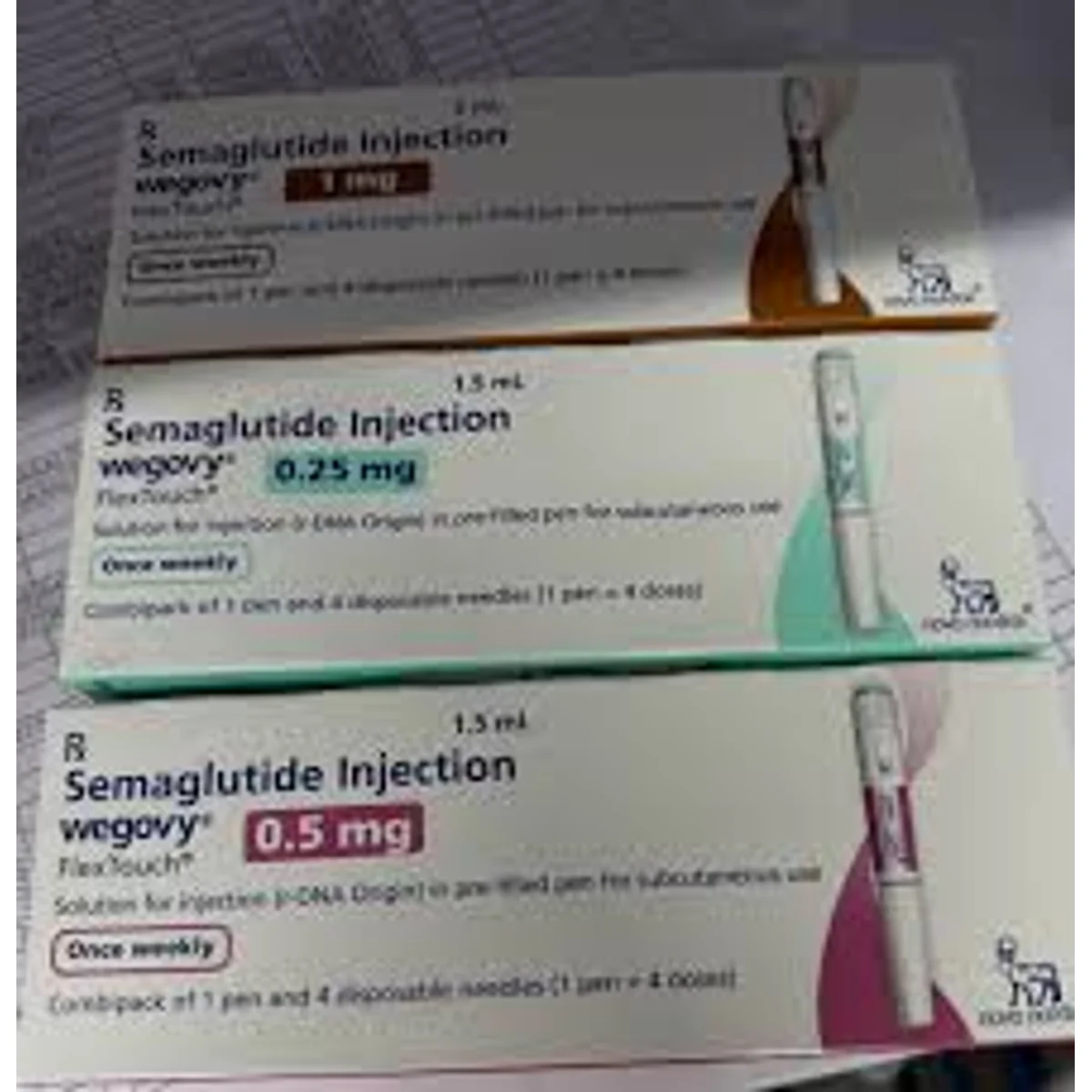
Peptides are short chains of amino acids (typically fewer than 50) linked by peptide bonds, ranging from endogenous molecules like the tripeptide GHK-Cu to synthetic analogs engineered for receptor selectivity or extended half-life. The evidence behind specific peptides varies dramatically: semaglutide is FDA-approved and supported by Phase III trials with sample sizes in the thousands, while compounds like BPC-157 remain research chemicals with little or no human trial data. Evaluating any peptide claim requires matching it to a standard evidence hierarchy, where in vitro and rodent findings sit far below replicated randomized controlled trials.