
CATEGORY-OVERVIEW
Longevity and Anti-Aging Peptides: The 2026 Research Landscape — A Complete Category Overview
From Phase III RCTs to preclinical curiosities: what the evidence actually shows
Last updated: June 1, 2026
Quick Answer
If you're evaluating longevity peptides by evidence quality rather than marketing copy, SS-31 (Elamipretide) is the most evidentially grounded research-chemical-status compound in this category. It's completed registered Phase II and Phase III human trials, has a well-characterized mitochondrial mechanism, and has a documented safety profile - though its Phase III primary endpoint failure means the clinical translation question is still genuinely open.
Longevity peptide content has a fundamental honesty problem. Vendor pages, biohacker forums, and even nominally neutral review sites routinely describe rodent lifespan studies and Phase III clinical trial failures in identical language - 'research suggests benefits' - as if those two categories of evidence carry equivalent weight. They don't. A mouse that lives 15% longer after Epithalon injections in a 1990s Soviet lab study is not the same thing as a 100-person human RCT with pre-registered endpoints. Treating them as equivalent misleads researchers and degrades the credibility of the entire space.
This guide applies a transparent four-tier evidence hierarchy to every major compound in the longevity peptide category as of 2026. Tier 1 covers prescription pharmaceuticals with Phase III RCT data. Tier 2 covers research chemicals with meaningful, if preliminary, human trial evidence. Tier 3 covers compounds with animal or institutional data but limited human evidence. Tier 4 covers early-stage and largely preclinical compounds where the mechanism might be biologically interesting, but the human evidence is thin to nonexistent. Every compound gets placed into its tier, and the reasoning is made explicit.
The goal is calibration, not dismissal. Some Tier 4 compounds may eventually produce compelling human data. Some Tier 1 compounds have side-effect profiles that make them unsuitable for certain research contexts. Evidence tier is one input, not the only input - but it's the input most consistently obscured by commercial incentives in this space, which is exactly why this guide leads with it. None of the content here constitutes medical advice. All peptides discussed outside the GLP-1 and prescription GHRH analog section are research chemicals not approved for human therapeutic use by the FDA, MHRA, TGA, or EMA.
Featured Peptides
Spermidine is the most accessible and practically defensible research entry point in the longevity peptide category - it has a completed human RCT, a well-characterized autophagy mechanism, endogenous compound status, and a cost structure that doesn't require premium research budgets. The human trial effect sizes are modest and the evidence is preliminary, but 'modest effects in a real human RCT' beats 'compelling effects in rodents' by a substantial margin in this landscape. COA verification for actual spermidine concentration is essential given the variability in wheat germ extract preparations.
Spermidine occupies a unique position as one of the few longevity-focused research compounds with both a completed human RCT and an accessible price point, making it a practical reference standard for evidence-conscious researchers.
GHK-Cu has the longest published research history of any compound in this guide and a genuinely robust topical evidence base for skin and wound-healing applications. The systemic injectable rationale rests almost entirely on animal and computational data, and the '4,000 genes' claim is a computational analysis result that's regularly misrepresented as direct experimental evidence. Topical applications are the defensible research context; injectable systemic use is a meaningful inferential leap from the available evidence.
GHK-Cu represents the tissue repair and dermatological research segment of the longevity peptide category, with the strongest topical human evidence base of any compound in that mechanistic cluster.
SS-31 is the most evidentially grounded research-chemical-status compound in this entire category - it has more registered human trial data than any other non-prescription compound covered here, a mechanistically well-characterized cardiolipin-targeting mechanism, and a documented safety profile. The Phase III primary endpoint failure on the MMPOWER-3 trial is a real and important limitation that vendor materials rarely acknowledge, and the premium cost creates a high bar for research justification. But for researchers who want a compound where the science has genuinely been tested in humans rather than extrapolated from rodents, SS-31 is the clearest choice in this category.
SS-31 represents the ceiling of human trial evidence quality in the research-chemical longevity space and serves as the benchmark against which other compounds in this category should be compared.
Injectable NAD+ has an unambiguously important biological mechanism and sits in Tier 2 primarily because the broader NAD+ pathway has substantial human trial backing via oral precursor research. The injectable-specific human evidence is thin, the endotoxin contamination risk is a genuine and underacknowledged safety concern, and the cost premium over oral NMN or NR isn't currently supported by comparative human trial data. Researchers considering injectable NAD+ should be able to articulate a specific rationale for the injectable format over optimized oral precursor protocols.
NAD+ is the central coenzyme in the most studied molecular aging pathway, making it a necessary reference point for any comprehensive longevity peptide landscape guide.
MOTS-c has genuinely novel biology - a mitochondria-encoded peptide with systemic AMPK-mediated metabolic effects is a mechanistically interesting finding that distinguishes it from most compounds in this category. The human interventional evidence is currently too preliminary to justify its premium pricing, and the short half-life creates practical research design challenges. For researchers with specific interest in mitochondrial signaling biology, it's worth monitoring as the first human interventional trial data emerges.
MOTS-c represents the mitochondrial peptide frontier in longevity research - a compound with strong mechanistic novelty and animal data that's approaching but hasn't yet reached meaningful human trial evidence.
Thymalin has the longest human observational record of any peptide bioregulator in the Khavinson class, which is a meaningful distinction from purely preclinical compounds. The core limitation isn't the data volume but its methodological and geographic concentration - nearly all long-term human data comes from a single institutional research program without independent replication. Until that replication occurs, confidence in the human evidence base should be calibrated accordingly. The extract-based composition adds a purity verification challenge that single-sequence synthetic peptides don't present.
Thymalin is the most studied representative of the thymic peptide bioregulator class and illustrates the specific evidence-quality problem of geographically and institutionally concentrated research datasets.
Epithalon's telomerase-activation mechanism is theoretically interesting and aligns with established cellular aging biology, but the evidence base has structural problems that prevent confident conclusions - single-group origin, limited independent replication, and unresolved theoretical oncological concerns from long-term exogenous telomerase activation. The compound sits at the lower boundary of Tier 3 and should be approached with proportionally cautious expectations. Researchers shouldn't interpret the absence of documented human harm as evidence of long-term safety.
Epithalon is the most-discussed telomere biology compound in the longevity research chemical space and illustrates the risks of drawing strong conclusions from a geographically concentrated evidence base.
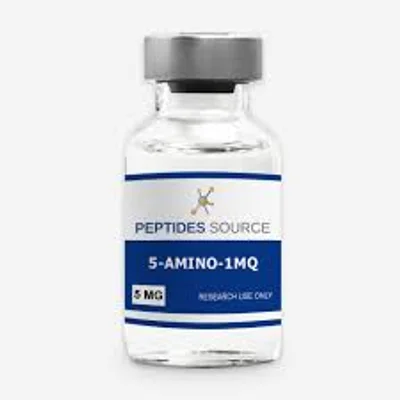
5-amino-1MQ has a credible animal evidence anchor (Nature Communications, 2019) and a well-characterized NNMT inhibition mechanism that gives it a legitimate research rationale. That rationale hasn't been tested in any published controlled human trial, the long-term safety profile of systemic NNMT inhibition in humans is entirely uncharacterized, and the compound is technically not a peptide - which creates vendor categorization and COA methodology inconsistencies. The score of 42/100 reflects the largest evidence gap of any featured compound in this guide.
5-amino-1MQ represents the NNMT inhibitor mechanism and illustrates the difference between a biologically plausible animal-model finding and a compound with any human evidence base.
Editorial Disclaimer and Regulatory Framing
Peptide Guides is a research-aggregation platform. This guide summarizes published scientific literature, registered clinical trial data, and documented user-report patterns. It does not constitute medical advice and does not recommend any compound for human consumption.
The majority of compounds discussed here are sold as research chemicals. They are not approved by the FDA, MHRA, TGA, or EMA for human therapeutic use. Legal status varies significantly by jurisdiction - the Legal Status section covers this by region and compound.
Two categories of compounds occupy a different regulatory position: GLP-1 receptor agonists (semaglutide, tirzepatide, retatrutide) and prescription GHRH analogs (tesamorelin) are approved pharmaceuticals available through licensed prescribers for relevant indications. They're included here for completeness and evidence-context purposes. Access to these should be via licensed medical providers, not research-chemical vendors.
For everything else: dosing ranges mentioned in this guide are drawn from published research protocols, not recommendations for human use.
---
How to Read This Guide: The Evidence-Tier Framework
Every compound gets assigned to one of four evidence tiers based on the highest quality human evidence available at time of publication.
Tier 1 - Prescription Pharmaceuticals with Phase III RCT Data: Compounds with completed, pre-registered randomized controlled trials in humans, regulatory approval in at least one jurisdiction for at least one indication, and a published pharmacovigilance record. Strongest evidence base by conventional scientific standards.
Tier 2 - Research Chemicals with Meaningful Human Trial Data: Compounds with at least one completed human clinical trial (any phase), published in peer-reviewed literature, with documented primary endpoints and safety reporting. Evidence quality within this tier varies substantially - a 30-person Phase I safety study isn't equivalent to a 500-person Phase III efficacy trial, and we note that distinction.
Tier 3 - Research Chemicals with Animal or Institutional Trial Data: Compounds with reproducible animal model data and/or human observational or institutional studies, but without completed, independently replicated, pre-registered human RCTs. Biological plausibility is generally established; clinical translation is not confirmed.
Tier 4 - Early-Stage and Preclinical Compounds: Compounds where the primary evidence base consists of in vitro studies, single animal model studies, or anecdotal human self-reports. The mechanistic rationale might be interesting; the evidentiary basis for human research application is thin.
One important nuance: negative trial results belong in this hierarchy too. SS-31 sits in Tier 2 not despite its Phase III trial failure but partly because of it - the trial existed, was properly conducted, and produced meaningful data about the gap between preclinical signals and human outcomes. That's more scientifically valuable than a compound that's never been formally tested.
---
Tier 1 - Prescription Pharmaceuticals with Phase III RCT Data
GLP-1 and GIP/GLP-1 Agonists: Tirzepatide, Semaglutide, Retatrutide
Semaglutide (Ozempic, Wegovy) and tirzepatide (Mounjaro, Zepbound) are the most evidence-dense compounds adjacent to the longevity peptide space. Both have completed multiple Phase III RCTs with pre-registered primary endpoints, FDA approval for type 2 diabetes and/or obesity, and extensive post-market pharmacovigilance records covering hundreds of thousands of patient-years.
The longevity-relevance argument for these compounds is metabolic: obesity, insulin resistance, and chronic hyperglycemia are mechanistically linked to accelerated aging phenotypes. Whether GLP-1/GIP agonism produces longevity benefits independent of its metabolic primary effects is an active research question, not an established finding.
Critical regulatory distinction: These compounds are only legally obtainable through licensed medical prescribers. Telehealth platforms (Ro, Hims, Mochi, and similar) provide legal access pathways. Sourcing semaglutide or tirzepatide from research-chemical vendors isn't a legal gray area - it's unambiguously outside the regulatory framework these compounds operate in. Compounded semaglutide has additional FDA-specific considerations as of 2025-2026 that prospective patients should verify with a licensed provider.
Retatrutide (GIP/GLP-1/glucagon triple agonist) was in Phase III trials as of this writing. It's not yet approved in any jurisdiction. Its evidence profile is strong enough that Tier 1 placement is likely once trial results are published, but it doesn't hold that status currently.
Tesamorelin (Egrifta)
Tesamorelin is a GHRH analog with FDA approval for HIV-associated lipodystrophy. It has Phase III trial data, a documented safety record, and a well-characterized mechanism. Outside its approved indication, it's sometimes used in research contexts for GH axis modulation and body composition research - but as a prescription compound, legal access requires a licensed prescriber.
---
Tier 2 - Research Chemicals with Meaningful Human Trial Data
This tier contains the most complex compounds to evaluate. 'Human trial data' spans an enormous range, from single-arm Phase I safety signals to adequately powered Phase II efficacy studies. Each compound gets treated separately.
SS-31 (Elamipretide) - Score: 72/100 - Premium
SS-31 is a synthetic tetrapeptide (D-Arg-2'6'-Dmt-Lys-Phe-NH2) that targets cardiolipin on the inner mitochondrial membrane. Its mechanism is among the best-characterized of any compound in this category: cardiolipin stabilization preserves the cristae architecture necessary for efficient electron transport chain function, and SS-31's binding affinity for cardiolipin is well-documented in structural studies.
The human evidence record is extensive by research-chemical standards. SS-31 has completed registered Phase II trials in heart failure with preserved ejection fraction (HFpEF), Barth syndrome, and mitochondrial myopathy. The MMPOWER-3 Phase III trial in Barth syndrome - the largest and most rigorous test of SS-31 in humans - failed its primary endpoint (distance on the six-minute walk test). That's a significant finding that deserves honest treatment rather than dismissal.
The Phase III failure doesn't necessarily invalidate the mechanistic rationale. HFpEF and skeletal muscle adaptation may have different translational barriers. But it does mean that the gap between compelling preclinical biology and confirmed human clinical efficacy - a gap that haunts this entire category - applies to SS-31 just as much as to any other compound.
What the evidence supports: Favorable safety profile. Documented mitochondrial targeting in humans. Phase II signals across cardiac and muscular tissue. What it doesn't support: Confirmed efficacy on clinically meaningful endpoints in any indication. Broad anti-aging benefits extrapolated from mitochondrial biology remain speculative in humans.
Sourcing note: SS-31 contains the non-standard amino acid 2',6'-dimethyltyrosine (Dmt). Sequence verification via HPLC and mass spectrometry is essential; this isn't a commodity peptide, and lower-tier vendors have meaningful failure modes here.
Thymosin Alpha-1 (TA1) - Tier 2
Thymosin Alpha-1 is a 28-amino-acid peptide derived from thymosin fraction 5 with regulatory approval in several countries (including Italy and various Asian jurisdictions) for immunological indications. It's been studied in human trials for hepatitis B, hepatitis C, and various immune-deficiency contexts, with a published record spanning several decades.
In longevity-relevant contexts, the mechanistic argument centers on thymic function and immune aging. Age-associated thymic involution reduces naive T-cell output, and TA1 is proposed to partially restore thymic signaling. Human trial data in immune-compromised populations is the strongest evidence available; extrapolating that to healthy aging is a meaningful inferential step that the published evidence doesn't yet directly support.
MK-677 (Ibutamoren) - Tier 2 (Borderline)
MK-677 is a non-peptide ghrelin receptor agonist that functions as a growth hormone secretagogue. It's orally bioavailable, which distinguishes it from injectable GH secretagogues. Multiple human trials have been published examining its effects on GH pulsatility, IGF-1 levels, body composition, and bone density in elderly populations.
The evidence for GH and IGF-1 elevation in humans is robust - that's a pharmacologically confirmed effect. Whether GH and IGF-1 elevation in aging humans translates to meaningful longevity-relevant outcomes is a different question, and a more contested one. IGF-1 signaling has complex, bidirectional relationships with aging and cancer risk that aren't resolved by secretagogue trials. MK-677 is technically a small molecule rather than a peptide, though it's categorized in this space by convention.
CJC-1295 - Tier 2 (Borderline)
CJC-1295 is a GHRH analog with a drug affinity complex (DAC) modification that significantly extends its half-life. Phase I/II human data exists documenting its effects on GH pulsatility and IGF-1 levels. The evidence base is thinner than MK-677 and more concentrated in pharmacokinetic characterization than clinical outcomes. It's often co-administered with ipamorelin in research protocols, which creates attribution problems for observed effects.
Spermidine - Score: 72/100 - Mid-Range
Spermidine occupies a genuinely unusual position in this landscape. It's an endogenous polyamine, present in all mammalian cells and in dietary sources (wheat germ, aged cheese, fermented products). Its mechanism - inhibition of the acetyltransferase EP300 leading to autophagy induction - is well-characterized in cellular and animal research, and it has more human RCT data than most compounds in the longevity research chemical space.
The largest published RCT (Wirth et al., 2018, and follow-on work, approximately 100 participants over 12 months) examined spermidine-rich wheat germ extract supplementation and found modest signals in cognitive measures in at-risk older adults. The Nerasmus memory-focused trial published more recent data in a similar population. Effect sizes were modest and the research is ongoing.
Honest assessment: spermidine is one of the more evidentially grounded compounds in this category. The biology is plausible, the animal data is robust, at least one human RCT exists with a pre-registered endpoint, and the reported safety profile is favorable at dietary-range doses. The limitations are equally honest: the human trial evidence is sparse, the primary outcomes studied have been cognitive rather than longevity per se, and quality control across commercial spermidine preparations is inconsistent.
Sourcing note: Spermidine content in wheat germ extract products varies substantially. Quantitative HPLC confirmation of spermidine concentration is the minimum acceptable COA standard for research use. Many supplement-grade products don't provide this.
Spermidine - Pros and Cons
Strengths: Endogenous compound with a well-characterized mechanism. The most accessible, lowest-cost entry point for autophagy-focused longevity research. Dietary-range safety data is solid. At least one completed human RCT exists.
Limitations: The largest human RCT had 100 participants with modest effect sizes. Concentrated research-grade preparations haven't been adequately tested in humans. Product quality is inconsistent and COA verification is necessary.
NAD+ (Injectable) - Score: 68/100 - Premium
NAD+ (nicotinamide adenine dinucleotide) is the coenzyme at the center of cellular energy metabolism and one of the most studied molecules in aging biology. The mechanism is unambiguous: NAD+ is required for sirtuin function, PARP activity, and mitochondrial electron transport, and NAD+ levels decline with age in most tissues.
The human evidence complication is specific to the injectable format: most published human trial data involves oral NAD+ precursors (NMN, NR), not direct NAD+ infusion or injection. The precursor research - including published NMN trials from Keio University and Washington University - provides reasonable evidence that the pathway is manipulable in humans and produces metabolic signals. Whether injectable NAD+ specifically produces superior outcomes to optimized oral precursor protocols is not established by controlled human data.
The safety concern that deserves explicit attention: injectable NAD+ preparations carry endotoxin contamination risk. Pyrogen testing (LAL or rabbit pyrogen test) isn't consistently performed or reported by research vendors, yet it's essential for any compound intended for injection research. This is a quality-assurance gap that meaningfully affects risk assessment. Separately, preclinical data has raised pro-tumorigenic signals at supraphysiological NAD+ concentrations - not established in humans, but a rationale for dose caution that vendor materials don't consistently acknowledge.
Practical consideration for researchers: The oral NMN and NR evidence base is stronger from a human-trial standpoint and substantially cheaper. The specific rationale for injectable NAD+ over oral precursors in a given research context should be explicit, not assumed.
Cerebrolysin - Tier 2
Cerebrolysin is a porcine brain-derived peptide mixture with published human RCT data primarily in Alzheimer's disease and stroke recovery. The evidence base genuinely exists, but it has methodological limitations: many trials were conducted in Eastern European institutions with variable blinding and outcome reporting standards. A 2020 Cochrane review of Cerebrolysin in Alzheimer's found modest signals that didn't meet the bar for clinical recommendation. The compound is prescription-accessible in several European and Asian countries.
Larazotide Acetate - Tier 2 (Narrow)
Larazotide acetate is an octapeptide tight-junction regulator studied in human trials for celiac disease and intestinal permeability. Phase II trial data exists. Its presence in longevity contexts relates to the gut permeability and systemic inflammation axis. The evidence for its specific longevity applications is more indirect than its GI disease data would suggest.
---
Tier 3 - Research Chemicals with Animal or Institutional Trial Data
GHK-Cu (Copper Peptide) - Score: 72/100 - Mid-Range
GHK-Cu (glycine-histidine-lysine copper complex) is an endogenous tripeptide first identified in human plasma in 1973 by Loren Pickart. It has one of the longest research histories of any compound in this category and an unusually broad mechanistic profile.
The topical evidence base is the strongest available. Multiple small human RCTs (typically 20-40 participants) examining topical GHK-Cu in dermatological contexts have reported skin-remodeling signals - increased collagen production, improved skin laxity, wound healing acceleration. These studies have methodological limitations, but they constitute genuine human evidence for the topical application.
The injectable/systemic rationale draws heavily on animal data and in vitro studies. The frequently circulated claim that GHK-Cu 'influences expression of 4,000 genes' originates from a computational connectivity map analysis (Pickart and Margolina, 2018) - meaning a database-query methodology predicted those gene interaction patterns, not that direct human or animal experiments confirmed them one by one. That distinction matters enormously and is rarely communicated accurately by vendors.
What the evidence supports: Topical wound-healing and skin-remodeling signals in small human trials. Plausible antioxidant and anti-inflammatory signaling in animal and in vitro research. What it doesn't support: Confirmed systemic anti-aging effects in humans. The '4,000 genes' claim as a clinical efficacy statement.
Sourcing note: Copper chelation verification is rarely included in vendor COAs for GHK-Cu. A COA confirming the copper-chelated form (not free peptide plus copper separately) is the appropriate quality standard - and it's frequently missing from research vendor documentation.
GHK-Cu - Pros and Cons
Strengths: Decades of published research. Topical human data is comparatively robust for this evidence tier. Endogenous molecule with a plausible biological basis. Favorable safety record at studied doses.
Limitations: Injectable human evidence is essentially nonexistent in peer-reviewed literature. The most frequently cited mechanistic claim (gene expression scope) originates from computational analysis, not direct experimental evidence. COA quality for injectable preparations is inconsistent.
Ipamorelin - Tier 3
Ipamorelin is a selective GHRP (growth hormone releasing peptide) with a notably clean side-effect profile in animal research - specifically, it produces GH release with minimal cortisol, prolactin, or ACTH stimulation compared to earlier-generation GHRPs like GHRP-2 or hexarelin. Human pharmacokinetic data exists from an Allergan-sponsored trial, but robust clinical efficacy data in human populations is absent. It's often combined with CJC-1295 in research protocols.
Sermorelin - Tier 3
Sermorelin is a truncated GHRH analog (29 amino acids, the minimum active fragment) with a shorter half-life than CJC-1295. It was previously FDA-approved as a diagnostic agent for GH deficiency testing and as a pediatric GH deficiency treatment (Geref), though both indications were discontinued commercially. Human pharmacokinetic and GH-stimulating data exists from its pharmaceutical history. It's now primarily available through compounding pharmacies in some jurisdictions.
Semax - Tier 3
Semax (ACTH(4-7)PGP) is a synthetic analogue of ACTH fragments developed in Russia, approved in Russia and Ukraine for neurological indications including ischemic stroke. Human institutional trial data exists but is heavily concentrated in Russian medical literature with limited independent replication. The BDNF-upregulating mechanism is studied in animal models.
Selank - Tier 3
Selank is a synthetic anxiolytic peptide based on tuftsin, also developed and approved in Russia for anxiety disorders. Similar evidence-geography limitations apply: approval and institutional data exist but are concentrated in a single research system.
Thymalin - Score: 62/100 - Mid-Range
Thymalin is a thymus-derived peptide bioregulator from the Khavinson research program. The human dataset is, by the standards of this tier, unusually extensive - observational and institutional studies have followed subjects over multiple years, with reported outcomes including immune marker changes, morbidity differences, and in some analyses, mortality signals.
The fundamental evidentiary limitation is geographic and methodological concentration. The body of long-term human data on thymalin is almost entirely produced by one institutional group in St. Petersburg, using methodologies that don't consistently meet contemporary RCT standards (blinding, pre-registration, placebo controls, independent endpoint adjudication). That doesn't make the data fraudulent, but it does mean independent replication is essential before drawing strong conclusions.
The extract-based composition is a secondary concern: thymalin isn't a single defined sequence but a peptide fraction, which creates batch-to-batch consistency challenges that synthetic single-sequence peptides don't have. Purity verification is harder to interpret when the active fraction isn't fully characterized.
Strengths: Longest human observational dataset in the bioregulator class. Favorable reported side-effect profile. Low per-cycle cost relative to most compounds in this guide. Mechanistically plausible immune-aging rationale.
Limitations: Evidence concentration in a single institutional research program. Extract-based composition complicates purity verification. Molecular mechanism isn't fully characterized by contemporary standards.
MOTS-c - Score: 62/100 - Premium
MOTS-c is a 16-amino-acid peptide encoded by the mitochondrial genome, discovered in 2015. Its mechanistic novelty - a mitochondria-encoded signaling peptide with systemic metabolic effects - attracted significant academic interest. Research suggests MOTS-c activates AMPK, influences insulin sensitivity, and may play a role in metabolic homeostasis during aging and exercise stress.
Animal data is the primary evidence base: mouse studies have reported metabolic improvements in obese and aged animals. A study examining MOTS-c levels in centenarians and long-lived populations (Bhatti et al., 2021) found associations between MOTS-c variants and longevity phenotypes, adding a human correlational data point - though observational association is a different category of evidence from interventional trial data.
Human interventional trials are preliminary. The compound is expensive to synthesize, has a short estimated half-life, and requires refrigerated reconstitution. The premium pricing reflects synthesis cost rather than evidence quality.
Strengths: Genuinely novel mechanistic rationale from endogenous mitochondrial biology. Consistent metabolic signals across multiple animal studies. Human population-level association data provides some context.
Limitations: No replicated, adequately powered human RCTs. Premium cost relative to thin human interventional evidence. Half-life limitations create practical research design constraints.
Epithalon - Score: 58/100 - Mid-Range
Epithalon (also Epitalon) is a tetrapeptide (Ala-Glu-Asp-Gly) developed from the Khavinson research program as a synthetic analog of epithalamin, a natural extract of the pineal gland. The proposed mechanism - telomerase activation and telomere elongation - aligns with established cellular aging theory and generated considerable interest when first published.
The evidence base has two significant structural problems. First, it's heavily concentrated in a single Russian research group with limited independent replication outside that institutional context. Second, the telomerase activation data is primarily from in vitro and animal experiments, with human data largely confined to observational studies from the same program that originated the compound.
The theoretical oncological concern deserves acknowledgment: exogenous telomerase activation in somatic cells has plausible mechanistic overlap with replicative immortality in cancer cells. This concern hasn't been adequately studied in long-term human trials, and the claim that it can be safely dismissed isn't supported by adequate data.
Strengths: Tetrapeptide with a clearly characterized chemical identity. Low molecular weight makes synthesis straightforward and purity verification more tractable than for longer peptides. Some human observational data exists.
Limitations: Single-group evidence concentration is a serious reproducibility concern. Telomerase-activation mechanism has theoretical long-term safety questions that aren't resolved by available data. No large, independent, placebo-controlled RCTs in the published literature.
Additional Tier 3 Compounds
GHRP-2 and Hexarelin: Older-generation growth hormone releasing peptides with pharmacological data but unfavorable side-effect profiles (cortisol and prolactin elevation) compared to ipamorelin. Research interest has largely shifted toward cleaner secretagogues.
PT-141 (Bremelanotide): A melanocortin receptor agonist with FDA approval for hypoactive sexual desire disorder in premenopausal women (Vyleesi) - meaning it has Phase III data for that specific indication. In longevity research contexts, the rationale is more tenuous. Its FDA approval makes it a prescription compound, not a research chemical.
AOD-9604: A fragment of the growth hormone C-terminus studied for lipolytic properties. Phase II human data exists from clinical trials conducted by Metabolic Pharmaceuticals in Australia (early 2000s). The trials didn't produce efficacy signals sufficient for regulatory approval.
---
Tier 4 - Early-Stage and Preclinical Compounds
5-Amino-1MQ - Score: 42/100 - Mid-Range
5-amino-1-methylquinolinium is technically a small-molecule quinolinium compound, not a peptide - though it's regularly marketed and discussed in peptide research contexts. It's a selective inhibitor of nicotinamide N-methyltransferase (NNMT), an enzyme involved in NAD+ metabolism and adipose tissue biology.
The primary published evidence anchor is a 2019 Nature Communications study demonstrating that NNMT inhibition via 5-amino-1MQ reduced fat cell size and prevented diet-induced obesity in mice. That's credible peer-reviewed animal data - a meaningful distinction from purely anecdotal compounds at the lower end of Tier 4.
The human evidence situation is straightforward: there are no published controlled human clinical trials. All human-context data is anecdotal self-reporting from biohacker communities. The long-term safety implications of systemic NNMT inhibition in humans are unknown - NNMT is expressed in multiple tissue types beyond adipose, and the downstream consequences of chronic systemic inhibition haven't been characterized.
Strengths: Published peer-reviewed animal data from a credible journal (Nature Communications). Oral bioavailability. Well-characterized enzymatic mechanism. NAD+ pathway interactions provide longevity-research context.
Limitations: No published controlled human trials - none. Long-term safety profile is entirely uncharacterized in humans. Frequent miscategorization as a peptide creates vendor labeling and COA methodology inconsistencies.
Critically: 5-amino-1MQ is the lowest-scoring featured compound in this guide for a reason. The score of 42/100 reflects a compound where the human evidence gap is so large that the animal mechanism, however interesting, doesn't support confident extrapolation to human research use.
BPC-157 - Tier 4
BPC-157 (Body Protection Compound-157) is one of the most widely self-reported compounds in the biohacker community. The animal data - primarily from Dr. Predrag Sikiric's group at Zagreb - suggests significant tissue repair, anti-inflammatory, and gastroprotective effects across multiple rodent models. The volume of animal research is substantial.
The human trial situation: no published, peer-reviewed, placebo-controlled human trials exist in the public literature as of this writing. A Phase II trial was registered but the results haven't been published in verifiable peer-reviewed form. That makes BPC-157 one of the most-discussed and least-formally-tested compounds in this entire category - a mismatch that vendor marketing rarely acknowledges.
TB-500 (Thymosin Beta-4 Fragment) - Tier 4
TB-500 is a synthetic fragment corresponding to the 17-23 amino acid region of thymosin beta-4. The tissue repair and actin-modulating mechanisms from animal research are mechanistically plausible. Human trial evidence is essentially absent in the peer-reviewed literature. It's often co-administered with BPC-157 in research protocols, creating the same attribution problems as other common peptide stacks.
Pentadeca Arginate (PDA) - Tier 4
Pentadeca Arginate is a more recently marketed compound with very limited published research as of this writing. It appears to be a structural variant or proprietary modification of BPC-157 sequence elements. Published human or animal data independent of vendor materials is minimal. Researchers should apply substantial caution to compounds where the primary evidence base is commercial rather than academic.
Additional Tier 4 Compounds
IGF-1 LR3: A long-acting synthetic variant of insulin-like growth factor-1. Mechanistically important in growth and anabolism. Complex risk profile given IGF-1's role in cancer biology. Essentially no human clinical trial evidence for the research-chemical context in which it's sold.
Dihexa: A potent HGF/MET agonist studied in rodent models for cognitive effects. Animal data is compelling; human evidence is nonexistent. Synthesis complexity raises purity concerns.
Follistatin 344: A myostatin inhibitor with animal data in muscle hypertrophy models. Human data is absent. Synthesis difficulty creates significant quality-assurance concerns.
Melanotan II: A melanocortin agonist with tanning and sexual function effects documented in animal and some human data. Multiple serious adverse events are documented in self-report literature. Regulatory enforcement actions have been taken against it in multiple jurisdictions.
DSIP (Delta Sleep-Inducing Peptide): Studied in the 1970s-1980s for sleep architecture effects. Small human studies produced inconsistent results. Research interest has largely shifted to more mechanistically specific compounds.
KPV: A tripeptide fragment of alpha-MSH with anti-inflammatory signals in animal models. Human evidence is absent. Some interest exists for gut inflammation research contexts.
---
Mechanistic Cluster: GH Axis Modulation
The GH axis is the most crowded mechanistic space in the longevity peptide category, with compounds operating at multiple nodes: GHRH receptor agonists (CJC-1295, sermorelin, tesamorelin), ghrelin receptor agonists (MK-677, ipamorelin, GHRP-2, hexarelin), and GH fragment analogs (AOD-9604).
The key research question - whether GH axis stimulation in aging adults produces meaningful longevity or healthspan benefits - remains unresolved. GH levels decline with age (somatopause), and the theoretical case for secretagogue research is that pulsatile GH stimulation more closely mimics physiological GH release than exogenous GH administration. Whether this translates to favorable outcomes on longevity-relevant endpoints hasn't been demonstrated in adequately powered trials.
For researchers choosing between secretagogues, the evidence-quality ranking runs roughly: MK-677 (most human data, oral availability, documented GH/IGF-1 effects), then CJC-1295 (Phase I/II data, extended half-life), then ipamorelin (clean side-effect profile in animal models, limited human data), then sermorelin (pharmaceutical history provides pharmacokinetic context), then GHRP-2/Hexarelin (less favorable side-effect profiles in animal research, less current research interest).
AOD-9604 deserves separate treatment: it's a GH fragment studied specifically for lipolytic effects with Phase II human data. It failed to achieve regulatory approval but the data exists, making it Tier 3 rather than Tier 4 despite its current research-chemical status.
---
Mechanistic Cluster: Metabolic and Body Composition Research
This cluster contains the widest evidence-quality spread of any mechanistic group. At the top: tirzepatide and semaglutide, with the most robust clinical datasets in medicine. At the bottom: 5-amino-1MQ and AOD-9604, with animal data and failed or absent clinical translation.
For researchers interested in the metabolic-aging intersection specifically, the honest picture is this: the GLP-1/GIP agonist class has demonstrated that metabolic improvement at scale is achievable pharmacologically. What remains uncertain is whether these compounds produce longevity benefits independent of weight and metabolic improvement, and whether the risk-benefit profile justifies broader application beyond current indications. Those questions are being studied but aren't resolved.
For AOD-9604: the Phase II failure doesn't mean the lipolytic mechanism is invalid, but it does mean the human data available doesn't support efficacy claims - which vendor materials frequently don't acknowledge.
For 5-amino-1MQ: the NNMT inhibition mechanism is genuinely interesting from a NAD+ biology standpoint, but 'interesting mechanism in animals' is the starting point for research, not the conclusion.
---
Mechanistic Cluster: Mitochondrial and Cellular Aging
This cluster contains some of the most scientifically compelling mechanisms in the longevity space, alongside some of the largest gaps between animal and human evidence.
NAD+ and its precursors have the most extensive human trial record, primarily through oral NMN and NR studies. Injectable NAD+ specifically has minimal human-specific data, though the pathway is validated. The honest researcher priority: review the oral NMN and NR human trial literature before assuming injectable NAD+ provides superior outcomes at substantially higher cost and risk.
SS-31 has the most formal clinical trial infrastructure of any compound in this cluster, but the Phase III primary endpoint failure is a material data point. The mitochondrial biology is credible; clinical translation is not confirmed.
MOTS-c is the most mechanistically novel compound in this cluster - a mitochondria-encoded peptide with systemic metabolic signaling is a genuinely new biological category. The research is early but not trivial. Human interventional data is the gap.
Spermidine is the most practically accessible entry point in this cluster with the most human trial data, even if that data is modest. For autophagy-focused longevity research, spermidine's combination of characterizable mechanism, dietary safety record, completed human RCT, and accessibility makes it the most defensible starting point in this mechanistic cluster.
---
Mechanistic Cluster: Immunomodulation and Thymic Biology
Thymic involution with age - the progressive reduction in naive T-cell output and functional immune repertoire - is one of the more reproducible aging phenotypes and a legitimate longevity research target. The three compounds in this cluster approach thymic biology from different angles.
Thymosin Alpha-1 has the strongest evidence base: regulatory approval in multiple jurisdictions for immune indications, multiple completed human trials, and an established safety record in immune-compromised populations. The extrapolation from immune disease treatment to healthy-aging immune support is inferential but mechanistically grounded.
Thymalin has the longest observational human dataset in the bioregulator class but the methodological concentration problem. For researchers interested in thymic peptide bioregulators, the institutional dataset is worth reviewing with appropriate skepticism about reproducibility.
Epithalon has the most speculative position in this cluster. The telomerase-activation mechanism is theoretically interesting but the evidence base is thin, geographically concentrated, and carries unresolved theoretical safety concerns. Researchers should weight the evidence hierarchy accordingly.
---
Mechanistic Cluster: Tissue Repair and Regeneration
This cluster has perhaps the largest discrepancy between self-report prevalence and formal evidence quality. BPC-157 and TB-500 are among the most widely self-administered research peptides, with extensive anecdotal reports of musculoskeletal injury recovery. The animal data is substantial. The human trial data is essentially absent.
GHK-Cu has the strongest formal evidence in this cluster, specifically for topical applications. The dermatological human RCT record, while modest in sample sizes, represents genuine controlled evidence. For skin and wound-healing research, GHK-Cu is the most defensible compound in this group.
Pentadeca Arginate is the most evidentially thin compound in this cluster. Researchers should note that novel naming and marketing language around a compound doesn't constitute a new evidence base.
---
Mechanistic Cluster: Neuroprotection and Cognitive Aging
Cerebrolysin has the most formal human trial data in this cluster, including published RCTs in Alzheimer's disease. The evidence quality concerns (geographic concentration, methodological variability) are real but the data exists. For neuroprotection research, it's the most evidence-supported compound in this group.
Semax and Selank have institutional research records from Russian medical practice, including approval for neurological indications. Independent replication is limited.
Dihexa is among the most potent HGF/MET agonists identified in animal models by molar activity measures. The human evidence gap is total. The potency data from animal research is a reason for additional caution, not a selling point.
DSIP has the oldest research record in this cluster and the most equivocal findings. Inconsistent results across human sleep studies conducted in the 1970s-1980s haven't been revisited with contemporary methodology.
---
Legal Status by Region
United States
Prescription compounds (semaglutide, tirzepatide, tesamorelin, bremelanotide) require a licensed prescriber. Compounded versions have specific FDA status that changed in 2024-2025; verify current status with a licensed pharmacist or physician.
Research chemicals (all other compounds discussed): generally legal to purchase for research purposes but not legal to sell for human consumption. The FDA has enforcement discretion and has taken action against specific vendors. The legal gray area is real but not unlimited.
Note: Several compounds including TB-500, BPC-157, and ipamorelin have appeared on FDA import alert lists. The legal-to-purchase-for-research framing doesn't confer immunity from regulatory action.
United Kingdom
The UK operates under the Human Medicines Regulations 2012. Research chemicals that affect physiological function fall into a more constrained regulatory environment than the US. Many peptides that are legal to purchase in the US for research occupy a more uncertain status in the UK. The MHRA has taken enforcement actions against peptide vendors. Independent legal advice is appropriate for UK-based researchers.
European Union
EU member states have varying national-level regulations on top of the EMA framework. Germany, France, and other major markets have specific restrictions on research chemical sales. Some bioregulator peptides are available by prescription in certain EU countries (Cerebrolysin, Thymosin Alpha-1 in Italy). Researchers should consult country-specific regulations.
Australia
The TGA Schedule 4 classification applies to many peptides sold as research chemicals in other jurisdictions. Australia has an active enforcement posture toward unauthorized peptide imports. ASADA-listed status is relevant for competitive athletes. Several compounds including CJC-1295, ipamorelin, and GHRP-2 are TGA Schedule 4 or higher.
---
Sourcing and Quality Assurance: What a Credible COA Looks Like
Certificates of Analysis are the minimum quality documentation standard for research-grade peptides.
For synthetic single-sequence peptides (SS-31, MOTS-c, GHK-Cu, Epithalon, Thymalin):
- HPLC purity trace confirming greater than 98% purity at minimum, with the actual chromatogram (not just the number)
- Mass spectrometry confirmation of the correct molecular weight and sequence
- Water content via Karl Fischer titration (affects accurate dosing)
- Residual solvent testing
- For injectables: endotoxin testing via LAL method with quantitative results
Compound-specific COA requirements:
- SS-31: Sequence verification specifically confirming presence of the 2',6'-Dmt non-standard amino acid, not a substituted tyrosine
- GHK-Cu: Copper chelation confirmation, not just peptide purity without copper
- Spermidine: Quantitative HPLC for spermidine content specifically, given variability in wheat germ extract preparations
- NAD+ injectable: LAL endotoxin result is non-negotiable; sterility testing is preferred
- MOTS-c: Given premium pricing, a third-party COA from an independent testing facility (not house QC) is the appropriate standard
Red flags by compound class:
- Any COA that provides a purity number without the underlying HPLC chromatogram
- COAs dated more than 12 months before the purchase date
- Vendors who can't identify the testing laboratory by name
- House-generated COAs without third-party verification for premium-priced compounds
- Extract-based products (Thymalin, Cerebrolysin from non-pharma sources) without fraction characterization
- Missing endotoxin data on any injectable preparation
The 5-amino-1MQ sourcing note deserves specific mention: because it's a small molecule frequently categorized with peptides, some vendors apply peptide-standard COAs that don't include the appropriate small-molecule analytical methods. Researchers should verify that the analytical method used is appropriate for a quinolinium compound, not just a standard peptide HPLC protocol.
---
Evidence Gaps and What to Watch in 2026
MOTS-c human trials: Multiple research groups are developing interventional protocols. First peer-reviewed human interventional data is anticipated within 2-3 years. The AMPK-pathway mechanism and centenarian population association data make this a compound worth monitoring.
Spermidine larger RCTs: Follow-on trials examining spermidine supplementation in cardiac and cognitive aging contexts are ongoing. Effect sizes from completed trials are modest enough that larger sample sizes are needed to clarify the human evidence picture.
NAD+ injectable vs. oral precursor comparative data: No head-to-head human trial comparing injectable NAD+ to optimized oral NMN/NR protocols has been published. That's a meaningful evidence gap given the cost and risk differential between the two approaches.
SS-31 post-Phase III: The mechanism isn't invalidated by one trial failure. Refined patient selection (identifying subpopulations with the highest mitochondrial dysfunction burden), alternative dosing protocols, and different primary endpoints may produce different results. The compound warrants continued academic investigation.
Independent replication of Khavinson-group compounds: Thymalin, Epithalon, and related bioregulators would benefit substantially from independent replication in Western academic research centers with contemporary trial methodology. Several research groups have expressed interest. Results, if they emerge, would substantially clarify the evidence picture for this entire compound class.
BPC-157 Phase II data: The registered Phase II trial, if it reports results, will be one of the more consequential data releases for the self-administration community given the compound's widespread use. The absence of published results despite registered trial activity is a source of real interpretive uncertainty.
Telomere biology and oncological monitoring: As telomerase-activating compounds like Epithalon attract more research interest, long-term cancer incidence monitoring becomes essential. That's not a reason to abandon the research direction - it's a reason for careful trial design with oncological safety endpoints.
---
How to Use This Landscape: Calibrating Research Priorities to Evidence Quality
The purpose of the evidence-tier framework isn't to discourage exploration of Tier 3 and Tier 4 compounds. It's to ensure that researchers - whether professional or citizen-science - apply expectations proportional to the evidence available.
For researchers building protocols around the strongest available evidence: Spermidine and SS-31 represent the most defensible entry points in the research-chemical space, each with genuine human trial data and well-characterized mechanisms, despite their different limitations. NAD+ precursors (NMN/NR) have a stronger human evidence base than injectable NAD+ specifically, and they're worth understanding before selecting the injectable format.
For researchers interested in compounds with strong mechanistic rationale but limited human evidence: MOTS-c and GHK-Cu topical represent the most biologically grounded options in Tier 3, with the understanding that animal-to-human translation is uncertain.
For researchers exploring early-stage compounds: honest acknowledgment that Tier 4 compounds are mechanistic hypotheses rather than validated interventions is the appropriate frame. The self-report community generates useful signal-detection data, but uncontrolled self-report isn't a substitute for controlled trials.
The compounds with the most commercial momentum and the most rigorous evidence are frequently not the same compounds. This guide exists to make that distinction visible.
Tips
- 1.Before evaluating any longevity peptide, identify which evidence tier it belongs to and what the strongest available evidence actually is - not what vendor materials claim. Animal studies, in vitro data, and human RCTs are fundamentally different categories of evidence and shouldn't be described in identical language.
- 2.For injectable research peptides, treat the COA as the first quality filter, not a formality. Specifically: confirm HPLC purity with the actual chromatogram, verify mass spectrometry sequence confirmation, and for any injectable preparation, require LAL endotoxin testing results with a quantitative value. A vendor who can't provide all three for a research-grade injectable preparation shouldn't be your source of record.
- 3.When comparing compounds across the GH secretagogue cluster (ipamorelin, CJC-1295, MK-677, sermorelin), prioritize the compound with the most available human pharmacokinetic data for the specific research question rather than defaulting to whichever compound gets the most discussion in biohacker communities. Frequency of community discussion and evidence quality are weakly correlated at best in this space.
The Bottom Line
SS-31 (Elamipretide) is the clearest top pick in this category by evidence-quality criteria - it has more formal human trial infrastructure than any other research-chemical-status compound, a rigorously characterized mechanism, and a safety record that reflects genuine clinical-scale testing, even with the Phase III endpoint failure honestly acknowledged. For researchers building a longevity peptide research framework grounded in evidence hierarchy rather than marketing narrative, pairing SS-31's mitochondrial biology focus with Spermidine's autophagy-induction mechanism gives the most defensible multi-pathway research rationale currently available in the non-prescription compound space. Everything in Tier 4 - particularly 5-amino-1MQ and BPC-157 - should be understood as mechanistic hypothesis generation, not validated intervention, regardless of how confidently it's described elsewhere.