
PEPTIDE-PROFILE
BPC-157 Deep Dive: The Most-Researched Recovery Peptide (2026 Evidence Review)
Extensive preclinical record, zero completed human RCTs — here is what the evidence actually shows
Last updated: May 1, 2026
Quick Answer
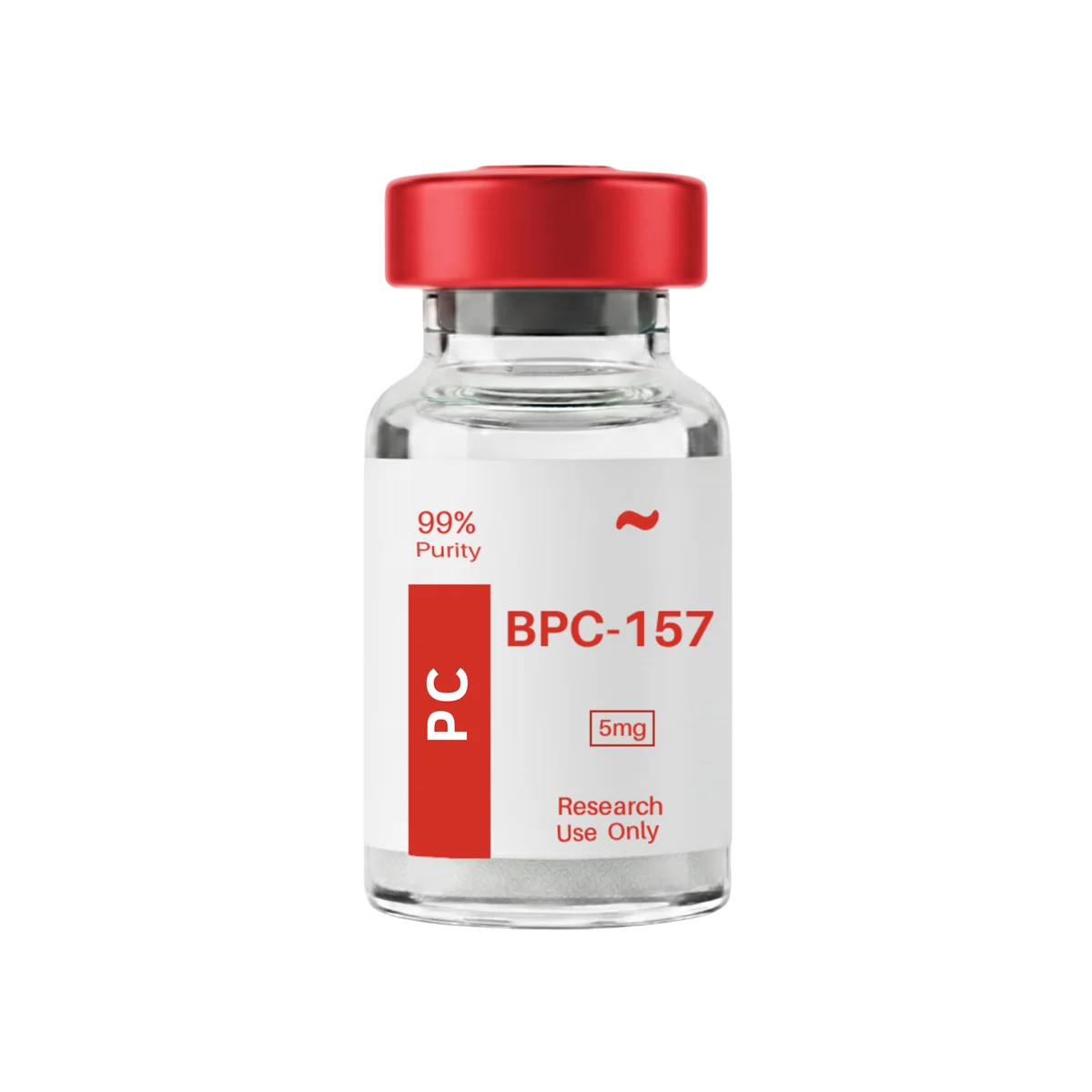
BPC-157 is a synthetic pentadecapeptide (sequence Gly-Glu-Pro-Pro-Pro-Gly-Lys-Pro-Ala-Asp-Asp-Ala-Gly-Leu-Val) derived from a protein fragment in human gastric juice, first characterized by Predrag Sikiric's laboratory at the University of Zagreb in the 1990s. Preclinical rodent studies report tissue-repair effects across tendon, gut, nerve, and muscle via the nitric oxide pathway, VEGF-mediated angiogenesis, and EGR-1 transcription factor upregulation. As of mid-2026, no completed randomized controlled human trials have been published, and BPC-157 is not approved by the FDA, MHRA, or TGA for human use—it is sold strictly as a research chemical.
BPC-157 sits in a genuinely awkward position in the peptide research landscape. It has one of the largest bodies of preclinical literature of any peptide in the recovery and healing category - dozens of rodent studies, multiple proposed mechanisms, and a self-reporting community that numbers in the tens of thousands. It also has zero completed randomized controlled trials in humans as of mid-2026. That gap isn't a technicality. It's the central fact around which any honest appraisal of this compound has to be organized.
Most coverage of BPC-157 fails on one of two sides of this gap. Promotional content in biohacking communities treats rodent data and mechanistic plausibility as near-equivalent to human clinical evidence - they're not. Dismissive coverage, on the other hand, ignores the genuine depth of the preclinical record, the biochemical coherence of the proposed mechanisms, and the pattern that emerges from large-scale anecdotal self-reporting. Neither framing is particularly useful.
This guide attempts the more difficult task: a methodologically honest evaluation of what the published literature actually shows, where the evidence genuinely stops, what community self-reports can and cannot tell us, and how BPC-157 compares to related peptides that researchers often examine alongside it. This is a research summary, not medical advice. BPC-157 is sold as a research chemical, is not FDA, MHRA, or TGA approved for human use, and nothing in this guide constitutes a clinical recommendation.
Featured Peptides
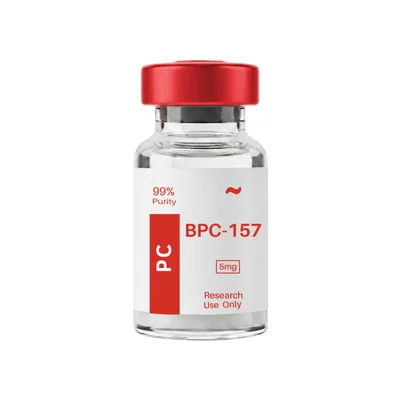
BPC-157 earns its position as the most-examined recovery peptide in preclinical literature on the strength of a genuinely broad mechanistic picture and an unusually large volume of rodent studies across multiple tissue types. The hard ceiling is real: no completed human RCTs means every therapeutic claim remains extrapolated from animal data produced predominantly by a single research group. For researchers tracking this space, it represents the most developed preclinical case in the recovery peptide category - with the explicit understanding that preclinical development and clinical validation are categorically different levels of evidence.
BPC-157 is the central subject of this guide and represents the most extensively researched recovery-focused peptide in the research chemical category, making it the only product relevant to this profile.
What Is BPC-157? Chemical Identity, Discovery, and Classification
BPC-157 stands for Body Protection Compound 157. It's a synthetic pentadecapeptide - a chain of 15 amino acids - with the sequence Gly-Glu-Pro-Pro-Pro-Gly-Lys-Pro-Ala-Asp-Asp-Ala-Gly-Leu-Val. Its molecular formula is C62H98N16O22, with a molecular weight of approximately 1,419.5 Da.
The compound is described as a partial sequence derived from a protein found in human gastric juice - specifically from a larger protein designated BPC (Body Protection Compound) isolated from gastric secretions. Research into BPC began in the 1990s, primarily through the laboratory of Predrag Sikiric at the University of Zagreb, Croatia. The synthetic fragment designated BPC-157 was identified as the biologically active sequence responsible for the gastroprotective and systemic healing effects observed in the parent compound research.
Classification-wise, BPC-157 sits in the category of peptide growth factor mimetics and cytoprotective peptides. It's not a growth hormone secretagogue, not a GHRH analog, and not a selective androgen receptor modulator. Its primary research interest has historically been gastrointestinal repair, though the scope of published animal studies has expanded significantly to include tendon, ligament, muscle, nerve, and bone tissue.
BPC-157 is sometimes referred to by the trade name PL 14736 in some research contexts, particularly in patents related to topical formulations for wound healing.
---
Mechanism of Action: NO Pathway, VEGF Signaling, EGR-1, and Beyond
One of the genuine strengths of the BPC-157 preclinical literature is that multiple independent mechanisms have been proposed and partially characterized, rather than a single speculative pathway. That mechanistic breadth is part of what gives the compound its scientific credibility despite the absence of human trials.
Nitric Oxide (NO) Pathway
A substantial portion of BPC-157's observed effects in animal models appear to involve modulation of the nitric oxide system. Research published by the Sikiric group suggests that BPC-157 influences both eNOS (endothelial nitric oxide synthase) and nNOS (neuronal nitric oxide synthase) activity. The proposed mechanism involves upregulation of NO production in endothelial cells, which would theoretically contribute to vasodilation, improved local perfusion, and downstream cytoprotective effects. Studies in rodent models have used NOS inhibitors to partially attenuate BPC-157's protective effects - which provides at least mechanistic evidence that the NO pathway is involved, rather than merely correlative.
VEGF Signaling
Vascular endothelial growth factor (VEGF) upregulation is one of the more consistently reported findings in BPC-157 tendon and wound healing research. Animal studies report that BPC-157 administration is associated with increased VEGF expression at injury sites, which would mechanistically support the accelerated formation of new blood vessels (angiogenesis) observed histologically in several rodent wound models. Given that vascular supply is rate-limiting in tendon and ligament healing, this mechanism has particular relevance to the musculoskeletal applications most commonly discussed in the research community.
EGR-1 (Early Growth Response Protein 1)
EGR-1 is a transcription factor involved in regulating genes related to growth, differentiation, and tissue repair. Several studies from the Zagreb group report that BPC-157 treatment in rodent models is associated with upregulation of EGR-1 expression in tendon fibroblasts and other cell types. EGR-1 in turn drives expression of collagen, fibronectin, and other extracellular matrix components relevant to structural tissue repair. This pathway provides a plausible mechanistic explanation for the histological improvements in tendon architecture observed in rodent injury models.
Additional Proposed Mechanisms
Published research has also implicated BPC-157 in:
- FAK-paxillin pathway activation - relevant to cell migration and adhesion during wound healing
- Modulation of dopamine and serotonin systems - proposed as the mechanism underlying reported effects on stress-related behaviors in rodent models
- Cytoprotective effects on mitochondria - observed in gastric mucosal cell research
- Interaction with the growth hormone receptor system - some research suggests indirect GH axis involvement, though this remains less characterized than the NO and VEGF pathways
The mechanistic picture is coherent, and that's worth acknowledging. Multiple independent pathways converging on tissue repair outcomes increases the biological plausibility of the observed animal effects. That said, mechanistic plausibility and demonstrated human efficacy are categorically different standards of evidence - a distinction that gets glossed over constantly in this space.
---
Evidence Summary: Animal Studies, the Single-Group Problem, and What Community Reports Add
Animal Study Evidence
The preclinical literature on BPC-157 is, by the standards of research peptides, genuinely extensive. Published rodent studies report effects across a notably broad range of tissue types and injury models:
Gastrointestinal: The earliest and most replicated findings involve gastroprotection and gut repair. Studies in rodent models of gastric ulceration, inflammatory bowel disease, and NSAID-induced gut damage consistently report protective effects. This remains the most internally replicated area of the BPC-157 literature.
Tendon and Ligament: Multiple studies using surgical transection models in rats report accelerated histological healing, improved collagen organization, and earlier return of mechanical strength in BPC-157-treated animals compared to controls. A frequently cited study used the Achilles tendon transection model in rats and reported statistically significant improvements in functional recovery and tendon architecture at 4-week endpoints.
Muscle: Rodent crush injury and laceration models have reported accelerated muscle fiber regeneration and reduced fibrotic scarring in BPC-157-treated animals.
Nerve: A smaller subset of studies reports improved functional recovery in rodent peripheral nerve injury models, with proposed mechanisms involving enhanced Schwann cell proliferation and reduced inflammation.
Bone: Preliminary rodent studies have examined segmental bone defect models, with some reporting improved healing metrics - though this evidence base is thinner than the tendon and gut literature.
CNS and Behavior: A distinct line of rodent research - less commonly discussed in biohacking contexts - reports effects on dopaminergic system function, stress responses, and depression-like behaviors in rodent models. This mechanistic direction is distinct from the physical tissue repair applications and worth keeping separate conceptually.
The Single-Group Problem
This is the most significant limitation of the BPC-157 animal literature, and it deserves direct discussion rather than a footnote. The overwhelming majority of published BPC-157 research originates from a single research group - the laboratory of Predrag Sikiric at the University of Zagreb. The volume of output is large (over 100 published papers spanning several decades), but the absence of independent replication from unaffiliated laboratories is a serious scientific concern.
Independent replication is the mechanism by which scientific findings get validated beyond the originating laboratory's methods, equipment, animal handling protocols, and potential biases. When research concentrates in one group, systematic errors in methodology, animal models, or outcome measurement - even unintentional ones - don't get caught by the normal scientific error-correction process. Some gastric research has been partially replicated by other groups, but comprehensive independent validation of the tendon and musculoskeletal findings is notably absent as of mid-2026.
This isn't an accusation of misconduct. It's an observation about the structural weakness of a literature that hasn't undergone the normal stress-testing process of independent science.
Community Self-Reporting
Large-scale anecdotal self-reporting from platforms including Reddit's r/Peptides community, Longecity forums, and dedicated biohacking communities represents a clearly lower-evidence-tier data source - but one that shouldn't be dismissed without characterization.
Patterns visible across thousands of self-reports include:
- Tendon and joint injury recovery is by far the most commonly reported use case, with a substantial proportion of reporters describing subjective improvements in recovery speed
- Gut and digestive symptom improvement is the second most commonly reported area, consistent with the strongest preclinical evidence base
- Side effect reports are notably rare - the community self-reporting pattern is consistent with the low adverse event profile observed in animal studies
- Oral and subcutaneous routes are both widely reported, with mixed accounts of relative efficacy that mirror the animal route-of-administration literature
Community self-reports can't establish causality, are subject to placebo effect, selection bias (people who see no effect are less likely to post), and confirmation bias in interpretation. They're not clinical evidence. They are, however, a signal worth including in a complete picture - particularly for safety profiling, where the near-absence of serious adverse event reports across a large self-experimenting population over more than a decade is meaningful data, even if it can't substitute for systematic safety trials.
---
Dosing in Research Contexts: Ranges Reported in Published Literature
> Regulatory Disclaimer: The following dosing information is drawn exclusively from published animal research and is presented for educational and research context purposes only. It does not constitute a dosing recommendation for human use. BPC-157 is not approved for human consumption in any jurisdiction covered by this guide. This section should not be interpreted as guidance for self-administration.
In rodent studies, BPC-157 has been administered across a wide range of doses depending on the tissue target, injury model, and administration route. Human-equivalent dose extrapolations from rodent studies require BSA (body surface area) conversion and carry significant uncertainty - a fact that gets glossed over constantly in biohacking discussions.
Subcutaneous administration in rodent studies: Most published papers report effective doses in the range of 1-10 mcg/kg body weight in rats. Converted using standard FDA BSA scaling factors to a hypothetical human equivalent, this would suggest figures approximately 6-fold lower per kg - but these extrapolations haven't been validated and shouldn't be treated as reliable human dosing guidance.
Intragastric/oral administration in rodent studies: Several studies have examined oral delivery, with effective doses typically reported in a 10-100 mcg/kg range in rat models - reflecting reduced bioavailability via the oral route compared to parenteral administration. Some research specifically examined whether BPC-157 retains activity when delivered orally, with several gastrointestinal-focused studies reporting continued efficacy at higher doses via this route.
Typical cycle lengths in animal studies: Most published studies examined relatively short intervention windows of 1-4 weeks, reflecting the acute injury repair models used. Long-term administration data is limited.
The biohacking community most commonly discusses doses in the 200-500 mcg per day range for subcutaneous administration, but this range is derived from community experimentation and dose interpolation - not from published human studies - and is not a figure this publication endorses or recommends.
---
Routes of Administration Studied: Subcutaneous vs. Oral vs. Intragastric
One of the more interesting aspects of the BPC-157 preclinical literature is the evidence that the compound may retain biological activity via oral and intragastric routes - which is mechanistically unusual for peptides, as they typically degrade under gastric acid conditions.
Subcutaneous Administration
Subcutaneous injection is the most common route in published animal studies and generally represents the reference standard for systemic delivery. Studies using subcutaneous BPC-157 have reported the broadest range of tissue effects, including musculoskeletal, neurological, and gastrointestinal outcomes. From a pharmacokinetic standpoint, subcutaneous delivery avoids first-pass gastrointestinal degradation and provides more predictable systemic exposure.
Oral and Intragastric Administration
Several published studies have specifically compared oral or intragastric BPC-157 against subcutaneous delivery and reported that oral administration retained meaningful biological activity in gastrointestinal injury models. The proposed explanation involves local activity in the GI tract before significant degradation occurs, potentially combined with partial absorption of intact or partially intact peptide fragments.
The finding that oral BPC-157 shows activity in gut-focused models is internally consistent - the compound would encounter the target tissue before degradation becomes limiting. Whether oral delivery produces meaningful systemic concentrations relevant to musculoskeletal or neurological effects is considerably less clear, and the animal evidence for systemic efficacy via oral route is weaker than for subcutaneous delivery.
Researchers examining BPC-157 for non-GI applications most commonly use subcutaneous delivery in the preclinical literature. Community self-reporters who use oral capsule formulations primarily report effects on gut symptoms rather than musculoskeletal outcomes, which is broadly consistent with the pharmacological logic.
Topical Administration
Some patents and preliminary research have examined topical BPC-157 formulations for wound healing applications. Evidence here is notably thinner than for systemic routes and is primarily confined to very early-stage research.
---
Reported Side Effects and Contraindications: Research Findings and Community Safety Signals
Animal Study Safety Data
Published rodent studies on BPC-157 report a consistently low adverse event profile. Across the Zagreb group's research spanning multiple decades, serious adverse events attributable to BPC-157 administration are rarely reported. Acute toxicity studies in rodents have not established an LD50 at doses tested - which is genuinely notable, since most peptides with this volume of animal research have generated some toxicity signals by this point.
That said, the absence of observed toxicity in short-duration rodent studies doesn't establish long-term human safety. The gap between rodent safety data and human safety data is substantive, not a formality.
Community-Reported Side Effects
Across available self-reporting communities, commonly mentioned adverse experiences include:
- Nausea - reported by a minority of users, most commonly after subcutaneous injection, typically described as transient
- Dizziness or lightheadedness - occasionally reported, potentially related to NO pathway vasodilation effects
- Injection site reactions - localized redness or irritation, consistent with any subcutaneous injection
- Fatigue - reported by a small subset, cause unclear
Serious adverse events are rarely reported in community forums, and the general consensus across large self-reporting populations over more than a decade leans toward a benign short-term profile. This is a safety signal, not safety data. It doesn't substitute for systematic adverse event surveillance in controlled trials.
Theoretical Contraindications and Precautions
Given BPC-157's VEGF-upregulating and angiogenic mechanisms, theoretical concern exists regarding use in individuals with active malignancies - pro-angiogenic compounds are generally contraindicated in cancer contexts given that tumor growth depends on angiogenesis. This concern is theoretical rather than documented in BPC-157 literature specifically, but it's the most commonly cited caution among researchers with oncological backgrounds.
The compound's effects on the NO system also raise theoretical questions about interactions with vasodilatory medications (nitrates, PDE5 inhibitors, antihypertensives) - though no documented interaction studies exist.
Pregnancy and breastfeeding: no safety data exists. Standard precautionary reasoning applies.
---
The Human Trial Gap: Why No Completed RCTs Exist and What's in the Pipeline
The absence of completed human randomized controlled trials is BPC-157's defining evidentiary limitation and deserves more than a passing mention.
Why the Gap Exists
Several factors explain the absence of human trial data as of mid-2026:
Regulatory pathway complexity: To conduct a Phase I human trial in the United States, a compound requires an Investigational New Drug (IND) application with the FDA, which requires substantial preclinical safety packages, manufacturing under cGMP conditions, and institutional review board oversight. The cost of this pathway - typically $1-5 million minimum for Phase I alone - creates a significant barrier for academic research groups without pharmaceutical industry backing.
Intellectual property ambiguity: BPC-157 patent coverage is complex. If the compound can't be adequately protected by patent, pharmaceutical developers have limited commercial incentive to fund expensive trial infrastructure, knowing competitors could use any positive results.
Research concentration: With most preclinical work concentrated in a single academic group without industrial partners, the institutional infrastructure to advance to human trials hasn't been assembled.
Research chemical market dynamics: Paradoxically, the availability of BPC-157 as a research chemical has created a large self-experimenting population whose anecdotal reports circulate widely - potentially reducing the perceived urgency of formal trials in the eyes of some research funders.
What's in the Pipeline
As of mid-2026, searches of ClinicalTrials.gov reveal limited registered human trials specifically for BPC-157. A small number of trials have been registered - primarily in Eastern European jurisdictions - but published results from completed, peer-reviewed RCTs remain absent from the major literature databases. Researchers tracking this area should monitor ClinicalTrials.gov (NCT number search for "BPC-157") and PubMed for updates, as the pipeline status can change.
The honest assessment: without completed human RCTs, BPC-157's therapeutic premise - however mechanistically plausible and however well-supported in rodent models - remains unvalidated in humans. That's not a minor caveat. It's the central epistemological fact about this compound.
---
BPC-157 vs. TB-500: Mechanistic Overlap, Practical Differences, and Why Researchers Often Stack Them
TB-500 (Thymosin Beta-4 fragment) is the other peptide most commonly discussed alongside BPC-157 in recovery research contexts. Understanding the comparison requires separating what each compound does mechanistically.
TB-500 is a synthetic fragment of Thymosin Beta-4 (specifically the actin-binding domain sequence LKKTETQ). Its primary mechanistic profile involves actin polymerization regulation, cell migration facilitation, and upregulation of metalloproteinases relevant to extracellular matrix remodeling. Animal research on TB-500 covers cardiac tissue, tendon, corneal, and nerve applications, with cardiac repair research being particularly prominent.
BPC-157 operates primarily through NO/VEGF/EGR-1 pathways with a stronger gut and tendon evidence base and a broader multi-tissue research profile.
Points of Mechanistic Overlap
- Both compounds have animal research reporting accelerated tendon healing
- Both appear to upregulate angiogenic processes (through different primary mechanisms)
- Both show anti-inflammatory properties in rodent models
Key Differences
- BPC-157 has a notably stronger gastrointestinal evidence base - TB-500 isn't primarily researched for gut applications
- TB-500's cardiac repair research is more substantial than BPC-157's
- TB-500 is generally understood to work primarily through systemic distribution and cell migration mechanisms; BPC-157 appears to have more local tissue-level activity in some models
- Neither compound has completed human RCTs; both are research chemicals
Why the Stack Is Common in Research Literature and Community Contexts
The mechanistic complementarity - different primary pathways converging on overlapping tissue repair outcomes - is the theoretical rationale for combining the two. Animal studies haven't systematically evaluated the combination, so evidence for additive or synergistic effects in the stack is largely theoretical and community-extrapolated. Researchers interested in this combination should approach it as examining two separate compounds with overlapping research areas, not as an established synergistic protocol.
---
BPC-157 vs. GHK-Cu: Comparing Two Broad-Spectrum Repair Peptides by Evidence Tier
GHK-Cu (copper peptide Gly-His-Lys complexed with copper) is another broad-spectrum repair peptide that occupies comparable research territory to BPC-157 in several respects, though with meaningfully different evidence characteristics.
GHK-Cu Evidence Profile:
- Has a longer research history (discovered in the 1970s by Loren Pickart)
- Has been studied in human skin contexts with some small-scale clinical trials examining wound healing and skin aging endpoints
- Has more independent research group involvement than BPC-157
- Has established topical cosmetic applications (legal, commercially available in cosmetic products) that have provided some real-world safety data
- Proposed mechanisms include collagen synthesis upregulation, anti-inflammatory signaling, and antioxidant activity
Comparative Evidence Assessment:
| Dimension | BPC-157 | GHK-Cu |
|---|---|---|
| Preclinical volume | High | Moderate-High |
| Independent replication | Limited | Better |
| Human trial data | Near-zero | Limited but present (skin) |
| Topical safety data | Very limited | Available (cosmetic use) |
| GI/tendon research | Strong (animal) | Minimal |
| Regulatory status | Research chemical | Cosmetic ingredient (topical) |
The honest comparison: GHK-Cu has a marginally better evidence structure in terms of independent replication and limited human skin data, while BPC-157 has a larger raw volume of preclinical work across more tissue types. For researchers specifically interested in musculoskeletal or GI applications, the BPC-157 literature is more directly relevant. For researchers interested in skin and wound healing, GHK-Cu's human data - however limited - sits at a higher evidence tier than BPC-157 can currently offer.
Neither compound has human RCT evidence for the applications most commonly discussed in biohacking contexts. Both are research chemicals when sold as injectables.
---
Legal Status by Region
United States
BPC-157 is not approved by the FDA for any human therapeutic indication. It's not a scheduled controlled substance under the Controlled Substances Act. It's sold commercially as a "research chemical" intended for laboratory use only, not for human consumption. In 2022-2023, the FDA sent warning letters to several compounding pharmacies that had been including BPC-157 in compounded formulations, citing its status as a "bulk drug substance" not eligible for compounding under Section 503A or 503B of the FD&C Act. That regulatory action significantly reduced (though didn't eliminate) domestic US compounding pharmacy access. Purchasing BPC-157 for personal use exists in a legal gray area - possession is generally not prosecuted, but the compound's use in humans is not legally sanctioned.
United Kingdom
BPC-157 is not licensed as a medicine by the MHRA. It's not scheduled under the Misuse of Drugs Act. Sale for human consumption would constitute supply of an unlicensed medicine, which is a regulatory violation. It circulates as a research chemical. The regulatory environment is broadly similar to the US gray-area status, though enforcement patterns differ.
European Union
Regulatory status varies by member state, but BPC-157 is not authorized as a medicinal product under EMA frameworks. Several EU countries treat unlicensed peptide research chemicals similarly to the UK - legal to possess, not legal to sell for human use. Researchers should verify their specific national regulatory context, as variation exists between member states.
Australia
BPC-157 is classified as a Schedule 4 (prescription-only) substance by the TGA (Therapeutic Goods Administration), placing it in a more restrictive regulatory category than in the US or UK. Importation without appropriate authorization is regulated. This is the strictest regulatory treatment among the four jurisdictions covered here. Australian residents should treat BPC-157 as requiring a prescription pathway if used at all - and note that no TGA-approved prescription product containing BPC-157 exists.
---
Sourcing Considerations: What a Credible COA Looks Like and Red Flags to Avoid
For researchers obtaining BPC-157 for legitimate laboratory use, supply quality is a non-trivial concern. The research chemical market lacks the regulatory oversight that governs pharmaceutical manufacturing, and documented cases of mislabeled, contaminated, or underdosed peptides exist.
What a Credible COA (Certificate of Analysis) Should Include
- Identity confirmation by mass spectrometry (MS) - confirms the peptide sequence and molecular weight match BPC-157's known profile. HPLC alone is insufficient for identity confirmation; mass spec is the appropriate standard.
- Purity percentage by HPLC - reputable vendors typically report greater than 98% purity. Values below 95% are a concern; values below 90% are a significant red flag.
- Endotoxin testing results - particularly important for injectable applications in research. Endotoxin contamination (bacterial lipopolysaccharide) in injectable peptides can cause significant inflammatory responses. Limulus Amebocyte Lysate (LAL) testing is the standard method.
- Sterility testing - relevant for preparations intended for injectable research use
- Lot number matching - the COA lot number should match the lot number on the product received. Generic or undated COAs that can't be matched to a specific batch are a red flag.
- Third-party testing - COAs from independent laboratories (not the vendor's in-house lab) provide stronger quality assurance. Vendors who conduct exclusively in-house testing without third-party verification warrant additional scrutiny.
Red Flags in Vendors
- No COA available, or COA available only on request after significant delay
- COA lacks mass spectrometry data
- No age verification or identity verification at purchase
- Marketing language claiming human therapeutic benefits, health claims, or treatment of specific conditions
- No endotoxin testing data for products described as injectable-grade
- Suspiciously low pricing that wouldn't support the analytical testing infrastructure described above
- No clear physical address or contact information
- Customer service that can't answer technical questions about the analytical methods used
This publication doesn't endorse specific vendors. Researchers are advised to prioritize vendors with transparent, lot-specific, third-party COAs over those competing primarily on price.
---
Regulatory Disclaimer and Where to Learn More
Regulatory Disclaimer: This guide is published for educational and research informational purposes only. It does not constitute medical advice, diagnosis, or treatment recommendation. BPC-157 is not approved for human use by the FDA, MHRA, EMA, or TGA. It's sold as a research chemical intended for laboratory research contexts, not human consumption. Nothing in this guide should be interpreted as encouragement to self-administer BPC-157 or any other research peptide. Individuals with health conditions should consult qualified healthcare providers. Peptide Guides does not verify the legal status of BPC-157 in every jurisdiction - readers are responsible for understanding and complying with regulations in their own location.
Where to Learn More
PubMed: Search "BPC-157" or "Body Protection Compound 157" at pubmed.ncbi.nlm.nih.gov. Filtering by the Sikiric research group (author search: Sikiric P) will surface the majority of primary literature. For context on independent replication status, note which papers come from unaffiliated institutions.
ClinicalTrials.gov: Search "BPC-157" at clinicaltrials.gov to monitor registered human studies. As of mid-2026, the pipeline is sparse but worth tracking.
Science Direct and Google Scholar: Useful for finding review articles that synthesize the preclinical literature. Search terms "BPC-157 tendon," "BPC-157 gastrointestinal," and "BPC-157 nitric oxide" will surface the main mechanistic research threads.
FDA Orange Book and Drug Databases: Confirms the absence of any approved BPC-157 containing product in the US market.
TGA Product Search (Australia): Confirms Schedule 4 classification and absence of approved therapeutic products.
Tips
- 1.When evaluating any BPC-157 supplier, request a lot-specific COA that includes both HPLC purity data and mass spectrometry identity confirmation. If the vendor can't provide both, the supply chain quality is unverified regardless of what the marketing says.
- 2.When reading BPC-157 preclinical literature, check the institutional affiliation of the authors. The vast majority of studies originate from one research group at the University of Zagreb - that's a meaningful limitation on independent replication, and it should affect how much confidence you assign to individual findings.
- 3.For researchers specifically interested in GI applications, the oral route evidence base is meaningfully stronger than for musculoskeletal applications. The compound is studied for local GI activity, and community reports are more consistent in this domain than for systemic effects - which lines up with what the pharmacology would actually predict.
The Bottom Line
BPC-157 has the most developed preclinical evidence base of any peptide in the recovery research category as of mid-2026 - multiple independent mechanisms, a large volume of rodent studies across diverse tissue types, and a consistent community safety signal across a large self-reporting population. The evidentiary wall is equally clear: no completed human RCTs, heavy research concentration in a single laboratory, and research-chemical legal status with no regulatory quality assurance on commercial supply. Researchers approaching BPC-157 honestly need to hold both of these facts simultaneously, rather than letting either one flatten out the other.
Frequently Asked Questions
Is BPC-157 legal to buy in the US?
What is BPC-157 and what is it used for in research?
Does BPC-157 actually work for tendon healing? What does the research show?
What dosing ranges are used in BPC-157 animal research?
What are the reported side effects of BPC-157?
How does BPC-157 work mechanically? What pathways does research suggest it affects?
Related Guides
STACK
The Skin and Anti-Aging Peptide Stack: GHK-Cu, BPC-157, Pentadeca Arginate, and KPV in Research (2026 Guide)
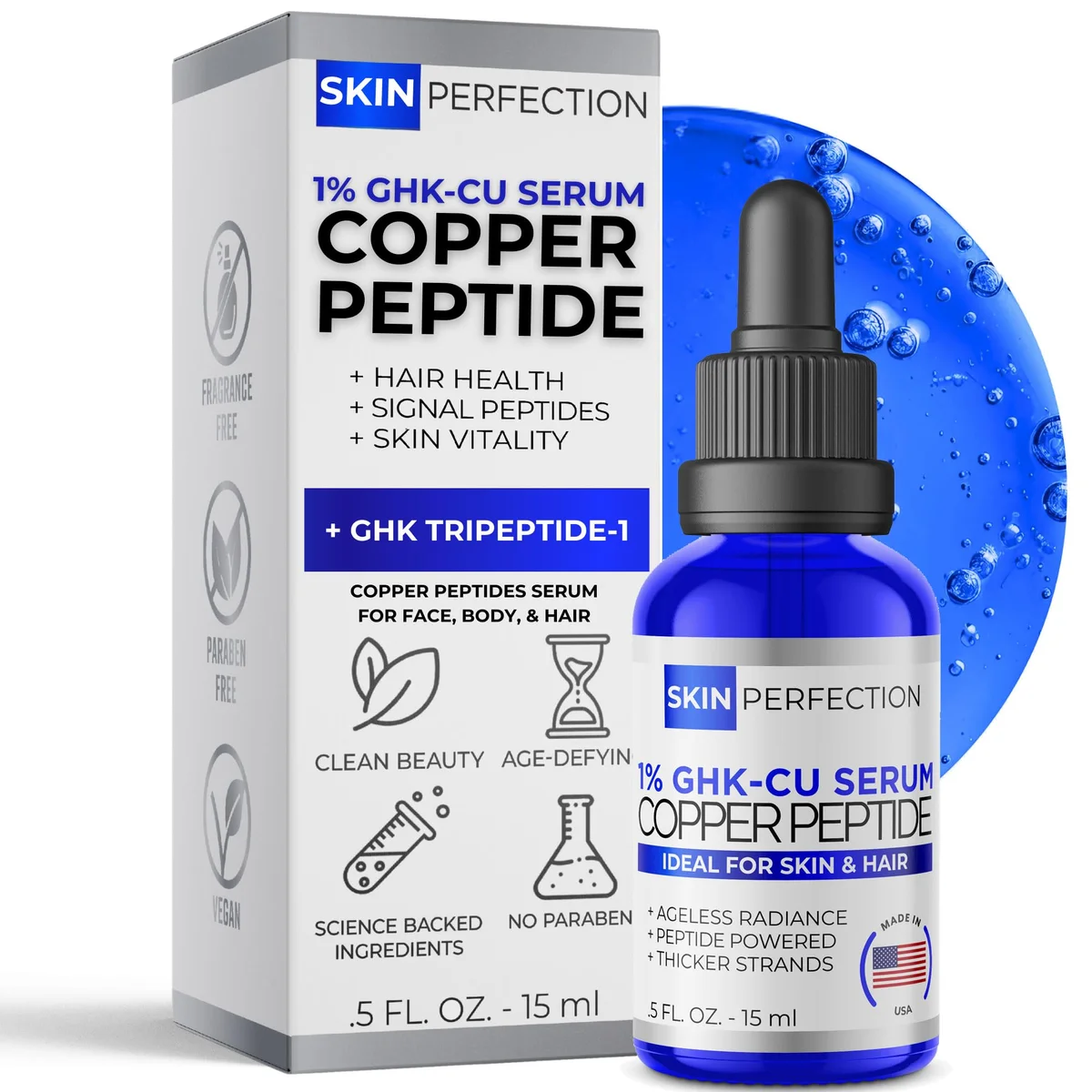
GHK-Cu is the strongest compound in this stack on evidence quality alone - it's the only one with multiple small human RCTs, decades of published mechanistic research dating back to 1973, and a reasonably clean preliminary safety profile across topical and in vitro models. The other three compounds are preclinical-only, which makes GHK-Cu the clearest anchor for any researcher building a skin and recovery peptide stack in 2026.
LEGAL-LANDSCAPE
Research Peptide Legal Status: US, UK, EU, and Australia Compared (2026 Guide)
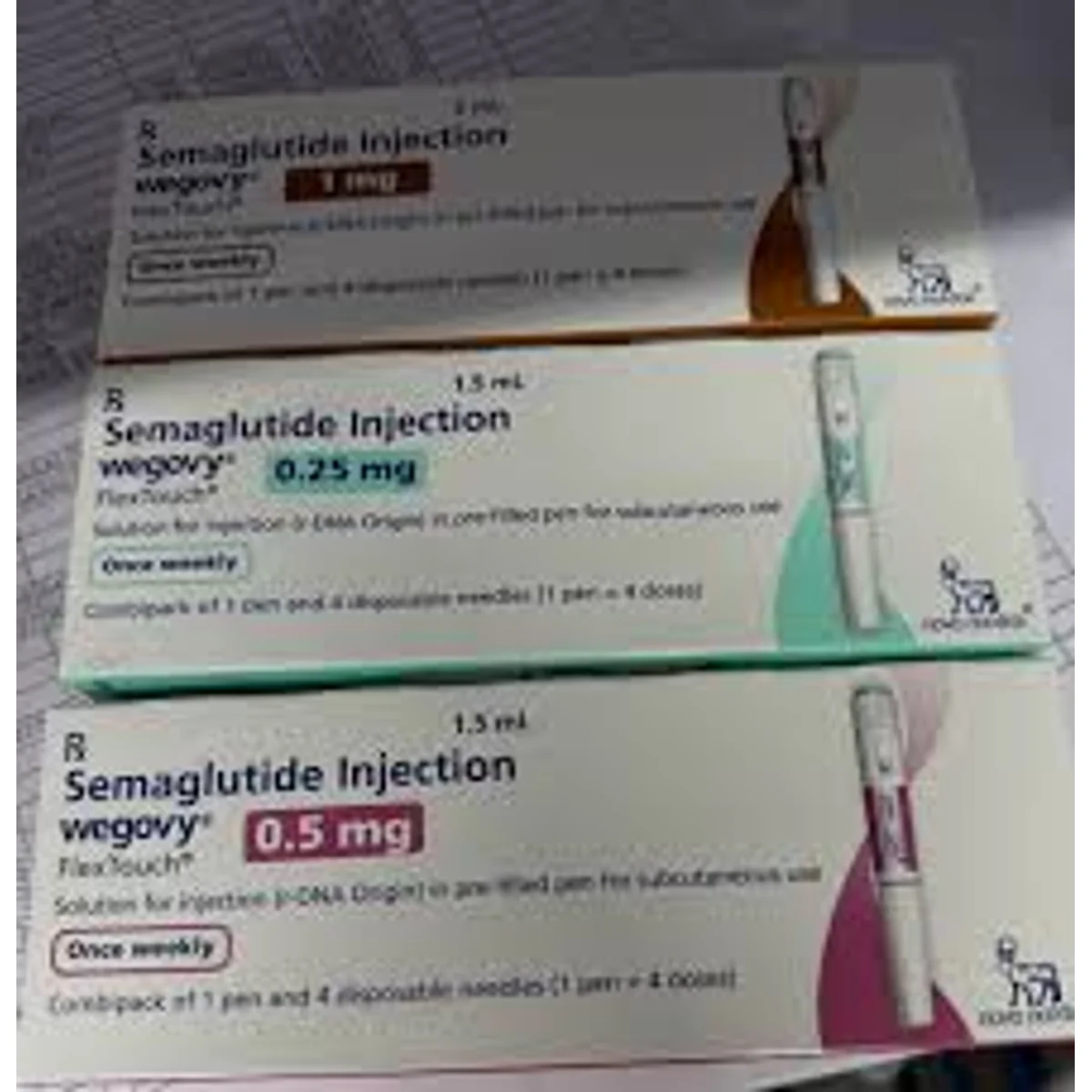
Peptide legal status varies sharply across jurisdictions because no single international framework governs research peptides, leaving classification to national regimes including the US FDA (FD&C Act), UK MHRA (Medicines Act 1968), EU EMA, and Australia's TGA. Semaglutide is FDA-approved and available by prescription across all four jurisdictions, while compounds like BPC-157, TB-500, and Melanotan II are flagged by the MHRA as unlicensed medicines whose supply is a criminal offense in the UK and are scheduled or restricted in Australia, despite occupying a fragile gray-zone "research chemical" status in the US.
HOW TO
How to Read a Peptide Certificate of Analysis (COA): A Researcher's Field Guide
A peptide Certificate of Analysis (COA) is a laboratory-issued document reporting identity, purity, and safety testing for a specific batch of compound, answering three questions: is it the right compound, how much is present, and is it safe to handle. Prescription peptides like semaglutide are manufactured under FDA-enforced GMP standards with legally accountable COAs, while research chemicals such as BPC-157 and GHK-Cu carry no mandated COA content, making ISO 17025 laboratory accreditation, HPLC purity, mass spectrometry identity confirmation, and endotoxin testing the key fields researchers must evaluate independently.