
COMPARISON
BPC-157 vs TB-500: How the Two Most-Researched Recovery Peptides Compare
Preclinical evidence, mechanisms, and honest limitations of two popular repair peptides
Last updated: May 1, 2026
Quick Answer
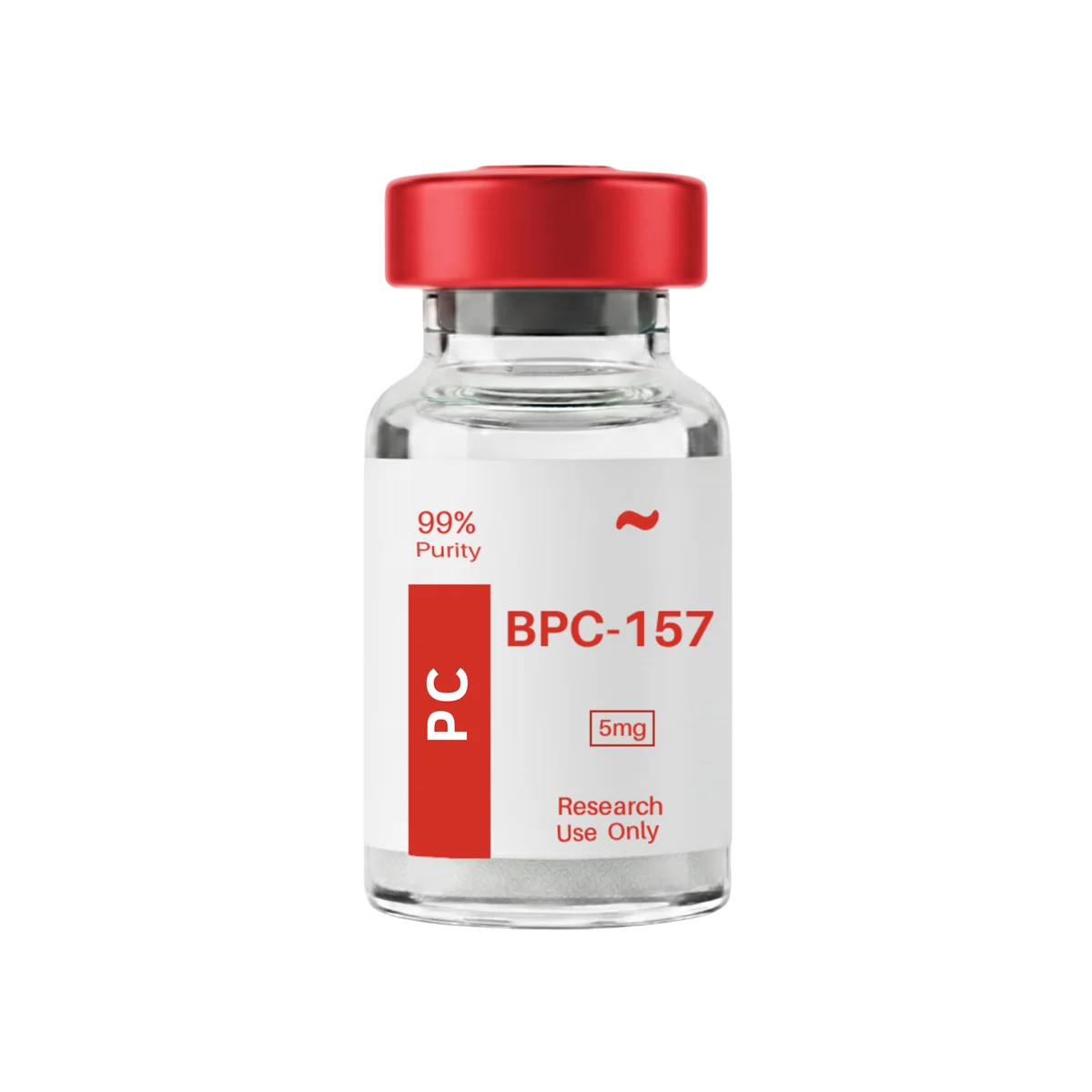
BPC-157 and TB-500 are synthetic research peptides studied primarily in rodent models for tissue repair signaling, with neither holding FDA, EMA, MHRA, or TGA approval for any human indication as of mid-2026. BPC-157 is a 15-amino-acid fragment derived from human gastric juice protein and researched mainly for gut, tendon, and nitric oxide pathways, while TB-500 is a synthetic fragment of Thymosin Beta-4 studied for actin cytoskeleton dynamics and angiogenesis. TB-500 is prohibited under the WADA Code, whereas BPC-157 lacks completed human Phase II RCTs in either case.
BPC-157 and TB-500 almost always get mentioned together. On bodybuilding forums, peptide vendor pages, and biohacker podcasts, they're typically presented as a natural stack - complementary mechanisms, synergistic repair signaling, a combined protocol that supposedly covers everything from tendon injuries to gut inflammation. That narrative is compelling. It's also largely built on animal data that's been filtered through community folklore rather than anything resembling methodology-first analysis.
This guide isn't a takedown of either peptide. The preclinical literature for both is genuinely substantial - broader and more mechanistically grounded than what you find for most compounds sold as research chemicals. But there's a meaningful difference between a large body of rodent-model evidence and validated therapeutic utility in humans, and that distinction matters when someone is deciding whether to inject an unregulated peptide synthesized without regulatory oversight.
What follows is a direct comparison of the published evidence base for each compound - what it actually shows, where it concentrates, where it's thin, and where the two peptides diverge in ways that should influence how a careful researcher or informed self-experimenter thinks about them. The goal isn't to discourage legitimate research interest. It's to give that interest an accurate map.
Featured Peptides
BPC-157 scores 67/100 - reflecting a genuinely substantial preclinical record across multiple tissue types that's undercut by two structural problems: the overwhelming concentration of foundational research within a single group, and the complete absence of completed human RCTs as of mid-2025. The mechanistic breadth is real; the evidentiary confidence isn't as high as the publication volume implies. Of the two compounds in this comparison, BPC-157 has the better GI and neurological preclinical dataset and doesn't carry TB-500's WADA prohibition or theoretical oncogenic risk - making it marginally more accessible for the self-research audience, while sharing the same fundamental problem of zero human validation.
BPC-157 is the most extensively self-researched healing peptide in the biohacker community and the primary reference compound in any discussion of preclinical tissue repair research.
TB-500 also scores 67/100, matching BPC-157 on the same ceiling rather than for identical reasons. Its molecular mechanism is better characterized than BPC-157's, the multi-group cardiac TB4 literature is the most clinically interesting data in either compound's profile, and the anti-inflammatory evidence is reasonably consistent across independent research groups. That said, WADA prohibition makes it categorically off-limits for any competitive athlete, the theoretical oncogenic risk from pro-angiogenic and pro-migratory properties is more specifically grounded than the equivalent BPC-157 concern, and the fragment vs. full-protein distinction creates real ambiguity in translating even the best animal evidence to commercial TB-500 products.
TB-500 is the canonical mechanistic counterpart to BPC-157 in preclinical recovery research and the most commonly discussed stacking partner - making it essential context for any BPC-157 comparison guide.
Overview: Why These Two Peptides Are Always Discussed Together
The pairing of BPC-157 and TB-500 is partly logical and partly a product of community convention. Both peptides are associated with tissue repair signaling in preclinical models. Both are administered by subcutaneous or intramuscular injection. Both are sold as research chemicals by the same vendor ecosystem. And both have accumulated enough forum discussion and self-report data to sustain the impression of a well-established protocol.
The more defensible reason to discuss them together is mechanistic: BPC-157 research has focused heavily on the gut-brain axis, nitric oxide signaling, and connective tissue repair, while TB-500 research clusters around actin cytoskeleton dynamics, cell migration, and angiogenesis. On paper, those pathways are complementary. Whether that complementarity produces additive effects in practice - particularly in humans, where neither peptide has cleared a Phase II RCT as of mid-2026 - is a question the literature doesn't come close to answering yet.
The critical framing for this guide: both peptides earn the same evidence score (67/100) not because they're identical in their research profiles, but because both hit the same ceiling - a large preclinical base interrupted by the same absence of human validation. The differences between them are real and worth understanding. Neither difference tips the scale into clinical confidence.
---
What Is BPC-157? Chemical Identity, Origin, and Class
BPC-157 (Body Protection Compound 157) is a synthetic pentadecapeptide - a chain of 15 amino acids - derived from a partial sequence of human gastric juice protein. The parent protein, BPC, was identified in gastric secretions, and the 157 designation refers to a specific fragment isolated and studied primarily by a research group at the University of Zagreb, Croatia, beginning in the early 1990s.
The compound has no endogenous form in the sense that it doesn't circulate as a distinct peptide in the human body under normal conditions. It's a research-derived fragment. Its molecular weight is approximately 1,419 Da. It's classified as a peptide research chemical and has no FDA, MHRA, EMA, or TGA approval for any indication. It's not a prodrug, not a prohormone, and doesn't act via androgen or growth hormone receptor pathways.
In preclinical literature, BPC-157 gets categorized variously as a cytoprotective peptide, a gastroprotective agent, and a systemic healing modulator - depending on the tissue context being studied.
---
What Is TB-500? Chemical Identity, Origin, and Class
TB-500 is a synthetic peptide corresponding to a specific fragment of Thymosin Beta-4 (TB4) - specifically the amino acid sequence LKKTETQ, or more precisely a 17-amino-acid sequence (Ac-SDKPDMAEIEKFDKSKLK) derived from the actin-binding region of the full TB4 protein. The terminology gets used loosely: vendors and forum communities often treat "TB-500" and "Thymosin Beta-4" as interchangeable, but they're not the same compound. TB4 is a 43-amino-acid peptide that occurs endogenously in virtually all nucleated mammalian cells. TB-500 is a synthetic fragment.
This distinction matters for interpreting the literature. Much of the mechanistic research on the Thymosin Beta-4 pathway uses recombinant full-length TB4, not the TB-500 fragment specifically. Studies on the fragment itself are fewer, though the fragment retains the critical G-actin sequestration activity attributed to the intact protein.
TB4/TB-500 belongs to the beta-thymosin peptide family. The endogenous protein is one of the most abundant intracellular peptides in mammals. Its molecular weight as a synthetic fragment varies slightly by synthesis but falls in the 2,100-2,200 Da range. It has no regulatory approval for human use in the context of tissue repair or athletic recovery.
---
Mechanism of Action: BPC-157 - NO Signaling, VEGF, and Gut-Brain Pathways
Research suggests BPC-157 operates through several partially overlapping pathways rather than a single dominant mechanism - which makes it both plausibly versatile and mechanistically harder to pin down.
Nitric Oxide (NO) pathway: Multiple animal studies propose that BPC-157's cytoprotective effects are mediated in part through upregulation of endothelial nitric oxide synthase (eNOS) and modulation of NO signaling. Nitric oxide is a key regulator of vascular tone, tissue perfusion, and cellular stress responses. Studies in rat models have examined how BPC-157 interacts with L-NAME (an NOS inhibitor) and L-arginine, finding that certain BPC-157 effects are attenuated when NO synthesis is blocked - suggesting pathway dependency rather than coincidence.
VEGF upregulation: Animal studies have reported that BPC-157 promotes angiogenesis in wound and tendon models through VEGF (vascular endothelial growth factor) signaling. Increased vascularization of damaged tissue is proposed as a mechanism underlying the faster healing rates observed in rodent tendon and muscle studies.
EGR-1 and growth factor modulation: Research from the Zagreb group has identified early growth response protein 1 (EGR-1) as a downstream target, with implications for collagen synthesis and connective tissue remodeling.
Gut-brain axis: BPC-157's origin as a gastric peptide fragment informs its studied role in the GI tract. Rat models of inflammatory bowel disease, NSAID-induced gastric damage, and colon anastomosis repair have shown accelerated healing in BPC-157-treated animals. Dopaminergic and serotonergic modulation have also been reported in neurological studies using the compound, extending the mechanistic footprint beyond tissue repair alone.
A critical methodological caveat: the majority of this mechanistic work originates from or builds directly on the Zagreb research group's output. Independent replication of specific mechanistic claims is thinner than the volume of studies implies.
---
Mechanism of Action: TB-500 - G-Actin Sequestration, Cell Migration, and Angiogenesis
TB-500's mechanism is better characterized at the molecular level than BPC-157's, largely because the target - actin dynamics - is a well-studied area of cell biology independent of peptide research.
G-actin sequestration: Thymosin Beta-4 (and by extension the TB-500 fragment) binds monomeric G-actin with high affinity, effectively regulating the local pool of actin available for polymerization into F-actin filaments. This influences cell morphology, motility, and the cytoskeletal remodeling that underlies tissue repair. The binding site on G-actin is well-mapped crystallographically.
Cell migration and wound healing: By modulating actin dynamics, TB4/TB-500 promotes migration of keratinocytes, endothelial cells, and cardiac stem cells toward injury sites. In animal wound-healing models, this has been associated with faster re-epithelialization and reduced scar formation.
Angiogenesis: TB4/TB-500 research consistently implicates the compound in promoting new blood vessel formation, partly through endothelial cell migration and partly through downstream interactions with VEGF and HIF-1 alpha signaling. This is both a potential therapeutic feature (promoting perfusion of ischemic tissue) and a theoretical liability - more on that in the oncogenic risk section below.
Anti-inflammatory signaling: Studies suggest TB4 downregulates NF-kB pathway activity and reduces pro-inflammatory cytokine expression in some tissue models, adding an anti-inflammatory dimension to the primarily structural mechanism.
Cardiac regeneration: A distinct strand of TB4 research - primarily in mouse models of myocardial infarction - suggests the peptide may promote cardiac progenitor cell mobilization and reduce infarct size. This cardiac data is among the more striking in the TB4 literature, though it uses full-length recombinant TB4 rather than the synthetic TB-500 fragment in most cases.
---
Where the Mechanisms Overlap - and Where They Diverge
| Feature | BPC-157 | TB-500 |
|---|---|---|
| Primary molecular target | eNOS / NO pathway, VEGF, EGR-1 | G-actin sequestration, cell migration |
| Angiogenesis | Yes, VEGF-mediated | Yes, actin/VEGF/HIF-1a mediated |
| Anti-inflammatory | Proposed (multiple pathways) | Proposed (NF-kB suppression) |
| GI/gut application | Extensive preclinical data | Limited |
| Cardiac application | Limited | More substantial (TB4 models) |
| Neurological data | Moderate (dopamine/serotonin) | Limited |
| Mechanism consensus | Disputed, multi-group inconsistency | Better characterized at molecular level |
The overlap is real: both compounds show pro-angiogenic activity and anti-inflammatory properties in animal models, which is part of why the stack narrative persists. The divergence is also real: BPC-157 has a more developed GI and neurological research footprint, while TB-500 has cleaner mechanistic characterization and a more compelling cardiac dataset. Neither advantage translates to human clinical evidence.
---
Evidence Summary: BPC-157 - Animal Studies, Research Group Concentration, and the Human Trial Gap
Animal Studies
The BPC-157 rodent literature is extensive by research-chemical standards. Studies have examined effects in models of:
- Tendon injury: Multiple rat studies report accelerated tendon-to-bone healing and tendon fibroblast proliferation in BPC-157-treated animals
- Gut inflammation and injury: Rat models of NSAID-induced gastric lesions, inflammatory bowel disease, and colon anastomosis repair consistently show favorable outcomes in treated groups
- Muscle injury: Studies in rat crush-injury models report faster functional recovery
- Nerve injury: Peripheral nerve transection models in rats have shown regeneration data, though effect sizes vary
- Bone healing: Some studies report improved fracture healing in rat models
The volume of studies is genuinely notable - over 100 published papers reference BPC-157 in preclinical contexts across multiple tissue types.
The Replication Problem
A critical methodological issue: The majority of BPC-157 animal studies - particularly the core mechanistic and efficacy studies - originate from a single research group at the University of Zagreb. Independent replication by unaffiliated institutions is significantly underrepresented relative to the overall publication count. This isn't a fringe criticism - it's a standard concern in pharmacological evidence assessment. In pharmacological research, findings that can't be independently replicated carry reduced evidentiary weight regardless of how consistent they appear within a single group's output.
Human Trial Gap
As of mid-2026, no completed, published Phase II or III RCT exists for BPC-157 in human subjects for any indication. There are case reports, anecdotal series, and self-report community data - none of which constitute controlled evidence. The compound remains entirely in the preclinical-to-anecdotal pipeline from a human evidence standpoint. ClinicalTrials.gov lists no completed registered trials as of this writing.
User / Community Self-Reports
The biohacker and athlete community generates substantial self-report data, with common reported applications including tendon and ligament injuries, gut inflammation, and post-surgical recovery. Commonly reported observations include accelerated subjective recovery and reduced pain. These reports are numerous but structurally ungrouped, subject to placebo confounding, and carry no evidentiary weight comparable to controlled trials. They're documented here as a data category, not as clinical evidence.
---
Evidence Summary: TB-500 - Multi-Tissue Animal Models, Cardiac Data, and Sparse Human Evidence
Animal Studies
TB4/TB-500 animal research spans several tissue contexts:
- Cardiac: Mouse models of myocardial infarction have shown reduced infarct size, improved cardiac function, and cardiac progenitor cell activation with TB4 treatment. This is among the more clinically interesting areas of the TB4 literature, though it primarily uses full-length recombinant protein.
- Dermal wound healing: Multiple rodent studies demonstrate accelerated re-epithelialization and reduced fibrosis in TB4-treated wound models
- Tendon and musculoskeletal: Animal studies suggest improved tendon repair signaling, with some overlap with BPC-157 targets
- Neural: Some studies in rodent models of CNS injury report neuroprotective and neuroregenerative effects, though this is less developed than BPC-157's neural data
- Eye: Thymosin Beta-4 has been studied in corneal wound healing models, and a topical ophthalmic formulation has been in clinical development - though not as the injectable TB-500 fragment
Cardiac Data: A Distinguishing Feature
The cardiac regeneration data for TB4 is genuinely differentiated from BPC-157's profile. Studies using mouse MI models have reported that TB4 promotes epicardial progenitor cell activation and partial cardiac regeneration following ischemic injury. This is a distinct mechanistic territory that BPC-157 doesn't occupy. The caveat: this work predominantly uses recombinant full-length TB4, not the commercial TB-500 fragment, and has not advanced to human RCTs in the recovery/repair context.
Human Evidence
The human evidence picture for TB-500 (as an injected synthetic fragment) is sparse. There are no published RCTs using injectable TB-500 as a standalone treatment for any indication in humans. Full-length TB4 has been studied in small trials for conditions including dry eye and cardiac surgery (as RegeneRx's Tβ4 formulation), but those findings don't translate cleanly to the TB-500 fragment or to the dosing protocols circulating in self-research communities.
User Self-Reports
TB-500 community self-reports describe applications similar to BPC-157: musculoskeletal injury, recovery enhancement, and anti-inflammatory effects. Tolerability is generally reported as favorable, with injection site discomfort as the most commonly noted adverse event. These reports carry the same evidentiary limitations described for BPC-157 above.
---
Head-to-Head Evidence Quality Assessment
| Dimension | BPC-157 | TB-500 |
|---|---|---|
| Volume of animal studies | High (100+ papers) | Moderate-High (varies by TB4 vs fragment distinction) |
| Mechanistic clarity | Moderate (multi-pathway, disputed) | Higher (well-mapped G-actin binding) |
| Independent replication | Low (Zagreb group concentration) | Moderate (multi-group TB4 research) |
| Human RCT data | None for any indication | None for injectable fragment |
| Clinical development history | None | Limited (topical/ophthalmic TB4) |
| Cardiac-specific evidence | Minimal | Moderate (TB4 models) |
| GI-specific evidence | Substantial (animal) | Minimal |
| Regulatory pathway progress | None | Limited |
Bottom line: TB-500 has a cleaner mechanistic foundation and broader multi-group research history. BPC-157 has a higher volume of tissue-specific preclinical data but with a more concentrated authorship profile. Both face the same fundamental problem: no validated human evidence for the use cases driving community interest.
---
Dosing in Research Contexts - Ranges Reported in Published Studies (Not a Recommendation)
> Disclaimer: The dosing information below is drawn from published animal research and community self-report documentation. It's presented for educational and research-context purposes only. It's not a dosing recommendation, not medical advice, and shouldn't be interpreted as guidance for human use. Both peptides are research chemicals with no regulatory-approved human dosing protocol.
BPC-157: Research Context Ranges
- Animal studies: Rodent studies have predominantly used doses in the range of 1-10 micrograms per kilogram (mcg/kg) administered intraperitoneally or subcutaneously. Some studies use fixed-dose protocols rather than weight-adjusted dosing.
- Community self-report range: The biohacker and self-research community most commonly documents protocols using 200-500 mcg per day, administered subcutaneously or intramuscularly, though higher and lower ranges are also reported. Oral administration is also documented in community reports, with some animal data supporting partial oral bioavailability.
- Duration: Community protocols vary widely, from short acute cycles (2-4 weeks) to longer ongoing use. Published animal studies typically run shorter intervention periods.
TB-500: Research Context Ranges
- Animal studies: Full-length TB4 rodent and large-animal studies have used widely varying doses depending on the model. Milligram-range doses (1-5 mg/kg) appear in some cardiac models; wound-healing studies use lower topical or systemic doses.
- Community self-report range: The self-research community most commonly documents protocols using 2-5 mg per week administered subcutaneously or intramuscularly, sometimes in a loading-phase/maintenance-phase structure - higher frequency for initial weeks, tapering thereafter.
- Fragment vs full-length dosing: Because TB-500 is a fragment of the full TB4 protein, direct dose translation from full-protein animal studies isn't straightforward. Community protocols are based on convention and self-report rather than controlled human pharmacokinetic data.
---
Reported Side Effects and Contraindications: What Research and User Communities Document
BPC-157
From animal studies:
- Acute toxicity studies in rodents haven't identified significant lethal or organ-toxic doses at research-relevant ranges
- No significant hepatotoxicity, nephrotoxicity, or hematologic abnormalities reported in published animal safety studies
From user community self-reports:
- Injection site discomfort is the most commonly noted adverse event
- Some users report transient nausea, particularly at higher doses or with oral administration
- Fatigue and drowsiness have been reported in a subset of community accounts
- No serious adverse events (SAEs) are systematically documented in user communities, though the absence of structured reporting limits confidence in this observation
Potential contraindications flagged in research discussions:
- Active malignancy - the pro-angiogenic and growth-factor-modulating properties of BPC-157 raise theoretical concerns about tumor vascularization, though this is speculative in the absence of oncological studies specifically examining this risk
- Pregnancy and lactation - no safety data exist
- Concurrent use of drugs with narrow therapeutic windows - NO pathway interactions are theoretically relevant
TB-500
From animal studies:
- Acute toxicity studies haven't identified significant organ toxicity at studied doses
- No consistent hematologic or biochemical adverse signals in animal safety literature
From user community self-reports:
- Generally reported as well-tolerated
- Injection site reactions are the most commonly noted complaint
- Some community reports note transient fatigue or malaise in early administration periods
- No serious adverse events are systematically documented, with the same caveat about unstructured reporting
Potential contraindications:
- Active malignancy (see oncogenic risk section below - this is more specifically flagged for TB-500 than for BPC-157)
- WADA-prohibited status makes any use by competitive athletes a categorical rule violation
- Pregnancy and lactation - no safety data
---
Special Consideration: TB-500's Theoretical Oncogenic Risk and WADA Status
This deserves dedicated treatment because it's meaningfully differentiated from BPC-157's risk profile.
Theoretical Oncogenic Risk
TB4/TB-500 is a pro-angiogenic peptide that promotes cell migration. Both of those properties are mechanistically relevant to tumor biology. Angiogenesis supports tumor growth by supplying blood to expanding tissue. Enhanced cell migration is a feature of metastatic potential. These are theoretical concerns derived from the mechanism - not documented observations of TB-500 causing cancer in animal or human studies.
That said, the theoretical basis is grounded in established cell biology, not speculation. For individuals with:
- Known active malignancy
- History of cancer with residual or uncertain status
- Genetic predispositions to certain cancers
- Occult malignancies (by definition undiagnosed)
...the pro-angiogenic and pro-migratory properties of TB-500 represent a risk category that's not present to the same degree with BPC-157. This is one of the most substantive differences between the two compounds from a safety standpoint.
WADA Status
Thymosin Beta-4 and its fragments are listed on the World Anti-Doping Agency (WADA) Prohibited List under the category of peptide hormones, growth factors, related substances, and mimetics. This prohibition applies year-round, not only in-competition. Any athlete subject to WADA-governed anti-doping oversight - which covers most professional and many amateur competitive sports globally - is categorically prohibited from using TB-500 or any TB4 fragment, regardless of claimed therapeutic or research intent.
BPC-157 is not currently on the WADA prohibited list as of mid-2026, though this status is subject to change and should be verified against current WADA documentation before any competitive athlete makes decisions based on this information.
---
Special Consideration: BPC-157's Single-Group Replication Problem
The methodological issue most specific to BPC-157 is the concentration of its foundational literature within a single research group. This isn't a fringe criticism - it's a standard concern in pharmacological evidence assessment.
The Zagreb group has published prolifically on BPC-157 since the early 1990s, generating much of the foundational mechanistic and efficacy data. Independent groups have published on BPC-157, but the core body of work - including the mechanistic proposals around NO signaling and the tissue-specific healing claims - hasn't been systematically replicated by unaffiliated institutions at scale.
What this means practically:
- The consistency of positive findings within the Zagreb literature may reflect genuine compound effects, methodological expertise, or publication bias - and it's difficult to disambiguate these from outside the lab
- Effect sizes reported in single-group literature often narrow or disappear in independent replication - a well-documented phenomenon in pharmacological research
- Independent replication is a minimum standard for therapeutic confidence in evidence-based medicine; BPC-157 hasn't met that standard for most of its claimed indications
This doesn't make the BPC-157 literature worthless. It makes the evidentiary confidence level lower than the volume of publications might suggest.
---
Legal Status by Region - US, UK, EU, and Australia
United States
BPC-157 and TB-500 are not FDA-approved for any indication and are not scheduled controlled substances. They occupy a regulatory gray area as research chemicals. The FDA has issued warning letters to peptide compounding pharmacies regarding BPC-157 specifically, citing it as a drug substance without approved use. Purchasing for personal use exists in a legally ambiguous space. Commercial sale for human use is prohibited.
United Kingdom
Neither peptide holds MHRA approval. They're not scheduled as controlled substances under the Misuse of Drugs Act. However, the Medicines Act 1968 restricts the supply of unlicensed medicines, which these compounds likely fall under. Importing for personal research use isn't straightforwardly legal and carries risk.
European Union
EMA approval exists for neither compound. Regulatory treatment varies by member state. In Germany and several other member states, peptides without marketing authorization may be treated as unapproved medicinal products, with possession or supply potentially violating national pharmaceutical law.
Australia
The TGA (Therapeutic Goods Administration) classifies BPC-157 and peptides like TB-500 as prescription-only medicines when used therapeutically, and the TGA has specifically acted against compounding pharmacies supplying BPC-157. Australia's regulatory position on these compounds is among the most restrictive in the anglophone world. The TGA's 2022 and 2023 decisions restricting compounded peptide supply are directly relevant here.
In all regions: neither peptide is sold through a regulated pharmacy or prescription channel for the indications discussed in this guide. Research-chemical status means no regulatory quality assurance on purity, peptide sequence accuracy, or sterility of commercial supply.
---
Sourcing Considerations: COA Standards, Red Flags, and Vendor Due Diligence
Because both compounds exist entirely outside the regulated pharmaceutical supply chain, source quality is a non-trivial concern. Peptide synthesis quality varies substantially between vendors.
What a Credible COA (Certificate of Analysis) Should Show
- HPLC purity data - ideally 98%+ purity, with the chromatogram available for inspection, not just a percentage claim
- Mass spectrometry confirmation - verifying the molecular weight matches the target peptide sequence. This is the most critical test for confirming you have the correct compound and not a truncated or substituted sequence
- Bacterial endotoxin testing - particularly important for injectable peptides; endotoxin contamination is a serious risk in non-pharmaceutical synthesis
- Sterility testing - for lyophilized or solution-form injectables
- Third-party testing - COAs from the vendor's own internal lab carry less weight than those from independent analytical laboratories
Red Flags
- No COA available, or COA only available on request after purchase
- COA shows only a purity percentage with no chromatogram
- No mass spectrometry data
- Vendor makes therapeutic claims or posts before/after testimonials (this signals regulatory non-compliance and marketing-over-quality prioritization)
- No age verification or ID check at point of sale
- Pricing significantly below market average (peptide synthesis has real input costs; extreme discounts often reflect quality shortcuts)
- No clear information about reconstitution requirements, storage conditions, or peptide source
TB-500 Specific Note
The TB-500 / Thymosin Beta-4 fragment designation is used inconsistently across vendors. Some products labeled "TB-500" contain the correct Ac-SDKPDMAEIEKFDKSKLK fragment; others may contain the full TB4 sequence, truncated sequences, or misidentified compounds. Mass spec verification is especially important for this compound given nomenclature inconsistency in the commercial market.
---
Should These Be Stacked? What the Preclinical Literature Suggests
The stack question is the one most frequently asked by community members, and it deserves a straight answer: the preclinical literature doesn't directly test BPC-157 + TB-500 combination protocols. There are no published animal studies comparing combined administration to either peptide alone for any outcome measure, as of mid-2026.
The community rationale for stacking is mechanistic inference: if BPC-157 promotes healing via NO/VEGF pathways and TB-500 promotes it via actin dynamics and cell migration, combining them might address more pathways simultaneously. That's plausible reasoning. It's not evidence.
From a practical standpoint:
- There's no known pharmacokinetic interaction that makes stacking inherently dangerous based on published literature
- The theoretical oncogenic risk of TB-500 isn't reduced by co-administration of BPC-157
- WADA prohibition of TB-500 applies regardless of what it's stacked with
- Two compounds with unvalidated human safety profiles represent a larger unknown than either compound alone
For researchers with a specific tissue target in mind, the mechanistic profiles suggest some rational basis for compound selection: BPC-157 for gut/GI targets, TB-500 for cardiac or dermal wound applications where TB4 research is more developed. For musculoskeletal targets, both have preclinical data and the choice between them isn't clearly supported by head-to-head evidence.
---
Regulatory Disclaimer and Research-Chemical Status
Both BPC-157 and TB-500 are research chemicals with no regulatory approval for human therapeutic use in any major jurisdiction as of mid-2026. They are not medications. They are not supplements. Content in this guide is published for educational and research-context purposes only and does not constitute medical advice, dosing guidance, or a recommendation to use either compound.
Peptide Guides is a research-aggregator publication. We summarize published literature and community-documented evidence. We don't endorse the use of unapproved compounds in humans and we don't assume liability for decisions made based on information published here.
If you're considering any therapeutic intervention, consult a licensed healthcare provider.
---
Where to Learn More: PubMed and ClinicalTrials.gov Pointers
PubMed Search Terms
- "BPC-157" + "wound healing" or "tendon" or "gastroprotective" - returns the core Zagreb group literature and independent work
- "Thymosin beta-4" + "cardiac" or "wound" or "actin" - returns the broader TB4 literature including mechanistic studies
- "Thymosin beta-4 fragment" + "healing" - returns more specific TB-500-relevant studies
- "Pentadecapeptide BPC 157" - alternative search term for the same compound
ClinicalTrials.gov
- Search "BPC-157" - as of mid-2026, completed trials are not identified; monitoring for new registrations is warranted
- Search "Thymosin Beta-4" or "RGN-352" (RegeneRx's TB4 IND designation) - returns the small number of human studies involving the full-length protein, primarily in cardiac and ophthalmic contexts
Other Resources
- The WADA Prohibited List (worldantidoping.org) - current list with TB4/fragment status
- TGA public statements on compounded peptides (tga.gov.au) - directly relevant for Australian researchers
- FDA warning letters database - searchable for BPC-157 and peptide compounding actions
Tips
- 1.Before sourcing either compound, request HPLC chromatogram data AND mass spectrometry confirmation - a purity percentage without supporting data isn't a COA, it's a marketing claim.
- 2.If you're a competitive athlete subject to any anti-doping authority, verify current WADA and sport-specific prohibited list status before any research protocol. TB-500 is explicitly prohibited year-round, and BPC-157's status should be confirmed against current lists rather than assumed based on older forum posts.
- 3.When reading BPC-157 research, check the institutional affiliation on each study. If more than 70-80% of the studies supporting a specific claim come from the same research group, treat that claim as preliminary pending independent replication - regardless of how consistent the results look within that group's output.
The Bottom Line
BPC-157 and TB-500 are the most research-supported peptides in the recovery and healing category by preclinical volume - and both hit the same hard ceiling: no completed human RCTs validate either compound for any of the applications driving community interest. For researchers evaluating the two, BPC-157 has the more developed GI and connective tissue dataset and fewer safety-category concerns, while TB-500 has cleaner mechanistic characterization and a more compelling cardiac model - but adds WADA prohibition and a more specifically grounded oncogenic risk. Neither can be recommended for human use. Both warrant continued research attention, and both demand source-quality due diligence that the unregulated vendor market doesn't automatically provide.
Frequently Asked Questions
What is the difference between BPC-157 and TB-500?
Can BPC-157 and TB-500 be stacked or combined?
Is BPC-157 or TB-500 better for tendon and ligament recovery?
What is TB-500 and how is it different from Thymosin Beta-4?
What evidence score do BPC-157 and TB-500 receive and what does that mean?
Are BPC-157 and TB-500 legal to buy in the United States?
Related Guides
STACK
The Skin and Anti-Aging Peptide Stack: GHK-Cu, BPC-157, Pentadeca Arginate, and KPV in Research (2026 Guide)
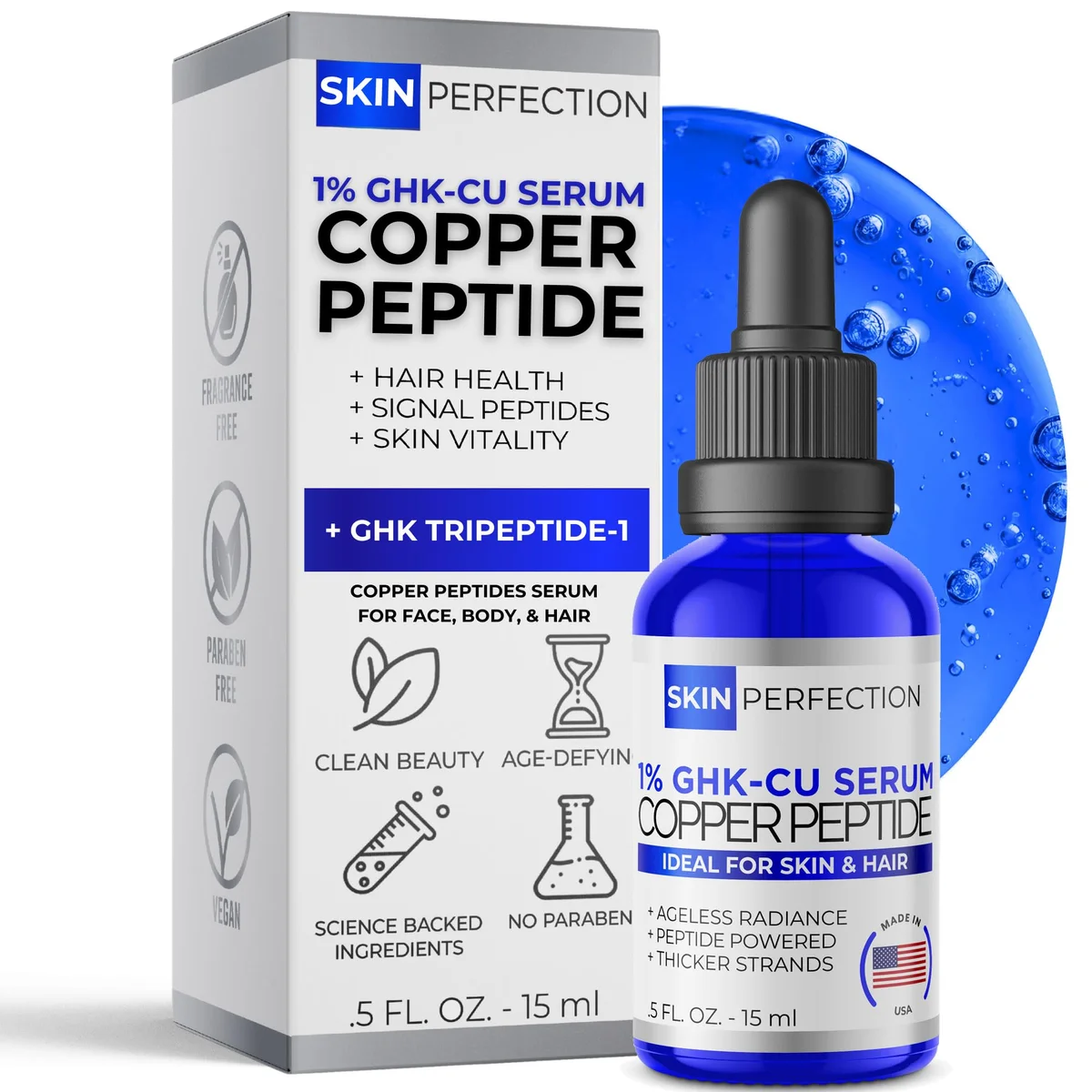
GHK-Cu is the strongest compound in this stack on evidence quality alone - it's the only one with multiple small human RCTs, decades of published mechanistic research dating back to 1973, and a reasonably clean preliminary safety profile across topical and in vitro models. The other three compounds are preclinical-only, which makes GHK-Cu the clearest anchor for any researcher building a skin and recovery peptide stack in 2026.
COMPARISON
BPC-157 vs GHK-Cu: Two Research Peptides, Two Approaches to Tissue and Skin Repair
BPC-157 and GHK-Cu are two distinct research peptides often compared for tissue repair, but they occupy different evidence positions. GHK-Cu is an endogenous copper-binding tripeptide first isolated from human plasma in 1973, with multiple small human randomized controlled trials supporting its topical dermatological use and documented plasma decline from about 200 ng/mL in young adults to 80 ng/mL by age 60. BPC-157 is a synthetic 15-amino-acid construct derived from human gastric juice protein, supported largely by rodent studies with zero completed human RCTs as of mid-2026. Neither is approved for human therapeutic use.
HOW TO
How to Read a Peptide Certificate of Analysis (COA): A Researcher's Field Guide
A peptide Certificate of Analysis (COA) is a laboratory-issued document reporting identity, purity, and safety testing for a specific batch of compound, answering three questions: is it the right compound, how much is present, and is it safe to handle. Prescription peptides like semaglutide are manufactured under FDA-enforced GMP standards with legally accountable COAs, while research chemicals such as BPC-157 and GHK-Cu carry no mandated COA content, making ISO 17025 laboratory accreditation, HPLC purity, mass spectrometry identity confirmation, and endotoxin testing the key fields researchers must evaluate independently.