
PEPTIDE-PROFILE
MOTS-c: The Mitochondrial-Derived Peptide Research Summary (2026 Evidence Review)
What the current science says about this endogenous metabolic signaling peptide
Last updated: May 1, 2026
Quick Answer
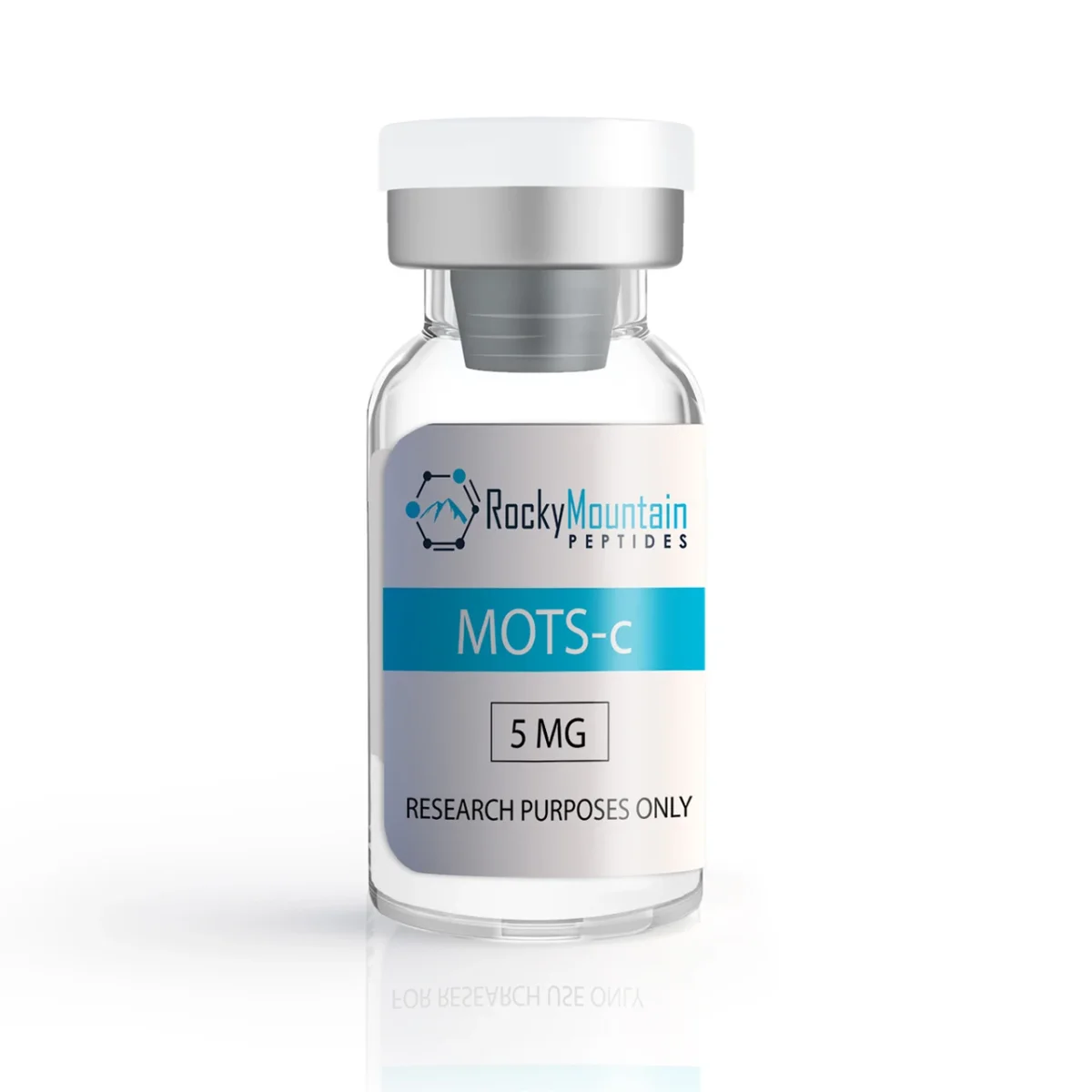
MOTS-c is a 16-amino acid mitochondrial-derived peptide (sequence MRWQEMGYIFYPRKLR) encoded within the 12S rRNA gene of the mitochondrial genome, first described by Lee et al. in a 2015 Cell Metabolism paper. Its proposed mechanism centers on AMPK activation via AICAR accumulation, with animal studies reporting improved insulin sensitivity, reduced fat accumulation, and enhanced endurance in rodent models. As of 2026, MOTS-c remains a research chemical with no FDA, EMA, MHRA, or TGA approval for any indication, and adequately powered human interventional trials have not been published.
Most research peptides are designed in a laboratory and tested against a biological target. MOTS-c is different: it's encoded within the mitochondrial genome itself, expressed from the 12S rRNA gene, and detected in human plasma at measurable concentrations that shift with age, exercise, and metabolic state. That origin doesn't make it a proven therapeutic - the human interventional trial record is still thin - but it does give its biology a kind of baseline credibility that purely synthetic peptides lack.
The central question here isn't whether MOTS-c is interesting. The academic literature has established that it is. The question is where exactly it sits on the evidence spectrum: what's established in animal models, what observational human data suggests, and what hasn't been tested yet in adequately powered randomized controlled trials. The hype around mitochondrial peptides in biohacker communities has outrun the clinical evidence by a significant margin, and this review tries to map that gap honestly.
What follows is a methodology-first summary of published research as of 2026 - covering mechanism, animal-model evidence, preliminary human data, dosing ranges reported in the literature, side effect signals, legal status by region, and sourcing considerations. Nothing here constitutes medical advice or a recommendation for human use. MOTS-c is a research chemical in most jurisdictions and is not approved by the FDA, MHRA, TGA, or EMA for any indication.
Featured Peptides
MOTS-c earns its place as the top - and only - pick in this guide on the strength of its mechanistic credibility and consistent animal-model data, not on human trial evidence that doesn't yet exist at adequate scale. The endogenous mitochondrial origin, AMPK pathway activation, and centenarian observational data give it a more defensible research rationale than most compounds at this price point. That said, the gap between its biological interest and its human interventional evidence base is real, and it's worth understanding before sourcing.
MOTS-c is the subject of this guide and represents the primary research peptide in the mitochondrial-derived peptide class with the most published academic attention and the most developed mechanistic model as of 2025.
What Is MOTS-c? Chemical Identity and Discovery
MOTS-c (Mitochondrial Open Reading Frame of the Twelve S rRNA-c) is a 16-amino acid peptide with the sequence MRWQEMGYIFYPRKLR. Lee et al. first described it in a 2015 paper published in *Cell Metabolism*, identifying it as a bioactive peptide encoded within the mitochondrial 12S ribosomal RNA gene - a genomic region not previously associated with protein-coding sequences.
The molecular weight of MOTS-c is approximately 2,174 daltons. It's water-soluble, relatively short, and classified as a mitochondrial-derived peptide (MDP) - a small but growing category that also includes humanin and SHLP2-6. What distinguishes MOTS-c from most research peptides is its endogenous origin: it's produced by mitochondria, released into the cytoplasm and bloodstream, and detected in human plasma under physiological conditions.
Observational studies have found that circulating MOTS-c levels in humans decline with age, and are altered by exercise and metabolic disease states. That endogenous biology is central to the research rationale.
---
Mechanism of Action: AMPK Activation, Insulin Sensitization, and the Mitochondrial Genome Connection
The proposed mechanism of MOTS-c centers on AMPK (AMP-activated protein kinase), a master regulator of cellular energy homeostasis. Research suggests the following chain of events:
1. MOTS-c is translated within mitochondria and translocates to the cytoplasm and nucleus.
2. It modulates the folate cycle and methionine metabolism, leading to accumulation of AICAR (5-aminoimidazole-4-carboxamide ribonucleotide) - a known endogenous AMPK activator.
3. AMPK activation in turn promotes glucose uptake, fatty acid oxidation, and mitochondrial biogenesis.
4. The net metabolic effect in animal models includes improved insulin sensitivity, reduced fat accumulation, and enhanced physical endurance.
Beyond AMPK-mediated effects, research published in 2019 and 2021 suggests MOTS-c translocates to the nucleus during stress and interacts directly with nuclear gene expression, including genes involved in inflammation and oxidative stress response. This nucleus-targeting behavior is unusual for a mitochondrially-encoded peptide and has generated real academic interest.
The AMPK pathway is well-validated as a target in metabolic disease research - it's the downstream target of metformin, for context. That gives MOTS-c's proposed mechanism a degree of biological plausibility that isn't in dispute, even where human outcome data is limited.
---
Evidence Summary: Animal Studies, Human Observational Data, and Preliminary Interventional Research
Animal Studies (Strongest Evidence Tier for MOTS-c)
The bulk of MOTS-c's mechanistic and efficacy evidence comes from rodent models. Key findings include:
- Insulin sensitivity and metabolic regulation: The original 2015 Lee et al. study in *Cell Metabolism* found that MOTS-c administration in mice on a high-fat diet reduced weight gain, improved insulin sensitivity, and increased glucose uptake in skeletal muscle. These effects were AMPK-dependent.
- Physical performance: Animal studies have reported improvements in exercise endurance following MOTS-c administration, with proposed mechanisms involving skeletal muscle metabolism and mitochondrial function.
- Aging and lifespan: Studies in aged mouse models have reported improvements in physical function and metabolic markers. A 2021 study in middle-aged mice reported that MOTS-c treatment partially reversed age-associated metabolic decline.
- Inflammation: Preliminary animal data suggests anti-inflammatory signaling effects, including reduced inflammatory cytokine expression under stress conditions.
Cross-species consistency across rodent models adds some confidence to the mechanistic findings, but translation from rodent metabolism to human metabolism is imperfect - particularly for compounds acting on energy sensing pathways that differ meaningfully between species.
Human Observational Data (Moderate Interest, Not Interventional)
Human evidence for MOTS-c is primarily observational:
- A study examining centenarian populations found that specific variants in the mitochondrial 12S rRNA gene - the same region that encodes MOTS-c - were associated with longevity. That's associative, not causal, but it adds biological plausibility.
- Circulating MOTS-c levels have been found to be lower in older adults and in individuals with type 2 diabetes compared to younger or metabolically healthy controls. Whether lower MOTS-c is a cause or consequence of metabolic dysfunction hasn't been established.
- Exercise has been shown to acutely increase circulating MOTS-c in human subjects, suggesting it participates in the endocrine response to physical activity - a finding that parallels its role in animal exercise studies.
Preliminary Interventional Research in Humans
As of 2026, large-scale human randomized controlled trials (RCTs) for MOTS-c don't exist in the published literature. Preliminary human data is limited to small-scale pilot work and case reports in specialized research contexts. ClinicalTrials.gov listings for MOTS-c have been sparse, and no Phase II or Phase III trials have completed and published results at the time of this review.
This is the central limitation of the compound: the mechanistic story is credible, the animal data is consistent, the observational human data is intriguing - but the interventional human evidence hasn't been generated at a scale that supports clinical conclusions.
---
Dosing in Research Contexts: Ranges Reported in Published Literature
> Disclaimer: The dosing information below is drawn exclusively from published preclinical and preliminary research literature. It's not a clinical recommendation, and MOTS-c is not approved for human use in any jurisdiction reviewed in this guide. This information is provided for educational and research contextualization only.
In mouse studies, effective doses have typically ranged from 0.5 mg/kg to 15 mg/kg, administered via subcutaneous or intraperitoneal injection. The 5 mg/kg range appears most commonly in metabolic outcome studies.
Human-equivalent dose extrapolation using standard body surface area conversion (FDA allometric scaling) would suggest much lower mg/kg values in humans - but this calculation hasn't been validated in human trials for MOTS-c specifically, and direct extrapolation from rodent dosing carries known limitations.
Preliminary human self-report data circulating in research communities (not peer-reviewed) references doses in the range of 5 mg to 10 mg per injection, administered subcutaneously, on varying schedules. These self-reports are anecdotal, not peer-reviewed, and shouldn't be interpreted as established safe or effective dosing ranges.
MOTS-c requires reconstitution with bacteriostatic water prior to use and should be stored frozen beforehand. Stability post-reconstitution is limited; proper cold-chain handling is essential to prevent degradation.
---
Reported Side Effects and Contraindications: What the Current Data Does and Doesn't Establish
What Animal Research Reports
In published animal studies, MOTS-c administration hasn't produced notable adverse findings at doses used in metabolic research contexts. Rodent studies haven't flagged hepatotoxicity, nephrotoxicity, or significant hormonal disruption at reported effective doses.
What Human Data Doesn't Yet Establish
Because controlled human interventional trials are lacking, the human side effect profile of exogenous MOTS-c isn't systematically characterized. The following points represent the honest limits of current knowledge:
- No dose-finding toxicology studies in humans have been published
- No long-term safety data in humans exists
- The consequences of exogenous MOTS-c administration on endogenous MOTS-c production haven't been established
- Drug interaction profiles haven't been studied in human subjects
Anecdotal User Reports
Self-reported side effects in biohacker communities have included injection site reactions (consistent with subcutaneous peptide administration generally), and occasional reports of fatigue or transient changes in energy levels. These reports are unverified, not controlled, and subject to significant confounding given typical polypharmacy in self-experimenting populations.
Contraindications
No formal contraindication list exists for MOTS-c given the absence of human clinical data. General contraindications commonly applied to research peptides - active malignancy, pregnancy, severe hepatic or renal impairment - are cited by researchers as precautionary exclusions, but these aren't evidence-based contraindications specific to MOTS-c.
---
How MOTS-c Compares on the Peptide Evidence Spectrum: From Animal Models to Phase III RCTs
To put MOTS-c's evidence base in context, it helps to place it on a rough spectrum relative to other research peptides:
- Phase III RCT evidence (approved therapeutics): GLP-1 agonists (semaglutide, tirzepatide), insulin analogues
- Phase II human trial evidence: Some BPC-157 analogues in certain indications, TB-500 fragments
- Phase I / preliminary human data: AOD-9604, select growth hormone secretagogues
- Animal model + observational human data (MOTS-c sits here): Consistent cross-species animal results, compelling observational correlations, no completed interventional RCTs
- Animal model only: Many newer synthetic peptides
MOTS-c's position isn't the weakest on this spectrum - its endogenous biology and observational human data set it apart from purely synthetic compounds with no human data at all. But it's materially below the evidence threshold required to support therapeutic claims, and its premium pricing in the research chemical market reflects speculation on future validation more than confirmed human efficacy.
---
Legal Status by Region
United States
MOTS-c is not FDA-approved for any indication. It's not scheduled as a controlled substance under the Controlled Substances Act. It occupies a regulatory gray area as a research chemical - legal to manufacture and sell for laboratory research purposes, but not legal to market for human consumption. The FDA has increased scrutiny of peptide research chemicals in recent years; regulatory status can change.
United Kingdom
MOTS-c is not approved by the MHRA. It's not listed as a controlled substance under the Misuse of Drugs Act. Like the US, it occupies a research-chemical status. Importation for personal use exists in a legal gray area that has seen increased enforcement attention.
European Union
No EMA approval exists. Regulatory status varies by member state. In several EU jurisdictions, unapproved peptides for human use face stricter import enforcement than in the US or UK. Researchers in the EU should consult jurisdiction-specific regulations before sourcing.
Australia
The TGA classifies many research peptides as Schedule 4 (prescription-only) substances when intended for human use. MOTS-c is not TGA-approved. Australian enforcement of research peptide importation has historically been more active than in comparable jurisdictions. Researchers based in Australia should review current TGA scheduling before sourcing.
---
Sourcing Considerations: COA Standards, Vendor Red Flags, and Cold-Chain Requirements
What a Credible COA Should Include
A certificate of analysis from a reputable research peptide supplier should include:
- HPLC purity data - 98% purity is the standard benchmark for research-grade peptides; anything below 95% is a concern
- Mass spectrometry confirmation - confirming the molecular weight matches the target compound (MOTS-c: approximately 2,174 Da)
- Third-party laboratory identification - the testing lab should be named and ideally verifiable; in-house COAs from the vendor carry less weight
- Lot/batch number traceable to the specific product received
- Peptide sequence confirmation where available
Vendor Red Flags
- No COA available, or COA only provided upon request after purchase
- HPLC purity not specified or listed below 95%
- No mass spectrometry data
- No cold-chain shipping (lyophilized peptides should ship with appropriate cold packs; MOTS-c is sensitive to degradation)
- Marketing language making therapeutic or outcome claims (a legal red flag as well as a quality signal)
- No age verification or business verification requirements
Cold-Chain and Storage
Lyophilized MOTS-c powder should be stored at -20C and is generally stable for 12-24 months under proper conditions. Post-reconstitution stability is significantly shorter - typically 4-8 weeks refrigerated at 4C, with some sources recommending single-use aliquots to minimize freeze-thaw degradation. Vendors who ship MOTS-c without cold-chain protection are delivering a product of uncertain integrity regardless of what the COA says.
---
Regulatory Disclaimer and Research Limitations
The content of this guide is for educational and research informational purposes only. MOTS-c is not approved by the FDA, MHRA, EMA, or TGA for human use. Nothing in this guide constitutes medical advice, a treatment recommendation, or encouragement to use MOTS-c or any other research peptide. The evidence reviewed here is drawn from published preclinical and observational research and should be interpreted in that context. Individuals with health conditions should consult qualified medical professionals before making any decisions related to their health.
---
Where to Learn More: PubMed, ClinicalTrials.gov, and Key Research Groups
- PubMed search: Search "MOTS-c peptide" or "mitochondrial open reading frame 12S rRNA" at pubmed.ncbi.nlm.nih.gov for peer-reviewed literature. The Lee et al. 2015 *Cell Metabolism* paper is the foundational reference; following its citations forward is a practical way to track subsequent research.
- ClinicalTrials.gov: Search "MOTS-c" at clinicaltrials.gov for any registered human interventional trials. As of this review, registered trials are limited - checking periodically is a useful way to track whether the evidence base is expanding.
- Key research groups: The Pinchas Cohen group at the University of Southern California has published extensively on mitochondrial-derived peptides including MOTS-c and humanin. Their published work provides the most systematic academic treatment of this compound class.
- The Glenn Foundation for Medical Research has supported aging-related research that intersects with MDP biology and provides useful context on the broader longevity research landscape in which MOTS-c sits.
---
Research Peptide MOTS-c: Full Profile
Best for
Researchers and biohackers with a specific interest in mitochondrial biology, metabolic regulation, or aging mechanisms who want to engage with a compound that has genuine academic traction - not just influencer coverage. This isn't a compound suited to casual or unstructured use given its reconstitution requirements, short post-reconstitution stability, and the absence of human safety data. Its strongest rationale is as a research subject, not a performance optimization tool.
Mechanistic Basis
The AMPK pathway activation via endogenous AICAR accumulation is well-characterized and not speculative. The nuclear translocation behavior under stress conditions adds a layer of complexity that makes MOTS-c more scientifically interesting than many simpler research peptides. The endogenous origin - mitochondrial genome encoding - is the single most important differentiator from synthetic research peptides in terms of baseline biological credibility.
Evidence Profile
Animal data is consistent across multiple studies and multiple metabolic outcomes. Human observational data on centenarian genetics and circulating levels with age and exercise is supportive but not interventional. Human RCT data doesn't exist at meaningful scale. That's the honest summary, and it can't be papered over.
Performance in Research Contexts
Lyophilized presentation requires reconstitution, which limits convenience relative to oral or nasal peptides. Short half-life (estimated in hours based on pharmacokinetic modeling; not definitively characterized in humans) implies frequent dosing schedules in research contexts. The cold-chain requirement adds logistical complexity worth factoring in before sourcing.
Price and Value Assessment
MOTS-c is priced at the premium end of the research peptide market, typically ranging from $40 to $120+ per vial depending on dosage and supplier. Given that human interventional evidence is preliminary and unreplicated, the premium pricing reflects demand driven by biological novelty and academic interest rather than established clinical outcomes. Price-check against COA quality rather than assuming a higher price means higher purity.
Tips
- 1.Before sourcing, request the full COA including both HPLC purity (minimum 98%) and mass spectrometry molecular weight confirmation. If a vendor can't provide both, move on - regardless of price or reputation claims.
- 2.Cross-reference any MOTS-c vendor against PubMed author affiliations: legitimate research supply companies are occasionally referenced in methods sections of published studies, which gives you independent verification of their existence and quality standards beyond their own marketing.
- 3.Aliquot reconstituted MOTS-c into single-use quantities immediately after reconstitution to avoid repeated freeze-thaw cycles. Freeze-thaw degradation is faster than most people expect and meaningfully affects research data quality - it's a practical step worth the extra few minutes.
The Bottom Line
MOTS-c occupies a genuinely unusual position in the research peptide landscape: endogenously encoded, mechanistically credible, and backed by consistent animal data - but still lacking the human interventional trial record that would justify confidence in its effects in people. For researchers focused on mitochondrial biology, metabolic regulation, or aging mechanisms, it's the most scientifically grounded compound in its class to study, provided sourcing is rigorous, COAs are verified, and the gap between animal-model evidence and human clinical evidence isn't rationalized away. A score of 62/100 reflects exactly that: high biological interest, moderate cross-species evidence, and a human trial record the scientific community hasn't filled in yet.
Frequently Asked Questions
What is MOTS-c and where does it come from?
How does MOTS-c work mechanically — what does the research say?
Is there human trial evidence for MOTS-c, or is the research only in animals?
What is the legal status of MOTS-c in the US, UK, and Australia?
What dosing ranges appear in MOTS-c research studies?
What side effects or safety concerns have been reported with MOTS-c?
Related Guides
STACK
The Longevity Stack: How Epithalon, MOTS-c, and Thymosin Alpha-1 Are Studied Together
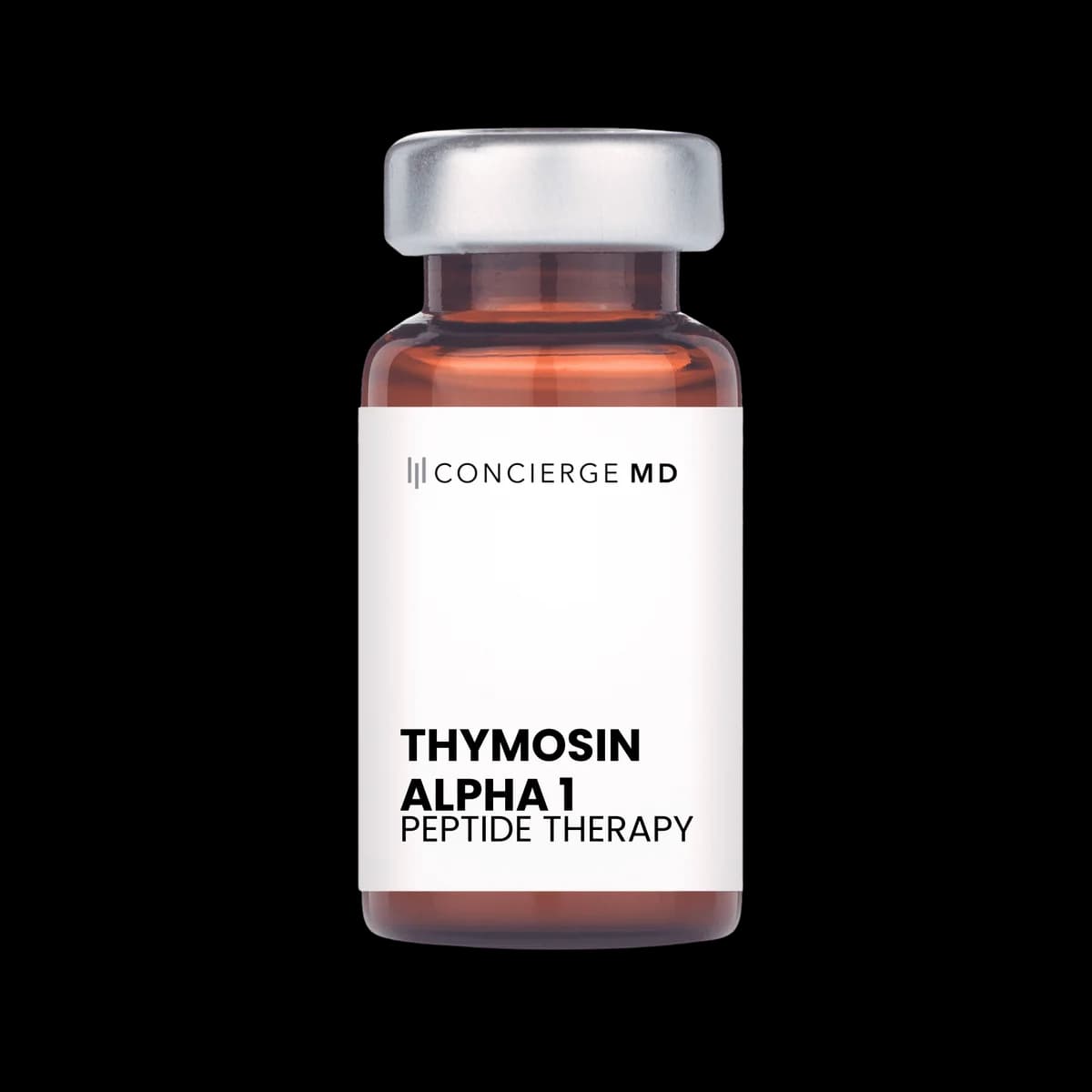
The longevity peptide stack pairing Epithalon, MOTS-c, and Thymosin Alpha-1 is a research-only combination targeting three distinct hallmarks of aging: telomere attrition, mitochondrial dysfunction, and immunosenescence, respectively. None of the three compounds carry FDA, MHRA, or TGA approval for human administration, and the evidence base is highly uneven—Thymosin Alpha-1 has decades of clinical RCT data, MOTS-c has solid mechanistic and animal research with emerging human studies, and Epithalon's literature, though substantial in volume, originates largely from a single Russian research group (the Khavinson laboratory) with limited independent Western replication.
CATEGORY-OVERVIEW
Peptides Studied for Fat Loss: GLP-1 Agonists, Mitochondrial Approaches, and Beyond (2026 Research Overview)

Prescription tirzepatide (Mounjaro / Zepbound) is the strongest-evidenced compound in this category by a significant margin. Phase III RCT data from SURMOUNT-1 shows up to ~21% mean body weight reduction at the 15mg dose, a signal no research chemical or investigational agent has come close to replicating in controlled human trials at scale. It's also legally accessible via prescription in all major markets, which puts it in a completely different category from the unregulated research chemicals covered elsewhere in this guide.
STACK
Peptide Stacks for Body Recomposition: How Researchers Combine GH-Axis, GLP-1, and Mitochondrial Compounds (2026 Research Guide)

For researchers building a GH-axis protocol with the strongest available human trial data, MK-677 (Ibutamoren) is the most defensible starting point - it's one of the only research chemicals in this class with completed double-blind, placebo-controlled human trials, oral administration, and documented GH/IGF-1 elevation. The insulin sensitivity impairment documented in those same trials, though, makes it a poor fit for any protocol layered with metabolic agents unless that interaction is explicitly part of the research question.