
CATEGORY-OVERVIEW
Peptides Studied for Fat Loss: GLP-1 Agonists, Mitochondrial Approaches, and Beyond (2026 Research Overview)
A methodology-first look at the evidence tiers separating approved drugs from research chemicals
Last updated: May 1, 2026

Quick Answer
Prescription tirzepatide (Mounjaro / Zepbound) is the strongest-evidenced compound in this category by a significant margin. Phase III RCT data from SURMOUNT-1 shows up to ~21% mean body weight reduction at the 15mg dose, a signal no research chemical or investigational agent has come close to replicating in controlled human trials at scale. It's also legally accessible via prescription in all major markets, which puts it in a completely different category from the unregulated research chemicals covered elsewhere in this guide.
Fat-loss peptide content has a persistent accuracy problem. Semaglutide - an FDA-approved prescription drug with tens of thousands of patient-years of safety data - gets lumped in with AOD-9604, a discontinued GH fragment with a handful of Phase II trials from the early 2000s, or 5-Amino-1MQ, a small-molecule NNMT inhibitor with zero published controlled human data. That conflation isn't just intellectually sloppy. It's genuinely dangerous, because it implies equivalence of evidence where none exists.
This guide uses an explicit evidence stratification framework - five tiers, organized by the quality and quantity of human clinical evidence - to make sure every compound gets evaluated on its actual proof basis, not on marketing copy or biohacker forum consensus. Tier 1 covers FDA/EMA-approved prescription agents with Phase III RCT data. Tier 5 covers compounds where the published human evidence is essentially absent. Readers can navigate to whichever tier is relevant to their research with a clear picture of what they're actually looking at.
Nothing in this guide constitutes medical advice. The Tier 1 compounds (semaglutide, tirzepatide, retatrutide) are prescription drugs or investigational agents - not research chemicals - and should only be accessed through appropriate clinical or prescription pathways. Compounds in Tiers 3 through 5 are sold as research chemicals, aren't approved for human consumption in most jurisdictions, and carry legal and safety profiles that vary significantly by region. The global disclaimer banner on this site applies to every section that follows.
Featured Peptides

Tirzepatide sits unambiguously at the top of the fat-loss peptide evidence hierarchy - not by a narrow margin. SURMOUNT-1 Phase III data showing approximately 21% mean body weight reduction at 15mg is the strongest controlled-trial signal published for any weight-management intervention, and the legitimate prescription access pathway removes the sourcing uncertainty that defines every other compound in this category. The cost barrier and GI side effect burden during escalation are real limitations, but they're limitations within a context of exceptional clinical validation.
Represents the Tier 1 evidence ceiling for the entire fat-loss peptide category. No other compound in the guide comes close to its combination of RCT scale, regulatory approval, and legitimate access pathway.
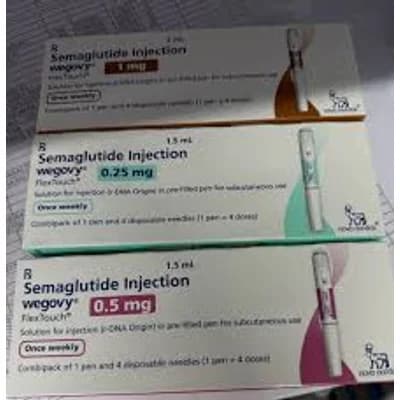
Semaglutide is the most comprehensively studied weight-management pharmaceutical in existence by volume of trial data, and the SELECT trial's cardiovascular mortality benefit puts it in a different category from purely cosmetic interventions. The cost barrier and rebound weight regain upon discontinuation are well-documented limitations that the evidence base itself surfaces - which is a mark of evidence quality, not a reason to dismiss the compound.
The only compound in this guide with both weight-management approval and demonstrated cardiovascular mortality benefit in a large outcomes trial - a clinically differentiated profile from everything else covered here.
Retatrutide's Phase 2 NEJM data showing approximately 24% mean body weight reduction is a genuinely remarkable signal, and its triple-receptor mechanism is meaningfully differentiated from approved agents. But the complete absence of a legal access pathway outside clinical trials means readers can't act on this information practically, and any commercially available product sold under this name can't be verified as the authentic compound.
Represents the current leading edge of the clinical development pipeline for incretin-class agents - relevant for readers tracking where the evidence is heading, not where it currently sits.
MOTS-c has a genuinely interesting mechanistic story and consistent animal data, and its endogenous origin gives it a biologically coherent rationale. The evidence gap between the animal literature and published controlled human interventional trials is the central limitation, and premium pricing relative to that gap is a fair concern for researchers evaluating cost-to-evidence ratio.
Represents the most scientifically credible compound in the mitochondrial research chemical tier, with published academic literature that distinguishes it from purely anecdotal compounds.
AOD-9604's Phase II human trial history makes it more evidenced than most GH-fragment research chemicals, but the discontinuation of Phase III development is a meaningful signal - controlled trials didn't demonstrate the efficacy magnitude needed for commercial viability. The TGA Schedule 4 classification creates real legal risk for Australian researchers that shouldn't be underestimated.
One of the few Tier 5 compounds with actual Phase II human trial data. Its discontinued development history is a useful case study in how evidence thresholds work in pharmaceutical development.
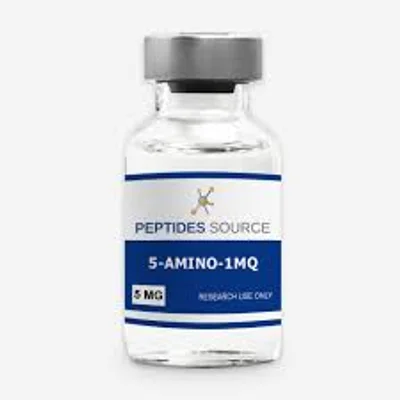
5-Amino-1MQ is technically a small molecule, not a peptide, and its miscategorization in vendor labeling is itself a sourcing red flag. The 2019 Nature Communications mouse study provides a credible mechanistic anchor, but zero published controlled human data and an entirely uncharacterized long-term safety profile in humans puts this at the lowest-confidence tier in this guide.
Frequently appears in fat-loss peptide discussions and illustrates a pattern where mechanistic plausibility gets overstated relative to the absence of human clinical evidence.
Disclaimer and Regulatory Framing: Why Evidence Tier Matters Before Anything Else
This guide covers compounds that span an enormous range of regulatory status and clinical validation. Some are FDA-approved prescription drugs studied in trials enrolling thousands of participants. Others are research chemicals with no published human trial data whatsoever. Treating these categories as equivalent - as much popular peptide content does - misrepresents the state of the science and creates real risk for readers who might use that framing to make sourcing or dosing decisions.
The compounds covered here are not interchangeable. The legal obligations, safety profiles, and evidence bases differ by tier in ways that actually matter. This guide tries to make those differences explicit at every step.
> Regulatory disclaimer: This content is published for educational and research-tracking purposes only. It does not constitute medical advice, and nothing here should be interpreted as a recommendation to use any compound described. GLP-1 agonists and related prescription agents must be accessed through licensed medical providers. Research chemicals in Tiers 3-5 are not approved for human consumption in most jurisdictions. Consult a qualified healthcare provider before making any decision related to the compounds discussed.
---
How This Guide Is Organized: The Evidence Stratification Framework
Each compound is assigned to one of five tiers based on the quality, quantity, and reproducibility of available human evidence:
- Tier 1: FDA/EMA-approved or Phase III-completed agents with large-scale RCT data
- Tier 2: Prescription peptides with narrower or off-label fat-loss relevance and smaller human evidence bases
- Tier 3: GH secretagogues with some human data, primarily sold as research chemicals
- Tier 4: Mitochondrial and metabolic research chemicals with primarily animal-model data
- Tier 5: Minimally evidenced compounds with proposed lipolytic or GH-adjacent activity
Within each tier, compounds are assessed on mechanism, human evidence quality, legal status, side effect profile, and sourcing considerations. Tier placement is determined by evidence, not by commercial availability or popularity.
---
Tier 1 - FDA/EMA-Approved Prescription GLP-1 and Dual/Triple Agonists
Prescription Tirzepatide (Mounjaro / Zepbound) - Score: 94/100
Best for: Patients with obesity or type 2 diabetes seeking the strongest available evidence-based pharmacological intervention for weight management, accessed through a licensed prescriber.
Tirzepatide is a dual GIP/GLP-1 receptor agonist developed by Eli Lilly, approved by the FDA as Mounjaro (type 2 diabetes, 2022) and Zepbound (chronic weight management, 2023). It currently represents the ceiling of clinically validated fat-loss pharmacology.
Mechanism: Tirzepatide activates both glucose-dependent insulinotropic polypeptide (GIP) and glucagon-like peptide-1 (GLP-1) receptors. The GIP component appears to contribute additive effects on satiety, insulin secretion, and potentially adipocyte metabolism that single-receptor GLP-1 agonists don't capture. Whether GIP agonism is the primary driver of tirzepatide's superior weight-loss signal is still an active research question.
Human Evidence: The SURMOUNT-1 trial (n=2,539, published in NEJM 2022) reported mean body weight reductions of approximately 15%, 19.5%, and 20.9% at 5mg, 10mg, and 15mg doses respectively over 72 weeks, versus approximately 3.1% for placebo. These were the largest weight-loss signals ever reported in a Phase III pharmaceutical RCT at time of publication. The SURMOUNT-4 trial further demonstrated significant weight regain upon discontinuation, which has meaningful implications for thinking about treatment duration.
Pros:
- Strongest published weight-reduction signal of any peptide or drug class in controlled trials - approximately 21% mean body weight loss at 15mg in SURMOUNT-1
- Dual GIP/GLP-1 mechanism appears to outperform single-receptor GLP-1 agonists on key metabolic endpoints in head-to-head data
- Full Phase III RCT evidence base with tens of thousands of patient-years of safety data
- Legitimate prescription access pathway exists in all major markets
Cons:
- List price without insurance ($1,000-$1,350/month in the US) is prohibitive for most people; insurance coverage remains inconsistent, particularly for the obesity indication
- Gastrointestinal side effects during dose escalation are common and lead to discontinuation in a meaningful subset of trial participants
- Black box warning for thyroid C-cell tumors based on rodent studies; contraindicated in patients with personal or family history of MEN2 or medullary thyroid carcinoma
Legal Status: FDA-approved prescription drug (US); EMA-approved (EU/UK); TGA-approved (AU). Must be obtained through a licensed prescriber. Sourcing from research-chemical vendors is strongly discouraged and likely involves counterfeit product.
---
Prescription Semaglutide (Ozempic / Wegovy) - Score: 91/100
Best for: Patients seeking a well-characterized, twice-approved GLP-1 agonist with the deepest long-term safety dataset and expanding cardiovascular indications, accessed via prescription.
Semaglutide is a GLP-1 receptor agonist developed by Novo Nordisk, approved as Ozempic (type 2 diabetes), Wegovy (chronic weight management), and Rybelsus (oral formulation for type 2 diabetes). It's the most studied weight-management pharmaceutical in existence by volume of trial data.
Mechanism: Semaglutide selectively activates GLP-1 receptors, producing dose-dependent reductions in appetite, slowing of gastric emptying, and glucose-dependent insulin secretion. Its extended half-life (approximately 7 days) enables once-weekly dosing.
Human Evidence: The STEP program (STEP 1-5) enrolled over 4,500 participants across multiple trials. STEP 1 (n=1,961, NEJM 2021) reported approximately 14.9% mean body weight reduction at 2.4mg semaglutide versus 2.4% for placebo over 68 weeks. The SELECT trial (n=17,604, NEJM 2023) demonstrated a 20% reduction in major adverse cardiovascular events in patients with established cardiovascular disease and obesity, without diabetes - a clinically significant finding that extends semaglutide's relevance well beyond weight management.
Pros:
- Among the most robustly evidenced weight management interventions ever studied, with multiple large Phase III RCTs
- Dual regulatory approval for glycemic control and chronic weight management, with cardiovascular mortality benefit established in SELECT (2023)
- Once-weekly subcutaneous dosing; oral formulation available for patients who prefer to avoid injections
- Cardiovascular mortality benefit distinguishes this from purely cosmetic weight-loss interventions
Cons:
- List price often exceeds $1,300/month without insurance
- Significant rebound weight regain has been reported in research upon discontinuation
- GI side effect burden during titration causes meaningful dropout rates; black box warning for medullary thyroid carcinoma based on rodent studies
Legal Status: FDA-approved, EMA-approved, TGA-approved. Prescription only in all major markets. Compounded semaglutide has been available in the US through 503A/503B pharmacies during shortage periods, but the FDA's regulatory position on this pathway was evolving as of mid-2025. Sourcing from research-chemical vendors is not a legitimate access pathway and is strongly discouraged.
---
Prescription Retatrutide - Score: 82/100
Best for: Researchers tracking the clinical development pipeline for next-generation incretin-class agents; not accessible outside of clinical trials as of 2025.
Retatrutide is an investigational triple GLP-1/GIP/glucagon receptor agonist developed by Eli Lilly, currently in Phase III development. It's not approved in any jurisdiction and isn't legally accessible outside of clinical trials.
Mechanism: Retatrutide's glucagon receptor agonism component is the key mechanistic differentiator from tirzepatide and semaglutide. Glucagon receptor activation increases energy expenditure and hepatic fat metabolism, theoretically addressing a pathway that GLP-1-only or GLP-1/GIP agents don't directly engage. Whether this translates to additive weight loss beyond the GIP/GLP-1 combination at equivalent tolerability remains to be established in Phase III.
Human Evidence: A Phase 2 RCT (n=338, published in NEJM 2023) reported approximately 24.2% mean body weight reduction at the maximum dose (12mg) over 48 weeks - the largest Phase 2 weight-loss signal published for any incretin-class agent at the time. That places retatrutide meaningfully above semaglutide and tirzepatide in Phase 2 data, though cross-trial comparisons carry significant methodological caveats.
Pros:
- Strongest Phase 2 weight-loss signal of any incretin-class agent published to date
- Triple-receptor mechanism addresses energy expenditure via glucagon agonism, mechanistically differentiated from approved agents
- NEJM-published Phase 2 RCT data (n=338) puts it well above the animal-model tier
- Once-weekly dosing with structured escalation protocol
Cons:
- Not approved or legally accessible outside of clinical trials; any commercially available "retatrutide" cannot be verified as authentic Eli Lilly compound
- Glucagon receptor agonism introduces cardiovascular (tachycardia) and glycemic risks not present in GLP-1-only agents, with incomplete long-term safety data
- No compounding pharmacy or telehealth pathway exists; access is strictly clinical-trial-gated
Legal Status: Investigational in all jurisdictions. Not available via prescription, compounding, or telehealth. Research-chemical sourcing of any compound sold as retatrutide carries unverifiable identity and purity risks, in addition to the absence of a legal access pathway.
---
Tier 1 Deep Dive: Mechanism of Action Across GLP-1, GIP, and Glucagon Receptor Axes
Understanding how these three receptor systems interact matters for reading the evidence correctly.
GLP-1 receptor agonism produces satiety signaling in the hypothalamus and brainstem, slows gastric emptying, and stimulates glucose-dependent insulin secretion. It also has direct effects on adipose tissue, though the magnitude of these peripheral effects relative to central appetite suppression is still debated.
GIP receptor agonism adds incremental satiety signaling and appears to modulate GLP-1's effects on fat storage and expenditure. In isolation, GIP agonism has shown relatively modest weight-loss effects in some models, which is part of why tirzepatide's superiority over GLP-1 agonists alone generated significant scientific interest - it suggests a meaningful synergy between the two pathways.
Glucagon receptor agonism, as incorporated in retatrutide, directly increases energy expenditure by activating hepatic fat oxidation and thermogenic pathways. It also raises blood glucose, which is why glucagon agonism in isolation would be counterproductive metabolically. The triple-agonist approach attempts to use GLP-1 and GIP co-agonism to offset the glycemic risk of glucagon activation while capturing its energy-expenditure benefit.
---
Tier 1 Deep Dive: What the Phase III RCT Data Actually Shows
SURMOUNT-1 (Tirzepatide)
Published in NEJM (2022). n=2,539 adults with obesity (BMI 30+) or overweight with weight-related comorbidities, without diabetes. Primary endpoint: percentage change in body weight at 72 weeks. Results: -15.0% (5mg), -19.5% (10mg), -20.9% (15mg) versus -3.1% placebo. Approximately 37% of participants in the 15mg group achieved 25% or greater weight loss. These are pre-specified primary endpoints in a blinded RCT, not observational data.
STEP 1 (Semaglutide)
Published in NEJM (2021). n=1,961 adults with obesity or overweight with comorbidities, without diabetes. Primary endpoint: percentage change in body weight at 68 weeks. Result: -14.9% (2.4mg semaglutide) versus -2.4% placebo. 86.4% of semaglutide participants achieved at least 5% weight loss versus 31.5% placebo.
SELECT (Semaglutide)
Published in NEJM (2023). n=17,604 adults with established cardiovascular disease, BMI 27+, without diabetes. Primary endpoint: major adverse cardiovascular events. Result: 20% relative risk reduction in three-point MACE (cardiovascular death, non-fatal MI, non-fatal stroke). This is the trial that shifted semaglutide from a weight-management drug to a cardiovascular intervention.
Phase 2 Retatrutide (NEJM, 2023)
n=338 adults with obesity, 48 weeks. Mean weight reduction of 24.2% at 12mg dose. Dose-dependent weight loss observed across all active arms. Phase III trials ongoing as of 2025.
---
Tier 1 Access Pathways: Prescription, Telehealth, Compounding, and Research-Chemical Sourcing
For semaglutide and tirzepatide, three legitimate pathways exist in the US: direct prescription from a physician, telehealth prescribing platforms (including Ro, Hims, Mochi Health, and similar services), and compounded formulations from 503A/503B-registered pharmacies (the availability of this route depends on FDA shortage status and evolving policy as of 2025).
Telehealth pathway: Several platforms offer GLP-1 prescribing after an asynchronous or synchronous consultation. Pricing varies; some platforms bundle medication cost. This is a legitimate access pathway, though the quality of medical oversight varies significantly by platform. Verify that any telehealth provider requires actual clinical assessment, not just a checkbox questionnaire.
Compounding pathway: During active FDA shortage listings, 503A and 503B compounding pharmacies could legally produce semaglutide and tirzepatide. The FDA's position on this pathway was being litigated and revised as of mid-2025. Readers interested in this route should verify current shortage status and FDA guidance before proceeding.
Research-chemical sourcing of GLP-1 agonists: strongly discouraged. Semaglutide and tirzepatide synthesized outside of licensed pharmaceutical manufacturing have no verified identity, purity, or sterility. The clinical trial safety data doesn't transfer to research-chemical versions of these compounds. This isn't a gatekeeping position - it's a statement about the limits of what that data actually covers.
Retatrutide has no legitimate access pathway outside of clinical trial enrollment. ClinicalTrials.gov lists active Phase III studies.
---
Tier 2 - Prescription Peptides With Narrower or Off-Label Fat-Loss Relevance: Tesamorelin and the GHRH Analog Class
Tesamorelin (Egrifta) is a synthetic GHRH analog approved by the FDA for HIV-associated lipodystrophy - specifically, visceral fat accumulation in patients receiving antiretroviral therapy. It's not approved for general fat loss.
Human evidence: Multiple RCTs support its efficacy for the approved indication, with visceral adipose tissue reductions of approximately 15-18% reported in key trials. Its use outside the approved indication is off-label, and the evidence for general-population fat loss is substantially weaker than for the lipodystrophy indication.
Legal status: Prescription drug (US, Canada). Not widely approved in EU or AU for this indication. Off-label prescribing is legal but uncommon outside of HIV medicine contexts.
Tesamorelin isn't covered as a featured product in this guide but is included for framework completeness. Readers researching GHRH analogs should know that tesamorelin represents the approved ceiling of this class, and the GH secretagogue research chemicals in Tier 3 operate with substantially thinner human evidence.
---
Tier 3 - GH Secretagogues as Research Tools: CJC-1295, Sermorelin, Ipamorelin, GHRP-2, Hexarelin, and MK-677
GH secretagogues are compounds that stimulate endogenous GH release rather than administering exogenous GH directly. The class includes GHRH analogs (CJC-1295, sermorelin), GHRP-class peptides (ipamorelin, GHRP-2, hexarelin), and the non-peptide ghrelin mimetic MK-677.
Mechanism: These compounds act at the pituitary and hypothalamic level to increase GH pulse amplitude or frequency. Elevated GH promotes lipolysis (fat mobilization) and lean mass preservation, which is the basis for their proposed body-composition relevance. However, GH's metabolic effects are complex and dose-dependent, and the relationship between secretagogue-induced GH elevation and meaningful body composition change in humans is less straightforward than animal models suggest.
Human evidence: Sermorelin has some Phase III human data from its earlier pharmaceutical development (it was previously FDA-approved for pediatric GH deficiency, later withdrawn for commercial rather than safety reasons). MK-677 has been studied in Phase II trials for various indications. CJC-1295 and ipamorelin have limited peer-reviewed human trial data in the body-composition context. GHRP-2 and hexarelin have primarily mechanistic human data demonstrating GH secretion rather than body-composition outcomes data.
Legal status: These compounds aren't approved for human use in any major jurisdiction (sermorelin is technically FDA-approved as a diagnostic agent, but not for body composition). They're sold as research chemicals in most markets. Australian researchers should note that several peptides in this class, including CJC-1295 and ipamorelin, are explicitly listed as Schedule 4 substances by the TGA, creating meaningful legal risk.
No featured products from this guide sit in Tier 3. Readers researching this class are directed to PubMed searches for the individual compound names paired with "body composition" and "randomized controlled trial" to assess current evidence.
---
Tier 3 Evidence Audit: What Human Data Exists for Secretagogue-Mediated Body Composition Effects
The honest summary of Tier 3 human evidence: thin, mixed, and frequently confounded.
MK-677 has the most robust human data in this class. A 2-year RCT published in the Journal of Clinical Endocrinology and Metabolism (n=65 elderly adults, 2008) showed increased lean body mass but no significant change in fat mass versus placebo. A trial in obese males (Murphy et al.) showed increased IGF-1 and GH but inconsistent fat-loss signals. The body-composition evidence for MK-677 in non-deficient populations isn't compelling by Phase III standards.
Sermorelin has some Phase III-adjacent data from its diagnostic use era, but published body-composition RCTs in healthy or obese populations are limited.
For CJC-1295, ipamorelin, GHRP-2, and hexarelin as standalone agents in body-composition contexts, published controlled human trial evidence is sparse to absent. Most citations in user-facing content trace back to mechanistic studies demonstrating GH secretion, not to controlled body-composition outcomes trials.
Animal models for this class are more numerous and generally show consistent GH-mediated body-composition effects. The translation to humans - particularly at doses achievable with research-chemical formulations of variable purity - can't be assumed.
---
Tier 4 - Mitochondrial and Metabolic Pathway Research Chemicals: SS-31 (Elamipretide), MOTS-c, and 5-Amino-1MQ
Research Peptide MOTS-c - Score: 62/100
Best for: Researchers with a specific interest in mitochondrial biology, insulin sensitivity, and metabolic aging who understand that human interventional data is preliminary.
MOTS-c (mitochondrial open reading frame of the 12S rRNA type-c) is a 16-amino-acid peptide encoded within mitochondrial DNA, first described in 2015. It's an endogenous peptide - meaning it's naturally produced in human cells - though concentrations appear to vary with age and metabolic status.
Mechanism: Research suggests MOTS-c activates AMPK (AMP-activated protein kinase) signaling and regulates one-carbon metabolism in a way that affects glucose utilization and fat oxidation. Published animal data shows effects on insulin sensitivity, exercise capacity, and adiposity. The AMPK pathway is well-characterized; the open question is whether exogenous MOTS-c administration produces meaningful target engagement and downstream effects in humans at practically achievable doses.
Human Evidence: A study of centenarians published in Cell Metabolism (Zhu et al.) found elevated circulating MOTS-c in long-lived individuals compared to younger controls, suggesting an association with longevity biology. A 2023 study (Kim et al.) examined MOTS-c levels in the context of exercise. Published interventional RCTs in humans for metabolic or fat-loss endpoints are not yet available in the peer-reviewed literature as of 2025. Human data is associational or mechanistic, not interventional at scale.
Animal Evidence: Mouse models show consistent metabolic benefits including reduced adiposity, improved insulin sensitivity, and enhanced physical performance when MOTS-c is administered exogenously. Cross-species consistency across rodent studies provides reasonable mechanistic plausibility.
Pros:
- Well-established mechanistic rationale via AMPK pathway
- Naturally occurring endogenous peptide
- Consistent animal data across multiple published studies
- Growing academic research interest, including centenarian population data
Cons:
- No published controlled human interventional trials for fat-loss or metabolic endpoints
- Premium pricing relative to thin human-trial evidence
- Short estimated half-life and reconstitution requirement limit practical research utility
Legal Status: Research chemical in all major jurisdictions. Not approved for human use. No prescription pathway exists.
---
Research Peptide 5-Amino-1MQ - Score: 42/100
Best for: Researchers specifically interested in NNMT inhibition as a metabolic target; should be understood as a very early-stage research tool with no human trial evidence.
A note on classification: 5-Amino-1MQ is technically a small-molecule quinolinium compound, not a peptide. It's frequently miscategorized as a peptide by vendors and in user communities. This guide includes it because it appears regularly in fat-loss peptide research discussions and the miscategorization itself is worth correcting.
Mechanism: 5-Amino-1MQ selectively inhibits nicotinamide N-methyltransferase (NNMT), an enzyme that metabolizes NAD+ precursors (specifically via 1-methylnicotinamide synthesis). NNMT is expressed in adipose tissue and other organs; higher NNMT activity has been associated with obesity and metabolic dysfunction in some research contexts. Inhibiting NNMT is proposed to increase NAD+ bioavailability and shift metabolic activity in adipocytes toward energy expenditure.
Animal Evidence: A 2019 study published in Nature Communications (Hong et al.) showed that NNMT inhibition in diet-induced obese mice reduced adiposity and improved metabolic parameters without apparent toxicity in the study window. This is the primary peer-reviewed anchor for this compound.
Human Evidence: None published in controlled trials as of 2025. All human-context claims are anecdotal and unverified.
Oral delivery is a genuine practical advantage relative to injectable research chemicals, eliminating injection-site risks and compliance barriers. That said, bioavailability data in humans isn't published.
Pros:
- Well-characterized mechanism at the enzymatic level
- Oral delivery route
- Nature Communications 2019 animal study provides a credible mechanistic anchor
- NAD+ pathway interaction relevant to aging biology research
Cons:
- Zero published controlled human trials
- Long-term safety profile entirely unknown; systemic NNMT inhibition consequences across tissue types aren't characterized
- Frequently miscategorized as a peptide - vendor labeling inconsistencies create sourcing confusion
Legal Status: Research chemical. Not scheduled as a controlled substance in most jurisdictions as of 2025, but that's distinct from being approved for human use.
---
Tier 4 Evidence Audit: Separating Mechanistic Plausibility From Clinical Proof in Mitochondrial Peptide Research
Mitochondrial peptides like MOTS-c and SS-31 (elamipretide) represent one of the more scientifically interesting areas in metabolic research. The mechanistic basis - that mitochondrial function is a core determinant of metabolic rate, insulin sensitivity, and aging biology - is well-supported in the scientific literature.
The translation problem is substantial. Demonstrating that exogenous administration of a mitochondria-encoded peptide produces meaningful receptor engagement, adequate tissue distribution, and measurable metabolic outcomes in humans requires controlled human trials. Those trials don't yet exist for MOTS-c in the fat-loss context. The animal-to-human translation rate for metabolic interventions is historically low.
For 5-Amino-1MQ specifically, the 2019 Nature Communications study is real and credible. But a single animal study - regardless of where it's published - doesn't provide a basis for predicting human outcomes. The mechanistic pathway is plausible. The clinical evidence is absent.
Both of these things can be true simultaneously: mechanistic plausibility is worth tracking, and it's not the same as evidence of efficacy.
---
Tier 5 - Minimally Evidenced Compounds With Proposed Lipolytic or GH-Adjacent Activity: AOD-9604
Research Peptide AOD-9604 - Score: 54/100
Best for: Researchers specifically interested in GH-fragment lipolytic mechanisms; the discontinued clinical development history makes this a useful case study in how pharmaceutical-grade efficacy thresholds work.
AOD-9604 is a synthetic peptide corresponding to the C-terminal fragment of human growth hormone (amino acids 176-191), modified with a tyrosine residue. It was developed by Metabolic Pharmaceuticals in Australia and advanced to Phase II human trials for obesity before development was discontinued.
Mechanism: In vitro and animal research suggests AOD-9604 stimulates lipolysis (fat breakdown) through a pathway that doesn't significantly activate IGF-1 production - which is the primary safety concern associated with full-length hGH administration. The proposed mechanism involves beta-3 adrenergic receptor activation in adipocytes, though this isn't fully characterized.
Human Evidence: Phase II trials conducted in Australia examined AOD-9604 for obesity. Published data showed statistically modest fat-loss effects that didn't reach the efficacy thresholds required to justify Phase III investment, and Phase III development was discontinued. This is an important data point: AOD-9604 is one of the few compounds in the lower tiers with any controlled human trial data, but that data ultimately didn't support commercial development.
Pros:
- One of the few GH-fragment peptides with actual Phase II human trial data
- Research suggests separation from IGF-1 stimulation
- Relatively low reported side-effect burden in available trial literature
- Comparatively accessible price point per milligram
Cons:
- Phase III development was discontinued - commercial-grade efficacy thresholds weren't met
- Human evidence base is narrow, dated, and not well-represented in current peer-reviewed literature
- TGA Schedule 4 classification in Australia creates meaningful legal complexity
Legal Status: Schedule 4 (prescription-only) in Australia under TGA regulations, which creates real legal risk for researchers in that jurisdiction. Status varies in other markets but remains unapproved for human use universally.
---
Cross-Tier Comparison: Evidence Quality, Legal Status, and Sourcing Risk at a Glance
| Compound | Tier | Best Human Evidence | Legal Status (US) | Sourcing Risk |
|---|---|---|---|---|
| Tirzepatide | 1 | Phase III RCT (n=2,539) | Prescription drug | Low via prescription; high via research-chemical vendors |
| Semaglutide | 1 | Multiple Phase III RCTs (n=17,604 SELECT) | Prescription drug | Low via prescription; high via research-chemical vendors |
| Retatrutide | 1 | Phase 2 RCT (n=338) | Investigational | Extreme - no legitimate non-trial access |
| AOD-9604 | 5 | Phase II (discontinued) | Research chemical | Moderate-High - no approval, no COA standard |
| MOTS-c | 4 | Associational/mechanistic human data | Research chemical | High - identity verification difficult |
| 5-Amino-1MQ | 4 | None (animal only) | Research chemical | High - frequent miscategorization |
---
Dosing Ranges Reported in Research Contexts (Not Recommendations): A Tier-by-Tier Reference
> Critical disclaimer: The dosing information below is extracted from published research literature for educational purposes only. It does not constitute a dosing recommendation for any compound. Research-chemical dosing in particular can't be safely extrapolated from published data given unverified purity and identity of commercially available products. Consult a licensed medical provider for any prescription medication.
Tirzepatide (SURMOUNT-1): Escalation from 2.5mg weekly starting dose to maintenance doses of 5mg, 10mg, or 15mg weekly subcutaneous injection over a structured titration period.
Semaglutide (STEP trials): Escalation from 0.25mg weekly to target dose of 2.4mg weekly subcutaneous injection over 16-20 weeks. Oral Rybelsus studied at 14mg daily for glycemic indications.
Retatrutide (Phase 2): Escalation from 2mg weekly to doses up to 12mg weekly subcutaneous injection over 24 weeks of titration.
AOD-9604 (Phase II trials): Studies used oral doses ranging from 1mg to 30mg daily; some research contexts have used subcutaneous administration. Published Phase II data used oral dosing.
MOTS-c (animal studies): Mouse studies have used doses of approximately 5mg/kg via intraperitoneal injection. Human-equivalent dose extrapolation from animal data is unreliable and not validated.
5-Amino-1MQ (Nature Communications 2019 mouse study): 50mg/kg oral dosing in mouse model. Human-equivalent extrapolation not validated.
---
Reported Side Effects and Safety Signals Across the Category
Tirzepatide: Nausea, vomiting, diarrhea, and constipation during dose escalation are the most common adverse events in SURMOUNT trials, with 4.3-7.1% of participants discontinuing due to GI events across dose groups. Acute pancreatitis has been reported at low frequency. Hypoglycemia risk in non-diabetic populations is low. Rodent data showing thyroid C-cell tumors informs the black box warning; clinical significance in humans isn't established but warrants the contraindication in high-risk patients.
Semaglutide: Similar GI profile to tirzepatide. SELECT trial showed no significant increase in pancreatic cancer. Retinal complications have been reported in diabetic patients with rapid glycemic improvement. Medullary thyroid carcinoma rodent signal generates the same class-level black box warning.
Retatrutide: GI events similar to class; additionally, tachycardia was reported in Phase 2 at higher doses, consistent with glucagon receptor agonism. This is a differentiated safety signal not present with GLP-1-only agents.
AOD-9604: Phase II data reported generally mild adverse events with no significant IGF-1 elevation. Long-term safety data doesn't exist.
MOTS-c: No systematic human safety data published. Animal studies show no apparent toxicity in study windows.
5-Amino-1MQ: No human safety data. NNMT plays roles in multiple tissue types beyond adipose (including liver and immune function); systemic inhibition consequences are not characterized.
---
Legal Status by Region: US, UK, EU, and Australia for Each Compound Covered
Tirzepatide: Prescription drug in US (FDA-approved), EU (EMA-approved), UK (MHRA-approved), and AU (TGA-approved). Not available as a research chemical through any legitimate pathway.
Semaglutide: Prescription drug in all four regions. Compounding status in the US is subject to FDA shortage-list determinations and was in active regulatory flux as of mid-2025.
Retatrutide: Investigational in all four regions. No approved or compounding access outside clinical trials.
AOD-9604: Schedule 4 (prescription-only) in Australia - meaningful legal risk for AU researchers. Research chemical in the US and UK. Regulatory status in EU varies by member state.
MOTS-c: Research chemical in all four regions. Not scheduled as a controlled substance in most markets, but that doesn't imply approval for human use.
5-Amino-1MQ: Research chemical. Not scheduled in most markets. Vendor classification as a peptide is technically incorrect - it's a small molecule - which has regulatory implications in some jurisdictions.
---
Sourcing Considerations: What a Credible COA Looks Like, and Why It Matters More for Lower-Tier Compounds
For Tier 1 prescription compounds accessed via legitimate pharmacy or prescriber pathways, sourcing concerns are handled within the pharmaceutical supply chain. Manufacturers are FDA-registered; products are subject to GMP standards. Sourcing risk is essentially zero through this pathway.
For Tier 3-5 research chemicals, sourcing quality varies enormously and is arguably the most important practical consideration for any researcher working with these compounds.
A credible COA (Certificate of Analysis) should include:
- Identity confirmation via HPLC, mass spectrometry, or NMR - not just HPLC purity alone
- Purity percentage with the analytical method specified
- Microbial testing results (endotoxin/LAL testing is critical for injectable peptides)
- Heavy metal screening
- Lot number linked to the specific batch
- Third-party testing laboratory identification - a COA from the vendor's in-house lab carries significantly less credibility than one from an independent laboratory
Red flags:
- No COA available, or only available upon request after purchase
- COA shows only HPLC purity with no mass confirmation
- No endotoxin testing for injectable peptides
- Lab name can't be independently verified
- Vendor categorizes 5-Amino-1MQ or similar small molecules as peptides (indicates poor quality control on labeling standards generally)
- No age verification or ID requirement for purchase
For injectable research chemicals specifically, endotoxin contamination is a serious safety risk that purity-only COAs don't address. This matters more for lower-tier compounds precisely because the regulatory oversight that catches these issues in pharmaceutical manufacturing doesn't exist in the research-chemical supply chain.
---
Where to Learn More: PubMed Search Strings, ClinicalTrials.gov Registrations, and Key Primary Literature
PubMed search strings:
- Tirzepatide: "tirzepatide" AND "body weight" AND "randomized" - SURMOUNT series
- Semaglutide: "semaglutide" AND "obesity" AND "STEP" for the weight management trial series; "semaglutide" AND "SELECT" for cardiovascular outcomes
- Retatrutide: "retatrutide" AND "phase 2" - the 2023 NEJM paper is the primary reference
- MOTS-c: "MOTS-c" AND "metabolism" - Kim et al. and Zhu et al. are key citations
- AOD-9604: "AOD 9604" AND "obesity" - the Phase II trial literature is limited
- 5-Amino-1MQ: "NNMT inhibitor" AND "adiposity" - Hong et al. Nature Communications 2019
ClinicalTrials.gov: Search by compound name for active trial registrations. Phase III retatrutide trials are registered and recruiting or ongoing as of 2025. Searching "tirzepatide" and "semaglutide" returns extensive active and completed trial registrations that provide protocol-level detail on the evidence base.
Key primary literature:
- Jastreboff et al. (2022). Tirzepatide Once Weekly for the Treatment of Obesity. NEJM.
- Wilding et al. (2021). Once-Weekly Semaglutide in Adults with Overweight or Obesity. NEJM.
- Lincoff et al. (2023). Semaglutide and Cardiovascular Outcomes in Obesity without Diabetes. NEJM (SELECT trial).
- Jastreboff et al. (2023). Triple-Hormone-Receptor Agonist Retatrutide for Obesity. NEJM.
- Lee et al. (2015). The mitochondrial-derived peptide MOTS-c promotes metabolic homeostasis. Cell Metabolism.
- Hong et al. (2019). Inhibiting NNMT reverses obesity. Nature Communications.
---
Editorial Summary: How to Read the Evidence Landscape Without Overstating It
The gap between Tier 1 and Tier 5 in this guide isn't a gap of degree - it's a gap of kind. Tirzepatide's SURMOUNT-1 data represents replicated, pre-specified primary endpoint results in over 2,500 humans, with an active regulatory approval and a functioning pharmacovigilance system tracking safety signals in millions of real-world users. MOTS-c's evidence base is mechanistically interesting animal data and one centenarian association study. 5-Amino-1MQ's evidence base is a single mouse study.
None of this means the lower-tier compounds are without scientific interest. Mitochondrial biology is a legitimate research frontier, and NNMT inhibition is a mechanistically credible target. The point isn't that the science is fake - it's that mechanistic plausibility and animal-model consistency aren't the same thing as demonstrated human efficacy, and readers deserve to know the difference.
For researchers tracking this landscape: follow the ClinicalTrials.gov registrations and the peer-reviewed literature. When a compound moves from animal models to Phase I human safety data, that's worth noting. When it reaches Phase II with published outcomes data, the evidence picture changes meaningfully. The goal isn't skepticism for its own sake - it's accurate calibration of confidence to evidence.
Tips
- 1.Before researching any compound in this guide, find its position on the evidence tier framework first. The legal status and appropriate sourcing approach follow directly from tier placement, and conflating tiers is the most common error in this space.
- 2.For Tier 1 prescription GLP-1 agonists, verify that any telehealth platform you're evaluating requires an actual clinical assessment - not just a checkbox symptom questionnaire - before prescribing. The quality of medical oversight varies significantly across platforms, and that matters during dose escalation.
- 3.When evaluating COAs for Tier 3-5 research chemicals, require independent third-party laboratory documentation that includes both identity confirmation via mass spectrometry and endotoxin testing for any injectable peptide. Purity-only HPLC data from a vendor's in-house lab isn't sufficient to verify what you're actually receiving.
The Bottom Line
Tirzepatide is the clear top pick in this category - not by a narrow margin, but by the kind of evidence gap that matters for any serious evaluation of fat-loss pharmacology. The SURMOUNT-1 Phase III data, the legitimate prescription access pathway, and the dual GIP/GLP-1 mechanism that appears to outperform single-receptor agents combine to put it in a different category from every other compound covered here. For readers interested in earlier-stage research tools, the honest framing is this: mechanistic plausibility and animal-model consistency are worth tracking, but they're not clinical proof, and the sourcing risks associated with unverified research chemicals don't disappear just because the underlying science is interesting.
Frequently Asked Questions
What is the difference between tirzepatide, semaglutide, and research peptides like AOD-9604 for fat loss?
Is retatrutide FDA-approved, and can I get it from a peptide vendor?
What does the research say about MOTS-c for fat loss?
Can I get semaglutide through a telehealth provider instead of sourcing it as a research chemical?
What is AOD-9604 and is there human trial evidence supporting its use for fat loss?
What is 5-Amino-1MQ and how does it differ from GLP-1 agonists as a fat-loss research compound?
Related Guides
STACK
The Longevity Stack: How Epithalon, MOTS-c, and Thymosin Alpha-1 Are Studied Together
The longevity peptide stack pairing Epithalon, MOTS-c, and Thymosin Alpha-1 is a research-only combination targeting three distinct hallmarks of aging: telomere attrition, mitochondrial dysfunction, and immunosenescence, respectively. None of the three compounds carry FDA, MHRA, or TGA approval for human administration, and the evidence base is highly uneven—Thymosin Alpha-1 has decades of clinical RCT data, MOTS-c has solid mechanistic and animal research with emerging human studies, and Epithalon's literature, though substantial in volume, originates largely from a single Russian research group (the Khavinson laboratory) with limited independent Western replication.
STACK
Peptide Stacks for Body Recomposition: How Researchers Combine GH-Axis, GLP-1, and Mitochondrial Compounds (2026 Research Guide)
For researchers building a GH-axis protocol with the strongest available human trial data, MK-677 (Ibutamoren) is the most defensible starting point - it's one of the only research chemicals in this class with completed double-blind, placebo-controlled human trials, oral administration, and documented GH/IGF-1 elevation. The insulin sensitivity impairment documented in those same trials, though, makes it a poor fit for any protocol layered with metabolic agents unless that interaction is explicitly part of the research question.
COMPARISON
GLP-1 Agonists Compared: Semaglutide vs Tirzepatide vs Retatrutide (2026 Research Review)
Semaglutide, tirzepatide, and retatrutide are incretin-pathway agonists with sharply different regulatory status: semaglutide (Ozempic/Wegovy) and tirzepatide (Mounjaro/Zepbound) are FDA-approved prescription drugs for type 2 diabetes and chronic weight management, while retatrutide remains an investigational Eli Lilly compound in Phase 3 trials with no approved indication anywhere. In head-to-head trial data, tirzepatide produced roughly 21% mean body-weight reduction in SURMOUNT-1, exceeding semaglutide's ~15% in STEP-1, and retatrutide's Phase 2 program reported ~24% reduction at 48 weeks.