
PEPTIDE-PROFILE
DSIP (Delta Sleep-Inducing Peptide): Research Summary and Evidence Review
What the research actually says about sleep peptides and DSIP's complicated evidence trail
Last updated: May 1, 2026
Quick Answer
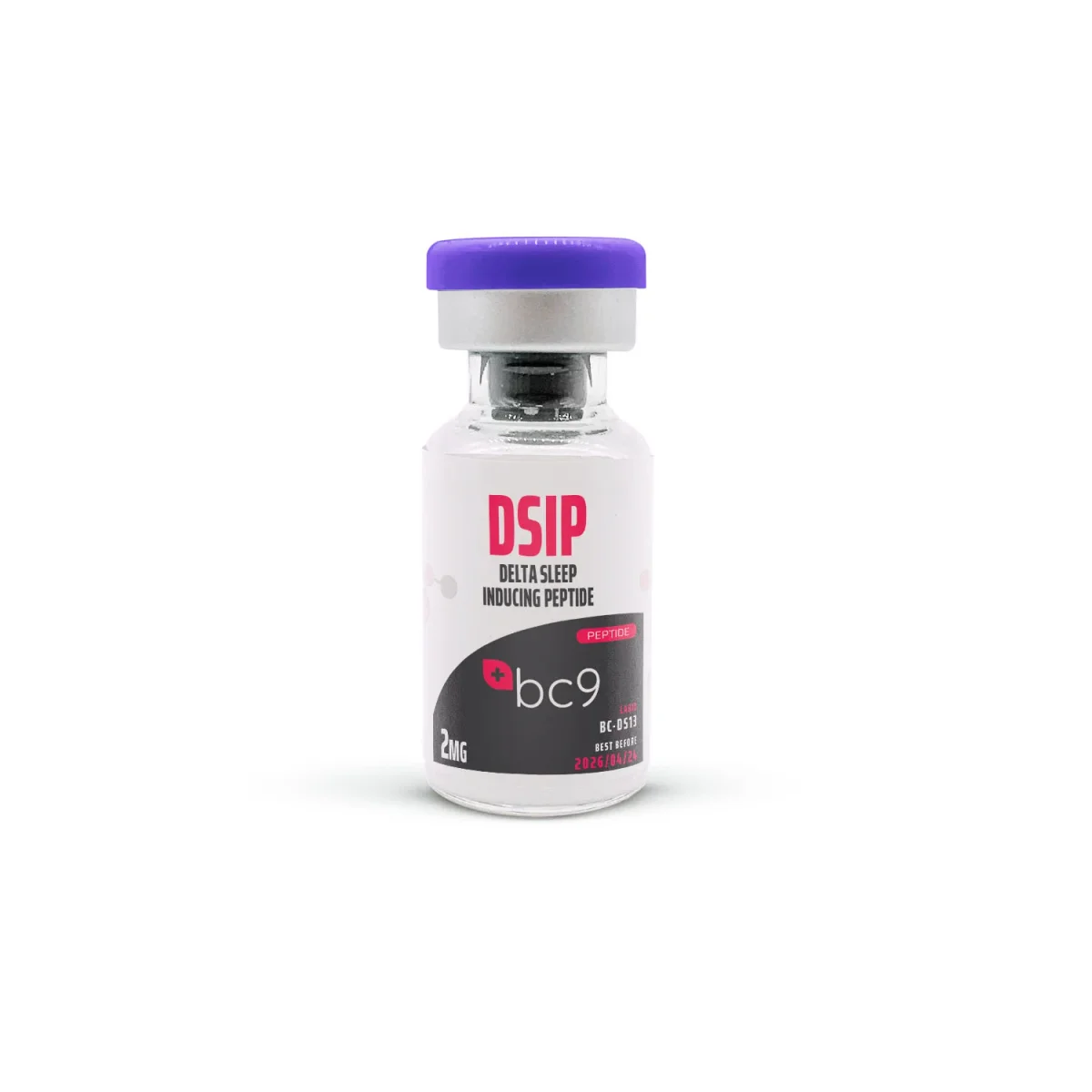
DSIP (Delta Sleep-Inducing Peptide) is an endogenous nonapeptide (sequence Trp-Ala-Gly-Gly-Asp-Ala-Ser-Gly-Glu) isolated in 1977 from rabbit cerebral venous blood by Marcel Monnier's group at the University of Basel. Over 150 papers were published through the mid-1990s reporting effects on slow-wave sleep, HPA-axis activity, and opiate withdrawal in small human and animal cohorts, but research largely stalled thereafter, and no DSIP receptor has been characterized. It is not FDA-approved for any indication and remains a research-only compound with no modern adequately powered randomized controlled trials.
Delta Sleep-Inducing Peptide (DSIP) has one of the stranger trajectories in peptide research. Isolated from rabbit cerebrospinal fluid in 1977 by Monnier and colleagues at the University of Basel, it generated real excitement: here was an endogenous nonapeptide that appeared, in early studies, to selectively promote delta-wave (slow-wave) sleep in animal models and small human cohorts. By the mid-1990s, over 150 papers had been published on it. Then the research essentially stopped.
The stall is partly methodological. DSIP has a short plasma half-life, uncertain peripheral bioavailability, no clearly characterized receptor, and results across species that have proven difficult to replicate consistently. Pharmaceutical companies found no obvious drug-development pathway. Academic interest moved toward newer sleep targets. The result is a compound sitting in an uncomfortable evidential limbo: too much early data to dismiss, not enough modern data to endorse.
This profile tries to give an honest accounting of that record. It separates what was actually demonstrated in human studies from what was only shown in animal models, flags where anecdotal self-experimentation has outpaced the clinical literature, and points to what a serious researcher would need to resolve before drawing confident conclusions. DSIP isn't the best-evidenced sleep peptide available. It may be one of the more biologically interesting ones - and the gap between those two statements is exactly what this review tries to characterize.
Featured Peptides
Research Peptide DSIP occupies a defensible but narrow research niche - an endogenous neuropeptide with a genuine (if dated) human study record and a low barrier to entry for exploratory investigation. The complete absence of modern RCT data, the uncharacterized receptor, and the short half-life mean it can't be positioned as a validated research tool. It scores 42/100: credible enough to study, not evidenced enough to conclude anything from without rigorous controls.
DSIP is the sole compound reviewed in this profile, representing the class of endogenous sleep-regulatory neuropeptides with a pre-1995 human study record and a conspicuous post-1995 research gap.
What Is DSIP? - Chemical Identity, Discovery, and Classification
DSIP (Delta Sleep-Inducing Peptide) is a nonapeptide - a chain of nine amino acids - with the sequence Trp-Ala-Gly-Gly-Asp-Ala-Ser-Gly-Glu. It was first isolated in 1977 by Marcel Monnier's research group at the University of Basel, extracted from the cerebral venous blood of rabbits subjected to electrical stimulation of the thalamic intralaminar nuclei to induce sleep. The working hypothesis was that the brain produces endogenous sleep-promoting factors, and DSIP looked like a candidate.
What made DSIP unusual even at discovery: it's not purely synthetic. DSIP and DSIP-like immunoreactivity have since been detected in human cerebrospinal fluid, plasma, and peripheral tissues including the hypothalamus, pituitary, and gut. That endogenous status distinguishes it from fully synthetic sleep-adjacent research compounds and was a significant part of the early research enthusiasm.
Classification-wise, DSIP belongs to the broader category of neuropeptides with putative sleep-regulatory functions - a loosely defined group that also includes VIP (vasoactive intestinal peptide) and CLIP (corticotropin-like intermediate lobe peptide). Unlike those, DSIP has no confirmed receptor. Its mechanism remains, after nearly five decades, genuinely uncharacterized at the molecular level.
Chemical Properties Relevant to Research
- Molecular weight: approximately 848 Da
- Sequence: Trp-Ala-Gly-Gly-Asp-Ala-Ser-Gly-Glu
- Plasma half-life: estimated 15-30 minutes in animal studies; degradation occurs rapidly via peptidases
- Solubility: water-soluble
- Storage: literature typically specifies lyophilized powder stored at -20°C, reconstituted in sterile or bacteriostatic water
The short half-life isn't a minor footnote. It has direct implications for study design, dosing intervals, and interpretation of any effect observed after peripheral administration - since the compound may be significantly degraded before reaching central compartments.
---
Mechanism of Action - What Research Suggests About How DSIP Works (and What Remains Unknown)
This section requires particular honesty, because DSIP's mechanism is substantially unresolved.
What Early Research Proposed
The original Monnier hypothesis was that DSIP acts as a humoral sleep factor - a circulating signal that communicates sleep pressure to the brain. Subsequent animal research suggested several potential mechanisms:
Delta-wave sleep promotion. In the original rabbit studies and some rodent replications, DSIP administration was associated with increases in slow-wave (delta) sleep as measured by EEG. The effect appeared relatively selective for delta sleep rather than REM sleep - which is where the name came from.
HPA axis modulation. A parallel line of research found DSIP-like activity in pituitary and hypothalamic tissue and suggested the peptide might modulate corticotropin (ACTH) release and downstream cortisol levels. Preliminary human data from the 1980s reported effects on cortisol rhythm in both healthy subjects and patient populations with affective disorders.
Antioxidant and cytoprotective effects. Some later animal studies, primarily from Russian research groups, reported DSIP analogues demonstrating stress-protective and antioxidant properties. These findings are less replicated by Western research groups and should be treated with extra caution.
Opiate-withdrawal interactions. A small number of human and animal studies from the 1980s-90s investigated DSIP in opiate withdrawal, with preliminary positive findings on symptom severity. It's one of the more intriguing human-data threads, but it remains small and unreplicated by modern standards.
What Remains Unknown
There's no confirmed DSIP receptor. That's a significant limitation. Without a characterized receptor, the cascade from DSIP binding to physiological effect can't be mapped with confidence. Competing theories include:
- Direct CNS effects via circumventricular organs (regions with reduced blood-brain barrier integrity)
- Indirect effects mediated through peripheral neuroendocrine signaling
- Modulation of existing sleep-regulatory systems (adenosine, GABA-B) rather than action at a dedicated receptor
None of these have been definitively confirmed. Researchers should treat mechanism-of-action claims in vendor materials or popular write-ups with appropriate skepticism - they typically extrapolate from 30-year-old literature without acknowledging the gaps.
---
Evidence Summary - Human Studies, Animal Models, and Anecdotal Reports
> Labeling note: Each sub-section below is explicitly identified by evidence type. The hierarchy matters: human RCT data is not equivalent to animal data, which is not equivalent to anecdotal reports. DSIP's record skews heavily toward the older end of the evidence quality spectrum.
Human Studies (Small, Largely Pre-1995)
Sleep architecture studies. A 1983 study by Schneider-Helmert and colleagues (published in *Neuropsychobiology*) administered DSIP intravenously to patients with chronic insomnia and reported improvements in sleep quality and delta-sleep parameters versus placebo over two weeks. Sample sizes were small - typically under 30 subjects. By modern standards, these studies would be considered underpowered.
Opiate withdrawal. A preliminary human study from the early 1990s (Ruben et al., referenced in subsequent reviews) reported that DSIP administration reduced withdrawal symptom scores in opiate-dependent individuals. The finding attracted attention but was never followed by adequately powered replication trials.
HPA axis and cortisol. Several small European studies from the 1980s examined DSIP's effects on cortisol rhythms in healthy subjects and patients with endogenous depression. Results were mixed but suggested some neuroendocrine activity beyond simple sedation. Sample sizes were too small to support firm conclusions.
Critical limitation: The human evidence base for DSIP essentially concluded in the mid-1990s. There are, to this review's knowledge, no published modern randomized controlled trials in humans using contemporary methodology. That's a significant gap.
Animal Studies
Animal data for DSIP is more extensive but has its own validity problems:
- Replication variability. The original sleep-promoting effects seen in rabbits weren't consistently replicated across species. Some rat studies reported sleep effects; others found no significant effect or paradoxical findings.
- Route-dependency. Many positive animal findings used intracerebroventricular (ICV) administration, bypassing the blood-brain barrier entirely. Extrapolating from ICV findings to subcutaneous or intravenous administration in humans isn't straightforward.
- Analogue research. Russian and Eastern European research groups investigated DSIP analogues extensively through the 1990s-2000s, reporting cytoprotective, anti-stress, and longevity-related effects in rodent models. These findings haven't been independently replicated under Western publication standards to a satisfying degree.
Anecdotal Reports (Self-Experimentation Community)
Anecdotal self-reporting on DSIP within biohacking and peptide research communities is sparse relative to more popular compounds. What reports do exist are methodologically difficult to evaluate:
- Some users report subjective improvements in sleep depth and morning recovery at subcutaneous doses in the 100-500 mcg range
- Tolerability reports are generally positive, with significant adverse events rarely described
- Effects are described as subtle relative to pharmacological sleep aids - consistent with (though not proof of) a modulatory rather than sedative mechanism
- The placebo probability is high in unblinded self-experimentation, particularly for sleep outcomes
Anecdotal reports are included here for completeness. They don't constitute evidence of efficacy and shouldn't be weighted alongside controlled data.
---
Dosing in Research Contexts - Ranges Reported in Published Literature
> Mandatory disclaimer: The following reflects dosing parameters from published research literature only. This is NOT a dosing recommendation for human use. DSIP is not approved for human therapeutic use by the FDA, MHRA, TGA, or EMA. This information is provided for research context only.
Ranges Observed in Published Human Studies
- Intravenous administration: Studies by Schneider-Helmert and others typically used doses in the range of 25-50 nanomoles/kg body weight, administered as slow IV infusions. For a 70 kg subject, most protocols translated to roughly 250-600 mcg, though study-specific variations exist.
- Study duration: Multi-day protocols in the insomnia literature typically ran 14-28 days, with administration timed in the early evening to align with anticipated sleep-onset windows.
- Route variation: Some studies used subcutaneous administration, though IV was more common in the controlled sleep-architecture literature. Subcutaneous bioavailability relative to IV hasn't been formally characterized in humans.
What the Anecdotal Community Reports
Biohacker self-experimentation typically references subcutaneous doses of 100-500 mcg, often administered once daily in the hour before intended sleep. These ranges aren't derived from controlled research and carry no validation.
Key Research Design Considerations
- The short plasma half-life (estimated 15-30 minutes) means timing relative to sleep onset likely matters more for DSIP than for peptides with longer half-lives
- Degradation by circulating peptidases means bioavailability after subcutaneous injection in humans is genuinely uncertain - most animal data supporting efficacy used IV or ICV routes
- Without a characterized receptor, dose-response relationships can't be predicted pharmacologically
---
Reported Side Effects and Contraindications - From Available Research and User Reports
From Published Human Studies
DSIP demonstrated a relatively benign tolerability profile in the small human studies conducted. Commonly reported or monitored adverse events included:
- Mild sedation at time of administration (consistent with the intended effect, though dose-dependent)
- Transient blood pressure changes noted in some IV administration studies - modest and self-resolving
- No significant hematological, hepatic, or renal abnormalities reported in the published literature at studied doses
From Anecdotal Reports
Self-reported adverse effects in the biohacking community are infrequent in available forum discussions and include:
- Grogginess or sleep inertia the following morning (dose-dependent in most reports)
- Injection site irritation with subcutaneous administration (common to most subcutaneous peptides)
- A small number of reports of vivid or disturbing dreams, not clearly dose-related
Contraindications and Cautions
Published literature doesn't formally characterize contraindications for DSIP - which itself reflects the incomplete research record. Reasonable precautionary considerations based on the compound's biology include:
- Pregnancy and breastfeeding: No safety data. Use in these populations can't be evaluated from available literature.
- Hypotension: Given reports of blood pressure modulation in some studies, caution seems warranted in individuals with baseline low blood pressure or those on antihypertensive medications.
- CNS-active medications: Theoretical interaction potential with sedatives, anxiolytics, and other neuroactive compounds - not formally studied.
- Unknown long-term effects: No chronic toxicity or carcinogenicity data exists for DSIP in humans.
---
How DSIP's Evidence Base Compares - Calibrating Against Better- and Lesser-Studied Sleep-Adjacent Peptides
Positioning DSIP within the broader peptide-and-sleep research landscape helps calibrate expectations.
Better-Evidenced Sleep-Adjacent Compounds
Orexin receptor antagonists (e.g., suvorexant): FDA-approved prescription medications with large, well-powered RCT databases. They represent the current frontier of sleep-mechanism pharmacology, with characterized receptors, clear PK/PD profiles, and regulatory approval. DSIP's evidence base doesn't approach this level.
Melatonin: Not a peptide, but worth including as a benchmark. Melatonin has hundreds of controlled trials, confirmed receptor targets (MT1/MT2), and well-characterized dose-response curves. DSIP, at its best-evidenced point in the 1980s, had a fraction of this evidence - and has since accumulated no additional RCT data.
Selank and Semax (peptidylprolyl compounds): Soviet-origin peptides with somewhat more extensive post-1990 literature than DSIP, including some human data. They face similar Western-replication gaps but have more recent publication dates.
Lesser-Evidenced Compounds
DSIP isn't at the bottom of the peptide-evidence hierarchy. Compounds sold with zero human data and mechanisms entirely extrapolated from cell-culture studies are less well-evidenced. DSIP at least has documented endogenous presence in human CSF and a set of - small, dated - controlled human trials.
Honest Assessment
DSIP sits in a middle tier: more biologically credible than many research peptides currently on the market, less evidenced than any approved therapeutic or rigorously studied compound. The 1970s-90s literature provides a foundation that's interesting but not sufficient to support efficacy claims. Treating it as a hypothesis-generation tool rather than a validated intervention is the appropriate epistemic posture.
---
Legal Status by Region - US, UK, EU, and Australia
> Note: Legal status for research peptides can change. The following is a general-purpose summary as of this review's preparation. Researchers should verify current regulations with a qualified legal or regulatory professional in their jurisdiction.
United States
DSIP isn't scheduled under the Controlled Substances Act and isn't FDA-approved for any therapeutic indication. It occupies the ambiguous "research chemical" category - legal to possess and purchase for legitimate research purposes, but not legal to sell or distribute for human consumption. FDA enforcement has historically focused on vendors making explicit therapeutic claims rather than the compound itself.
United Kingdom
DSIP isn't listed under the Misuse of Drugs Act 1971 or its amendments, and doesn't appear to fall under the Psychoactive Substances Act 2016 under typical enforcement interpretation (it lacks a clearly psychoactive classification). Purchase for research is generally permitted; sale for human consumption is not. The MHRA has enforcement authority over medicinal claims.
European Union
No EU-wide scheduling applies to DSIP. Individual member state regulations vary. Germany, France, and several Nordic countries have stricter general regulations on research chemicals that may affect importation. Country-specific verification is required.
Australia
The TGA (Therapeutic Goods Administration) regulates peptides under the Standard for the Uniform Scheduling of Medicines and Poisons (SUSMP). DSIP doesn't appear in current Schedules, but importation of research peptides is regulated, and the TGA has historically taken an expansive view of what requires scheduling. Australian researchers should verify current import regulations before attempting to source DSIP.
---
Sourcing Considerations - COA Standards, Vendor Red Flags, and Quality Assurance Gaps
What a Credible Certificate of Analysis (COA) Should Include
For any DSIP product, a trustworthy COA should specify:
- Purity percentage measured by HPLC (High-Performance Liquid Chromatography) - minimum acceptable threshold is typically 98%+ for research-grade peptides
- Molecular weight confirmation via mass spectrometry (MS) - verifies the correct peptide sequence
- Sequence verification - some vendors include amino acid analysis confirming the Trp-Ala-Gly-Gly-Asp-Ala-Ser-Gly-Glu sequence
- Sterility and endotoxin testing if the product is lyophilized for reconstitution - particularly relevant for any administration route
- Lot number and batch traceability - allowing for recall or retesting if quality issues arise
- Third-party testing - COAs from the vendor's own internal lab are less credible than those from independent analytical laboratories
Red Flags in Vendors
- No COA available, or COA only provided after purchase
- COA issued by the vendor's own in-house laboratory with no independent verification
- Purity listed without specifying the analytical method used
- Product marketed with explicit therapeutic or human-use language ("improves your sleep," "treats insomnia") - this signals both regulatory non-compliance and basic marketing dishonesty
- No age verification or institutional affiliation requirement at checkout
- Unusually low pricing relative to market norms - DSIP is already relatively inexpensive; prices significantly below market suggest quality shortcuts
- No information about synthesis origin, storage conditions, or shelf life
Quality Assurance Gaps Specific to DSIP
DSIP's short plasma half-life means degradation during shipping and storage can produce a product with compromised activity that's difficult to detect without specialized bioassays. Standard HPLC purity testing confirms the peptide sequence is intact but doesn't capture all forms of oxidative degradation. Researchers should request storage documentation and verify cold-chain shipping was used for products in solution form. Lyophilized powder with documented cold storage is generally more stable.
---
Regulatory Disclaimer and Research Context
This content is for educational and informational purposes only. Nothing in this profile should be interpreted as a recommendation for human use of DSIP or any other research peptide.
DSIP is not approved by the FDA, MHRA, TGA, EMA, or any other major regulatory body for therapeutic use in humans. It's classified as a research chemical in most jurisdictions. Purchasing, possessing, or administering research chemicals for purposes other than legitimate scientific research may carry legal and health risks that vary by jurisdiction.
Individuals experiencing sleep disorders, HPA-axis dysfunction, or related conditions should consult a licensed healthcare provider. Effective, approved treatment options exist for most sleep-related conditions and should be the first point of contact.
---
Where to Learn More - PubMed, ClinicalTrials.gov, and Key Literature Pointers
PubMed Search Suggestions
- Search term: "delta sleep inducing peptide" - returns the core historical literature, primarily 1977-1995
- Search term: "DSIP sleep" - broader results including review articles
- Search term: "DSIP cortisol" or "DSIP HPA" - narrows to the neuroendocrine literature
- Search term: "DSIP opiate withdrawal" - surfaces the small but notable withdrawal literature
Key Historical Papers to Locate
- Monnier M, Halasz P, Schoenenberger GA. (1977). The delta sleep-inducing peptide. *Pflügers Archiv* - the founding paper.
- Schneider-Helmert D. (1983-1988). A series of publications in *Neuropsychobiology* and related journals examining DSIP in chronic insomnia patients - the primary human clinical literature.
- Kastin AJ and colleagues. (1980s). Work examining DSIP transport and peripheral activity - relevant to the bioavailability question.
ClinicalTrials.gov
A search for "delta sleep inducing peptide" or "DSIP" on ClinicalTrials.gov as of this review's preparation returns no active or recently completed trials. That absence is itself informative - it confirms the compound isn't currently a subject of formal clinical investigation in the United States.
Review Articles
Several comprehensive reviews of the early DSIP literature were published in the late 1980s and early 1990s in journals including *Neuroscience and Biobehavioral Reviews* and *Sleep*. These reviews synthesize the animal and human data up to that point and are more accessible entry points than the original primary literature. Searching "DSIP review" on PubMed with a date filter of 1985-1995 surfaces the most relevant examples.
---
Product Assessment: Research Peptide DSIP (Delta Sleep-Inducing Peptide)
Best for
Researchers with a specific interest in endogenous sleep-regulatory peptides, HPA-axis modulation, or the historical literature on humoral sleep factors. DSIP is a reasonable low-cost entry point for exploratory investigation. It's not well-suited as a primary research compound for anyone who needs a robust, modern evidence base to work from.
Research Category
Neuropeptide, putative sleep-regulatory factor, HPA-axis modulator (category claimed; mechanism unconfirmed).
Key Research Characteristics
- Endogenous origin (documented in human CSF and plasma) distinguishes it from fully synthetic compounds
- The published human study record, though small and dated, at least exists - which can't be said for many research peptides currently on the market
- Low acquisition cost makes it financially accessible for early-stage exploratory work
- The absence of a characterized receptor and the short half-life are genuine methodological challenges, not minor caveats
Honest Limitations
The evidence base stalled roughly 30 years ago. There's no modern RCT data. The mechanism is uncharacterized. Subcutaneous bioavailability in humans isn't formally established. Any researcher treating DSIP as a validated intervention rather than an exploratory compound is misreading the literature.
Tips
- 1.When evaluating DSIP vendors, request the COA before purchase and verify it includes HPLC purity (98%+) and mass spectrometry confirmation of molecular weight. Any vendor unwilling to provide this before sale is a red flag worth taking seriously.
- 2.If you're reviewing DSIP literature, filter PubMed results to the 1977-1995 window for the core research record, then separately search for post-2000 citations of those papers to see which findings have or haven't been followed up. The citation trail is itself informative - and in DSIP's case, fairly quiet.
- 3.The short plasma half-life (estimated 15-30 minutes) means any research protocol using subcutaneous administration should account for likely degradation before central compartment exposure. Comparing findings from IV/ICV animal studies to subcutaneous human self-reports is an apples-to-oranges comparison that the anecdotal community tends to gloss over.
The Bottom Line
DSIP is a genuinely interesting research compound with a frustratingly incomplete evidence base. Its endogenous origin, preliminary human data on sleep architecture and HPA-axis activity, and relatively low cost make it worth tracking for researchers in these areas. What it doesn't have - a characterized receptor, modern RCT validation, or confirmed subcutaneous bioavailability in humans - means any research program built around it should treat existing findings as hypotheses to test, not effects to replicate.
Frequently Asked Questions
What is DSIP (Delta Sleep-Inducing Peptide) and what is it used for in research?
Does DSIP actually work for sleep? What does the research say?
How is DSIP administered in research studies, and what doses have been used?
What are the reported side effects of DSIP?
Is DSIP legal to buy in the US, UK, EU, and Australia?
How do you verify the quality of a DSIP research peptide, and what should a legitimate COA include?
Related Guides
PEPTIDE-PROFILE
PT-141 (Bremelanotide) Research Summary: Mechanism, Evidence, and Legal Status
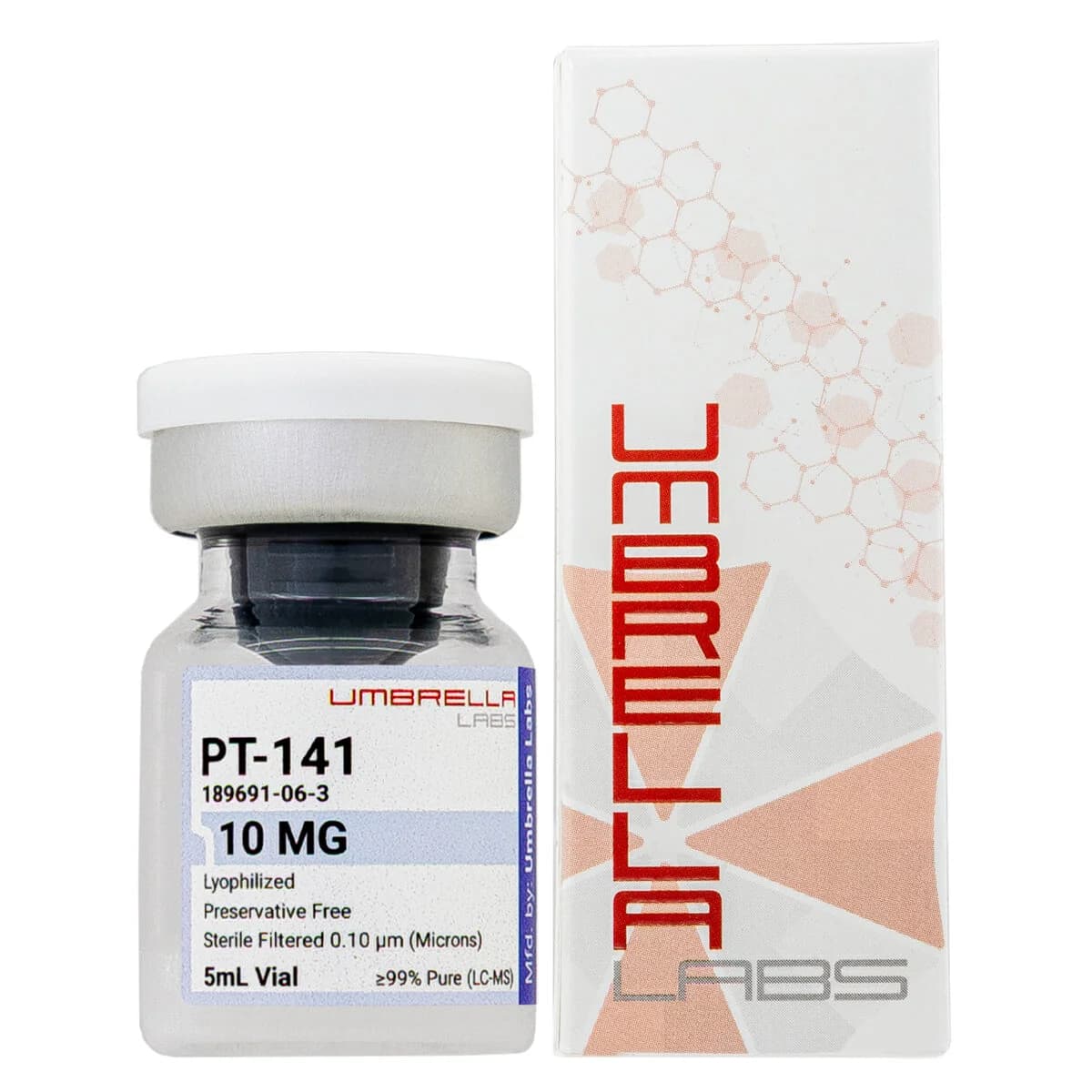
PT-141 (bremelanotide) is a synthetic cyclic heptapeptide and melanocortin receptor agonist (acting primarily at MC3R and MC4R) that the FDA approved as Vyleesi on June 21, 2019, for acquired, generalized hypoactive sexual desire disorder in premenopausal women. The approval was supported by the Phase 3 RECONNECT program (Studies 301 and 302), two placebo-controlled trials enrolling roughly 1,200 women using 1.75 mg subcutaneous injections. Research-chemical PT-141 shares bremelanotide's amino acid sequence but is not manufactured to pharmaceutical GMP standards and carries no approved indication; legitimate clinical access requires a Vyleesi prescription.
PEPTIDE-PROFILE
Thymosin Alpha-1: Immune-Modulator Research Summary (2024 Evidence Review)
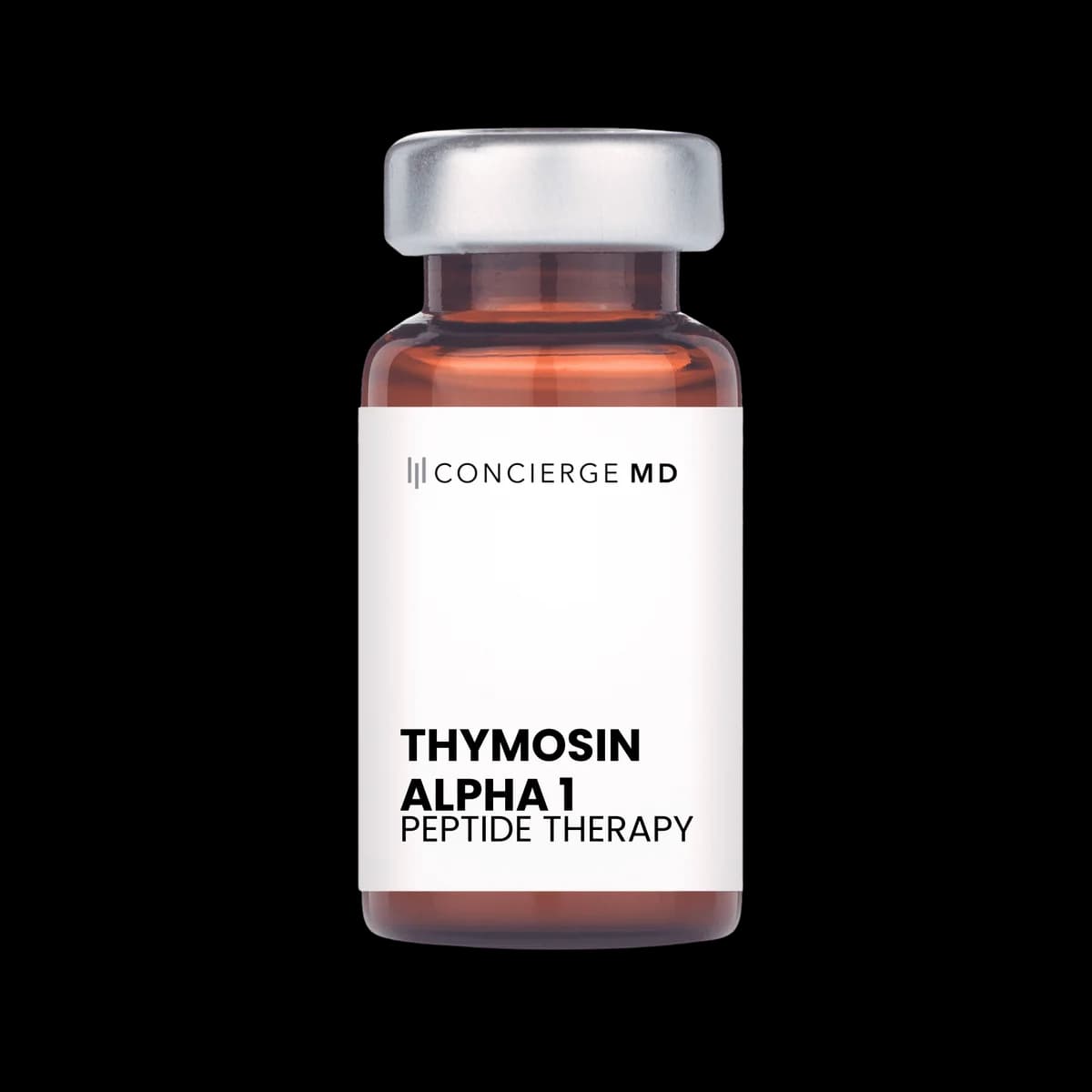
Thymosin Alpha-1 is a 28-amino-acid immunomodulatory peptide derived from prothymosin alpha, first isolated in 1977 by Allan Goldstein at George Washington University and marketed pharmaceutically as Zadaxin in parts of Asia and Eastern Europe. Research suggests it acts as an endogenous TLR2 and TLR9 ligand, promoting Th1 differentiation and increasing IFN-gamma, IL-2, and NK cell activity. Multiple randomized controlled trials support its use in chronic hepatitis B, hepatitis C, sepsis, and cancer-adjuvant contexts, but it remains unapproved in the US, UK, EU, and Australia, where it is sold under research-chemical status.
PEPTIDE-PROFILE
GHK-Cu (Copper Peptide) Explained: A Research Summary of Evidence, Mechanisms, and Limitations
GHK-Cu is a naturally occurring copper-chelating tripeptide (glycyl-L-histidyl-L-lysine bound to copper(II)) first isolated from human plasma albumin in 1973 by Loren Pickart, with plasma concentrations reported to decline from roughly 200 ng/mL in young adults to around 80 ng/mL in those over 60. It is not approved by the FDA, MHRA, TGA, or EMA for any therapeutic indication and is sold in most jurisdictions as a research chemical. Published research includes in vitro fibroblast and antioxidant studies, animal wound-healing models, and several small human randomized controlled trials of topical formulations.