
PEPTIDE-PROFILE
SS-31 / Elamipretide: The Mitochondrial-Targeted Peptide Research Summary
Cardiolipin-binding, inner-membrane targeting, and the limits of clinical translation
Last updated: June 1, 2026
Quick Answer
SS-31 (Elamipretide) ranks first in this guide because it carries more formal human RCT data than virtually any other research-chemical-status peptide - including registered Phase II and Phase III trials - with a well-characterized cardiolipin-binding mechanism and a consistently favorable safety profile across those trials. That said, the MMPOWER-3 Phase III primary endpoint failure is a material fact any serious researcher needs to weigh: mechanistic elegance doesn't automatically translate to clinical efficacy. This profile examines both sides without flinching.
SS-31, developed under the clinical name Elamipretide, sits in an unusual position among research peptides. Most compounds in this category exist almost entirely in animal studies and self-reported user data. SS-31 has completed registered Phase II and Phase III clinical trials. That's not a small distinction - it represents millions of dollars in formal development, peer-reviewed safety and tolerability data, and a level of mechanistic scrutiny that separates it from the vast majority of peptides sold as research chemicals today.
The complication is that the flagship Phase III trial, MMPOWER-3, failed to meet its primary endpoint in patients with primary mitochondrial myopathy. For researchers tracking this compound, that outcome requires honest interpretation rather than rationalization. It doesn't necessarily invalidate the underlying mitochondrial biology - but it does raise real questions about whether the preclinical signals translate to measurable clinical benefit at the endpoints investigators chose to measure.
This guide summarizes what the published evidence shows, what it doesn't show, and how SS-31 compares against other mitochondrial-adjacent compounds on the research landscape. It's written for researchers, biohackers, and longevity enthusiasts who already understand the regulatory context and want the evidence laid out without promotional framing. Nothing here constitutes medical advice, and SS-31 remains a research chemical without FDA approval for human use outside of clinical trials.
Featured Peptides
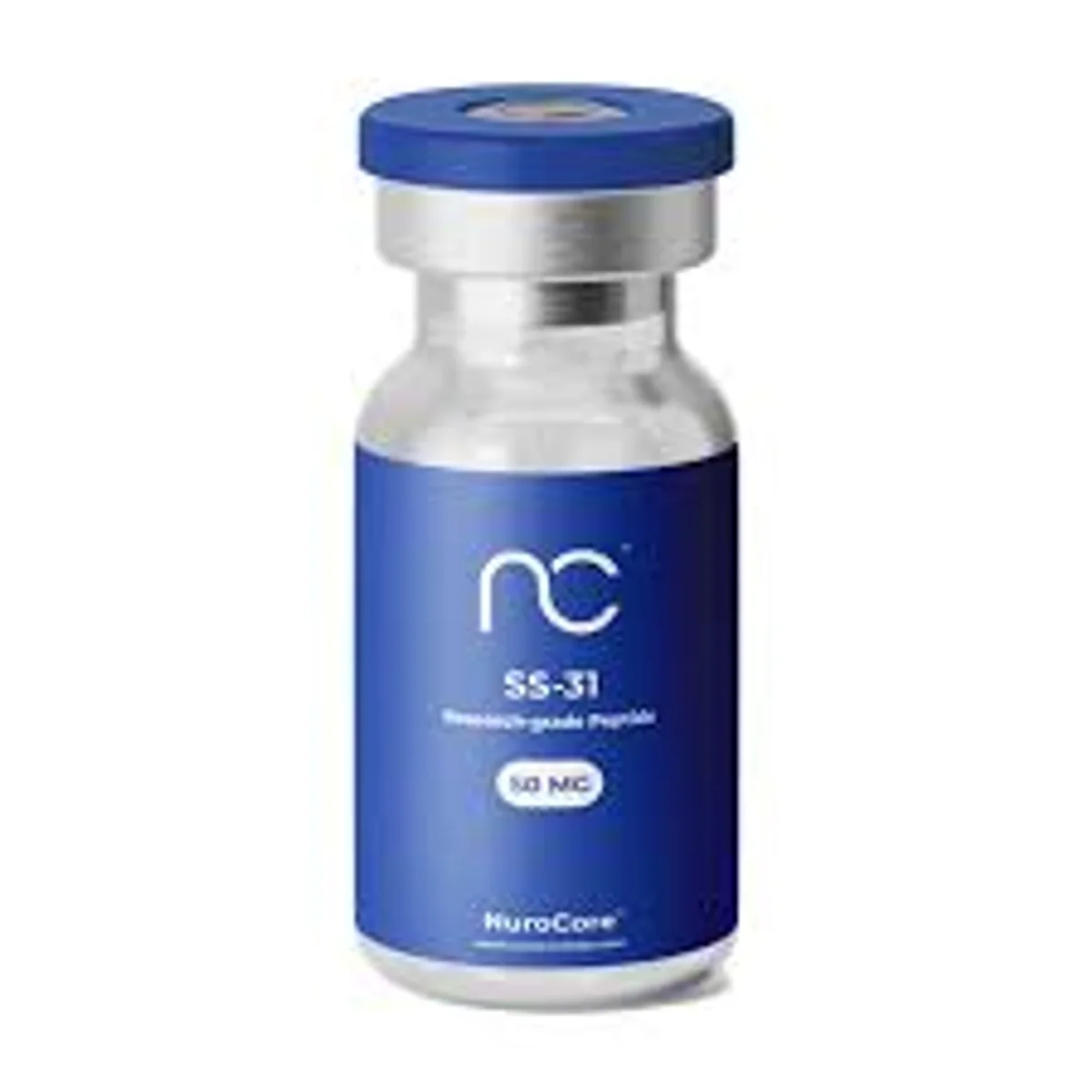
SS-31 / Elamipretide earns the top position in this guide because the volume and quality of its human clinical trial data is genuinely unmatched among research-chemical-status peptides - multiple registered Phase II trials and a completed Phase III is a standard most compounds in this category haven't come close to. The MMPOWER-3 primary endpoint failure is a real limitation that needs to be held alongside the mechanistic quality and the favorable safety profile; researchers shouldn't dismiss it, but they also shouldn't treat it as a blanket invalidation of a compound with this depth of formal investigation. The synthesis complexity requiring 2',6'-Dmt incorporation means vendor selection and COA scrutiny matter more here than for most compounds.
The primary subject of this guide and the compound with the strongest formal evidence base in the mitochondrial-targeted peptide category.
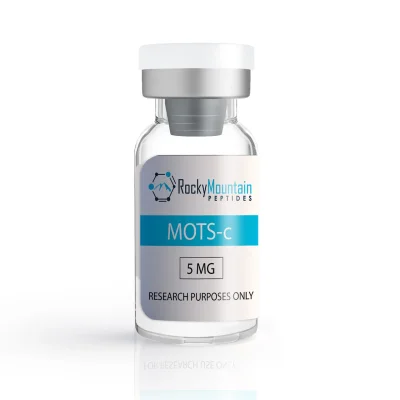
MOTS-c presents a genuinely interesting mechanistic profile - an endogenously encoded mitochondrial peptide with AMPK pathway activity and consistent animal data across metabolic and aging models - but the human interventional evidence gap is significant. Without published large-scale RCTs, researchers can't apply the same confidence level they can to SS-31's trials, even accounting for MMPOWER-3's primary endpoint failure. For researchers whose interest centers on metabolic regulation and biological aging rather than the cardiac and neuromuscular focus of SS-31's trial program, MOTS-c is a credible area of inquiry - approached with appropriate uncertainty about human translation.
Represents the mitochondria-encoded peptide category and provides a meaningful comparison point for researchers evaluating mitochondrial-adjacent compounds with strong mechanistic rationale but thinner human trial data.
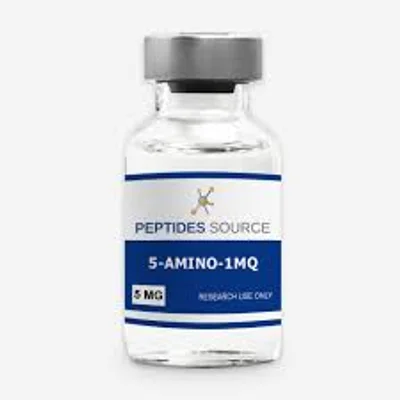
5-Amino-1MQ scores lowest in this guide for reasons that are substantive, not cosmetic: it's not technically a peptide, its human evidence base is essentially zero, its long-term safety profile is uncharacterized, and its mitochondrial relevance is indirect at best via NAD+ pathway dynamics. The 2019 Nature Communications animal study provides a credible mechanistic anchor, but a single rodent study in an obesity model doesn't support the extrapolations frequently made in vendor marketing. Researchers interested in NAD+ pathway biology have better-evidenced options available.
Included as a lower-tier comparator to illustrate the evidence spectrum and to address compounds frequently co-marketed alongside SS-31 in the mitochondrial-adjacent research chemical space.
What Is SS-31 (Elamipretide)? - Chemical Identity, Class, and Discovery
SS-31 is a synthetic tetrapeptide with the sequence D-Arg-2′,6′-Dmt-Lys-Phe-NH2. The SS designation refers to Szeto-Schiller, after researchers Hazel Szeto (Cornell/Weill Cornell) and Peter Schiller, whose collaborative work in the early 2000s produced a family of cell-permeable mitochondria-targeted peptides - the SS peptide series. SS-31 is the most extensively studied member of that family.
The compound belongs to the class of mitochondria-targeted antioxidant peptides, though calling it purely an antioxidant undersells the mechanistic picture. Its activity is more precisely described as structural: it targets the inner mitochondrial membrane through a specific interaction with cardiolipin, a phospholipid that's essentially exclusive to that membrane in mammalian cells. That targeting mechanism is what distinguishes SS-31 from generalist antioxidants.
Clinically, it was developed under the name Elamipretide by Stealth BioTherapeutics (later Stealth Peptides International), which advanced it through multiple registered trials across cardiac, renal, and neuromuscular indications before the company ran into significant financial difficulty following the MMPOWER-3 outcome. The compound appears in literature as MTP-131, Bendavia, and SS-31 depending on the publication era and context.
---
Mechanism of Action - Cardiolipin Binding, Inner Mitochondrial Membrane Targeting, and Bioenergetic Rationale
Cardiolipin and Why It Matters
Cardiolipin is a dimeric phospholipid found almost exclusively in the inner mitochondrial membrane (IMM). It plays a structural role in organizing electron transport chain (ETC) complexes and cristae architecture, and it directly supports the function of cytochrome c - a key protein in both oxidative phosphorylation and the intrinsic apoptosis pathway. Under oxidative stress conditions, cardiolipin is highly susceptible to peroxidation, and peroxidized cardiolipin loses its ability to maintain ETC complex organization. The result is reduced ATP synthesis efficiency and increased reactive oxygen species (ROS) production - a feedback loop associated with mitochondrial dysfunction in aging and disease.
How SS-31 Interacts with Cardiolipin
Research published by Szeto and colleagues - including structural work using NMR and molecular dynamics simulations - suggests SS-31 intercalates into the IMM and binds specifically to cardiolipin via electrostatic interactions (the D-Arg residue) and hydrophobic interactions (the 2′,6′-Dmt residue, a modified tyrosine with electron-donating methyl groups). That interaction appears to do two things: it inhibits cardiolipin peroxidation, and it stabilizes the interaction between cardiolipin and cytochrome c in a way that preserves cytochrome c's electron carrier function rather than shifting it toward its pro-apoptotic role.
The downstream effect, as described in preclinical research, is restoration of ETC complex activity - particularly Complex I and Complex III - and improved mitochondrial ATP output under stress conditions. Studies in animal models and isolated mitochondria preparations report improvements in respiratory control ratio, reductions in mitochondrial membrane potential fluctuation, and reduced production of mitochondrial superoxide.
Plain-English Summary
SS-31 research suggests the peptide works not by directly scavenging free radicals throughout the cell, but by anchoring itself to a specific lipid in the mitochondrial inner membrane, protecting that lipid from oxidative damage, and thereby preserving the structural integrity of the energy-production machinery. This is mechanistically distinct from supplemental antioxidants like CoQ10 or MitoQ, and that specificity is part of why the preclinical results generated substantial early clinical interest.
---
Evidence Summary - Human RCTs, Animal Studies, and Anecdotal Reports
Human Clinical Trial Data (Most Rigorous)
SS-31 / Elamipretide has more registered and completed human clinical trial data than almost any other compound currently sold at research-chemical vendor status. Key trials include:
MMPOWER (Phase II, 2016): A 5-day randomized, double-blind, placebo-controlled crossover trial in 16 patients with primary mitochondrial myopathy. Participants received subcutaneous Elamipretide 40 mg/day. The trial reported statistically significant improvements in 6-minute walk test (6MWT) distance and in a composite functional endpoint score. Sample size was small; this was a mechanistic signal study.
MMPOWER-2 (Phase II extension): An open-label extension study examining 36-week outcomes in the same population. Results suggested sustained tolerability and some persistence of functional signals, though the open-label design limits how much you can read into it.
MMPOWER-3 (Phase III, 2020-2021): The pivotal trial. A multicenter, randomized, double-blind, placebo-controlled study enrolling approximately 218 patients with primary mitochondrial myopathy. Primary endpoint was change in 6MWT distance at 24 weeks. The trial did not meet its primary endpoint - the difference between Elamipretide and placebo on 6MWT improvement was not statistically significant. Secondary endpoints showed mixed results. This outcome was the primary contributor to Stealth BioTherapeutics' financial restructuring.
PROGRESS (Heart Failure with Preserved Ejection Fraction / HFpEF): A Phase II trial in HFpEF patients examining left ventricular remodeling endpoints. Preliminary data suggested some effects on left atrial volume and exercise tolerance, but this program didn't advance to Phase III.
Renal studies: Phase I and Phase II trials investigated Elamipretide in patients undergoing cardiac surgery (protection against acute kidney injury) and in patients with renal artery stenosis. The renal artery stenosis work - published in collaboration with Mayo Clinic researchers - reported improvements in renal cortical perfusion and mitochondrial function biomarkers in the treated kidney. These studies were relatively small (typically under 30 participants) but provide human-context mechanistic data.
> Important framing: These are completed clinical trials conducted under IND by a pharmaceutical company. They represent a higher standard of evidence than is available for most research peptides. They also show a compound that, despite mechanistic plausibility and early-phase signals, didn't demonstrate primary efficacy in its largest controlled trial.
Animal Study Data
Preclinical data for SS-31 is extensive across multiple disease models:
- Cardiac ischemia-reperfusion injury: Multiple rodent studies report significant reductions in infarct size, preserved mitochondrial membrane potential, and improved cardiac function post-ischemia following SS-31 administration. These are among the most replicated findings in the literature.
- Renal ischemia and cisplatin nephrotoxicity: Animal models consistently show attenuation of acute kidney injury markers, histological tubular injury, and oxidative stress biomarkers.
- Skeletal muscle and aging models: Studies in aged rodents report improvements in muscle fiber mitochondrial function, exercise capacity metrics, and type II fiber preservation with SS-31 treatment.
- Auditory hair cell protection: Rodent models show attenuation of noise-induced and age-related hearing loss, consistent with mitochondrial protection in high-energy-demand cochlear cells.
- Neurodegenerative models: Preliminary work in models of Alzheimer's and Parkinson's disease shows mitochondrial preservation signals, but this literature is thin relative to the cardiac and renal bodies of work.
Animal data is internally consistent and mechanistically coherent. The gap between these signals and the MMPOWER-3 outcome illustrates the general challenge of translating rodent mitochondrial biology to human clinical endpoints.
Anecdotal User Reports (Lowest Evidence Tier - Clearly Labeled)
Self-reported use of SS-31 in biohacking and longevity communities is less common than for peptides like BPC-157 or TB-500, partly due to significantly higher cost per milligram and partly because the synthesis complexity creates sourcing barriers. Where user reports do exist - primarily in forums focused on mitochondrial health and longevity - they tend to describe subjective improvements in energy levels, recovery from exercise, and cognitive clarity. These reports are anecdotal, uncontrolled, and not verifiable. They're included here for completeness, not as evidence of efficacy.
---
The MMPOWER-3 Question - What a Phase III Primary Endpoint Failure Actually Means
This section deserves direct treatment rather than a footnote.
MMPOWER-3 enrolled 218 patients with genetically confirmed primary mitochondrial myopathy - a population with documented mitochondrial dysfunction and genuine unmet clinical need. After 24 weeks of daily subcutaneous 40 mg Elamipretide, the improvement in 6-minute walk test distance was not statistically significantly greater than placebo. The p-value for the primary endpoint wasn't published in a form allowing exact reproduction here, but the top-line result was unambiguous: the trial failed its primary endpoint.
What this does and doesn't mean:
It does NOT mean SS-31 has no biological activity. The cardiolipin-binding mechanism is supported by structural research, and the compound demonstrably affects mitochondrial function in in vitro systems. It does NOT mean preclinical signals were fabricated or that earlier Phase II findings were random noise.
It DOES mean that the specific hypothesis tested - that SS-31 administered subcutaneously at 40 mg/day for 24 weeks would produce a clinically meaningful improvement in 6MWT distance in patients with primary mitochondrial myopathy - wasn't confirmed in a properly powered trial. It raises legitimate questions about: the adequacy of the 6MWT as a primary endpoint for this population, whether disease heterogeneity within the primary mitochondrial myopathy category is too large for a single treatment to show a consistent effect, whether subcutaneous bioavailability to the relevant tissues was sufficient, and whether the chosen population was the right target.
For researchers: this outcome should produce appropriate skepticism about extrapolating preclinical mitochondrial signals to assumed clinical benefit. It shouldn't, by itself, be treated as proof that mitochondrial targeting with cardiolipin-binding peptides has no clinical value. The renal artery stenosis data, for example, used direct biomarker endpoints closer to the mechanism and showed signals that may be worth further investigation.
The honest position is: SS-31 remains a scientifically interesting compound with a well-characterized mechanism, a favorable safety profile in trials, and a Phase III failure on a functional endpoint. Researchers should hold all three facts simultaneously.
---
Dosing in Research Contexts - Ranges from Published Trials (Not a Clinical Recommendation)
> Disclaimer: The following information is drawn exclusively from published clinical trial protocols and preclinical literature. It is not a dosing recommendation, and SS-31 is not approved for human use outside of registered clinical trials. Any use outside that context is at the researcher's own risk and may be illegal depending on jurisdiction.
From human clinical trials:
- The MMPOWER program used 40 mg/day administered as a single subcutaneous injection, based on Phase I dose-escalation work that identified this as a tolerable dose with acceptable pharmacokinetic exposure.
- The renal artery stenosis studies used 0.05 mg/kg/day infused intravenously over 2 hours for some protocols, with subcutaneous routes in others.
- Phase I dose-escalation trials tested doses from 0.0005 mg/kg up to 0.25 mg/kg without reaching a maximum tolerated dose, suggesting a wide therapeutic window across the doses studied.
From animal studies:
- Rodent studies have used a broad range: typically 3-5 mg/kg subcutaneously or intraperitoneally for acute models, with chronic dosing studies in the range of 1-3 mg/kg/day.
- Direct human-to-rodent dose conversion using simple body weight scaling isn't valid pharmacologically - these figures are provided as literature context only.
Route: Subcutaneous injection was the primary route in human trials. Intravenous administration was used in some perioperative and infusion-based protocols. There's no published oral bioavailability data for SS-31 in humans; the peptide is expected to have poor oral bioavailability consistent with most tetrapeptides.
---
Reported Side Effects and Contraindications - From Trial Data and User Reports
From Clinical Trial Data
Across MMPOWER, MMPOWER-2, MMPOWER-3, and the renal studies, the adverse event profile of Elamipretide was consistently described as mild and manageable:
- Injection site reactions were the most commonly reported adverse event - erythema, induration, and pain at the injection site. These were typically Grade 1-2 and didn't lead to high rates of discontinuation.
- No dose-limiting toxicities were identified in Phase I dose escalation.
- No significant changes in standard laboratory panels (CBC, metabolic panel, liver function tests) were consistently reported as attributable to the drug.
- Headache and fatigue were noted in some participants but at rates not substantially different from placebo arms in controlled trials.
Serious adverse events occurred in trial participants but weren't attributed to the study drug at significantly higher rates than placebo in the controlled portions of these trials.
Contraindications and Gaps
No formal contraindication list exists for a non-approved research chemical, but the following gaps in safety knowledge are worth flagging:
- Long-term safety data beyond 36 weeks is limited.
- Safety in pregnancy and lactation is unknown.
- Drug-drug interaction data is minimal given the compound hasn't been approved.
- The safety profile in populations outside the studied indications (mitochondrial myopathy, HFpEF, renal artery stenosis) is extrapolated, not established.
From Anecdotal User Reports
Self-reported adverse effects in community forums include injection site irritation (consistent with trial data) and occasional reports of fatigue or lightheadedness, though these are unverified and confounded by concurrent compound use in most cases.
---
How SS-31 Compares on the Evidence Spectrum
Research Peptide MOTS-c (Score: 62/100)
MOTS-c is a 16-amino acid peptide encoded within the mitochondrial genome's 12S rRNA gene - which makes it genuinely endogenous in a way most research peptides aren't. Its primary studied mechanism involves AMPK pathway activation and regulation of nuclear gene expression related to metabolic function, with animal studies reporting improvements in insulin sensitivity, exercise capacity, and lifespan metrics in aged rodent models. Research in centenarian populations has identified MOTS-c variants associated with longevity, which lends some demographic plausibility to the basic biology.
The critical limitation is the human trial gap. There are no published large-scale controlled human interventional trials for MOTS-c at the time of this writing. The mechanistic story is compelling and the animal data is internally consistent, but MOTS-c sits materially lower on the evidence ladder than SS-31 precisely because it hasn't been tested in registered RCTs. Its score of 62/100 reflects strong mechanistic and preclinical signals paired with thin human-intervention evidence. For researchers specifically interested in mitochondrial biology and metabolic function, MOTS-c is a credible area of interest - but with appropriately lower confidence than SS-31's more extensively tested profile.
Compared to SS-31: MOTS-c has a stronger endogenous rationale and a metabolic/aging-focused mechanism, but significantly less human trial data. SS-31 wins on evidence volume; MOTS-c may be of interest to researchers focused specifically on metabolic and aging endpoints rather than the cardiac/renal/neuromuscular focus of SS-31's trial program.
Research Peptide 5-Amino-1MQ (Score: 42/100)
5-Amino-1MQ is worth including in this comparison with an important caveat: it's technically not a peptide. It's a small-molecule quinolinium compound - a selective inhibitor of nicotinamide N-methyltransferase (NNMT). Vendors frequently categorize it alongside research peptides, which is a sourcing and labeling inconsistency worth noting. Its mitochondrial relevance is indirect: NNMT inhibition reduces the consumption of S-adenosyl methionine (SAM) and is proposed to increase NAD+ precursor availability, linking it loosely to the NAD+/NADH axis that's relevant to mitochondrial bioenergetics.
The best formal evidence for 5-Amino-1MQ comes from a 2019 Nature Communications study in rodent obesity models showing reductions in adipogenesis and fat mass. There are no published controlled human trials. Long-term safety of systemic NNMT inhibition is genuinely unknown - NNMT is expressed in multiple tissues beyond adipose, and the consequences of broad inhibition haven't been characterized in humans.
Compared to SS-31: The evidence gap is substantial. 5-Amino-1MQ has one credible animal study and no human trial data; SS-31 has multiple registered Phase II trials and a completed Phase III. For researchers interested in NAD+ pathway biology, direct NAD+ precursors (NR, NMN) have more human trial data than 5-Amino-1MQ and a more direct mechanistic link. 5-Amino-1MQ scores 42/100 - a plausible mechanism undermined by near-total absence of human evidence and an uncharacterized safety profile.
Summary Evidence Comparison Table
| Compound | Human RCT Data | Animal Data | Mechanism Clarity | Phase III Data |
|---|---|---|---|---|
| SS-31 (Elamipretide) | Yes - multiple registered trials | Extensive | High | Yes - failed primary endpoint |
| MOTS-c | Preliminary only | Strong | High | No |
| 5-Amino-1MQ | None | Limited (1 key study) | Moderate | No |
---
Synthesis Complexity and Sourcing Considerations - The 2′,6′-Dmt Problem
SS-31's synthesis involves a non-standard amino acid: 2′,6′-dimethyltyrosine (2′,6′-Dmt). This modified tyrosine isn't commercially available in the same commodity form as standard amino acids used in most research peptides. Its incorporation requires either custom synthesis of the building block or access to specialty reagents. That creates two practical problems for the research-chemical supply chain.
First, it substantially increases the cost of legitimate synthesis relative to standard peptides of comparable length. A tetrapeptide using four standard amino acids is relatively inexpensive to produce with solid-phase peptide synthesis; substituting 2′,6′-Dmt for standard tyrosine adds both reagent cost and synthesis complexity. This is why SS-31 is among the most expensive research peptides per milligram from credible vendors.
Second, and more critically, it creates a quality-control risk at lower-tier vendors. A vendor cutting costs may use standard tyrosine instead of 2′,6′-Dmt, producing a peptide with the correct sequence at three of four positions but the wrong residue at the critical position responsible for the compound's membrane interaction. The resulting peptide would appear correct on basic mass spectrometry but lack the specific binding properties that define SS-31's mechanism. This isn't a theoretical concern - it's a predictable commercial incentive that researchers should account for.
What a Credible COA Requires for SS-31
A certificate of analysis from a research peptide vendor should include, at minimum:
- HPLC purity trace with a reported purity of at least 98% and a clearly labeled retention time. The purity figure alone isn't sufficient - the actual chromatogram should be reviewable.
- Mass spectrometry confirmation showing the correct molecular weight for the SS-31 sequence including the 2′,6′-Dmt modification. The correct monoisotopic mass for SS-31 freebase is approximately 638.8 Da. A peptide using standard Tyr instead of 2′,6′-Dmt would show a mass approximately 28 Da lighter - a discrepancy that mass spec would reveal if the COA reports actual spectrum data rather than just a number.
- Endotoxin testing (LAL test or equivalent): important for any injectable research peptide. Values below 1 EU/mg are generally considered acceptable for injectable research use.
- Sequence confirmation - ideally referenced to the published SS-31 sequence with explicit notation that 2′,6′-Dmt was incorporated.
Red flags in vendor sourcing:
- No COA available before purchase, or COA available only as a template without batch-specific data
- Pricing substantially below market rate for a compound of this synthesis complexity (sub-$5/mg at research volumes should prompt skepticism)
- Vendor unable or unwilling to confirm 2′,6′-Dmt incorporation specifically
- No endotoxin data for a product marketed for injection
- Vendor ships without age verification or any identity confirmation
---
Legal and Regulatory Status by Region
United States
SS-31 / Elamipretide is not FDA-approved for any indication. It was studied under an Investigational New Drug (IND) application by Stealth BioTherapeutics, and that IND is effectively inactive following the company's financial difficulties. As a research chemical, it occupies a legal gray area: not a scheduled controlled substance, not approved for human use, but technically saleable for research purposes under conditions where it isn't marketed for human consumption. Compounding pharmacies may prepare it for specific clinical research contexts. For individual researchers, possession is generally not criminalized, but human use outside of a formal trial protocol falls outside FDA-regulated use.
United Kingdom
Elamipretide is not licensed by the MHRA for any indication. It's not a controlled substance under the Misuse of Drugs Act. Research chemical status applies. The UK's medicine supply regulations technically prohibit sale for human use without a marketing authorization, but research use isn't explicitly regulated in the same way. Regulatory risk sits primarily with vendors, not individual researchers, under current enforcement patterns.
European Union
Not approved by the EMA for any indication. Regulatory status varies by member state for research chemicals. Some member states - Germany, notably - apply stricter medicine law interpretations that could classify unapproved peptides intended for human use as medicinal products requiring authorization. Researchers in the EU should check country-specific regulations before sourcing.
Australia
The TGA has taken an increasingly active stance on research peptides. Elamipretide is not TGA-registered and is not on the ARTG. Under Australian medicine law, importation for personal use is technically regulated under the Personal Importation Scheme, which allows limited importation of unregistered medicines for personal use under specific conditions - but this doesn't apply cleanly to research chemicals. Australian researchers should be aware that TGA enforcement around injectable research peptides has increased in recent years.
---
Where to Learn More
Key PubMed Literature
Researchers should search PubMed using the following terms to locate primary literature:
- "Elamipretide" - returns clinical trial results, pharmacology studies, and review articles
- "SS-31 mitochondria" - returns mechanistic and preclinical work
- "MTP-131" - older literature uses this designation
- "Szeto-Schiller peptide" - foundational mechanistic papers
- "Cardiolipin peroxidation mitochondria" - broader mechanistic context
Key authors whose work anchors this literature include Hazel Szeto (mechanism, preclinical), Jian Dai (mitochondrial structure), and the Mayo Clinic renal group associated with the renal artery stenosis trials.
ClinicalTrials.gov Registered Trials
Searching ClinicalTrials.gov for "Elamipretide" or "MTP-131" returns the registered trial records for MMPOWER, MMPOWER-2, MMPOWER-3, the HFpEF PROGRESS trial, and the renal artery stenosis program. These records include protocol documents, enrollment criteria, and results where reported. Reviewing the actual trial records is the most rigorous way to assess the primary endpoint outcomes directly.
Suggested Review Articles
- The 2020 review by Szeto in Pharmacological Reviews titled "Pharmacology of SS Peptides" provides comprehensive mechanistic coverage.
- MMPOWER-3 results were reported at the ASHP Midyear Clinical Meeting and in subsequent communications from Stealth BioTherapeutics; peer-reviewed publication of the full dataset should be located on PubMed or via ClinicalTrials.gov results posting.
- The Nature Communications structural paper on the cardiolipin-SS-31 interaction provides atomic-level mechanistic detail.
---
Regulatory Disclaimer and Editorial Standards Notice
The content on Peptide Guides is produced for educational and research-informational purposes only. Nothing in this profile constitutes medical advice, a treatment recommendation, or an endorsement of human use of any compound described. SS-31 / Elamipretide is not FDA-approved, MHRA-approved, EMA-approved, or TGA-approved for human use outside of registered clinical trials. It is sold by research vendors as a research chemical.
All study descriptions in this profile are drawn from published literature or registered trial records. Effect language uses qualified framing ("studies report", "research suggests", "trials indicate") to reflect the actual state of evidence rather than established clinical fact. Evidence from animal studies is clearly distinguished from human trial evidence. Anecdotal reports are labeled as such and given the lowest evidential weight.
Peptide Guides does not sell peptides and receives no direct affiliate compensation from research chemical vendors. Where vendors are evaluated in sourcing sections, the criteria applied (COA standards, endotoxin testing, sequence verification) are derived from published quality standards for research chemicals and injectable compounds.
Readers are responsible for understanding and complying with the laws and regulations applicable in their jurisdiction before sourcing or using any compound described in this guide.
Tips
- 1.When evaluating an SS-31 COA, request the actual mass spectrometry spectrum - not just a reported mass value. The 2',6'-Dmt substitution shifts the molecular weight by approximately 28 Da relative to a standard Tyr-containing sequence, and this is the single most important quality-control check for this specific compound.
- 2.Before interpreting the MMPOWER-3 result as either a full invalidation or a minor setback, read the actual ClinicalTrials.gov results posting and look at both the primary and secondary endpoint outcomes, the baseline characteristics of enrolled patients, and the dropout/completion rates. These details materially affect how the failure should be interpreted.
- 3.If you're comparing SS-31 against MOTS-c or 5-Amino-1MQ for research purposes, build a formal evidence matrix: separate animal study data from human trial data, note sample sizes and control design, and weight accordingly. A compound with 10 rodent studies but zero RCTs isn't equivalent to a compound with two registered Phase II trials and a Phase III, regardless of how compelling the mechanistic narrative sounds.
The Bottom Line
SS-31 / Elamipretide is the most evidence-rich compound in this guide by a meaningful margin, and the depth of its formal trial program - mechanistic clarity, Phase I-III progression, favorable safety data - justifies that position even with the MMPOWER-3 primary endpoint failure on the record. MOTS-c is a credible second-tier option for researchers focused specifically on metabolic aging biology, but its human trial evidence remains preliminary. 5-Amino-1MQ sits in a different category entirely and shouldn't be evaluated on the same scale as these mitochondrially targeted peptides. For researchers tracking mitochondrial biology compounds, SS-31 is the most studied, the best characterized, and the one that most honestly illustrates both the promise and the difficulty of translating a compelling mechanism into clinical proof.