
PEPTIDE-PROFILE
Spermidine: Autophagy and Cellular Renewal — What the Research Actually Shows
A methodology-first look at spermidine's evidence base, mechanisms, and research landscape
Last updated: June 1, 2026
Quick Answer
For researchers evaluating spermidine supplementation, it's one of the few longevity compounds with a completed human RCT, a well-characterized endogenous mechanism via EP300 inhibition and autophagy induction, and a decent safety profile at dietary-range doses. The evidence is still preliminary - but it's meaningfully more developed than most compounds in this space, and that distinction matters.
Spermidine occupies a genuinely unusual position in longevity research. Unlike most compounds covered here - injectable peptides synthesized in labs, sourced as research chemicals, with little to no human trial data worth citing - spermidine is a polyamine your body already produces. It's present in measurable quantities in foods like wheat germ, aged cheese, and legumes, and it's the subject of at least one completed randomized controlled trial in humans. That distinction matters a lot when you're trying to apply actual evidentiary standards.
The research question isn't whether spermidine exists or whether autophagy is real. Both are well-established. The question is whether exogenous supplementation - at doses above what diet typically provides - produces measurable longevity-relevant effects in humans, and whether the current data is strong enough to justify the interest this compound has generated in academic circles and the biohacker community alike.
This guide applies the same evidentiary framework used for injectable research peptides - distinguishing animal data from human data, anecdotal reports from controlled trials, plausible mechanisms from demonstrated outcomes - to a compound that also happens to be available as a dietary supplement at your local health food store. The honest answer: the data is more developed than most longevity compounds, but not nearly as mature as the marketing often implies. Here's what the research actually shows.
Featured Peptides
Spermidine has the strongest evidence base in this guide - a completed human RCT, robust cross-species animal data, and a well-characterized upstream mechanism via EP300 inhibition. The evidence is still preliminary; the SmartAge trial didn't meet its primary endpoint and had only 100 participants. But that's still a meaningfully stronger foundation than most longevity research compounds. Third-party COA verification is non-negotiable given the documented 50%+ variability in wheat germ extract products.
The central subject of this guide and the compound with the strongest evidence base relative to the other longevity research products listed here.
NAD+ has exceptionally well-characterized mechanistic biology and strong preclinical data, but the injectable format specifically lacks the human trial evidence that oral NMN and NR research has generated. Endotoxin contamination risk in research-grade injectables is a genuine safety concern that demands LAL-tested sourcing. At premium pricing, the evidence-to-cost ratio is less favorable than spermidine for researchers focused specifically on autophagy pathways.
NAD+ biology represents the most-studied competing longevity pathway, providing essential comparative context for evaluating spermidine's position in the research landscape.
MOTS-c has a compelling AMPK-mitochondrial mechanism and interesting epidemiological signals from centenarian population data, but human interventional evidence remains sparse and unreplicated at scale. Premium pricing relative to a thin human-trial foundation is a meaningful limitation for research budget allocation. Reconstitution requirements and a short estimated half-life add practical handling complexity.
MOTS-c's mitochondrial and metabolic aging rationale provides a mechanistically distinct comparison point for researchers evaluating where spermidine's autophagy-focused pathway sits relative to other cellular aging interventions.
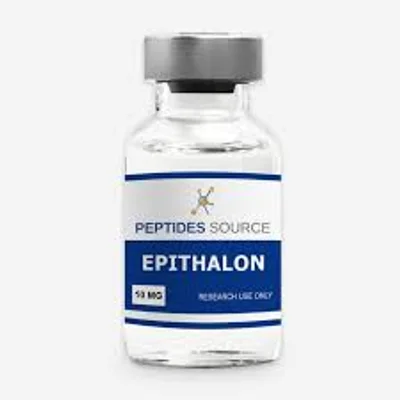
Epithalon has the weakest evidence base in this group. The concentration of published data within a single Russian research group and the absence of large-scale independent RCTs are serious scientific limitations - not minor caveats. The theoretical oncological concern around sustained telomerase activation in humans hasn't been adequately addressed. At mid-range pricing, the evidence-to-cost ratio is poor relative to spermidine.
Epithalon is frequently discussed alongside spermidine in longevity research contexts; direct evidentiary comparison demonstrates how the standards applied to spermidine look very different when applied to compounds with less independently replicated evidence.
What Is Spermidine? Chemical Identity, Classification, and Discovery
Spermidine (chemical formula C7H19N3, IUPAC name N-(3-aminopropyl)butane-1,4-diamine) is a naturally occurring polyamine found in virtually all living cells. It belongs to the polyamine family alongside putrescine and spermine - small aliphatic molecules with multiple amine groups that carry positive charges at physiological pH and interact extensively with negatively charged nucleic acids and cell membranes.
Polyamines were first identified in human semen by Antonie van Leeuwenhoek in the 17th century - the crystalline material he observed was later identified as a spermine phosphate salt, which is where the naming convention originates. Spermidine itself was biochemically characterized through the 20th century as researchers mapped polyamine biosynthesis: it's synthesized from putrescine via the enzyme spermidine synthase, using decarboxylated S-adenosylmethionine as the aminopropyl group donor.
Critically for longevity research, intracellular spermidine concentrations decline with age across multiple species - a pattern first documented systematically in the early 2000s and confirmed in subsequent human epidemiological work. This age-associated decline provided the initial mechanistic rationale for investigating whether supplementation could restore younger polyamine profiles.
Spermidine is not a peptide - it contains no peptide bonds and no amino acid sequence. Its inclusion on a peptide research platform reflects the broader scope of longevity-biology research rather than chemical classification.
---
Mechanism of Action: EP300 Inhibition, Autophagy Induction, and Why Researchers Are Interested
The primary mechanistic pathway linking spermidine to longevity research is autophagy induction. Autophagy - from the Greek for "self-eating" - is the cellular process by which damaged organelles, misfolded proteins, and other cellular debris get sequestered in autophagosomes and delivered to lysosomes for degradation and recycling. Autophagy declines with age, and that decline is associated with accumulation of damaged cellular components implicated in neurodegeneration, metabolic dysfunction, and tissue aging.
EP300 Inhibition as the Upstream Mechanism
Research published in *Nature Cell Biology* in 2011 (Eisenberg et al.) identified spermidine as an inhibitor of the acetyltransferase EP300 (also called p300/CBP). EP300 acetylates a range of targets including histones and autophagy-regulatory proteins. Spermidine's inhibition of EP300 results in hypoacetylation of these targets, which activates autophagy through downstream effects on the Beclin-1 pathway and the ATG (autophagy-related gene) protein network.
This mechanism has since been replicated in multiple model systems. Key downstream effects reported in research include:
- Induction of autophagosome formation (measurable by LC3-II flux assay)
- Mitophagy (selective autophagy of damaged mitochondria)
- Activation of the AMPK/mTORC1 axis (overlapping with other longevity pathways)
- Anti-inflammatory effects via inhibition of inflammatory gene acetylation
- Potential cardioprotective effects via autophagy in cardiac tissue
Why Autophagy Matters for Longevity Research
The 2016 Nobel Prize in Physiology or Medicine went to Yoshinori Ohsumi for discoveries of mechanisms for autophagy - a signal of how central this process has become to cell biology. Research across multiple organisms consistently shows that interventions upregulating autophagy (caloric restriction, rapamycin, certain fasting protocols) extend lifespan, while interventions that impair it shorten it. Spermidine's well-characterized position upstream of this process gives it a level of mechanistic plausibility that most longevity compounds don't have.
The critical caveat: a plausible mechanism isn't evidence of a clinical outcome. The gap between "induces autophagy in cultured cells" and "extends healthy human lifespan" is substantial, and current data doesn't bridge it.
---
Evidence Summary: Human Trials, Animal Models, and Epidemiological Data
Animal Studies (Robust, Cross-Species)
Animal evidence for spermidine is among the stronger foundations in longevity research:
- Yeast (S. cerevisiae): Eisenberg et al. (2009) reported that exogenous spermidine extended chronological lifespan, and this effect was abolished in autophagy-deficient strains - directly linking the lifespan effect to the autophagy mechanism.
- C. elegans: Lifespan extension reported in multiple independent studies; effect dependent on autophagy genes.
- Drosophila: Lifespan extension confirmed; neuroprotective effects in aging fly models also reported.
- Mice: Multiple studies report lifespan extension in aged mice with spermidine supplementation, including one showing roughly a 10% median lifespan increase in older animals. Cardiac studies in mice show autophagy induction and protection against age-related cardiac hypertrophy. These are animal data and don't establish human equivalence.
Human Epidemiological Data (Observational, Not Causal)
A large prospective epidemiological study from Austria (Kiechl et al., 2018, *BMJ*) analyzed dietary spermidine intake in 829 participants over a median follow-up of 20 years. Higher dietary spermidine intake was associated with lower all-cause mortality and reduced cardiovascular risk. This is observational data - it doesn't establish causality, and high dietary spermidine intake may simply be a marker for other healthy dietary patterns.
Human Interventional Trials (Limited, Preliminary)
This is where the evidence is both most important and most limited:
- **The SmartAge Trial (Schwarz et al., 2022, *Cortex*):** A randomized, double-blind, placebo-controlled trial (n=100, 60-96 years old, 12-month duration) investigating spermidine supplementation via wheat germ extract delivering approximately 1.2 mg/day in older adults with subjective cognitive decline. The trial found a statistically non-significant trend toward improvement in memory performance in the spermidine group versus placebo. It did not meet its primary endpoint. Sample size was small; effect sizes were modest.
- **Pilot Trial (Wirth et al., 2018, *Nutrients*):** A smaller placebo-controlled pilot (n=30, 3 months) using similar wheat germ extract dosing. Preliminary signals in memory composite scores were reported, providing the rationale for SmartAge.
- Ongoing trials: ClinicalTrials.gov lists several ongoing or recently completed trials examining spermidine in cognitive aging and cardiovascular outcomes. Results from these trials aren't yet comprehensively published at the time of this guide.
Summary assessment: One completed RCT with 100 participants that didn't meet its primary endpoint. Positive epidemiological association data. Robust animal data with cross-species replication. That's meaningfully more developed than most longevity research compounds - and materially less developed than what would be required to establish clinical efficacy.
---
How Spermidine Compares to Other Longevity-Research Compounds
Placing spermidine in context requires applying consistent evidentiary standards across the compounds most commonly discussed in longevity research.
Research Peptide Spermidine vs. Research Peptide NAD+
NAD+ (score: 68/100) operates via a distinct but overlapping set of pathways - sirtuin activation, PARP DNA repair, and mitochondrial function. The mechanistic case for NAD+ biology in aging is exceptionally well-developed, arguably the best-characterized pathway in the field. That said, injectable NAD+ specifically has very thin human evidence; the bulk of human trial data comes from oral NMN and NR supplementation, not direct injection. Injectable preparations also carry meaningful endotoxin contamination risk that many vendors don't adequately address via LAL (Limulus amebocyte lysate) testing.
Spermidine edges NAD+ on completed human RCT data for the specific compound form being discussed. NAD+ edges spermidine on mechanistic depth and breadth of preclinical research. Neither has robust human evidence for longevity-specific endpoints.
Pros of NAD+: Exceptionally well-characterized mechanism; injectable format bypasses oral bioavailability limitations; broad downstream relevance across multiple aging pathways.
Cons: Human injectable trial data is sparse; preclinical pro-tumorigenic signals at supraphysiological doses deserve attention; high cost versus oral precursor alternatives; endotoxin contamination is a non-trivial risk in poorly characterized preparations.
Research Peptide Spermidine vs. Research Peptide MOTS-c
MOTS-c (score: 62/100) is a mitochondria-encoded peptide with a well-established AMPK-pathway mechanism and consistent animal-model signals around metabolic regulation, insulin sensitivity, and physical performance in aged animals. Centenarian population data showing elevated MOTS-c levels is an interesting epidemiological angle. Human interventional trial evidence, though, is preliminary and unreplicated at scale - and premium pricing relative to a thin evidence base is a real limitation.
Spermidine has stronger completed human trial data. MOTS-c has interesting mechanistic specificity to mitochondrial biology that distinguishes it from spermidine's upstream autophagy focus.
Pros of MOTS-c: Endogenous peptide with AMPK/mitochondrial rationale; consistent animal metabolic data; centenarian association data adds epidemiological interest.
Cons: Human interventional evidence not yet replicated in large RCTs; premium pricing; short half-life requires reconstitution and careful handling; sourcing quality is variable.
Research Peptide Spermidine vs. Research Peptide Epithalon
Epithalon (score: 58/100) is a Soviet-era tetrapeptide (Ala-Glu-Asp-Gly) developed from pineal gland extracts with a proposed mechanism involving telomerase activation. The telomerase-aging connection is scientifically established, and Epithalon has some published human-level data. The core problem: nearly all of that evidence originates from a single Russian research group (Khavinson et al.) and hasn't been meaningfully replicated by independent international laboratories. The oncological implications of sustained exogenous telomerase activation in humans aren't adequately characterized either.
Spermidine has a substantially stronger and more independently replicated evidence base. Epithalon's mechanism is theoretically interesting but empirically underexplored by Western research standards.
Pros of Epithalon: Some human-level published data; low molecular weight with well-characterized structure; relatively benign reported side-effect profile.
Cons: Single-group evidence concentration is a major scientific limitation; no large placebo-controlled trials in high-impact journals; theoretical oncological concerns haven't been dismissed; the evidence base needs independent replication before it can be taken seriously.
---
Dietary vs. Supplemental vs. Research-Grade: What Form Are We Actually Talking About?
This distinction is essential for interpreting the evidence correctly.
Dietary Spermidine
Estimated typical dietary intake in Western populations ranges from approximately 7-25 mg/day depending on diet composition, with populations consuming more aged cheese, wheat germ, fermented foods, and legumes toward the higher end. Japanese dietary patterns - particularly high natto consumption - are associated with higher spermidine intake in epidemiological literature.
Wheat Germ Extract Supplements
Most commercially available and research-studied spermidine supplements use wheat germ extract standardized to spermidine content. The SmartAge and Wirth pilot trials both used this format, delivering approximately 1.2 mg/day of additional spermidine. These are legally sold as dietary supplements in most jurisdictions. Critical issue: standardization quality varies enormously across manufacturers, and actual spermidine content can differ substantially from label claims. COA verification from third-party analytical testing isn't optional for research purposes.
Synthetic/Research-Grade Spermidine
Higher-purity synthetic spermidine is available from research chemical suppliers and biochemical reagent companies. Purity specifications (typically >98% by HPLC) are verifiable via COA. This format is used in laboratory research rather than human supplementation contexts. No established human safety data exists for concentrated synthetic preparations at doses substantially above the dietary supplement range. Research use contexts only.
---
Dosing Ranges Reported in Research Contexts
> Disclaimer: The following dosing information is drawn from published research contexts only. It is not a recommendation for human use. Spermidine is not approved by the FDA, MHRA, TGA, or EMA as a drug treatment for any condition. Research-grade preparations in particular lack established human safety data. Consult a qualified clinician before making any supplementation decision.
- Epidemiological intake range associated with observational outcomes (Kiechl et al., 2018): Approximately 80-140 umol/day from dietary sources (roughly corresponding to 12-22 mg/day spermidine equivalent at the higher-intake tercile)
- Wheat germ extract dosing in completed RCT (SmartAge trial): Approximately 1.2 mg/day additional spermidine delivered via standardized wheat germ extract capsule
- Pilot trial dosing (Wirth et al., 2018): Similar range, 0.9-1.2 mg/day additional spermidine
- Mouse lifespan studies: Doses in the range of 3 mM in drinking water, not directly translatable to human dosing by simple allometric scaling
- No established dose-response curve in humans. No maximum tolerated dose study has been published for human supplementation contexts. Doses used in research trials have been conservative, well within the dietary-supplement range.
---
Reported Side Effects, Safety Signals, and Known Contraindications
From Published Trials
The SmartAge trial (n=100, 12 months) reported no serious adverse events attributable to spermidine supplementation. The adverse event profile was comparable between spermidine and placebo groups. The Wirth pilot trial similarly reported no notable adverse events.
Known Biochemistry-Based Considerations
- Polyamines interact extensively with cellular proliferation signaling. At physiological concentrations this is normal cellular function; at supraphysiological concentrations, theoretical concerns about polyamine involvement in tumor growth biology appear in the literature. This hasn't been demonstrated as a clinical risk at dietary supplement doses, but it's worth tracking for higher-dose research contexts.
- Spermidine is a substrate for amine oxidases, generating hydrogen peroxide as a byproduct. This is primarily relevant in high-dose research contexts.
- Contraindication consideration: Individuals with active malignancy or a history of polyamine-sensitive tumors should be aware of the theoretical polyamine-proliferation connection. No clinical guidance currently exists on this question.
- Wheat germ extract supplements contain gluten-associated proteins; individuals with celiac disease or wheat allergy should factor this in when selecting supplement forms.
Anecdotal User Reports
Gastrointestinal discomfort - mild nausea, loose stools - is the most commonly self-reported side effect among users discussing wheat germ extract supplements in community forums. These reports are not sourced from clinical trial data and represent anecdotal information only.
---
Legal and Regulatory Status by Region
United States
Spermidine is not scheduled and is not regulated as a drug by the FDA. Wheat germ extract supplements are sold legally as dietary supplements under DSHEA regulations. Synthetic research-grade spermidine is available as a laboratory reagent and research chemical. No FDA-approved drug application exists for spermidine. Marketing health claims on supplement products is regulated by FTC and FDA guidelines.
United Kingdom
Spermidine is not a controlled substance under the Misuse of Drugs Act. Supplement products are legal for sale. The MHRA regulates medicinal claims; products sold as food supplements cannot make disease-treatment claims. Post-Brexit, UK supplement regulation follows domestic MHRA guidance rather than EU frameworks.
European Union
Spermidine supplements are sold as food supplements in multiple EU member states. Novel Food Regulation (EU) 2015/2283 is relevant: isolated spermidine preparations at doses substantially above habitual dietary intake may be subject to novel food authorization requirements depending on the specific product and jurisdiction. Manufacturers operating in the EU market should have clarity on their regulatory pathway before making label claims.
Australia
The TGA regulates therapeutic goods. Wheat germ extract supplements are sold as complementary medicines. Synthetic research-grade spermidine for research use is subject to TGA import regulations. No TGA-registered product indication exists for spermidine.
---
Sourcing Considerations: What a Credible COA Looks Like
For any spermidine product being used in a research context, certificate of analysis verification is the baseline quality standard - not a nice-to-have.
What a Credible COA Should Include
- Identity confirmation: HPLC, NMR, or mass spectrometry confirming spermidine identity (not just generic polyamine content)
- Purity specification: For research-grade synthetic spermidine, >98% purity by HPLC is the standard. For wheat germ extract, spermidine content quantification by validated analytical method (HPLC-MS or enzymatic assay)
- Batch/lot number traceable to the specific product
- Third-party testing: COA issued by an independent accredited laboratory, not the vendor's in-house lab
- Heavy metals panel (lead, arsenic, cadmium, mercury) - particularly relevant for botanical extracts
- Microbial testing for finished supplement products
- Dated document - COAs more than 24 months old should be supplemented with more recent testing
Red Flags to Avoid
- No COA provided, or COA only available on request with unexplained delays
- COA from the vendor's own testing facility with no third-party accreditation
- Spermidine content claimed without specifying analytical method
- Vague "polyamine content" without spermidine-specific quantification
- Vendors making disease-treatment claims or using "cure" language
- No clear information about manufacturing origin or raw material sourcing
---
Quality Control and Variability: The Wheat Germ Extract Problem
This is a material issue that tends to get understated in discussions of spermidine supplementation research.
Wheat germ spermidine content is naturally variable - influenced by wheat variety, growing conditions, processing method, and storage. Published analyses of commercial wheat germ extract supplements have found substantial discrepancies between labeled and actual spermidine content. A 2021 analysis examining commercial products found variation exceeding 50% in some cases between claimed and measured spermidine content.
For research contexts, this variability has direct implications: a trial using a supplement of uncertain actual spermidine content can't be reliably interpreted or replicated. The SmartAge trial used a product with verified spermidine content (TiM spermidine, manufactured by Longevity Labs, with documented analytical verification) - that level of quality control is the exception in the commercial supplement market, not the rule.
For synthetic research-grade spermidine, the quality control situation is more straightforward - purity can be confirmed by HPLC and the compound is chemically well-characterized. The tradeoff is that no human safety data exists for concentrated synthetic spermidine at doses above the wheat germ extract supplement range, and the research relevance of high-purity synthetic preparations to the available human trial literature is limited.
Verifying COA data against third-party analytical standards is the only reliable way to assess product quality in either category.
---
Open Questions and Where the Research Needs to Go
The honest state of the field, as of the current literature:
1. Does spermidine supplementation durably induce autophagy in humans? Autophagy biomarkers haven't been consistently measured and reported in the published human RCT data. The animal mechanistic data is compelling; direct human autophagy induction evidence is limited.
2. What is the dose-response relationship in humans? The SmartAge trial used a relatively low dose. Whether higher doses produce stronger autophagy signals, different safety profiles, or better cognitive outcomes is unknown.
3. What are the relevant endpoint populations? Current evidence clusters around older adults with subjective cognitive decline. Whether spermidine is relevant for cardiovascular outcomes, metabolic health, or other longevity-adjacent endpoints in humans requires separate trials.
4. Long-term safety at doses above the dietary range. No trials have examined spermidine supplementation beyond 12 months at scale. The theoretical polyamine-proliferation concern hasn't been formally addressed in a longitudinal human safety study.
5. Independent replication of existing trials. The SmartAge trial needs independent replication with larger sample sizes and pre-specified primary endpoints powered for statistical significance.
6. Bioavailability and tissue distribution. Oral spermidine pharmacokinetics in humans aren't fully characterized. How much of supplemental spermidine reaches relevant tissues versus being metabolized in the gut is an open question with direct relevance to dose selection.
---
Where to Learn More: PubMed, ClinicalTrials.gov, and Key Primary Sources
Key Primary Literature
- Eisenberg T et al. (2009) "Induction of autophagy by spermidine promotes longevity" - *Nature Cell Biology* - foundational cross-species mechanism paper
- Eisenberg T et al. (2016) "Cardioprotection and lifespan extension by the natural polyamine spermidine" - *Nature Medicine* - mouse cardiac aging data
- Kiechl S et al. (2018) "Higher spermidine intake is linked to lower mortality" - *BMJ* - the key human epidemiological study
- Wirth M et al. (2018) "The effect of spermidine on memory performance in older adults at risk for dementia" - *Nutrients* - pilot RCT
- Schwarz C et al. (2022) "Safety and tolerability of spermidine supplementation in memory-impaired older adults" - *Cortex* - SmartAge RCT primary publication
Database Resources
- PubMed search: "spermidine autophagy aging" or "spermidine human trial" for current literature
- ClinicalTrials.gov: Search "spermidine" for registered trials and status updates
- The Autophagy journal (Taylor and Francis) for mechanism-focused primary research
---
Regulatory Disclaimer and Editorial Standards
This content is produced for educational and research-informational purposes only. It does not constitute medical advice, a clinical recommendation, or encouragement to self-administer any compound. Spermidine is not approved by the FDA, MHRA, TGA, or EMA as a drug treatment for any condition. Research-grade preparations are intended for laboratory research contexts only and lack established human safety data at concentrated doses.
Peptide Guides applies consistent evidentiary standards across all compound profiles, distinguishing human interventional trial data from animal studies from epidemiological associations from anecdotal reports. Where evidence is limited, that limitation is stated directly. Mechanism-based plausibility is noted but not substituted for clinical evidence.
Readers are encouraged to review primary literature via PubMed and consult qualified clinicians before making any health-related decisions.
Tips
- 1.Always request a third-party COA specifically confirming spermidine content by HPLC or mass spectrometry before purchasing any wheat germ extract supplement. Label claims for spermidine content have documented discrepancies of 50% or more in commercial products - that's not a rounding error, it matters for any research application.
- 2.When reading spermidine research, note whether the study used yeast, worms, flies, mice, or humans before drawing any conclusions about human applicability. The mechanistic chain from autophagy induction in S. cerevisiae to cognitive benefit in humans involves multiple unverified translational steps - each one is a gap, not a given.
- 3.If you're comparing spermidine to other longevity compounds for research prioritization, use a consistent evidence hierarchy: completed human RCT data outweighs animal data, which outweighs mechanistic plausibility alone. Always check sample sizes and whether primary endpoints were actually met - a trial that missed its primary endpoint is still informative, but it's not a positive result.
The Bottom Line
Spermidine is a genuinely unusual case in longevity research: an endogenous compound with a well-characterized mechanism, cross-species animal replication, epidemiological associations in large human cohorts, and at least one completed human RCT - putting it ahead of most compounds in this space on evidentiary grounds. That said, the SmartAge trial didn't meet its primary endpoint, the human evidence base is still thin, and significant quality-control variability in wheat germ extract products means sourcing discipline isn't optional for any research application. It earns the top position in this guide not because the evidence is strong enough to recommend it, but because it's the most honestly supported compound in a field where the bar for meaningful human evidence is rarely cleared at all.