
LEGAL-LANDSCAPE
Research Peptide Legal Status: US, UK, EU, and Australia Compared (2026 Guide)
What's regulated, what's a gray area, and what's outright banned — by jurisdiction.
Last updated: May 1, 2026
Quick Answer
Peptide legal status varies sharply across jurisdictions because no single international framework governs research peptides, leaving classification to national regimes including the US FDA (FD&C Act), UK MHRA (Medicines Act 1968), EU EMA, and Australia's TGA. Semaglutide is FDA-approved and available by prescription across all four jurisdictions, while compounds like BPC-157, TB-500, and Melanotan II are flagged by the MHRA as unlicensed medicines whose supply is a criminal offense in the UK and are scheduled or restricted in Australia, despite occupying a fragile gray-zone "research chemical" status in the US.
Peptide research content has a consistent blind spot: it treats legal status as a footnote rather than a foundational variable. A compound that's a legitimate prescription medicine in one country may be an unregistered research chemical in a second, explicitly prohibited in a third, and subject to seizure at the border in a fourth - sometimes simultaneously, for the same physical vial.
This isn't a minor compliance technicality. For researchers, clinicians, athletes, and biohackers, the legal classification of a peptide determines whether possession is lawful, whether importation triggers customs interdiction, whether a vendor can legally supply it, and whether a competitive athlete faces a ban. The regulatory frameworks governing these compounds - the FDA's analog provisions, the UK Medicines Act 1968, the EU's EMA centralized authorization system, and Australia's TGA scheduling regime - each approach novel peptides through a different conceptual lens, producing genuinely different outcomes for the same molecule.
This guide maps that landscape systematically. It organizes compounds into five tiers based on regulatory approval status, profiles the rules in each major jurisdiction, and uses three real compounds - semaglutide, BPC-157, and Melanotan II - to illustrate how dramatically legal exposure can differ depending on where you are, what you're doing, and how the compound reaches you. The goal isn't to advise on whether to use any compound. The goal is to make sure anyone engaging with peptide research understands the regulatory terrain they're actually navigating.
Featured Peptides
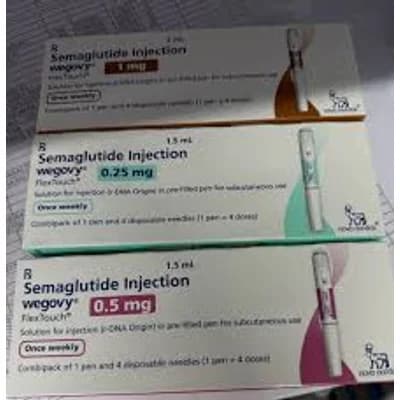
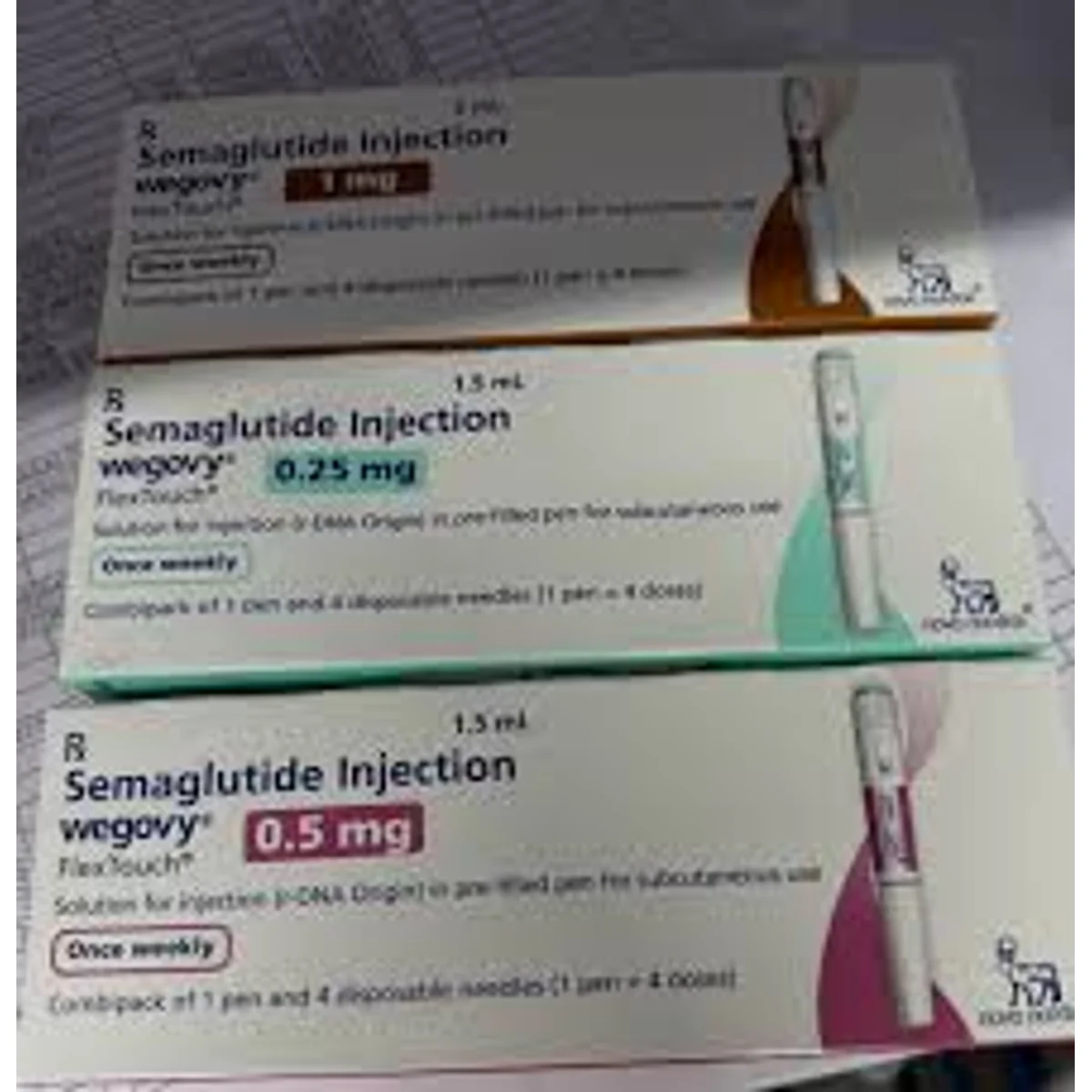
Prescription semaglutide is the clear top pick in this guide for one reason that overrides everything else: it's the only featured compound with a fully legitimate, quality-assured, legally mapped access pathway in all four major jurisdictions. Phase III RCT evidence from the SUSTAIN, STEP, and SELECT trial series backs the approved indications, and the prescription pathway via telehealth or in-person physician is straightforward in the US, UK, EU, and Australia. The significant cost burden and GI side effect profile during titration are real limitations, and discontinuation research consistently documents meaningful weight rebound - neither of those is a minor footnote.
Semaglutide anchors Tier 1 of the regulatory framework as the benchmark case of what full regulatory approval and legitimate access actually look like - the standard against which all other compounds in this guide are measured.
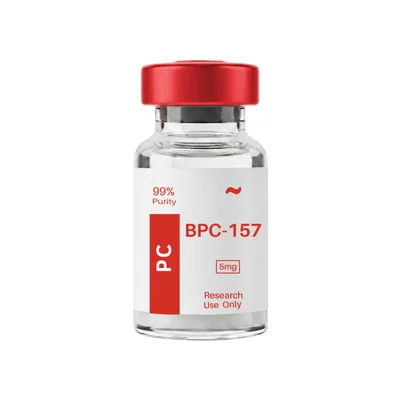
BPC-157 presents a genuine research interest - a large preclinical literature with mechanistic plausibility across multiple tissue types - combined with a complete absence of human RCT validation and meaningfully risky legal status in the UK and Australia. The US gray zone is real but narrower than most vendors imply. For anyone in the UK or Australia, the legal exposure from supply or importation is concrete, not theoretical. The evidence gap isn't a minor caveat; it's the central unresolved question about this compound.
BPC-157 is the most widely self-researched healing peptide in the biohacker community and illustrates precisely the Tier 4 regulatory position - genuinely ambiguous legal status that varies dramatically by jurisdiction, with no approval pathway anywhere.
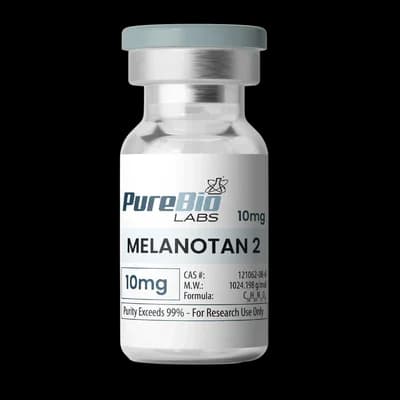
Melanotan II carries the highest legal exposure of any featured compound in this guide. Australia's explicit prohibition and active import interdiction, MHRA enforcement actions in the UK, and FDA warning letter history in the US collectively put this compound in a different risk category than BPC-157. The non-selective melanocortin receptor profile produces a broad and partly unwanted effect constellation, and the theoretical nevi-stimulation risk remains unresolved. The FDA-approved derivative bremelanotide (PT-141) validates the mechanistic pathway while offering a legal prescription alternative for the primary sexual health indication.
Melanotan II illustrates Tier 5 - explicitly prohibited or high-risk legal exposure - and shows how a documented history of regulatory enforcement actions distinguishes this compound from gray-zone research chemicals where active enforcement is less established.
Why Legal Status Varies So Dramatically Across Jurisdictions - and Why It Matters
No single international framework governs novel therapeutic peptides. The WHO's International Nonproprietary Name system provides naming conventions, and UN drug conventions cover scheduled narcotics and psychotropics, but they don't create binding rules for most research peptides. What fills that gap is a patchwork of national medicines regulation, customs law, anti-doping rules, and case-by-case enforcement discretion.
The practical consequence: the same peptide can be a Schedule 4 prescription-only medicine in Australia, an unlicensed but not explicitly prohibited research chemical in the United States, a medicine requiring a marketing authorization in the UK, and subject to highly variable treatment across EU member states - all at once. Researchers who rely on content that ignores this variation are navigating blind.
Legal status matters for several distinct reasons:
- Possession risk. In jurisdictions where a compound is scheduled or regulated as a medicine without a prescription exemption, personal possession may constitute a criminal or civil offense.
- Import interdiction. Customs agencies in the UK, EU, US, and Australia routinely seize unlicensed pharmaceutical imports. Whether a seized package results in a warning letter or criminal referral depends heavily on jurisdiction, quantity, and compound classification.
- Vendor liability. Vendors supplying research chemicals that are implicitly or explicitly regulated as medicines face varying levels of enforcement risk depending on jurisdiction.
- Athlete eligibility. WADA prohibition applies as a separate legal layer, independent of whether civilian possession is lawful.
- Quality assurance gap. Regulatory approval is the mechanism through which manufacturing standards, purity testing, and dosing accuracy are legally enforced. Research chemicals operate entirely outside this system.
---
Regulatory Framework Primer: How Each Jurisdiction Classifies Novel Peptides
United States: FDA and the Research-Chemical Loophole
The FDA regulates drugs under the Federal Food, Drug, and Cosmetic Act (FD&C Act). A substance becomes a regulated drug when it's intended for use in the diagnosis, cure, treatment, or prevention of disease. The Federal Analog Act (21 USC 813) extends Schedule I scheduling to substances substantially similar to existing Schedule I or II controlled substances - but most research peptides aren't structurally similar to controlled substances, so the Analog Act doesn't typically apply.
The practical result: peptides without an approved NDA or BLA exist in a documented gray zone. Selling them for human use is prohibited. Selling them as "research chemicals" with no implied human-use claim occupies a legally ambiguous but largely unenforced space - provided vendors don't make therapeutic claims and don't market for human consumption. This loophole is real but fragile; FDA has taken enforcement action against specific vendors making explicit health claims.
United Kingdom: Medicines Act 1968 and MHRA
The UK regulates medicines under the Medicines Act 1968 and the Human Medicines Regulations 2012. A substance is a medicinal product if it's presented as having therapeutic properties or if it functions as one. The MHRA has published guidance confirming that many research peptides - including BPC-157, TB-500, and melanotan compounds - may qualify as unlicensed medicines, the supply of which is a criminal offense under UK law. Post-Brexit, the UK no longer automatically follows EMA decisions and maintains its own licensing regime.
European Union: EMA Centralized Authorization and Member-State Divergence
The EMA grants centralized marketing authorizations valid across all EU member states for certain categories of medicines. Member states retain authority over substances not covered by centralized authorization, though, which creates significant within-EU variation. A peptide that's tolerated as a research chemical in one member state may be treated as an unauthorized medicine in another. Researchers in Germany, France, and the Netherlands face meaningfully different regulatory environments despite sharing the same overarching EU pharmaceutical law framework.
Australia: TGA Scheduling and the ARTG
Australia operates one of the most restrictive regulatory regimes for novel peptides among major markets. The Therapeutic Goods Administration (TGA) uses a scheduling system under the Therapeutic Goods Act 1989. Substances not listed on the Australian Register of Therapeutic Goods (ARTG) and not covered by an exemption are illegal to import, supply, or possess for therapeutic use. The TGA has explicitly scheduled several research peptides - including melanotan compounds - and actively communicates import interception risk. There's no functional research-chemical loophole equivalent to the US framework.
---
Tier 1 - Approved Prescription Drugs: Semaglutide and Tirzepatide
Prescription Semaglutide (Ozempic / Wegovy) is the clearest case in this guide: a compound with full regulatory approval, a defined prescription access pathway, and extensive Phase III RCT evidence supporting the approved indications.
What Legal Access Actually Looks Like
In the United States: Ozempic (semaglutide 0.5mg, 1mg, 2mg) is FDA-approved for type 2 diabetes management. Wegovy (semaglutide 2.4mg) is FDA-approved for chronic weight management in adults with obesity or overweight with at least one weight-related comorbidity. Prescription via a licensed physician or telehealth platform (Ro, Hims, Mochi Health, and others) is the legally unambiguous access pathway. Compounded semaglutide from 503A/503B pharmacies was temporarily available during the shortage period; FDA has signaled intent to restrict this pathway as supply normalizes. Sourcing semaglutide as a research chemical from unregulated vendors falls explicitly outside the legal framework and is strongly discouraged.
In the United Kingdom: Ozempic and Wegovy both hold MHRA approval. Prescription is required. UK telehealth platforms offer legitimate access pathways. As with the US, unregulated sourcing isn't a legal alternative.
In the European Union: EMA has granted centralized marketing authorization for both Ozempic and Wegovy. National prescription pathways apply. Coverage and reimbursement vary significantly by member state.
In Australia: Both Ozempic and Wegovy hold TGA registration and are available via prescription. The TGA has also approved the weight management indication, though PBS subsidy coverage has been a separate, evolving policy question.
Evidence Profile
The SUSTAIN trial series (type 2 diabetes) and STEP trial series (weight management) collectively represent some of the most rigorous Phase III RCT evidence in the metabolic medicine space. The SELECT trial (2023, n=17,604) demonstrated cardiovascular mortality benefit in non-diabetic patients with obesity and established cardiovascular disease - a clinically significant finding that distinguishes semaglutide from purely aesthetic weight-loss interventions.
Honest Limitations: List pricing in the US frequently exceeds $1,300/month, with inconsistent insurance coverage for the weight management indication. Research consistently documents meaningful rebound weight regain following discontinuation, which raises real questions about long-term use requirements. GI side effects during titration - nausea, vomiting, diarrhea - produce meaningful dropout rates in trials. A black box warning for medullary thyroid carcinoma exists based on rodent studies; the human relevance remains uncertain but isn't zero.
> Regulatory note: Semaglutide is the only compound in this guide for which a straightforward, legal, quality-assured access pathway exists in all four major jurisdictions. For any other compound covered below, the legal picture gets considerably more complicated.
---
Tier 2 - Narrow or Conditional Approvals: Tesamorelin, Cerebrolysin, Semax, and Selank
This tier contains compounds with approval in at least one jurisdiction, but not approval across all major markets. These aren't covered by featured products in this guide, but the tier is important for contextualizing the regulatory spectrum.
Tesamorelin holds FDA approval specifically for HIV-associated lipodystrophy (as Egrifta). That narrow indication means it's legally accessible via prescription in the US for that specific use, but off-label use exists in a different legal context, and the compound has no equivalent approval in the UK, EU, or Australia for general use.
Cerebrolysin is registered in several Eastern European and Asian markets but holds no FDA, MHRA, or EMA approval. It occupies research-chemical status in the US, UK, and Australia.
Semax and Selank, developed and approved in Russia for specific neurological indications, have no approval in any Western jurisdiction. They're not controlled substances in most Western markets but are unregistered medicines, making supply technically unlawful in the UK and Australia, and sitting in a gray zone in the US and EU.
---
Tier 3 - Investigational Compounds With No Approved Access Pathway: Retatrutide
Retatrutide (a GIP/GLP-1/glucagon triple agonist) has shown promising Phase II results but hasn't completed Phase III trials as of mid-2026. No approved access pathway exists in any jurisdiction. Unlike semaglutide, it can't be legally obtained via prescription. Compounding pharmacies can't legally produce it. Its status as a research chemical is its only current categorization - and that categorization comes with all the quality assurance gaps and legal uncertainty that implies.
---
Tier 4 - Research Chemicals in Genuine Gray Areas: BPC-157, TB-500, Ipamorelin, MK-677, PT-141, Thymosin Alpha-1, Epithalon
Research Peptide BPC-157
BPC-157 (Body Protection Compound-157) is a synthetic pentadecapeptide derived from a protein found in gastric juice. It holds no regulatory approval in any major market. It's not a scheduled controlled substance in the US (no Analog Act trigger), sits in an explicit unlicensed-medicine gray zone in the UK, and is subject to import restriction in Australia - though it doesn't appear on the TGA's explicit prohibition list as of mid-2026 in the same way melanotan compounds do.
The evidence problem is foundational: as of mid-2026, no completed human RCTs have been published. The preclinical literature is extensive - rodent models show tissue healing effects across tendon, gut lining, nerve, and muscle - but the evidence base is concentrated within a relatively small number of research groups, limiting independent replication. The therapeutic premise for humans remains unvalidated.
User self-reports in biohacker communities (anecdotal, not controlled data) describe a low side-effect burden and subjective tissue recovery benefits. That's not clinical evidence. It is, though, a consistent pattern in community reporting.
Legal exposure summary by jurisdiction:
- US: Research-chemical gray zone. Selling for human use is prohibited. Possession for research purposes isn't explicitly illegal in most states.
- UK: Likely constitutes an unlicensed medicine under MHRA interpretation; supply is a criminal offense.
- EU: Variable by member state.
- Australia: Import and supply without TGA registration is prohibited; enforcement risk is real.
Honest assessment: BPC-157 is the most widely self-researched healing peptide in the biohacker community. Its preclinical record is genuinely interesting. Its human evidence gap is genuinely large. Its legal status in the UK and Australia is genuinely risky. All three of those things are simultaneously true.
---
Tier 5 - Explicitly Prohibited or High-Risk Legal Exposure: Melanotan II and Dihexa
Research Peptide Melanotan II
Melanotan II (MT-II) is a synthetic analog of alpha-melanocyte-stimulating hormone (alpha-MSH). It's a non-selective agonist at multiple melanocortin receptors (MC1R through MC5R), which produces a constellation of simultaneous effects: melanogenesis (tanning), reduced appetite, and erectogenic activity. It's not approved in any major jurisdiction.
The regulatory picture here is the worst in this guide. Australia has explicitly prohibited melanotan compounds. The TGA actively communicates seizure risk for imported MT-II. In the UK, MHRA has taken enforcement action against MT-II suppliers and issued public safety warnings. In the US, FDA has issued warning letters to vendors. The EU picture varies by member state but trends toward active restriction.
The evidence picture is mixed. MT-II has more documented human trial data than BPC-157 - small studies do exist examining erectogenic effects and tanning responses. The derivative compound bremelanotide (PT-141) achieved FDA approval as Vyleesi for hypoactive sexual desire disorder in premenopausal women, which validates the mechanistic pathway. MT-II itself, though, has a documented high incidence of nausea and vomiting in human trials even at research doses, and theoretical concerns about stimulating nevi changes and melanocyte proliferation remain unresolved.
The non-selective receptor profile is a specific concern: MT-II activates MC1R (pigmentation), MC3R (appetite/metabolism), MC4R (sexual function/appetite), and MC5R (exocrine glands) simultaneously. There's no way to isolate the desired effect from the full receptor activation profile. Bremelanotide/PT-141 was developed partly to address this by optimizing for MC4R selectivity.
Legal exposure summary by jurisdiction:
- US: Selling for human use is prohibited. Research-chemical supply sits in a gray zone, but FDA has taken active enforcement action against specific vendors.
- UK: MHRA has explicitly warned against supply; enforcement actions are documented.
- EU: Varies significantly by member state; generally treated as an unauthorized medicine.
- Australia: Explicitly prohibited. TGA actively intercepts imports. This is the highest-risk jurisdiction for MT-II possession.
---
Jurisdiction-by-Jurisdiction Comparison Table
| Compound | US Status | UK Status | EU Status | Australia Status |
|---|---|---|---|---|
| Semaglutide | FDA-approved Rx | MHRA-approved Rx | EMA-approved Rx | TGA-approved Rx |
| BPC-157 | Research chemical (gray zone) | Likely unlicensed medicine (supply offense) | Variable by member state | Prohibited import/supply without ARTG |
| Melanotan II | Research chemical (gray zone, FDA enforcement history) | Explicitly warned; supply enforcement documented | Variable; generally unauthorized medicine | Explicitly prohibited; active interdiction |
| Tesamorelin | FDA-approved Rx (narrow indication) | No approval | No EMA approval | No TGA approval |
| MK-677 | Research chemical (gray zone) | Likely unlicensed medicine | Variable | Prohibited without ARTG |
| PT-141 (Bremelanotide) | FDA-approved Rx (Vyleesi) | No MHRA approval | No EMA approval | No TGA approval |
| Ipamorelin | Research chemical (gray zone) | Likely unlicensed medicine | Variable | Prohibited without ARTG |
| Epithalon | Research chemical (gray zone) | Likely unlicensed medicine | Variable | Prohibited without ARTG |
| Retatrutide | No approval anywhere | No approval | No approval | No approval |
---
Compounding Pharmacies: Legal Gray Area or Legitimate Pathway?
Compounding pharmacies occupy a specific and often misunderstood role in the peptide legal landscape.
In the US, 503A compounding pharmacies can legally produce copies of FDA-approved drugs - including semaglutide - for individual patients with a valid prescription, provided the drug appears on the FDA shortage list. This pathway was broadly used during the 2023-2024 semaglutide shortage. As branded supply normalizes, FDA has signaled it'll restrict compounded semaglutide, and the regulatory picture is actively evolving. For research chemicals like BPC-157, compounding pharmacies can't create a legitimate legal pathway - they're not producing copies of approved drugs.
503B outsourcing facilities operate under stricter FDA oversight and can produce larger quantities for healthcare institutions. They're not a consumer-access vehicle.
In the UK, specials manufacturers can produce unlicensed medicines for individual patients under a prescriber's direction - but this requires a prescriber willing to take responsibility for an unlicensed product, which is a high bar for most research peptides.
Australia's TGA has a Special Access Scheme (SAS) and the Authorised Prescriber (AP) scheme that theoretically allow access to unapproved therapeutic goods in specific clinical circumstances. In practice, these pathways are rarely used for research peptides and require significant institutional justification.
---
WADA Prohibition Status: A Separate Legal Layer for Competitive Athletes
For any competitive athlete subject to anti-doping rules, WADA prohibition operates as an entirely separate legal layer, independent of civilian legality.
The World Anti-Doping Code's Prohibited List includes categories rather than exhaustive compound-by-compound listings. This means:
- Peptide hormones and growth factors (S2 category) covers GH secretagogues including ipamorelin and MK-677. A compound doesn't need to be named explicitly to fall under this prohibition.
- Metabolic modulators (S4 category) may capture compounds with metabolic effects.
- Melanotan II has been specifically addressed in WADA guidance.
- BPC-157 isn't currently on the prohibited list as of mid-2026, but its status isn't permanently fixed and should be verified against the current Prohibited List before any competition-season use.
An athlete who possesses a compound legally under civilian law can still face a multi-year ban for a positive test. Legal possession and WADA compliance aren't the same question.
---
What a Legally Compliant Research Context Actually Requires
The term "research chemical" carries an implicit claim: that the substance is being used for genuine research, not human consumption. For this claim to hold regulatory weight, it requires more than purchasing a vial labeled "not for human consumption."
A genuinely compliant research context typically involves:
- Institutional oversight (IRB/ethics committee approval for human-subjects research)
- A documented research protocol
- A qualified researcher with appropriate credentials
- A controlled laboratory environment
- Compliance with local institutional and government regulations
Most individual biohackers purchasing research chemicals aren't operating in this context. That's not a moral judgment - it's a legal reality that matters for understanding personal risk exposure. The research-chemical label gives a vendor some legal distance; it doesn't automatically confer legal protection on the purchaser.
---
Sourcing and COA Standards: What Credible Documentation Looks Like
For research contexts, Certificate of Analysis (COA) quality is the primary quality signal available, given the absence of regulatory manufacturing oversight.
A credible COA should include:
- Third-party testing from an ISO/IEC 17025-accredited laboratory (not internal testing)
- Compound identity confirmation via HPLC and mass spectrometry
- Purity percentage (research-grade compounds typically require greater than 98% purity)
- A batch or lot number traceable to the specific product
- Testing date (not more than 12 months old for most peptides)
- Absence of common contaminants (bacterial endotoxins, residual solvents)
Red flags in vendor documentation:
- COAs from internal testing only
- Purity claims without specifying the testing method
- No batch number, or batch numbers that can't be traced
- Missing endotoxin testing (particularly relevant for injectable research use)
- No listed accreditation for the testing laboratory
- Laboratories that can't be independently verified
Vendors who don't provide COAs on request, don't require any age or identity verification, or make explicit therapeutic claims for human use on their websites are operating outside any credible research-chemical framework - regardless of what their packaging says.
---
Regulatory Disclaimer and Editorial Methodology
This guide is published for educational and informational purposes only. It doesn't constitute medical or legal advice. Peptide Guides is a research-aggregator publication; nothing in this content should be interpreted as a recommendation to use, possess, import, or purchase any compound described.
Legal status information reflects publicly available regulatory documentation as of mid-2026. Regulatory classifications change. Readers are responsible for verifying current status in their jurisdiction before making any procurement or possession decision. This guide doesn't substitute for qualified legal counsel.
The compounds described in this guide - with the specific exception of prescription semaglutide accessed via licensed prescription - are not approved for human use in the jurisdictions covered. Research chemicals carry no regulatory quality assurance, no confirmed human dosing data, and no legal access pathway for personal use in most jurisdictions.
Editorial methodology: tier assignments in this guide are based on regulatory approval status as documented by FDA, MHRA, EMA, and TGA. Evidence ratings reflect the volume and quality of human trial data available. No vendor relationships influenced tier placement or content framing.
Tips
- 1.Before procuring any research peptide, verify its current scheduling status directly with the relevant national medicines agency (FDA, MHRA, TGA) rather than relying on vendor claims or community forums. Classifications change and enforcement posture shifts without notice.
- 2.For competitive athletes, check the current WADA Prohibited List independently for every compound under consideration, every season. Civilian legal status and WADA compliance status are separate questions with separate consequences - don't assume one tells you anything about the other.
- 3.When evaluating a COA, confirm the testing laboratory is independently verifiable and holds ISO/IEC 17025 accreditation. Internal COAs from non-accredited labs provide no meaningful quality assurance and shouldn't be treated as equivalent documentation.
The Bottom Line
The regulatory landscape for research peptides isn't a uniform gray area - it's a structured spectrum running from full prescription approval to explicit prohibition, and where any given compound sits on that spectrum differs meaningfully between the US, UK, EU, and Australia. Prescription semaglutide is the clear reference point for what legitimate, quality-assured access looks like, and it's the only featured compound here with a fully legal pathway in all four jurisdictions. BPC-157 and Melanotan II both carry jurisdiction-specific legal risks that are concrete, not theoretical, and researchers engaging with either compound should treat the legal dimension as a primary variable rather than an afterthought.
Frequently Asked Questions
Is BPC-157 legal to buy in the United States in 2025?
Can I legally import research peptides like Melanotan II into Australia?
What is the legal difference between prescription semaglutide (Ozempic, Wegovy) and research peptides like BPC-157?
Is Melanotan II legal in the UK in 2025?
Does WADA's ban on peptides like BPC-157 apply even where possession is legally allowed?
How does research peptide legal status vary across EU member states in 2025?
Related Guides
STACK
The Skin and Anti-Aging Peptide Stack: GHK-Cu, BPC-157, Pentadeca Arginate, and KPV in Research (2026 Guide)
GHK-Cu is the strongest compound in this stack on evidence quality alone - it's the only one with multiple small human RCTs, decades of published mechanistic research dating back to 1973, and a reasonably clean preliminary safety profile across topical and in vitro models. The other three compounds are preclinical-only, which makes GHK-Cu the clearest anchor for any researcher building a skin and recovery peptide stack in 2026.
HOW TO
Peptides 101: A Beginner's Guide to the Research Landscape (2026 Edition)
Peptides are short chains of amino acids (typically fewer than 50) linked by peptide bonds, ranging from endogenous molecules like the tripeptide GHK-Cu to synthetic analogs engineered for receptor selectivity or extended half-life. The evidence behind specific peptides varies dramatically: semaglutide is FDA-approved and supported by Phase III trials with sample sizes in the thousands, while compounds like BPC-157 remain research chemicals with little or no human trial data. Evaluating any peptide claim requires matching it to a standard evidence hierarchy, where in vitro and rodent findings sit far below replicated randomized controlled trials.
HOW TO
How to Read a Peptide Certificate of Analysis (COA): A Researcher's Field Guide
A peptide Certificate of Analysis (COA) is a laboratory-issued document reporting identity, purity, and safety testing for a specific batch of compound, answering three questions: is it the right compound, how much is present, and is it safe to handle. Prescription peptides like semaglutide are manufactured under FDA-enforced GMP standards with legally accountable COAs, while research chemicals such as BPC-157 and GHK-Cu carry no mandated COA content, making ISO 17025 laboratory accreditation, HPLC purity, mass spectrometry identity confirmation, and endotoxin testing the key fields researchers must evaluate independently.