
HOW TO
Peptides 101: A Beginner's Guide to the Research Landscape (2026 Edition)
What peptides are, how evidence is graded, and why sourcing matters before anything else.
Last updated: May 1, 2026
Quick Answer
Peptides are short chains of amino acids (typically fewer than 50) linked by peptide bonds, ranging from endogenous molecules like the tripeptide GHK-Cu to synthetic analogs engineered for receptor selectivity or extended half-life. The evidence behind specific peptides varies dramatically: semaglutide is FDA-approved and supported by Phase III trials with sample sizes in the thousands, while compounds like BPC-157 remain research chemicals with little or no human trial data. Evaluating any peptide claim requires matching it to a standard evidence hierarchy, where in vitro and rodent findings sit far below replicated randomized controlled trials.
Peptide content online tends to fall into one of two failure modes: breathless enthusiasm that treats rodent data as clinical proof, or reflexive dismissal that ignores a genuinely interesting and fast-moving research field. Neither is useful if you're trying to figure out what the evidence actually shows.
This guide isn't about telling you which peptides to use. It's about building a framework for evaluating any peptide claim you run across - whether it shows up in a PubMed abstract, a Reddit thread, or a vendor's product page. The single most important skill here is learning to distinguish the tier of evidence behind a claim from the confidence of the claim itself. A bold assertion backed by one rat study and a bold assertion backed by a 17,000-participant Phase III RCT are not the same thing, even when they're written in identical language.
The compounds in this guide were chosen specifically to illustrate different rungs of the evidence ladder, ranging from FDA-approved prescription drugs with multiple replicated trials down to compounds with essentially no human data at all. The goal isn't to rank their usefulness - it's to make the evidentiary distance between them visible. By the time you finish reading, you should be able to apply the same critical lens to any peptide you research going forward.
Featured Peptides
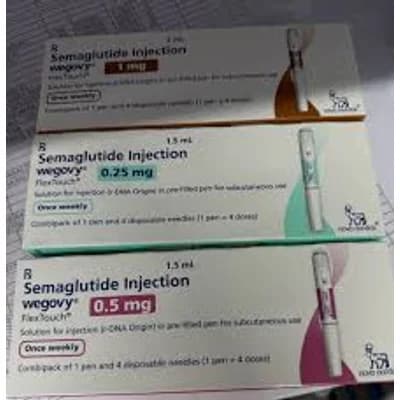
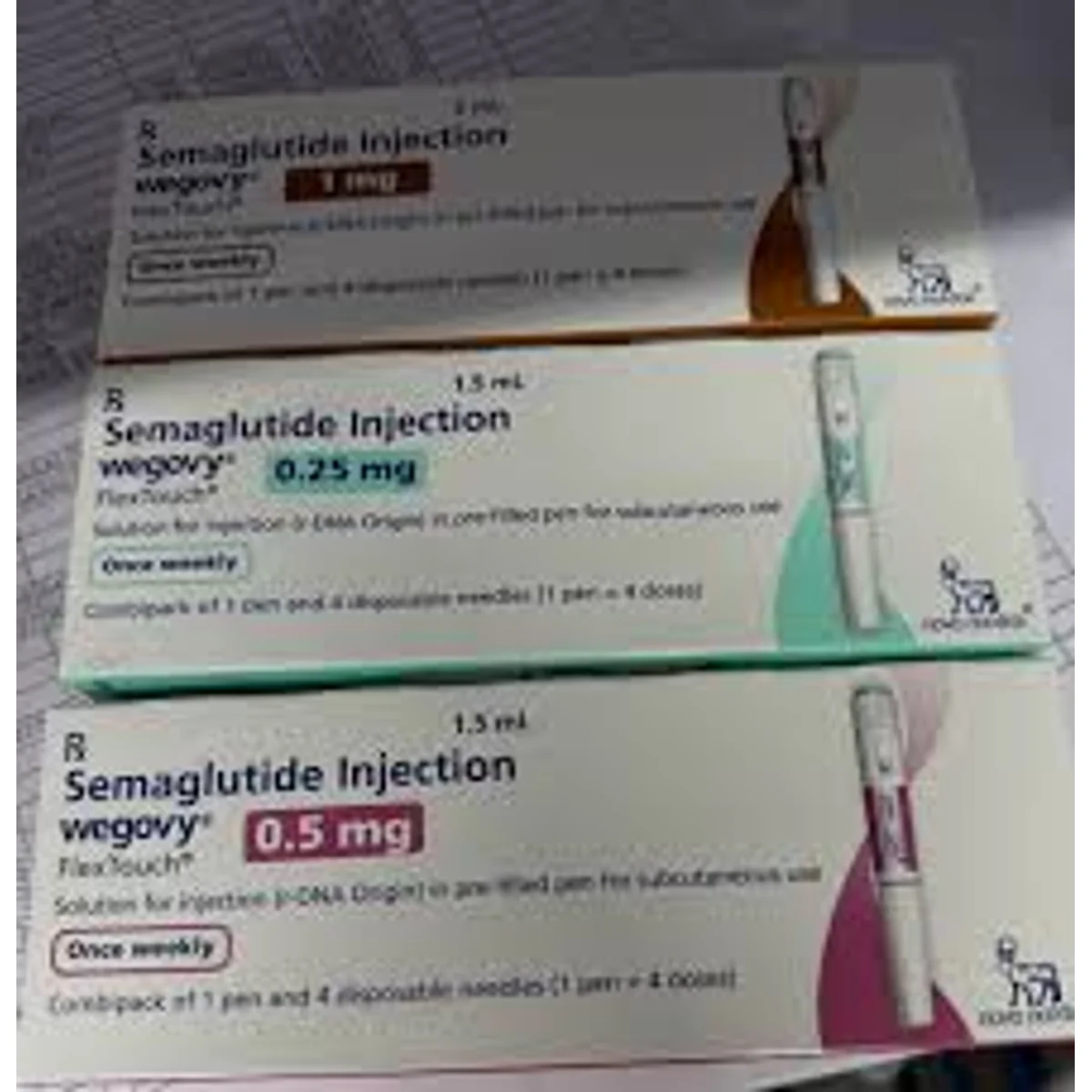
Semaglutide (Ozempic / Wegovy) is the clearest available example of what Tier 1 peptide evidence looks like - multiple large Phase III RCTs, independent replication, FDA approval, and a defined prescription pathway. Its inclusion here isn't primarily a product recommendation; it's a calibration point. Understanding what this level of evidence actually requires makes it much easier to recognize how far below it most research chemicals sit. The cost and side-effect burden are real and documented, and the discontinuation rebound data raises genuine long-term questions worth taking seriously.
Represents the gold standard of human clinical evidence in the peptide and peptide-adjacent space, providing a concrete Tier 1 benchmark against which all other compounds in this guide can be calibrated.
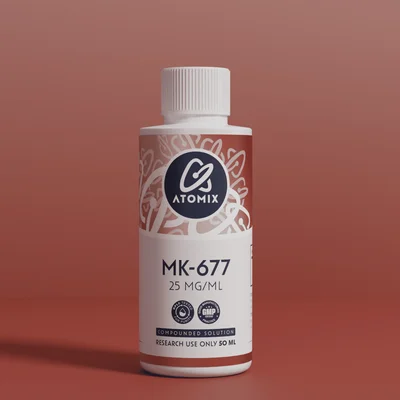
MK-677 sits in a genuinely unusual position - a research chemical with multiple completed double-blind, placebo-controlled human trials, which puts it meaningfully above most compounds in this category. The documented insulin sensitivity impairment from the 12-month trial isn't a minor footnote; it's a primary consideration for any metabolic health research context. The oral bioavailability is a legitimate practical advantage over injectable alternatives, but it doesn't change the legal status.
Illustrates Tier 2 of the evidence hierarchy - early human trial data with established mechanisms but no regulatory approval, and a side-effect profile documented in actual controlled research rather than anecdote.
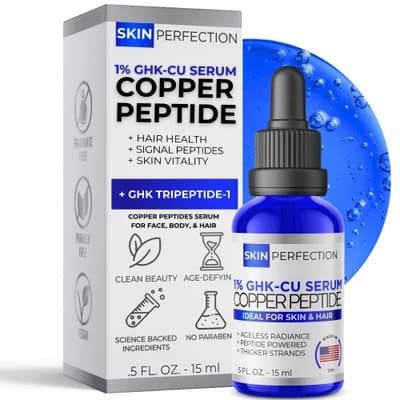
GHK-Cu has the longest research history of any compound in this guide - five decades from initial isolation - and the topical evidence base is comparatively credible for a research peptide. The gap between its topical evidence and its injectable use cases is significant and frequently obscured in vendor communications. The computational gene-expression claim is often cited in a way that implies clinical evidence it doesn't actually represent.
Illustrates how a compound can have genuine mechanistic depth and a credible topical evidence base while having essentially no human data for its most commercially promoted applications (systemic injection).
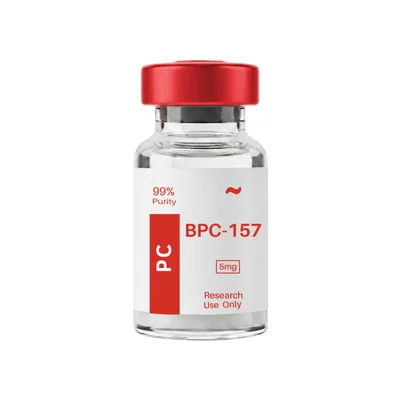
BPC-157 is the paradigm case for understanding the gap between preclinical enthusiasm and clinical evidence. The rodent literature is genuinely large and mechanistically interesting. The absence of a single completed human RCT as of mid-2025 - despite substantial community use and years of commercial availability - is the defining fact about its evidence status. Widespread positive anecdote from that community doesn't advance its evidentiary tier; anecdote can't distinguish from placebo or identify low-frequency adverse events.
The most prominent Tier 3 example available - extensive preclinical record, large self-reporting community, and zero human RCT data - making it the clearest illustration of what preclinical evidence can and cannot establish.
What Is a Peptide? Chemical Identity and Why the Category Is So Broad
A peptide is a short chain of amino acids linked by peptide bonds. By convention, chains of fewer than roughly 50 amino acids are called peptides; longer chains are classified as proteins. The distinction is approximate and context-dependent, but it matters for pharmacology because chain length affects how a molecule is absorbed, distributed, metabolized, and excreted.
The "peptide" category in research and commercial contexts spans an enormous range. At one end are endogenous molecules the body already produces - GHK-Cu, for instance, is a tripeptide (glycine-histidine-lysine) found naturally in human plasma. At the other end are synthetic analogs engineered to mimic, amplify, or selectively activate natural signaling pathways, sometimes with structural modifications that extend half-life or improve receptor selectivity.
This breadth is why the category resists simple generalization. A topically applied copper tripeptide and an injectable growth hormone secretagogue are both "peptides," but they have almost nothing else in common pharmacologically. Evaluating any specific peptide means setting aside category-level assumptions and looking at the specific molecule, the specific mechanism, and the specific evidence.
Key chemical facts that matter for evaluation:
- Peptides are generally degraded by proteases in the GI tract, which is why most are administered by subcutaneous injection rather than orally. Notable exceptions exist - MK-677 is orally bioavailable, and oral semaglutide formulations now exist with absorption enhancers.
- Molecular weight and structure affect whether a peptide can cross biological barriers - the blood-brain barrier isn't permeable to most peptides without specialized delivery mechanisms.
- Stability matters for supply chain quality. Peptides are sensitive to heat, light, and moisture. A peptide that's been improperly stored may be partially or fully degraded before it reaches any research setting.
---
The Evidence Hierarchy: How to Read Peptide Research Without Getting Misled
Not all scientific evidence is equal. The research community has developed a hierarchy for evaluating how much weight to give any therapeutic claim. Understanding this hierarchy is the most practical tool available for navigating peptide research.
The Standard Evidence Hierarchy (Simplified)
Level 1 - Systematic reviews and meta-analyses of RCTs
The highest standard. Multiple independent RCTs are pooled and analyzed, reducing the risk that any one study's quirks drive the conclusion.
Level 2 - Individual Phase III RCTs
Large, randomized, double-blind, placebo-controlled trials with pre-registered endpoints. These are the trials required for FDA approval. Sample sizes typically run into the thousands.
Level 3 - Phase II trials and smaller RCTs
Smaller randomized trials, often fewer than a few hundred participants. They can establish proof of concept and generate dosing data, but replication isn't confirmed.
Level 4 - Observational studies, case series, open-label trials
No randomization or blinding. Useful for generating hypotheses, not for establishing causation.
Level 5 - Animal studies (in vivo)
Critical for mechanistic understanding and safety screening, but extrapolation to humans requires independent human-trial replication. Many compounds that perform well in rodent models fail in human trials.
Level 6 - Cell culture studies (in vitro)
Useful for isolating mechanisms at the cellular level, but even further removed from human physiology. Thousands of compounds show activity in vitro that never translates to clinical benefit.
Level 7 - Expert opinion, anecdote, case reports
Not evidence in the scientific sense. Useful as a signal for what to investigate, not as proof of effect.
How Peptide Marketing Exploits This Hierarchy
The most common tactic in peptide marketing is citation laundering: referencing a real study - often an animal study or an in vitro experiment - to imply clinical evidence exists. A product page might cite a 2019 rat study on tendon healing and present it as evidence that the compound "supports tissue recovery." That's technically not a lie, but it's deliberately misleading about the quality of evidence behind the claim.
A second tactic is mechanism laundering: describing a plausible mechanism of action so compellingly that the absence of human evidence becomes invisible. "Activates the VEGF pathway to promote angiogenesis" sounds clinical. It may accurately describe what happens in cell culture. It doesn't establish that the effect occurs in intact human physiology at any dose achievable through current delivery methods.
When reading any peptide claim, ask three questions:
1. What tier of evidence is this? (Human RCT, animal study, in vitro, anecdote?)
2. Who conducted the research, and has it been independently replicated?
3. Is the outcome measured in the study the same outcome being claimed by the product?
---
Prescription Drugs vs. Research Chemicals: A Legal Distinction That Actually Matters
This distinction isn't semantic. It has direct implications for quality assurance, legal risk, and how much weight to give self-reported outcomes.
Prescription drugs have cleared a regulatory pathway - FDA in the US, MHRA in the UK, EMA in the EU, TGA in Australia - that includes:
- Demonstrated safety and efficacy in controlled human trials
- Manufacturing standards (Good Manufacturing Practice, GMP)
- Defined dosing, contraindications, and monitoring requirements
- Physician oversight at point of dispensing
Research chemicals (sometimes called "research peptides") are compounds sold with the explicit understanding that they're for laboratory research use only, not for human consumption. In this classification:
- There's no regulatory guarantee of purity, potency, or sterility
- No physician oversight is built into the supply chain
- The legal status of purchasing and possessing them varies significantly by jurisdiction
- Self-administration is explicitly outside the intended use case
The practical gap between these two categories is significant. A vial of commercially sourced "BPC-157" has no guaranteed relationship to the compound studied in published research in terms of purity, concentration, or sterility. A prescription for Wegovy, by contrast, comes from a GMP-certified manufacturing process with defined pharmacokinetic parameters.
This doesn't mean research chemicals lack legitimate investigational interest. It means the evidentiary and safety frameworks applicable to prescription drugs don't automatically transfer.
---
Tier 1 Example - Phase III RCT Evidence: GLP-1 and GIP Agonists (Semaglutide / Tirzepatide)
Prescription Semaglutide (Ozempic / Wegovy)
Semaglutide is a glucagon-like peptide-1 (GLP-1) receptor agonist developed by Novo Nordisk and approved by the FDA for two distinct indications under two brand names: Ozempic (type 2 diabetes management) and Wegovy (chronic weight management). An oral formulation, Rybelsus, is also approved for glycemic control.
This compound is the clearest available benchmark for what Tier 1 peptide evidence actually looks like.
Mechanism: Semaglutide is a synthetic analog of native GLP-1, engineered with an albumin-binding fatty acid chain that extends its half-life from minutes (native GLP-1) to approximately one week - enabling once-weekly dosing. It acts on GLP-1 receptors in the pancreas (stimulating glucose-dependent insulin secretion), the gut (slowing gastric emptying), and the central nervous system (reducing appetite signaling). That multi-system mechanism accounts for both its metabolic effects and its GI side-effect profile.
Evidence base: The SUSTAIN trial program (diabetes) and STEP trial program (weight management) represent some of the largest and most methodologically rigorous trials conducted for any weight-related intervention. The STEP 1 trial (2021, n=1,961) reported a mean body weight reduction of approximately 14.9% over 68 weeks in adults with obesity. The SELECT trial (2023, n=17,604) documented a 20% reduction in major adverse cardiovascular events in adults with established cardiovascular disease and obesity but without diabetes - a finding that has broadened the clinical case for semaglutide well beyond purely metabolic indications.
Honest assessment:
Pros:
- The most extensively replicated pharmacological weight management intervention in the published literature
- Dual FDA approval with expanding indications
- Once-weekly dosing; oral formulation available
- Demonstrated cardiovascular mortality benefit in the SELECT trial, which separates this from purely cosmetic weight-loss applications
Cons:
- List price frequently exceeds $1,300/month without insurance; coverage for the weight management indication (Wegovy) is inconsistent across US payers
- Research documents significant weight rebound upon discontinuation - a pattern that implies long-term use and complicates any cost-benefit analysis
- GI side effects (nausea, vomiting, diarrhea) are common during dose titration and are a primary driver of dropout in trials
- A black box warning exists for medullary thyroid carcinoma based on rodent studies; human risk hasn't been established, but the warning reflects an unresolved safety question
Legal access pathway: Semaglutide is a prescription medication. In the US, it's accessible through a physician visit or through telehealth platforms (Ro, Hims/Hers, Mochi Health, and others) that operate within the standard prescribing framework. Compounded semaglutide from 503B pharmacies has been available during shortage periods but is a legally distinct category with different quality-assurance considerations. Sourcing semaglutide as a "research chemical" is not a legitimate pathway and carries significant legal and safety risk.
---
Tier 2 Example - Early Human Trials and Established Mechanisms: MK-677 and GHK-Cu
Research Peptide MK-677 (Ibutamoren)
MK-677 isn't technically a peptide but a small-molecule peptidomimetic - a compound designed to mimic the action of a peptide (in this case, ghrelin) without sharing its peptide backbone. It's orally bioavailable, which is unusual in this space and accounts for much of its research and community interest.
Mechanism: MK-677 is a selective agonist of the ghrelin receptor (GHSR-1a). Ghrelin receptor activation stimulates growth hormone (GH) secretion from the anterior pituitary. Unlike exogenous GH administration, MK-677 doesn't suppress endogenous pituitary function - it amplifies the existing pulsatile GH secretion pattern. That's the mechanistic basis for its use in growth hormone deficiency research and its interest to the longevity and body composition research community.
Evidence base: MK-677 has a more substantial human trial record than most research chemicals, which puts it at Tier 2. A 2008 randomized, double-blind, placebo-controlled trial (n=65, elderly adults) published in the Annals of Internal Medicine examined MK-677 over 12 months and documented statistically significant increases in GH and IGF-1 levels, with improvements in lean body mass but no significant functional outcomes. Earlier trials in growth hormone-deficient adults (Copinschi et al., 1997; n=18) confirmed robust GH stimulation. A smaller double-blind trial also identified improvements in slow-wave sleep duration and quality - a finding consistent with the known relationship between GH secretion and sleep architecture.
Critically, the 2008 12-month trial also documented impairment of insulin sensitivity in subjects. That finding can't be set aside in any metabolic health context.
Honest assessment:
Pros:
- Multiple completed double-blind, placebo-controlled human trials - genuinely unusual for this category
- Oral administration avoids injection-site complications
- Doesn't suppress endogenous pituitary function at studied doses
- Preliminary human evidence for slow-wave sleep effects
Cons:
- Documented insulin sensitivity impairment in human trials - a meaningful consideration for anyone with metabolic risk factors
- Pronounced appetite stimulation may be counterproductive depending on research context
- Water retention is a consistently reported adverse effect that can confound body composition measurements
- Despite human trial data, MK-677 hasn't progressed to regulatory approval and remains a research chemical commercially
Legal status: MK-677 is not FDA-approved for any indication. It's sold as a research chemical in most jurisdictions. In Australia, it's a Schedule 4 controlled substance. The legal situation is covered in more detail in the regulatory section below.
Research Peptide GHK-Cu (Copper Peptide)
GHK-Cu is a tripeptide-copper complex (glycine-histidine-lysine + copper II) first isolated from human plasma by Loren Pickart in 1973. It's an endogenous molecule - meaning the body produces it naturally - with plasma concentrations that decline with age, a pattern that has generated interest in its potential relevance to aging research.
Mechanism: GHK-Cu shows a range of in vitro and animal-model activities: stimulation of collagen and glycosaminoglycan synthesis, antioxidant gene expression modulation, VEGF upregulation, and TGF-beta signaling. A frequently cited computational analysis suggested GHK-Cu might influence the expression of a large number of genes through pathway connectivity mapping. This finding often gets summarized in marketing as "influences 4,000 genes" - which accurately reflects the computational analysis but shouldn't be read as established clinical effect.
Evidence base: The strongest human evidence for GHK-Cu is topical and dermatological. Multiple small randomized controlled trials have examined GHK-Cu-containing topical formulations and reported improvements in skin thickness, elasticity, and wound healing markers. These trials are generally small (n typically below 50), but they represent the most direct human evidence in the profile.
For systemic (injectable) applications, the human evidence base is essentially nonexistent in peer-reviewed literature. Mechanistic plausibility from in vitro and animal studies exists, but it hasn't been tested in human RCTs.
Honest assessment:
Pros:
- Endogenous molecule with five decades of published research behind it
- Topical evidence base is comparatively strong for a research peptide
- No serious adverse events documented in published trials at studied doses
- Broad mechanistic research footprint
Cons:
- Injectable use cases rely almost entirely on animal and in vitro data
- The "4,000 genes" claim originates from a computational model, not clinical measurement
- Copper chelation verification is rarely confirmed in vendor COAs - a genuine quality-assurance gap
---
Tier 3 Example - Animal Models Only: BPC-157, Ipamorelin, and What Preclinical Data Can and Cannot Tell You
Research Peptide BPC-157
BPC-157 (Body Protection Compound-157) is a synthetic pentadecapeptide derived from a sequence found in human gastric juice. It has one of the largest preclinical research footprints of any compound in the biohacker community - and one of the most striking absences of human clinical data.
Mechanism: Animal studies propose mechanisms involving nitric oxide (NO) synthesis, VEGF upregulation, EGR-1 (early growth response gene 1) modulation, and somatosensory pathway interactions. These mechanisms have face validity for tissue repair and anti-inflammatory effects in rodent models.
Evidence base: As of mid-2026, no completed human RCTs have been published for BPC-157. The preclinical literature is extensive - rodent models covering tendon healing, gut permeability, peripheral nerve repair, and muscle recovery have been published across a range of injury paradigms. A meaningful proportion of this research originates from a single research group, though, which limits independent replication.
The community of individuals who self-administer BPC-157 is large, and self-reported outcomes frequently describe subjective improvements in joint and gut symptoms. Those reports are anecdotal - they can't establish causation, distinguish from placebo, or reliably identify adverse events.
What preclinical data can and cannot tell you:
- It CAN suggest a mechanism worth investigating in humans
- It CAN provide initial safety signals (though rodent toxicology doesn't always predict human toxicology)
- It CANNOT establish that an effect will occur in humans at any dose
- It CANNOT confirm that a compound is safe for human use
- It CANNOT tell you what dose, route, or schedule would produce a given effect in humans
Historically, the translation rate from preclinical animal models to successful human trials is well below 50% even in heavily funded pharmaceutical programs with rigorous methodology. For a compound where preclinical data is concentrated in a single research group, the uncertainty is higher.
Honest assessment:
Pros:
- Large rodent-model literature across multiple tissue types
- Consistently low apparent side-effect profile in animal studies and community reports
- Relatively affordable per-cycle cost
- Multiple proposed mechanisms with independent plausibility
Cons:
- No human RCTs published as of mid-2026 - the therapeutic premise is entirely unvalidated in humans
- Preclinical literature is concentrated in one research group, limiting independent replication
- Research-chemical legal status means no regulatory quality assurance on commercial supply
Ipamorelin: A Brief Note
Ipamorelin is a synthetic pentapeptide growth hormone secretagogue that stimulates GH release with high selectivity - it has less effect on cortisol and prolactin than earlier secretagogues. It's frequently compounded by US pharmacies for veterinary or human use (the latter in a legal gray area). Limited human pharmacokinetic data exists, but clinical trial evidence for outcomes beyond GH elevation is essentially absent. It sits at a similar evidentiary tier to BPC-157 for most claimed applications.
---
Tier 4 Example - Essentially No Human Data: Dihexa and the Limits of Rodent Extrapolation
Dihexa (N-hexanoic-Tyr-Ile-(6) aminohexanoic amide) is a synthetic peptide derived from angiotensin IV, developed by researchers at Washington State University with preliminary interest in cognitive enhancement - specifically, rodent models of memory and neuroplasticity.
Published human data for Dihexa is essentially nonexistent. The mechanistic rationale involves hepatocyte growth factor (HGF) signaling and c-Met receptor activity, which has plausible relevance to neurogenesis in animal models. But plausible mechanism plus rodent efficacy is a starting point for investigation, not evidence of human benefit.
Dihexa is included here not as a featured compound but as a marker for the outer boundary of the evidence frontier - compounds where commercial availability has dramatically outrun the research. When a compound's only evidence is rodent cognition studies conducted by its developers, the appropriate response is "this is a hypothesis worth investigating," not "research suggests this improves cognitive function."
The gap between rodent and human cognition research is particularly relevant here. Rodent cognitive paradigms (Morris water maze, novel object recognition) measure specific behaviors with imperfect correspondence to human cognitive domains. A compound that improves a rat's maze performance may or may not have any relevance to human memory, attention, or executive function.
---
Understanding COAs: What a Certificate of Analysis Should Actually Contain
A Certificate of Analysis (COA) is a third-party laboratory document that verifies the identity, purity, and - ideally - sterility of a research chemical. For research peptides, a credible COA should include the following:
Identity confirmation
- HPLC (high-performance liquid chromatography) or UPLC chromatogram showing the compound peak with retention time
- Mass spectrometry (MS or LCMS) confirming the molecular weight of the target compound - this is the critical identity test. HPLC alone confirms purity of the main peak but doesn't confirm you have the right compound.
Purity
- Purity percentage reported from HPLC analysis - credible vendors report 98%+ for research-grade peptides
- A chromatogram showing the full trace, not just the reported number
Sterility and endotoxin (for injectable preparations)
- Sterility testing (USP <71> or equivalent) confirming absence of microbial contamination
- Endotoxin / LAL (limulus amebocyte lysate) testing confirming endotoxin levels below acceptable thresholds
- These tests are especially critical for any compound intended for subcutaneous or intravenous use in a research setting
Batch traceability
- The COA should reference a specific lot or batch number that corresponds to the product you receive
- A generic COA not linked to your specific batch is a significant red flag
Third-party laboratory identity
- The laboratory conducting the analysis should be identifiable and ideally ISO 17025 accredited
- In-house COAs (where the vendor tests their own product) provide substantially weaker assurance than genuinely independent third-party testing
Red flags in COA documentation:
- COA available only as an image file with no laboratory letterhead or identification
- Mass spectrometry absent - identity confirmation relies on HPLC alone
- Batch numbers on product vials that don't match COA batch numbers
- No endotoxin testing for injectable preparations
- A single test date covering multiple product runs months apart
---
Common Red Flags in Peptide Marketing and How to Spot Them
1. Animal study citations presented as clinical evidence
Phrase to watch: "studies show [compound] heals tendons" linked to a rat study. An accurate description would be: "rodent models suggest [compound] may accelerate tendon repair - no human trials have confirmed this."
2. Mechanism laundering
Describing a molecular pathway in clinical language to imply human efficacy. "Activates VEGF-mediated angiogenesis" is a mechanistic observation, not an outcome claim. Those aren't the same thing.
3. Testimonials and before/after content
Testimonials can't establish causation. They can't control for placebo effect, concurrent interventions, or selection bias. A vendor whose primary evidence is customer testimonials is a vendor whose primary evidence is marketing.
4. The "all natural" or "body already makes it" argument
Endogenous origin isn't a safety guarantee. Many toxic compounds occur naturally; many beneficial pharmaceutical compounds are entirely synthetic. GHK-Cu being endogenous is an interesting mechanistic observation, not a safety certification for injectable use.
5. Stacking recommendations without evidence
"Combine BPC-157 with TB-500 and ipamorelin for synergistic recovery" - combination protocols have essentially zero human trial evidence behind them. Pharmacokinetic interactions between research chemicals are unknown.
6. Dosing stated with false precision
When a vendor recommends a specific dose to the microgram for a compound with no human pharmacokinetic data, that precision is invented. It signals that the dosing recommendation is based on community convention, not research.
7. Urgency and scarcity framing
Limited-stock messaging combined with health claims is a marketing pattern, not a research communication pattern. Legitimate research suppliers don't need to manufacture urgency.
---
Regulatory Status Primer: US, UK, EU, and Australia in Plain Language
United States
Peptides that aren't FDA-approved drugs exist in a complex regulatory space. The FDA has issued warning letters to peptide vendors and has explicitly stated that compounds like BPC-157 and several other research peptides aren't permitted in dietary supplements under the Dietary Supplement Health and Education Act (DSHEA). Selling them for human consumption is illegal; selling them "for research purposes" operates in a legal gray zone that the FDA has shown increasing interest in addressing. Compounding pharmacies operating under 503A or 503B designations can legally prepare certain peptides for patient-specific use under physician supervision, but that pathway is regulated and requires a legitimate prescription.
GLP-1 agonists (semaglutide, tirzepatide) are prescription drugs with defined regulatory pathways. Accessing them without a prescription is illegal.
United Kingdom
In the UK, peptides not approved as medicines aren't automatically illegal to possess for personal use, but they can't be legally sold for human consumption. The MHRA regulates medicines; compounds sold as research chemicals must not be marketed for human use. Several peptides (including some SARMs and secretagogues) have been placed on the UK's controlled substances list. MK-677 isn't currently a controlled substance in the UK but can't be legally sold for human consumption.
European Union
The EU framework is complex because medicinal product regulation is largely harmonized at the EU level (EMA), but enforcement varies by member state. Novel Food regulations may apply to some peptides sold as supplements. Generally, unapproved peptides sold for human consumption would violate EU medicines regulations in most member states.
Australia
Australia maintains one of the stricter frameworks. The TGA classifies many performance-enhancing peptides as Schedule 4 (prescription-only) substances, including several growth hormone secretagogues (MK-677, ipamorelin, CJC-1295), and BPC-157 is under ongoing regulatory review. Importing these compounds without a prescription is illegal. The TGA has conducted operations specifically targeting peptide importation.
Bottom line: The research-chemical framing doesn't create a regulatory safe harbor in any of these jurisdictions. The specific legal risk varies by compound and country, and individuals bear responsibility for understanding the regulations applicable in their own jurisdiction.
---
Glossary of Key Terms
Half-Life: The time required for the plasma concentration of a compound to fall to 50% of its peak value. A compound with a 30-minute half-life requires much more frequent dosing to maintain active levels than one with a 7-day half-life like semaglutide. Half-life affects dosing schedule and the duration of any adverse effects.
Bioavailability: The fraction of an administered dose that reaches systemic circulation in active form. Oral bioavailability for most unmodified peptides is very low because proteases in the GI tract degrade them. Subcutaneous injection bypasses first-pass GI metabolism and typically achieves higher bioavailability for peptides.
Subcutaneous (SC or SQ): Administration by injection into the subcutaneous fat layer (just under the skin, above muscle). This is the standard route for most research peptides. It produces slower, more sustained absorption than intravenous injection.
Intramuscular (IM): Administration by injection into muscle tissue. Faster absorption than subcutaneous for most compounds.
GHRH (Growth Hormone-Releasing Hormone): An endogenous hypothalamic hormone that stimulates the anterior pituitary to release growth hormone. Several research peptides (CJC-1295, sermorelin) are GHRH analogs.
GHRP (Growth Hormone-Releasing Peptide): A class of synthetic peptides that stimulate GH secretion via the ghrelin receptor pathway, distinct from the GHRH pathway. Ipamorelin and GHRP-6 are examples. Used in combination with GHRH analogs to produce synergistic GH release in research.
IGF-1 (Insulin-Like Growth Factor 1): A hormone produced primarily in the liver in response to GH stimulation. Many of GH's anabolic and tissue-repair effects are mediated downstream via IGF-1. MK-677's IGF-1 elevation is one of its primary measured outcomes in human trials.
GLP-1 (Glucagon-Like Peptide-1): An incretin hormone produced in the gut in response to food intake, stimulating insulin secretion and reducing appetite. The basis for the GLP-1 agonist drug class, which includes semaglutide and liraglutide.
RCT (Randomized Controlled Trial): A study design in which participants are randomly assigned to receive either the intervention or a control (placebo or active comparator). Randomization reduces selection bias. Blinding reduces performance and detection bias. RCTs are the gold standard for establishing causation.
Placebo-Controlled: A trial design in which the control group receives an inert substance matched in appearance to the intervention. Controls for non-specific effects of the administration procedure and participant expectations.
Double-Blind: Neither participants nor researchers know which group a participant is in until the analysis is complete. Reduces the risk that expectations influence outcomes or measurements.
In Vitro: Experiments conducted in cell culture or isolated tissue outside a living organism. Useful for mechanistic investigation; poor predictor of in vivo outcomes.
In Vivo: Experiments conducted in living organisms. Rodent in vivo data is more predictive than in vitro data but still has significant limitations for human translation.
COA (Certificate of Analysis): A document from an analytical laboratory confirming the identity, purity, and (for injectable preparations) sterility of a compound. Should include HPLC and mass spectrometry data, batch identification, and laboratory identification.
Reconstitution: The process of dissolving a lyophilized (freeze-dried) peptide powder in bacteriostatic water or another appropriate solvent prior to use. Correct reconstitution procedure affects stability and concentration accuracy.
Lyophilized: Freeze-dried. Most research peptides are shipped in lyophilized form for stability. They require reconstitution before use.
GMP (Good Manufacturing Practice): Regulatory standards for pharmaceutical manufacturing covering facility design, process control, testing, and documentation. Products manufactured under GMP have a defined quality assurance framework. Research chemicals sold outside regulated pharmaceutical channels aren't manufactured under GMP requirements.
---
Where to Go Next: Navigating PubMed, ClinicalTrials.gov, and Peer-Reviewed Sources
PubMed (pubmed.ncbi.nlm.nih.gov)
PubMed is the primary database for biomedical literature, maintained by the National Library of Medicine. It indexes the majority of peer-reviewed biomedical journals. For any peptide you're researching:
- Search the compound name plus "clinical trial" or "randomized" to filter for human trial evidence
- Use the filter panel to restrict to human studies specifically
- Check the "article type" filter - distinguish review articles (which summarize existing literature) from original research
- Note the sample size, study duration, and funding source of any trial you evaluate
- A study funded by the compound's developer should be read with awareness of publication bias
Search tip: Use MeSH (Medical Subject Heading) terms when available for more precise results. For semaglutide, the MeSH term is "semaglutide." For compounds with no MeSH term, the compound name usually works fine.
ClinicalTrials.gov
The US registry for clinical trials, including ongoing and completed ones. Useful for:
- Determining whether any human trials are currently underway for a compound of interest
- Reviewing pre-registered endpoints (comparing what was measured vs. what was ultimately published can reveal outcome reporting bias)
- Identifying trials that were registered but never published - a signal of potential publication bias
Search tip: A compound with no entries on ClinicalTrials.gov has, with high probability, never been studied in a regulated human trial. That's one of the fastest ways to establish whether a compound is at Tier 3/4 or higher in the evidence hierarchy.
Examine.com
A lay-research aggregator that summarizes human trial evidence for supplements and some research chemicals. Not a peer-reviewed source, but generally methodologically careful about distinguishing evidence tiers. Useful for orientation but worth verifying against primary sources for anything consequential.
Google Scholar
Broader than PubMed, indexing some conference proceedings, dissertations, and non-indexed journals. Useful for catching research that PubMed misses, but requires more careful source evaluation because the quality filter is less strong.
Cochrane Library (cochranelibrary.com)
Systematic reviews conducted by the Cochrane Collaboration, representing the highest standard of evidence synthesis. Coverage of research peptides is limited, but Cochrane reviews exist for some GLP-1 agonist applications and provide rigorous assessments of the evidence base.
---
Regulatory Disclaimer and Editorial Standards
The content published on Peptide Guides is for educational and informational purposes only. Nothing in this guide constitutes medical advice, and nothing here should be interpreted as a recommendation for human use of any compound described.
Most peptides discussed on this platform are classified as research chemicals and are not approved by the FDA, MHRA, EMA, TGA, or equivalent regulatory bodies for human consumption. Their legal status varies by jurisdiction. Individuals are solely responsible for understanding and complying with the laws applicable in their country, state, or region.
Prescription medications - including semaglutide (Ozempic, Wegovy, Rybelsus) and tirzepatide (Mounjaro, Zepbound) - are legal only through a licensed prescribing pathway. Peptide Guides does not recommend, facilitate, or endorse sourcing prescription medications outside of a legitimate physician-patient relationship.
Peptide Guides does not conduct laboratory testing, endorse specific vendors, or receive compensation for product placement in research-chemical categories. Where vendors are referenced, editorial criteria include public COA availability and stated GMP or third-party testing policies - not commercial arrangements.
This guide reflects the evidence available as of mid-2026. The research landscape evolves. Readers are encouraged to consult primary sources directly and to discuss any health-related decisions with a qualified healthcare professional.
Tips
- 1.Before evaluating any peptide claim, identify the evidence tier first: is the source a human RCT, an animal study, an in vitro experiment, or an anecdote? The confidence of the claim should scale with the strength of the evidence behind it - not the other way around.
- 2.When reviewing a vendor COA, check specifically for mass spectrometry data. HPLC purity data alone confirms the concentration of the main peak but doesn't confirm you have the compound you ordered. No MS data means no identity confirmation - full stop.
- 3.Search the compound name on ClinicalTrials.gov before spending much time on a vendor's mechanism description. Zero registered human trials is one of the fastest and most reliable signals that a compound's human evidence base simply doesn't exist yet.
The Bottom Line
The most durable skill in navigating peptide research is calibration - knowing not just what the evidence says, but what tier of evidence is doing the talking. Prescription semaglutide sits at the top of that hierarchy among this guide's featured compounds: multiple large replicated Phase III RCTs, FDA approval, and a defined legal access pathway. Every other compound here sits at a measurably lower tier, with real and specific gaps in the human evidence base that vendor language frequently glosses over. Getting into the habit of asking 'what tier is this, and has it been independently replicated' before anything else - that's the practical takeaway.
Frequently Asked Questions
Are research peptides like BPC-157 and MK-677 legal to buy in the US?
What is the difference between semaglutide and research peptides like BPC-157?
Can you take peptides orally, or do they all require injection?
What does the research actually say about BPC-157 for recovery and healing?
What is GHK-Cu (copper peptide) and what does the research suggest it does?
How do I evaluate whether a peptide vendor is credible and not selling degraded or fake product?
Related Guides
STACK
The Skin and Anti-Aging Peptide Stack: GHK-Cu, BPC-157, Pentadeca Arginate, and KPV in Research (2026 Guide)
GHK-Cu is the strongest compound in this stack on evidence quality alone - it's the only one with multiple small human RCTs, decades of published mechanistic research dating back to 1973, and a reasonably clean preliminary safety profile across topical and in vitro models. The other three compounds are preclinical-only, which makes GHK-Cu the clearest anchor for any researcher building a skin and recovery peptide stack in 2026.
LEGAL-LANDSCAPE
Research Peptide Legal Status: US, UK, EU, and Australia Compared (2026 Guide)
Peptide legal status varies sharply across jurisdictions because no single international framework governs research peptides, leaving classification to national regimes including the US FDA (FD&C Act), UK MHRA (Medicines Act 1968), EU EMA, and Australia's TGA. Semaglutide is FDA-approved and available by prescription across all four jurisdictions, while compounds like BPC-157, TB-500, and Melanotan II are flagged by the MHRA as unlicensed medicines whose supply is a criminal offense in the UK and are scheduled or restricted in Australia, despite occupying a fragile gray-zone "research chemical" status in the US.
HOW TO
How to Read a Peptide Certificate of Analysis (COA): A Researcher's Field Guide
A peptide Certificate of Analysis (COA) is a laboratory-issued document reporting identity, purity, and safety testing for a specific batch of compound, answering three questions: is it the right compound, how much is present, and is it safe to handle. Prescription peptides like semaglutide are manufactured under FDA-enforced GMP standards with legally accountable COAs, while research chemicals such as BPC-157 and GHK-Cu carry no mandated COA content, making ISO 17025 laboratory accreditation, HPLC purity, mass spectrometry identity confirmation, and endotoxin testing the key fields researchers must evaluate independently.