
STACK
Peptide Stacks for Body Recomposition: How Researchers Combine GH-Axis, GLP-1, and Mitochondrial Compounds (2026 Research Guide)
A methodology-first look at how research protocols layer complementary peptide classes
Last updated: May 1, 2026
Quick Answer
For researchers building a GH-axis protocol with the strongest available human trial data, MK-677 (Ibutamoren) is the most defensible starting point - it's one of the only research chemicals in this class with completed double-blind, placebo-controlled human trials, oral administration, and documented GH/IGF-1 elevation. The insulin sensitivity impairment documented in those same trials, though, makes it a poor fit for any protocol layered with metabolic agents unless that interaction is explicitly part of the research question.
Most content covering peptide stacks reads like a menu. Compound A for growth hormone, Compound B for fat loss, Compound C for energy - combine all three and expect multiplicative results. That framing skips the part that matters: the mechanistic rationale, the evidence quality, and the honest accounting of where human data ends and forum extrapolation begins.
This guide takes a different approach. It looks at three distinct biological axes - incretin/GLP-1 signaling, the GH/IGF-1 axis, and mitochondrial/cellular metabolism - and asks what published research actually says about each compound, what the logical basis for combining them might be, and where the gaps are large enough to warrant real caution. The framing throughout is explicitly research-context. No stack is recommended here. No outcome is guaranteed. Several of these compounds are not approved for human use in any jurisdiction.
The audience for this guide is researchers, clinicians, and scientifically literate individuals who want an honest synthesis of the literature - not a sales pitch dressed in scientific language. If you're looking for a protocol to follow, this isn't the right document. If you're trying to understand what combination research is actually being done, why, and what the evidence quality looks like for each pairing, read on.
Featured Peptides
MK-677 occupies a rare position in the research-chemical space: genuine double-blind, placebo-controlled human trial data supporting its core mechanism. That evidence base, combined with oral administration, makes it the most practically defensible starting point for GH-axis research in a stack context. The insulin sensitivity impairment documented in those same trials isn't a minor caveat - it's a direct mechanistic conflict with any metabolic or GLP-1 layer in a recomposition protocol, and researchers should treat it as such before layering compounds.
The strongest human trial evidence base of any GH secretagogue in this guide, and the only oral option, making it a logical anchor for GH-axis stack research.
CJC-1295 with DAC has genuine pharmacokinetic human trial data and weekly dosing convenience that distinguishes it from shorter-acting GHRH analogs. The sustained IGF-1 elevation that makes it useful in research contexts also creates the primary concern: slow clearance means adverse effects persist, and the DAC vs. non-DAC labeling confusion in the vendor market creates a real sourcing verification burden that can't be skipped.
One of the better-evidenced GHRH analogs in the research chemical space, commonly studied in GHRH/GHRP combination protocols, with published Phase II pharmacokinetic data.
Hexarelin is best understood as a research tool for studying maximal acute GH pulse amplitude rather than a component of sustained recomposition protocols. The tachyphylaxis problem is more pronounced than any other GHRP in this guide, making it a poor fit for chronic stack research. The dual CD36 mechanism and cardiac research signal are genuinely interesting but remain almost entirely preclinical.
Highest GH pulse amplitude of any GHRP studied in human pharmacology, with a secondary CD36 mechanism that represents a distinct research angle from pure secretagogue applications.
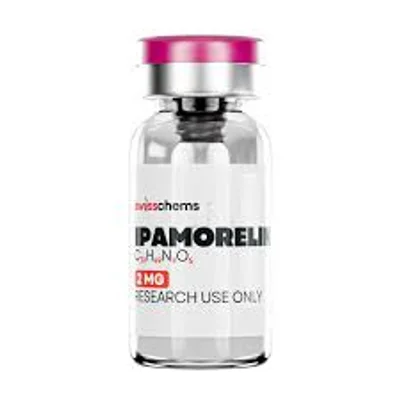
Ipamorelin's selectivity profile - minimal cortisol and prolactin elevation relative to other GHRPs - is a genuine mechanistic advantage when studying GH pulse amplification without confounding neuroendocrine signals. The honest limitation is that its body-composition effects in healthy human adults remain largely uncharacterized by controlled trial data. It's widely used in GHRH/GHRP combination research on the strength of its receptor pharmacology and animal data, not human RCT outcomes.
The standard GHRP partner in GHRH analog combination research, with a selectivity profile that makes interpretation cleaner than less selective alternatives like hexarelin or GHRP-2.
GHRP-2 is a budget-accessible alternative to ipamorelin with comparable human acute GH pulse data but a less favorable selectivity profile. The cortisol and prolactin elevations documented in human studies are a real interpretive complication in complex metabolic stacks, and the appetite stimulation effect compounds poorly with GLP-1 agents intended to drive caloric restriction. Its primary research advantage is cost and the availability of human pharmacology data.
One of the more human-studied GHRPs with documented acute GH pulse data, and the most budget-accessible option in the secretagogue category.

Sermorelin's primary research differentiator is its preservation of hypothalamic-pituitary feedback - a mechanistic advantage over sustained-action GHRH analogs like CJC-1295 for researchers concerned about long-term axis suppression. The US compounding pharmacy pathway is a genuine quality and regulatory advantage over research-chemical sourcing. The short half-life is a real practical constraint that requires honest logistical planning in any research protocol.
The only compound in the GH secretagogue category with a regulated US compounding pharmacy pathway, and one of the few with small-scale human RCT data, making it a distinct option for researchers with access concerns.
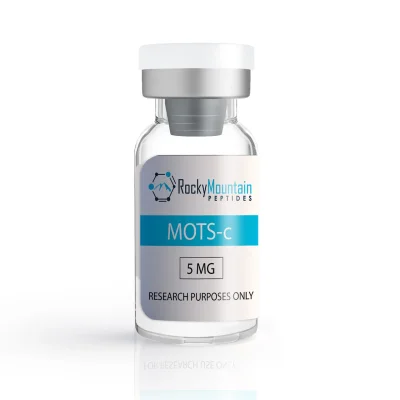
MOTS-c sits furthest from established human evidence of any compound in this guide. The mitochondrial biology rationale is sound, the animal data is consistent, and the centenarian population associations are interesting correlational data - but human interventional trials are preliminary and unreplicated. At premium pricing relative to that evidence base, it's a high-cost, early-stage research target rather than an established stack component.
The primary mitochondrial axis candidate in recomposition stack research, with a well-characterized AMPK mechanism and growing academic interest, representing the third axis of the combination research framework examined in this guide.
Regulatory and Legal Framework: Prescription Compounds vs. Research Chemicals - Know the Difference Before Reading Further
Before examining any specific compound, the regulatory landscape requires clear framing. The compounds discussed in this guide fall into two legally distinct categories, and conflating them creates meaningful risk.
Prescription drugs with approved indications include GLP-1 receptor agonists such as semaglutide (Ozempic, Wegovy) and tirzepatide (Mounjaro, Zepbound), as well as retatrutide, which remains in late-stage clinical trials. These are FDA-regulated pharmaceuticals. In the United States, they require a valid prescription from a licensed prescriber. Telehealth platforms including Ro, Hims, and Mochi Health facilitate legal access through physician consultation. Sourcing these compounds from unregulated research-chemical vendors isn't a legal gray area - it's sourcing unapproved drugs without a prescription, which carries regulatory and safety risk.
Research chemicals include the GH secretagogues, GHRP analogs, and mitochondrial peptides covered in the bulk of this guide: MK-677, CJC-1295, Ipamorelin, Hexarelin, GHRP-2, Sermorelin (partially - see US section), MOTS-c, and others. In most jurisdictions, these aren't approved for human therapeutic use. They're legally sold as research chemicals, meaning for in-vitro and laboratory research purposes. Human consumption is not an approved use. Legal status varies by compound and by jurisdiction - the full breakdown appears in a dedicated section below.
This distinction isn't boilerplate. It shapes what sourcing is appropriate, what quality standards apply, and what liability exists. Read it before proceeding.
---
What Is a Recomposition Stack? Defining the Research Context and Why Combination Protocols Are Studied
Body recomposition - simultaneous reduction of fat mass and preservation or increase of lean mass - is mechanistically difficult because the signaling pathways that favor muscle protein synthesis (anabolic) and those that favor fat oxidation (catabolic) are often in tension. Caloric restriction, the primary fat-loss tool, tends to suppress the GH/IGF-1 axis and reduce anabolic signaling. This creates a research rationale for combination approaches: can compounds acting on different biological axes be combined to support both processes simultaneously?
Researchers studying this question have organized inquiry around three loosely defined axes:
1. The incretin/GLP-1 axis - primarily governing appetite, gastric emptying, insulin secretion, and body weight regulation
2. The GH/IGF-1 axis - governing lean tissue accretion, lipolysis, and recovery signaling
3. Mitochondrial and cellular metabolism - governing energy substrate utilization, AMPK activation, and cellular resilience
The hypothesis underlying multi-axis stack research is that targeting these systems simultaneously may produce effects that neither compound achieves alone. This hypothesis has mechanistic plausibility. It has limited human trial evidence at the combination level. Most of what gets called "stack research" in practice consists of independent trials of each compound, with combination effects inferred rather than directly measured.
That extrapolation gap is the central honest caveat of this entire guide.
---
Axis 1 - The Incretin/GLP-1 Layer: Tirzepatide, Semaglutide, and Retatrutide in Metabolic Research
GLP-1 receptor agonists are the best-evidenced compounds in any recomposition-adjacent research stack - and they're also the most legally distinct. Semaglutide and tirzepatide are approved prescription medications with large-scale randomized controlled trial data (SURMOUNT-1 for tirzepatide enrolled 2,539 participants; STEP trials for semaglutide enrolled thousands across multiple studies). Retatrutide is a triple agonist (GLP-1/GIP/glucagon) with Phase II data published in 2023 showing mean weight reduction of approximately 17.5% at 48 weeks.
From a stacking-rationale perspective, GLP-1 agents function primarily through caloric reduction via appetite suppression and slowed gastric emptying. The metabolic research question is whether GH-axis support can attenuate the lean mass loss that accompanies GLP-1-driven caloric deficits. That's a legitimate research question. It's not yet answered by direct human trial data on the combination.
Critical sourcing note: These compounds must be obtained via prescription in the US, UK, EU, and Australia. Research-chemical sourcing of GLP-1 agents is strongly discouraged and carries meaningful risk given their cardiovascular and gastrointestinal potency.
---
Axis 2 - The GH/IGF-1 Layer: GHRH Analogs and Secretagogues
The GH/IGF-1 axis is where the bulk of this guide's featured compounds sit. These compounds share a common upstream goal - increasing endogenous GH secretion - but differ substantially in mechanism, half-life, selectivity, and evidence quality.
Research Peptide MK-677 (Ibutamoren)
What it is: MK-677 is a non-peptide ghrelin receptor agonist that stimulates GH secretion via the GHS-R1a receptor. Unlike injectable peptides, it's orally bioavailable, which substantially changes its research logistics profile.
Evidence quality: Among the strongest in the research-chemical secretagogue category. Published human trials include a double-blind, placebo-controlled study in older adults (Nass et al., 2008) demonstrating sustained IGF-1 elevation, and earlier work documenting dose-dependent GH pulse amplification. The human trial database here is meaningfully larger than for most research peptides.
Mechanistic role in stacks: As an oral secretagogue, MK-677 research examines its potential to maintain GH/IGF-1 signaling during caloric restriction - addressing the lean-mass-loss concern that makes GLP-1 stacking research mechanistically interesting.
Honest limitations: Human trials have documented insulin sensitivity impairment. This isn't a theoretical concern - it appears in controlled trial data. For any researcher working with a metabolic protocol (particularly one including GLP-1 agents, which improve glycemic control), this interaction is a direct confounding variable. Water retention is also well-documented and will confound lean mass measurements using standard DEXA methodology if not controlled for.
Score: 72/100. The oral administration and actual human trial data are meaningful differentiators. The insulin sensitivity finding is a real constraint on how this compound fits into metabolic stacks.
Research Peptide CJC-1295
What it is: CJC-1295 is a synthetic GHRH analog modified with a drug affinity complex (DAC) that extends its half-life to approximately 6-8 days by binding to serum albumin. Non-DAC versions (sometimes labeled CJC-1295 without DAC, or Mod GRF 1-29) have a much shorter half-life of approximately 30 minutes and behave differently in research protocols.
Evidence quality: Phase II pharmacokinetic data exists in human subjects (n=64, Teichman et al., 2006), documenting dose-dependent IGF-1 elevation sustained over weeks. This places CJC-1295 above most research-chemical peptides on the evidence ladder, though the published data is pharmacokinetic rather than body-composition focused.
Mechanistic role in stacks: The extended half-life makes CJC-1295 a "background" GH elevator in research protocols - providing sustained baseline GH/IGF-1 signaling rather than discrete pulses. This is often paired with a GHS-R1a agonist (ipamorelin, GHRP-2) to amplify pulsatile release on top of that sustained baseline. The combination is among the most commonly studied GHRH/GHRP pairings in the research literature.
Honest limitations: The extended half-life is both the compound's primary advantage and its core risk-management problem. If adverse effects emerge, clearance is slow. DAC vs. non-DAC labeling confusion in the vendor market is endemic - researchers need to verify which form they have via documentation, not label trust. Long-term IGF-1 elevation safety data in healthy adults isn't established.
Score: 72/100. The Phase II human data and weekly dosing convenience are real advantages. The titration difficulty and vendor labeling confusion require careful sourcing diligence.
Research Peptide Ipamorelin
What it is: Ipamorelin is a synthetic pentapeptide GHRP that selectively agonizes the GHS-R1a receptor. Its defining characteristic in the research literature is selectivity - studies show it produces meaningful GH pulse amplification with substantially less cortisol, prolactin, and ACTH elevation than earlier-generation GHRPs like GHRP-6 or hexarelin.
Evidence quality: Receptor pharmacology and mechanism are well-characterized in peer-reviewed literature. Animal model data (particularly rodent studies) show consistent GH elevation and downstream anabolic effects. Human interventional trial data in healthy adults for body-composition outcomes is essentially absent. That's an important gap that much anecdotal content overlooks.
Mechanistic role in stacks: The standard research rationale for pairing ipamorelin with CJC-1295 (with or without DAC) is complementary mechanism - GHRH analog plus GHS-R1a agonist produces greater GH release than either alone, while the selectivity of ipamorelin avoids the cortisol/prolactin elevation that complicates interpretation with less selective GHRPs.
Honest limitations: The body-composition claims frequently cited for ipamorelin in community contexts rest primarily on animal data and self-reports. The subcutaneous injection and cold-chain requirements add logistical burden. WADA prohibition creates meaningful risk for athletes subject to anti-doping testing.
Score: 68/100. The selectivity profile is a genuine mechanistic advantage. The absence of human body-composition trial data is a real evidence gap that places it below MK-677 and CJC-1295 on the evidence ladder.
Research Peptide Hexarelin
What it is: Hexarelin (examorelin) is a synthetic hexapeptide GHRP with the highest GH pulse amplitude of any GHRP documented in published human pharmacology studies. It has a secondary mechanism through the CD36 receptor that has driven separate research interest in cardiac and cardioprotective applications.
Evidence quality: Human pharmacological data exists documenting acute GH pulse amplitude. The cardiac/cardioprotective research, while generating significant academic interest, is almost entirely animal-model derived. No robust human RCTs on cardiac outcomes have been published.
Mechanistic role in stacks: The potency of GH pulse amplification makes hexarelin a research tool for studying maximal GH axis stimulation. Rapid tachyphylaxis (desensitization) with repeated use limits its utility in longer-duration protocols compared to less potent but more stable agents like ipamorelin, though.
Honest limitations: Tachyphylaxis is more pronounced than any other GHRP in this guide. Cortisol and prolactin elevations alongside GH complicate long-term research interpretation. The dual-mechanism angle is interesting but almost entirely preclinical.
Score: 68/100. Useful as an acute GH pulse research tool. The desensitization profile makes it a poor fit for chronic recomposition stacks.
Research Peptide GHRP-2
What it is: GHRP-2 is a synthetic hexapeptide that stimulates GH release via ghrelin receptor agonism and partial somatostatin antagonism. It's one of the most studied GHRPs in the published literature, with documented acute GH pulse data from peer-reviewed human trials.
Evidence quality: Better human trial data than many research peptides in this class. Acute GH pulse amplification is well-documented. Prolactin and cortisol elevations are also documented in those same trials, which creates interpretive complexity for any researcher trying to isolate GH-axis effects.
Mechanistic role in stacks: GHRP-2 can substitute for ipamorelin in GHRH/GHRP combination protocols where cost is a constraint, given its budget pricing. The trade-off is the less favorable selectivity profile relative to ipamorelin.
Honest limitations: Frequent administration is required due to short half-life. Appetite stimulation is consistent across studies and may be unwanted in protocols targeting caloric restriction. Less selective than ipamorelin for pure GH secretion.
Score: 68/100. Budget accessibility and human trial data are real strengths. The cortisol/prolactin elevations are a meaningful interpretive problem for complex metabolic stacks.
Research Peptide Sermorelin
What it is: Sermorelin is a truncated synthetic analog of GHRH consisting of the first 29 amino acids. It stimulates endogenous GH release by acting at the GHRH receptor on pituitary somatotrophs, preserving hypothalamic-pituitary feedback.
Evidence quality: Human trial data exists, including at least one small RCT and prescribing history in pediatric GH deficiency that generates a longer safety observation period than most research peptides. The compounding pharmacy pathway in the US represents a regulated sourcing option unavailable for most compounds in this guide.
Mechanistic role in stacks: Because sermorelin preserves physiological feedback, some researchers prefer it over CJC-1295 for longer-duration protocols where the concern about sustained, non-pulsatile IGF-1 elevation is relevant. The trade-off is practical: the 10-20 minute half-life requires frequent injection to maintain GH stimulation.
Honest limitations: The very short half-life makes it logistically demanding compared to CJC-1295. Human evidence for anti-aging or body-composition outcomes remains preliminary and small-scale. Research-chemical sourcing outside the compounding pharmacy pathway carries no quality assurance.
Score: 68/100. The feedback-preservation mechanism and US compounding pathway are genuine differentiators. The half-life limitation is a real practical constraint.
---
Axis 3 - The Mitochondrial and Cellular Metabolism Layer
Research Peptide MOTS-c
What it is: MOTS-c (Mitochondrial Open Reading Frame of the 12S rRNA type-c) is a 16-amino-acid peptide encoded within mitochondrial DNA - specifically in the 12S rRNA gene. It was identified by researchers at USC in 2015 (Lee et al., Cell Metabolism). It activates AMPK signaling, influences folate and methionine metabolism, and has been proposed as a mitokine - a mitochondria-derived signaling molecule with systemic metabolic effects.
Evidence quality: The mechanistic rationale is well-grounded in established mitochondrial biology. Animal data (mouse models) shows consistent effects on metabolic flexibility, insulin sensitivity, and exercise endurance. Human epidemiological data, including associations between MOTS-c variants and longevity in centenarian populations, adds correlational interest. Human interventional trial data is preliminary and not yet replicated in large-scale RCTs. This is the compound on this list where the gap between mechanistic promise and human trial evidence is largest.
Mechanistic role in stacks: The research rationale for including MOTS-c in a recomposition-focused stack relates to its proposed effects on insulin sensitivity and AMPK activation - pathways relevant to fat substrate utilization and the mitochondrial function that underlies energy expenditure. In theory, MOTS-c addresses a mechanism neither GH-axis compounds nor GLP-1 agents directly target.
Honest limitations: Premium pricing relative to a thin human interventional evidence base. Short estimated half-life with reconstitution requirements. Most of the compelling data is preclinical.
Score: 62/100. The mitochondrial biology rationale is genuinely interesting and the animal data is consistent. The human evidence base isn't sufficient to draw conclusions about clinical utility.
Also relevant to this axis but not among the featured compounds: 5-Amino-1MQ (a small-molecule NNMT inhibitor) and SS-31 (a cardiolipin-targeting mitochondrial peptide) appear in the research literature for related mitochondrial applications. Evidence bases for both are even earlier-stage than MOTS-c.
---
How Researchers Think About Stacking: Mechanistic Rationale for Cross-Axis Combinations
The combination protocols that appear most frequently in research-community discourse follow a loosely shared logic:
GLP-1 + GH secretagogue: The mechanistic question is whether GH-axis activation can attenuate lean mass loss during GLP-1-driven caloric restriction. SURMOUNT-1 and STEP trial data show that a meaningful portion of weight lost on GLP-1 agents comes from lean mass rather than fat exclusively. GH secretagogues theoretically counteract this via IGF-1-mediated muscle protein synthesis signaling. This is a plausible hypothesis. It hasn't been directly tested in a controlled human trial on this specific combination.
GHRH analog + GHRP: The most evidence-adjacent pairing in this guide. GHRH analogs (CJC-1295, sermorelin) act at the GHRH receptor; GHRPs (ipamorelin, GHRP-2, hexarelin) act via the ghrelin receptor. The two mechanisms are synergistic at the pituitary level - combined stimulation produces greater GH release than additive effects of either alone. This has been demonstrated in animal models and is the mechanistic basis for clinical GHRH/GHRP combination research.
GH secretagogue + mitochondrial peptide: The weakest link in the cross-axis evidence chain. The hypothesis - that AMPK activation (MOTS-c) combined with IGF-1 elevation (MK-677, CJC-1295) addresses both substrate utilization and anabolic signaling simultaneously - is mechanistically coherent. Direct evidence for the combination in any model is essentially absent from the published literature.
---
Evidence Quality Matrix: Ranking Each Compound by Human Trial Data, Animal Data, and Anecdotal Reports
| Compound | Human RCT Data | Animal Data | Anecdotal Reports | Overall Evidence Tier |
|---|---|---|---|---|
| MK-677 | Moderate (multiple double-blind trials) | Strong | Extensive | Tier 2 |
| CJC-1295 | Limited (Phase II PK data, n=64) | Moderate | Extensive | Tier 2 |
| Sermorelin | Limited (small RCT, prescribing history) | Moderate | Moderate | Tier 2 |
| GHRP-2 | Limited (acute GH pulse data) | Moderate | Moderate | Tier 3 |
| Ipamorelin | Minimal (no body-comp RCTs in healthy adults) | Moderate | Extensive | Tier 3 |
| Hexarelin | Limited (acute pharmacology) | Moderate | Limited | Tier 3 |
| MOTS-c | Minimal (preliminary, not replicated) | Strong | Emerging | Tier 3-4 |
Tier 1 = multiple large RCTs (GLP-1 agents occupy this tier). Tier 4 = preclinical only. No compound in this guide reaches Tier 1.
---
Reported Side Effect Interactions and Compounding Risks in Multi-Compound Protocols
Combining compounds across axes doesn't simply add side effect profiles - it can create interactions that neither compound produces alone.
Insulin sensitivity: MK-677 is documented to impair insulin sensitivity in human trials. GLP-1 agents improve insulin sensitivity. Running both simultaneously creates an opposing signal that may blunt GLP-1 metabolic benefits and requires careful glycemic monitoring in any research context.
IGF-1 elevation and cancer biology: Sustained IGF-1 elevation has theoretical associations with cellular proliferation pathways. CJC-1295 with DAC produces sustained (not pulsatile) IGF-1 elevation. Combining multiple GH secretagogues compounds this concern. This isn't established as a clinical outcome in the trial durations studied, but it's a mechanistic concern that researchers shouldn't dismiss.
Cortisol and prolactin signals: GHRP-2 and hexarelin elevate cortisol and prolactin alongside GH. In stacks that include other compounds affecting the HPA axis, these elevations complicate outcome interpretation and may produce cumulative neuroendocrine effects not predictable from individual compound profiles.
Tachyphylaxis management: Hexarelin desensitizes rapidly. Adding hexarelin to a multi-compound protocol without cycling creates a situation where one compound becomes inert while others continue acting - a confounding variable in any attempt to interpret protocol outcomes.
Appetite signal summation: Both MK-677 and GHRP-2 stimulate appetite. Combining them in a protocol intended to operate alongside GLP-1-driven appetite suppression creates competing signals that may blunt the intended caloric restriction effect.
---
Dosing Ranges Observed in Published Research (Not a Recommendation - Research Contexts Only)
> Disclaimer: The following dosing information is drawn exclusively from published research literature and is provided for educational purposes only. It does not constitute a recommendation for human use. These compounds are not approved for human therapeutic use in most jurisdictions. Dosing, administration, and safety in humans outside controlled research settings are unknown.
| Compound | Dosing Range in Published Research | Administration | Frequency in Research Protocols |
|---|---|---|---|
| MK-677 | 10-25 mg/day in human trials | Oral | Once daily |
| CJC-1295 (with DAC) | 1-2 mg per dose in Phase II trial | Subcutaneous injection | Once or twice weekly |
| Ipamorelin | 200-300 mcg per dose in animal studies; human dosing not established in published trials | Subcutaneous injection | 2-3x daily in research protocols |
| GHRP-2 | 100-300 mcg per dose documented in human acute studies | Subcutaneous injection | 2-3x daily |
| Hexarelin | 1-2 mcg/kg in published human pharmacology studies | Subcutaneous injection | 1-2x daily, with cycling noted for desensitization |
| Sermorelin | 0.2-0.3 mg/day in compounding pharmacy prescribing | Subcutaneous injection | Once daily (typically evening) |
| MOTS-c | 5-10 mg per dose in published animal studies; human dosing data is not established | Subcutaneous injection | Research protocols vary significantly |
---
Legal Status by Region: US, UK, EU, and Australia for Each Featured Compound
United States
- MK-677: Not FDA-approved. Sold as a research chemical. Not a controlled substance but not approved for human consumption. The FDA has issued warning letters to companies marketing it for human use.
- CJC-1295, Ipamorelin, GHRP-2, Hexarelin: Not FDA-approved. Research chemical status. The FDA moved to restrict compounding of certain peptides in 2023; status continues to evolve.
- Sermorelin: FDA-approved for pediatric GH deficiency. Compounding pharmacy access exists for adults through some prescribers. Research-chemical sourcing is separate from and inferior to this pathway.
- MOTS-c: Not FDA-approved. Research chemical.
United Kingdom
- Most peptides on this list require a prescription as medicinal products if intended for human use. The MHRA takes a broad view of what constitutes a medicinal product. Research chemical sale for legitimate research purposes occupies a gray area. Personal importation for non-medicinal purposes isn't clearly legal for many of these compounds.
European Union
- Regulatory status varies by member state. Generally, peptides with demonstrated pharmacological action are treated as medicinal products requiring authorization. Research chemical sourcing for human use isn't a recognized legal category in most EU jurisdictions.
Australia
- The TGA classifies most bioactive peptides as Schedule 4 (prescription only) or unscheduled with restrictions. Several peptides including GHRP analogs appear on the Therapeutic Goods Act prohibited import list. The regulatory posture in Australia is among the most restrictive for this compound class.
---
Sourcing Considerations: What a Credible COA Looks Like and Red Flags by Compound Class
For research chemical peptides, the certificate of analysis (COA) is the primary quality signal. A credible COA for a peptide research chemical should include:
- Identity confirmation via HPLC (high-performance liquid chromatography) and/or mass spectrometry. HPLC alone confirms purity; mass spectrometry confirms molecular identity. Both together provide stronger confidence.
- Purity percentage - reputable vendors in the research community target greater than 98% purity for injectable-grade research peptides. Products listed at 95% or below warrant scrutiny.
- Lot number matching the product label
- Third-party testing from an independent laboratory, not internal testing only
- Sterility testing for products intended for reconstitution (endotoxin/LAL testing is the standard)
Red flags by compound class:
- CJC-1295: Any vendor that doesn't specify DAC vs. non-DAC on both label and COA. This is the single most important labeling variable for this compound, and endemic confusion here is a sourcing red flag.
- MK-677: Oral forms from vendors who can't provide mass spectrometry identity confirmation. The non-peptide structure means adulteration with other ghrelin mimetics or undisclosed compounds is a real possibility.
- Hexarelin: Vendors who can't document lot-specific testing. Given the potency of this compound and its cortisol/prolactin activity, purity confidence matters more than for less potent secretagogues.
- MOTS-c: Premium pricing makes it a frequent target for underdosing or substitution. Mass spectrometry identity confirmation is essential given that the cost-to-underdose incentive is high.
- All injectable peptides: Any vendor not providing bacteriostatic water guidance or who sells pre-reconstituted solutions is a significant sourcing concern. Pre-reconstituted peptides have no established stability and present sterility risk.
Don't source from vendors who ship without COAs, who don't require age verification, or who make explicit therapeutic claims about their research chemical products - that last point is a reliable indicator of regulatory non-compliance that tends to correlate with other quality shortfalls.
---
Where the Evidence Ends and the Extrapolation Begins: Honest Assessment of Stack Research Gaps
This section is the most important in the guide. The mechanistic rationale for cross-axis peptide stacking is coherent. The human trial evidence for combination protocols is, with very limited exceptions, essentially nonexistent.
What is established in human trials:
- MK-677 studies report GH and IGF-1 elevation and document insulin sensitivity impairment (moderate evidence)
- CJC-1295 research indicates sustained, dose-dependent IGF-1 elevation (limited pharmacokinetic evidence)
- GLP-1 agent trials demonstrate clinically meaningful weight reduction (strong evidence, Tier 1)
- Sermorelin studies suggest endogenous GH release stimulation (limited RCT evidence)
- GHRP-2 research documents acute GH pulse amplification with cortisol/prolactin effects (limited human data)
What is not established in human trials:
- Whether any GH secretagogue attenuates lean mass loss during GLP-1-driven caloric restriction
- Whether CJC-1295 plus ipamorelin produces superior body-composition outcomes vs. either alone in healthy adults
- Whether MOTS-c produces any measurable metabolic benefit in human interventional settings
- Whether any combination across these three axes produces additive, synergistic, or antagonistic outcomes
- What the safety profile of any multi-compound protocol looks like in long-term human use
The research community working on these compounds is active and growing. ClinicalTrials.gov shows ongoing trials for several compounds in this guide. The gap between current evidence and the combination protocols circulating in biohacker communities is large. Researchers engaging with these compounds should treat that gap with appropriate seriousness.
---
Where to Learn More: PubMed Search Strategies and ClinicalTrials.gov Pointers
PubMed search strategies by compound:
- MK-677: search "ibutamoren" OR "MK-0677" AND "growth hormone" - filters: Clinical Trial, Human
- CJC-1295: search "CJC-1295" AND "GHRH" - most primary data is in the Teichman 2006 publication
- Ipamorelin: search "ipamorelin" AND "growth hormone secretagogue" - filter to peer-reviewed; most results will be animal studies
- GHRP-2: search "GHRP-2" OR "pralmorelin" AND "growth hormone" - human pharmacology data available
- Hexarelin: search "hexarelin" OR "examorelin" AND "growth hormone" - cardiac research appears under CD36 and hexarelin search terms
- Sermorelin: search "sermorelin" AND "growth hormone releasing hormone" - compounding pharmacy data available
- MOTS-c: search "MOTS-c" AND "mitochondrial peptide" - Lee et al. 2015 Cell Metabolism is the foundational paper
ClinicalTrials.gov: Search by compound name using the NCT registry. Filter by "recruiting" or "active, not recruiting" for current research. GLP-1 combination trials with body-composition endpoints are the most active area relevant to this guide's central questions.
Additional resources:
- The Endocrine Society publishes guidelines on GH axis research that provide useful clinical benchmarks
- The American Aging Association and journals including GeroScience are relevant for MOTS-c and mitochondrial peptide literature
- The WADA prohibited list (wada-ama.org) provides current doping classification for competitive athletes
Tips
- 1.Before adding any compound to a multi-axis research protocol, map the side effect profiles against each other specifically - appetite signals, insulin sensitivity effects, and cortisol/prolactin activity can compound or conflict across compounds in ways that individual profiles don't predict.
- 2.For CJC-1295, verify DAC vs. non-DAC status via mass spectrometry documentation from your vendor, not label language alone - the mislabeling rate in this specific compound category is high enough that label trust isn't sufficient quality assurance.
- 3.For any research protocol involving GH secretagogues alongside metabolic compounds, establish baseline fasting glucose and insulin sensitivity markers before introduction and monitor throughout - the insulin sensitivity interaction with MK-677 in particular is documented in controlled trials and should be treated as a primary monitoring variable, not an afterthought.
The Bottom Line
The mechanistic case for multi-axis peptide stack research is coherent - the GH, incretin, and mitochondrial pathways address distinct and complementary aspects of body composition biology. The human evidence for combination protocols, though, is essentially absent: each compound in this guide has been studied individually to varying degrees, but cross-axis combinations in controlled human trials aren't yet part of the published literature. MK-677 is the most evidence-anchored entry point for GH-axis stack research given its actual double-blind human trial data, but its insulin sensitivity liability makes it a compound that demands honest mechanistic scrutiny before layering it with metabolic agents. The honest summary: the research rationale is ahead of the research evidence - and that gap should be the starting point for any serious inquiry into this area, not a footnote.
Frequently Asked Questions
Can you stack CJC-1295 and Ipamorelin together for body recomposition?
What is the difference between GHRP-2, Hexarelin, and Ipamorelin as research peptides?
Is MK-677 (Ibutamoren) a peptide, and how does it fit into a GH-axis recomposition stack?
What is MOTS-c and why is it included in mitochondrial peptide stacks for body recomposition?
How is Sermorelin different from CJC-1295 as a GHRH analog research peptide?
What does the research actually say about combining GLP-1 agonists with GH-secretagogue peptides for simultaneous fat loss and muscle preservation?
Related Guides
STACK
The Longevity Stack: How Epithalon, MOTS-c, and Thymosin Alpha-1 Are Studied Together
The longevity peptide stack pairing Epithalon, MOTS-c, and Thymosin Alpha-1 is a research-only combination targeting three distinct hallmarks of aging: telomere attrition, mitochondrial dysfunction, and immunosenescence, respectively. None of the three compounds carry FDA, MHRA, or TGA approval for human administration, and the evidence base is highly uneven—Thymosin Alpha-1 has decades of clinical RCT data, MOTS-c has solid mechanistic and animal research with emerging human studies, and Epithalon's literature, though substantial in volume, originates largely from a single Russian research group (the Khavinson laboratory) with limited independent Western replication.
STACK
Growth Hormone Secretagogue Stacks: How Ipamorelin + CJC-1295 Are Studied (2026 Research Guide)
Ipamorelin and CJC-1295 are research peptides studied as a growth hormone secretagogue stack, pairing a selective ghrelin receptor (GHS-R1a) agonist with a GHRH analog to stimulate endogenous GH release through two complementary pituitary pathways. Neither compound is FDA-approved for human use, and the peer-reviewed record contains no randomized controlled trials of the combination in healthy adults — the strongest human data is a Phase II pharmacokinetic trial of CJC-1295 with DAC, which extends circulating half-life to roughly 6–8 days via albumin binding. Tesamorelin remains the only FDA-approved GHRH analog with Phase III backing.
STACK
The GH-Axis Peptide Stack: CJC-1295, Ipamorelin, Sermorelin, and IGF-1 LR3 in Research Context (2026 Guide)
For researchers building a GH-axis peptide stack, CJC-1295 paired with Ipamorelin is the most evidence-supported GHRH+GHRP combination in the literature. CJC-1295 takes the top spot because of its published Phase II pharmacokinetic data (n=64), characterised mechanism at the GHRH receptor, and DAC modification that allows less frequent dosing. All compounds discussed here are research chemicals not approved for human use - this is a research-context summary only.