
COMPARISON
Tirzepatide vs Semaglutide: What the Clinical Studies Actually Show (2024–2026 Evidence Review)
A methodology-first breakdown of the two most evidence-backed metabolic peptides available by prescription.
Last updated: June 1, 2026

Quick Answer
For clinically validated weight reduction with legitimate prescription access, Prescription Tirzepatide (Mounjaro / Zepbound) carries the strongest efficacy signal of any approved pharmacological agent right now - SURMOUNT-1 reported a mean body weight loss of roughly 21% at the 15mg dose, the highest published figure from any Phase III RCT. That said, Prescription Semaglutide (Ozempic / Wegovy) has something tirzepatide doesn't yet: a demonstrated cardiovascular mortality benefit from the SELECT trial, which puts it in a different clinical category entirely for patients where heart risk is the primary concern.
The clinical conversation around GLP-1 receptor agonists shifted dramatically between 2021 and 2024. What started as a diabetes pharmacology story - incretin-based glucose control - became the most-discussed area in metabolic medicine, driven by Phase III trial results that produced weight-loss figures the field simply hadn't seen before from any pharmacological intervention. Semaglutide and tirzepatide are now the two most robustly evidenced agents in this category, each backed by large, pre-registered, industry-sponsored RCTs with tens of thousands of participants and multiple years of safety follow-up.
The marketing environment around these drugs has badly outpaced the evidence, though. Telehealth platforms describe outcomes in ways that blur the line between mean trial results and what any individual patient should actually expect. Compounding pharmacies have expanded access but introduced serious authenticity and quality concerns. And research-chemical vendors have entered the space with products that carry none of the clinical-trial pedigree of the approved agents. This guide doesn't engage with marketing claims. It works from the primary trial record.
The STEP program (semaglutide), SURMOUNT program (tirzepatide), SURPASS-2 head-to-head trial, and the SELECT cardiovascular outcomes trial form the evidentiary backbone of this comparison. Retatrutide appears here as a calibration point - illustrating where the evidence hierarchy sits for a Phase 2 agent relative to two drugs with full regulatory approval. The goal is to give readers the conceptual tools to evaluate these agents on clinical terms, not commercial ones.
Featured Peptides

Prescription Tirzepatide (Mounjaro / Zepbound) holds the strongest weight-reduction signal of any pharmacological agent tested in a Phase III RCT - roughly 20.9% mean body weight loss at 15mg in SURMOUNT-1, with responder rates showing roughly 57% of participants achieving at least 20% weight loss. The dual GIP/GLP-1 mechanism appears to translate into a real efficacy advantage over single-receptor GLP-1 agonists on both weight and glycemic endpoints, and legitimate prescription access exists via prescribers and telehealth platforms. The most clinically relevant gap in its evidence base right now is the absence of a completed cardiovascular outcomes trial - something semaglutide already has.
Tirzepatide is the highest-efficacy approved agent in the GLP-1 class by trial evidence and the primary comparison subject of this guide.
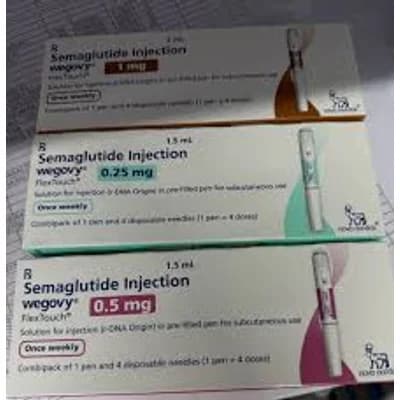
Prescription Semaglutide (Ozempic / Wegovy) shows roughly 14.9% mean body weight loss in STEP-1 - lower than tirzepatide's headline figure, but backed by a cardiovascular outcomes benefit from the SELECT trial that no other agent in this class has yet demonstrated at the same evidence tier. For patients where cardiovascular risk reduction is the primary clinical question, that SELECT data isn't a footnote - it's the most important number in this comparison. The GI side effect burden is real, the cost without insurance is prohibitive, and the rebound-on-discontinuation data from the STEP-4 extension is a significant practical consideration that any honest summary needs to address.
Semaglutide is the primary comparator to tirzepatide and holds a uniquely important cardiovascular outcomes evidence base via the SELECT trial.
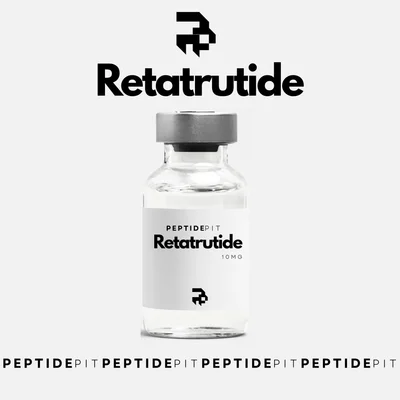
Prescription Retatrutide remains investigational and isn't legally accessible outside of registered clinical trials - any commercially available product can't be verified as authentic compound. Its Phase 2 data (roughly 24.2% mean weight loss at 48 weeks, NEJM 2023) represents the most striking early-phase incretin signal published to date, and the triple-receptor mechanism is genuinely differentiated from both approved agents. It belongs in this guide as a calibration point for what Phase 2 evidence looks like relative to Phase 3 - not as an agent with a prescription pathway or any sourcing recommendation.
Retatrutide calibrates the evidence hierarchy by showing where a Phase 2 agent with no approval sits relative to two agents with full regulatory approval and Phase III RCT records.
Overview: Why This Comparison Matters - and What It Can't Tell You
Semaglutide and tirzepatide are both approved prescription medications. They're not research chemicals. They're not supplements. Any discussion of their use exists within a regulatory and clinical framework that's fundamentally different from the research-chemical peptides covered elsewhere on this platform.
What a trial-level comparison can tell you: relative efficacy on pre-specified endpoints (body weight, HbA1c, lipids, cardiovascular events), side effect profiles by frequency and severity, discontinuation rates, and what happens when treatment stops. What it can't tell you: which agent is "better" for a specific individual, since trial means obscure enormous individual variance, and clinical decisions depend on comorbidities, drug interactions, and tolerability factors that no comparison guide can sort out.
This guide treats that limitation as a feature, not a disclaimer to bury.
---
Regulatory Disclaimer and Prescription Access Framework
Both semaglutide and tirzepatide are FDA-approved prescription drugs. They're not sold legally without a prescription in the United States, UK, EU, or Australia. Telehealth platforms (Ro, Hims, Mochi, Calibrate, and others) offer legitimate prescription pathways for qualifying patients, typically requiring a synchronous or asynchronous consultation with a licensed prescriber.
Compounded semaglutide and tirzepatide - produced by 503A and 503B compounding pharmacies using bulk API - sit in a legally complex grey zone. The FDA has issued guidance limiting compounding of both drugs as shortage-period authorizations have expired, and enforcement in this area is still evolving. Compounded versions aren't FDA-approved for safety, efficacy, or sterility in the same sense as the brand products.
Research-chemical vendors selling injectable semaglutide or tirzepatide for "research use" are operating in a space this platform explicitly doesn't endorse for approved agents. The argument that these qualify as legitimate research chemicals doesn't hold when FDA-approved equivalents exist. For retatrutide, which has no approved form, commercial sourcing can't be verified as authentic compound - the risk profile is categorically different.
None of the information in this guide constitutes medical advice. Dosing information reflects published clinical trial protocols, not recommendations for use.
---
What They Are: Mechanism Class, Receptor Targets, and Molecular Identity
Prescription Semaglutide (Ozempic / Wegovy)
Semaglutide is a glucagon-like peptide-1 (GLP-1) receptor agonist - a synthetic analog of human GLP-1 with roughly 94% amino acid sequence homology to the endogenous peptide, modified at two positions to resist dipeptidyl peptidase-4 (DPP-4) degradation. A C-18 fatty diacid chain attached via a linker enables albumin binding, extending the half-life to approximately one week and making once-weekly subcutaneous dosing possible.
Ozempic (0.5mg, 1mg, 2mg) is FDA-approved for type 2 diabetes glycemic management. Wegovy (2.4mg) is FDA-approved for chronic weight management in adults with obesity or overweight with at least one weight-related comorbidity. Rybelsus (oral semaglutide) is approved for glycemic control only.
Prescription Tirzepatide (Mounjaro / Zepbound)
Tirzepatide is a dual glucose-dependent insulinotropic polypeptide (GIP) and GLP-1 receptor co-agonist - a 39-amino acid synthetic peptide based on the native GIP sequence, with modifications conferring balanced agonist activity at both GIP and GLP-1 receptors. Like semaglutide, it incorporates a C-20 fatty diacid via a linker for albumin binding and once-weekly dosing.
Mounjaro (2.5mg through 15mg in stepwise doses) is FDA-approved for type 2 diabetes. Zepbound (same dose range) is FDA-approved for chronic weight management. The two branded formulations contain identical active ingredient at identical doses.
Prescription Retatrutide (Investigational)
Retatrutide is a triple-receptor agonist targeting GLP-1, GIP, and glucagon receptors. It isn't approved by any regulatory agency and isn't legally accessible outside of clinical trials. It appears in this guide as a calibration point for the incretin evidence hierarchy, not as an agent with a prescription pathway.
---
Mechanism Deep-Dive: GLP-1 Alone vs Dual GIP/GLP-1 - Does the Extra Receptor Actually Matter?
GLP-1 receptors are expressed in pancreatic beta cells, the central nervous system (hypothalamus, brainstem), the gut, and cardiac tissue. GLP-1 agonism produces several physiologically relevant effects: glucose-dependent insulin secretion, glucagon suppression, delayed gastric emptying, and centrally mediated appetite reduction. Semaglutide's efficacy profile reflects these mechanisms - particularly the CNS appetite suppression component, which appears to be the primary driver of weight loss rather than the gastric emptying effect.
GIP receptors are expressed in pancreatic beta and alpha cells, adipose tissue, bone, and the CNS. GIP has historically been characterized as an "incretin" - potentiating insulin secretion in a glucose-dependent manner - but its role in energy homeostasis is more complex and was debated for years before tirzepatide's development helped clarify it. GIP receptor agonism in rodent and human studies appears to enhance the weight-loss effect of GLP-1 agonism through mechanisms that aren't fully characterized, but may involve adipose tissue lipid metabolism and complementary CNS pathways.
The practical question is whether the dual mechanism produces clinically meaningful additional efficacy. The SURPASS-2 trial and the SURMOUNT vs STEP comparison both suggest yes, with the caveat that those comparisons are methodologically limited (covered in the head-to-head section below).
For retatrutide, the addition of glucagon receptor agonism is theorized to increase energy expenditure via hepatic gluconeogenesis stimulation and thermogenic effects - a third mechanistic lever that neither semaglutide nor tirzepatide activates. Phase 2 data support a larger weight-loss signal, but glucagon agonism also introduces cardiovascular (chronotropic) and glycemic risk profiles that require full Phase 3 characterization.
---
The Trial Record: STEP vs SURMOUNT - How the Evidence Was Generated
The STEP Program (Semaglutide)
The STEP program comprised four pivotal trials published primarily between 2021 and 2022 in NEJM and related journals:
- STEP-1 (n=1,961): Semaglutide 2.4mg vs placebo in adults with obesity or overweight with comorbidity, without diabetes. Primary endpoint: percent change in body weight at 68 weeks. Studies reported mean weight loss of roughly 14.9% vs 2.4% placebo.
- STEP-2 (n=1,210): Adults with obesity and type 2 diabetes. Studies reported mean weight loss of roughly 9.6% at 2.4mg vs 3.4% placebo.
- STEP-3 (n=611): Semaglutide plus intensive behavioral therapy. Studies reported mean weight loss of roughly 16% vs 5.7% placebo.
- STEP-4: Maintenance design - participants who completed run-in were randomized to continue or switch to placebo. Demonstrated substantial regain upon discontinuation (addressed below).
The SURMOUNT Program (Tirzepatide)
- SURMOUNT-1 (n=2,539): Tirzepatide 5mg, 10mg, and 15mg vs placebo in adults with obesity or overweight without diabetes. Studies reported mean weight loss at 72 weeks of roughly 15%, 19.5%, and 20.9% respectively vs roughly 3.1% placebo.
- SURMOUNT-2 (n=938): Adults with type 2 diabetes. Studies reported mean weight loss of roughly 13.4% at 10mg and 15.6% at 15mg vs 3.3% placebo.
- SURMOUNT-3 and SURMOUNT-4: Included run-in phases and withdrawal designs, with SURMOUNT-4 demonstrating weight regain upon discontinuation that mirrors the STEP-4 findings.
What the Designs Actually Allow Us to Conclude
Both programs used randomized, double-blind, placebo-controlled designs with pre-registered endpoints - the appropriate design for establishing efficacy. Critically, neither STEP nor SURMOUNT was designed to compare semaglutide against tirzepatide directly. They're placebo-controlled trials run at different times, with somewhat different enrollment criteria, different trial durations (68 vs 72 weeks), and different dose ceilings. Cross-program comparisons are hypothesis-generating, not definitive.
---
Weight Reduction Outcomes: Mean Body Weight Loss, Responder Rates, and What the Numbers Actually Mean
The headline figures: semaglutide 2.4mg produced roughly 14.9% mean body weight reduction in STEP-1; tirzepatide 15mg produced roughly 20.9% mean body weight reduction in SURMOUNT-1. That's a numerically large difference, but it needs careful interpretation.
First, these are means. Individual responses in both trials showed substantial variance. A meaningful proportion of STEP-1 participants lost more than 20%; a meaningful proportion of SURMOUNT-1 participants lost less than 10%. The mean doesn't describe the individual.
Second, responder analyses add important context. In SURMOUNT-1, roughly 91% of participants in the 15mg group achieved at least 5% weight loss, roughly 57% achieved at least 20%, and roughly 36% achieved at least 25%. In STEP-1, roughly 86% achieved at least 5%, roughly 32% achieved at least 20%. These responder rates suggest tirzepatide produces a larger proportion of high-magnitude responders, not just a higher mean.
Third, the clinical meaning of 14.9% vs 20.9% is real at a population level. For a 120kg individual, that's roughly 18kg vs 25kg. Both figures exceed the threshold historically associated with meaningful cardiometabolic risk reduction.
---
Glycemic and Cardiometabolic Endpoints: Beyond the Scale
HbA1c Reduction
In diabetic populations, both agents produce clinically significant HbA1c reductions. SURMOUNT-2 reported HbA1c reductions of roughly 2.01% at 10mg and 2.06% at 15mg. STEP-2 reported roughly 1.6% at 2.4mg. Tirzepatide's dual mechanism appears to provide a modest glycemic advantage in diabetic populations, consistent with GIP's role in insulin secretion.
Lipids and Blood Pressure
Both agents produce modest reductions in triglycerides, with tirzepatide showing numerically larger effects in some analyses - possibly related to GIP receptor activity in adipose tissue. LDL changes are modest and inconsistent across trials. Blood pressure reductions of roughly 4-6 mmHg systolic are reported with both agents, likely mediated primarily through weight loss rather than direct vascular mechanisms.
The SELECT Trial: Semaglutide's Cardiovascular Outcomes Advantage
The SELECT trial (n=17,604, published 2023) is the most clinically important data point that distinguishes semaglutide's evidence base from tirzepatide's right now. SELECT enrolled adults with established cardiovascular disease and overweight or obesity without type 2 diabetes, randomizing to semaglutide 2.4mg or placebo. The primary endpoint - major adverse cardiovascular events (MACE: cardiovascular death, non-fatal myocardial infarction, non-fatal stroke) - was reduced by roughly 20% in the semaglutide arm (HR roughly 0.80, 95% CI 0.72-0.90).
No comparable cardiovascular outcomes trial has been completed for tirzepatide. The SURPASS-CVOT trial (tirzepatide vs dulaglutide) is ongoing. Until those results publish, semaglutide holds a unique position in the evidence hierarchy for patients where cardiovascular risk reduction is the primary clinical question.
This isn't a minor distinction. Demonstrating cardiovascular mortality benefit elevates semaglutide from a weight-management drug to a cardiovascular drug with weight-management properties - a categorically different clinical and regulatory standing.
---
Head-to-Head Data: What SURPASS-2 and Indirect Comparisons Show
SURPASS-2 (n=1,879) is the only large RCT that directly compared tirzepatide to semaglutide in the same trial. Participants had type 2 diabetes and were randomized to tirzepatide 5mg, 10mg, or 15mg versus semaglutide 1mg. Key findings at 40 weeks:
- Mean weight loss: tirzepatide 15mg roughly -11.3kg vs semaglutide 1mg roughly -5.5kg
- HbA1c reduction: tirzepatide 15mg roughly -2.46% vs semaglutide 1mg roughly -1.86%
- Tirzepatide 10mg and 15mg both achieved statistical superiority over semaglutide 1mg on both primary endpoints
Two significant methodological caveats here. First, semaglutide 1mg is the diabetes dose, not the maximum weight-management dose (2.4mg for Wegovy). This comparison doesn't answer the question of tirzepatide vs semaglutide 2.4mg. Second, the trial enrolled a diabetic population, where the GIP advantage on glycemic endpoints is more pronounced - results may not generalize to the obesity-without-diabetes indication.
Indirect network meta-analyses (NMAs) have attempted to pool STEP and SURMOUNT data for cross-program inference. Several published NMAs (including analyses in The Lancet and JAMA Network Open) consistently show tirzepatide producing larger mean weight loss. NMAs carry their own assumptions and limitations, though - they can't fully account for population differences between trials, and they're better read as hypothesis-strengthening than as definitive resolution of the comparison.
---
Side Effect Profiles: GI Burden, Titration Schedules, and the Thyroid Warning
Gastrointestinal Side Effects
Both agents produce GI side effects primarily during dose escalation. Nausea, vomiting, diarrhea, and constipation are the most commonly reported adverse events in both trial programs. In SURMOUNT-1, roughly 80% of tirzepatide participants reported any GI adverse event; serious GI adverse events occurred in roughly 1.9%. Discontinuation due to GI events occurred in roughly 5% of the tirzepatide 15mg group. STEP-1 reported broadly comparable rates - nausea in roughly 44% of semaglutide participants, discontinuation due to adverse events in roughly 7%.
Structured dose escalation protocols (starting at sub-therapeutic doses and increasing at defined intervals) are used in trials and clinical practice specifically to manage GI burden. Accelerating the titration schedule outside clinical supervision is associated with increased GI adverse events.
Thyroid C-Cell Tumor Warning
Both semaglutide and tirzepatide carry black box warnings for thyroid C-cell tumors based on rodent studies. In rodents, GLP-1 receptor agonism produced dose-dependent C-cell hyperplasia and medullary thyroid carcinoma. The relevance to humans is uncertain - human thyroid C-cells express GLP-1 receptors at much lower density than rodent C-cells - but both drugs are contraindicated in individuals with a personal or family history of medullary thyroid carcinoma or Multiple Endocrine Neoplasia type 2 (MEN2). This contraindication applies equally to both agents.
Pancreatitis, Gallbladder, and Other Events
Both trials reported low rates of acute pancreatitis. Cholelithiasis (gallstones) and acute gallbladder disease are reported at elevated rates relative to placebo in both programs, likely secondary to rapid weight loss rather than direct drug effects. Both agents are associated with modest heart rate increases of roughly 2-4 bpm, more pronounced with tirzepatide in some analyses - worth keeping in mind when interpreting the cardiovascular safety profile.
---
Rebound and Discontinuation: Evidence from the STEP-1 Extension and SURMOUNT-4
One of the most clinically significant findings across both programs is what happens when treatment stops. The STEP-1 extension study followed participants for one year after semaglutide discontinuation. Within 52 weeks of stopping treatment, participants regained roughly two-thirds of their prior weight loss, with cardiometabolic markers (blood pressure, lipids, glycemia) largely reverting toward baseline. Total weight loss maintained at one year post-discontinuation was roughly 5.5% from original baseline, compared to roughly 14.9% at end of treatment.
SURMOUNT-4 used a withdrawal design: participants who completed 36 weeks of tirzepatide 10mg or 15mg were randomized to continue or switch to placebo for an additional 52 weeks. The placebo group regained roughly 14 percentage points of body weight, versus roughly 3.5 percentage points in the continuation group.
The implication is consistent across both programs: the weight-loss effect of these agents is maintained primarily while treatment continues. This has significant implications for how patients and prescribers frame expectations, for cost-of-treatment calculations over time, and for how research summaries should characterize the interventions. These aren't curative treatments - they appear to function as ongoing maintenance pharmacotherapy.
---
Dosing in Research and Clinical Contexts: Approved Dose Ranges and Titration Schedules
> Important framing note: The dose ranges below reflect FDA-approved prescribing information and published clinical trial protocols. They are not recommendations for use. Dosing of prescription medications is determined by a licensed prescriber based on individual clinical assessment.
Semaglutide (Wegovy - Weight Management Indication)
- Starting dose: 0.25mg subcutaneously once weekly for 4 weeks
- Escalation: increase by 0.25mg every 4 weeks
- Target dose: 2.4mg once weekly (reached at roughly week 16-20)
- Dose reduction step available at 1.7mg if 2.4mg isn't tolerated
Tirzepatide (Zepbound - Weight Management Indication)
- Starting dose: 2.5mg subcutaneously once weekly for 4 weeks
- Escalation: increase by 2.5mg every 4 weeks
- Target dose range: 5mg to 15mg (patients may remain at any tolerated maintenance dose; 15mg isn't required)
- Maximum approved dose: 15mg once weekly
Both drugs are administered as subcutaneous injections, typically in the abdomen, thigh, or upper arm. Injection sites should be rotated. Both are available as single-use autoinjector pens.
---
Evidence Tier Context: Tirzepatide and Semaglutide vs Retatrutide vs Tesamorelin
One function of this guide is to place these agents in the broader peptide evidence hierarchy - a hierarchy that varies by several orders of magnitude depending on the compound.
Tier 1 (Approved, Phase III RCT evidence): Semaglutide and tirzepatide. Multiple large pre-registered Phase III trials, tens of thousands of patient-years, regulatory approval in multiple jurisdictions, post-marketing surveillance ongoing.
Tier 2 (Phase 2 human RCT evidence, not approved): Retatrutide. A Phase 2 trial (n=338) published in the NEJM in 2023 reported roughly 24.2% mean body weight reduction at the highest dose (12mg) at 48 weeks - a result that exceeded the maximum published Phase III figure from any approved agent at time of publication. That's genuinely striking Phase 2 data. It's also Phase 2 data. Phase 2 trials aren't powered or designed for the safety characterization that Phase 3 programs provide. Retatrutide has no approved form, no compounding pathway, and no legitimate non-trial access route. Commercial "retatrutide" products can't be verified as authentic Eli Lilly compound.
Tesamorelin sits in a different position entirely. It's a growth hormone-releasing hormone (GHRH) analog with FDA approval for HIV-associated lipodystrophy - a narrow, specific indication. It doesn't belong in the same mechanism class as GLP-1 agonists and isn't a weight-loss drug in the general sense. It serves as an example of a peptide that achieved regulatory approval for a specific, well-characterized indication with a defined patient population - a model for what rigorous regulatory-track evidence looks like.
The gap between Tier 1 and Tier 2 here isn't the difference between "good" and "somewhat good" evidence. It's the difference between regulatory approval with full safety characterization and a promising early-phase signal that requires years of additional investigation.
---
Cost, Insurance, and Access Realities
List Price Without Insurance
- Semaglutide (Wegovy): roughly $1,300-$1,400 per month at retail in the US
- Tirzepatide (Zepbound): roughly $1,000-$1,350 per month at retail in the US
- Both companies offer savings programs for commercially insured patients that can substantially reduce out-of-pocket costs
Insurance Coverage
Insurance coverage for weight management indications is significantly less consistent than coverage for type 2 diabetes. Medicare Part D historically excluded weight-loss drugs (the TREAT and OPTIMIZE Acts have been debated in Congress). Commercial insurers vary widely. Patients seeking these drugs for obesity without diabetes face a meaningfully different coverage landscape than those using Ozempic or Mounjaro for glycemic control.
Telehealth Access
Platforms including Ro (Ro Body), Hims and Hers, Mochi Health, Calibrate, and others offer asynchronous or synchronous prescriber consultation and can prescribe and ship brand or compounded versions where legally permitted. It's worth doing due diligence on the prescribing process before selecting a telehealth platform - specifically: does it include a real clinical assessment, and are contraindications screened?
Research-Chemical Sourcing: Why It's Strongly Discouraged for These Agents
For unapproved peptides with no legitimate pharmaceutical equivalent, research-chemical sourcing occupies a complex but arguably coherent space for informed researchers. For FDA-approved medications like semaglutide and tirzepatide, that logic doesn't apply. The approved pharmaceutical products exist. They're subject to sterility testing, concentration verification, and regulatory oversight that no research-chemical vendor can replicate. The risk-benefit calculation for sourcing approved agents outside the prescription pathway is unfavorable in a way it simply isn't for unapproved research chemicals.
---
Legal Status by Region
United States
Semaglutide: FDA-approved (Ozempic, Wegovy, Rybelsus). Schedule-uncontrolled prescription drug. Compounded versions in legal grey zone; FDA enforcement posture evolving. Tirzepatide: FDA-approved (Mounjaro, Zepbound). Same status. Retatrutide: Not approved; investigational compound available only in registered clinical trials.
United Kingdom
Semaglutide: MHRA-approved (Ozempic, Wegovy). Available on NHS with qualifying criteria; also available privately via prescription. Tirzepatide: MHRA-approved (Mounjaro, Zepbound) as of 2023-2024. Retatrutide: Not approved; not legally available.
European Union
Semaglutide: EMA-approved (Ozempic, Wegovy). Availability varies by member state reimbursement decisions. Tirzepatide: EMA approval granted; reimbursement decisions vary by member state. Retatrutide: Not approved.
Australia
Semaglutide: TGA-approved (Ozempic, Wegovy) with prescriber requirements for weight management indication. Tirzepatide: TGA approval process completed or in progress as of 2024; confirm current status with the TGA register. Retatrutide: Not approved; unapproved therapeutic good.
---
Which Agent for Which Research Question? A Framework for Evaluating the Evidence
This section doesn't make clinical recommendations. It offers a framework for evaluating which evidence base is most relevant to a given research question.
If the research question is: which agent produces the largest mean weight reduction in a controlled trial setting? - The current answer is tirzepatide 15mg in SURMOUNT-1, roughly 20.9%. That's the highest figure from a Phase III RCT for any pharmacological agent.
If the research question is: which agent has demonstrated cardiovascular mortality benefit? - Semaglutide, based on SELECT (2023). No equivalent trial result exists for tirzepatide yet.
If the research question is: which agent has more favorable glycemic outcomes in type 2 diabetes? - Tirzepatide shows numerically superior HbA1c reduction in head-to-head (SURPASS-2) and diabetic-population trials, likely related to GIP-mediated insulin secretion.
If the research question is: what is the next-generation triple-agonist signal? - Retatrutide Phase 2 data (NEJM, 2023) is the most relevant literature, with the understanding that it's Phase 2, not Phase 3.
If the research question is: what does a narrow-indication approved peptide evidence base look like? - Tesamorelin for HIV-associated lipodystrophy is the reference example.
The framing of these as research questions rather than clinical decisions is deliberate. These are distinctions relevant to understanding evidence quality, trial design, and mechanism - which is the purpose of this guide.
---
Where to Read the Primary Literature
Key PubMed References
- Wilding et al. (2021). "Once-Weekly Semaglutide in Adults with Overweight or Obesity" (STEP-1). NEJM. PMID: 33567185
- Jastreboff et al. (2022). "Tirzepatide Once Weekly for the Treatment of Obesity" (SURMOUNT-1). NEJM. PMID: 35658024
- Frías et al. (2021). "Tirzepatide versus Semaglutide Once Weekly in Patients with Type 2 Diabetes" (SURPASS-2). NEJM. PMID: 34170647
- Lincoff et al. (2023). "Semaglutide and Cardiovascular Outcomes in Obesity without Diabetes" (SELECT). NEJM. PMID: 37952131
- Jastreboff et al. (2023). "Triple-Hormone-Receptor Agonist Retatrutide for Obesity - A Phase 2 Trial." NEJM. PMID: 37366315
- Garvey et al. (2023). SURMOUNT-4 discontinuation trial. JAMA.
ClinicalTrials.gov
- SURPASS-CVOT (tirzepatide cardiovascular outcomes): NCT04255433
- SURMOUNT program overview: search "tirzepatide obesity" on ClinicalTrials.gov
- STEP program: search "semaglutide STEP" on ClinicalTrials.gov
- Retatrutide Phase 3 program: search "retatrutide" on ClinicalTrials.gov for current enrollment status
Readers are encouraged to access full trial publications rather than abstracts, and to check the supplementary appendices where subgroup analyses, dose-response data, and adverse event tables are typically located.
Tips
- 1.When reading trial headlines for these agents, look past the mean to the responder analysis - the percentage of participants achieving at least 5%, 10%, and 20% weight loss gives a more complete picture of the efficacy distribution than a single mean figure does.
- 2.The SELECT trial (semaglutide, 2023) is the single most important piece of evidence that differentiates these two agents right now - it demonstrated cardiovascular mortality benefit in a population without diabetes, a result that shifts semaglutide's clinical framing from a weight drug to a cardiovascular drug with weight-management properties. Check whether an equivalent CVOT result has published for tirzepatide before drawing any comparative conclusions.
- 3.Both the STEP-4 extension data and SURMOUNT-4 show that weight regain after discontinuation is substantial and relatively fast - roughly two-thirds of weight lost returning within one year in the semaglutide extension. Any research summary or clinical discussion that presents these agents as producing durable weight loss without mentioning the discontinuation data is leaving out a clinically critical finding.
The Bottom Line
The trial record, read carefully, supports tirzepatide's efficacy advantage on weight-reduction endpoints - SURMOUNT-1's roughly 20.9% mean loss at 15mg is the highest figure from any Phase III pharmacological trial. But semaglutide's SELECT cardiovascular outcomes data represents a qualitatively different kind of clinical evidence that tirzepatide doesn't yet have, and for patients where cardiovascular risk is the central question, that distinction isn't minor. Both agents are legitimately accessible only via prescription, both show significant rebound on discontinuation, and both carry a cost structure that remains a real barrier without insurance coverage - all framing considerations that belong in any honest summary of this evidence.