
PEPTIDE-PROFILE
Liraglutide (Saxenda / Victoza): What the Research Shows, and How It Compares to Semaglutide
A first-generation GLP-1 agonist with deep trial data and a daily injection problem
Last updated: August 25, 2026

Quick Answer
Liraglutide is an approved, daily-injected GLP-1 agonist with a deep evidence base: roughly 8% mean weight loss at 56 weeks in SCALE and a significant cardiovascular-event reduction in LEADER. Head-to-head trials show semaglutide 2.4 mg more than doubles that weight effect, so liraglutide now competes on titration control and future generic cost.
Liraglutide is the drug that made the rest of this category possible. First GLP-1 receptor agonist with a chronic weight-management indication, first to show cardiovascular event reduction in a dedicated outcomes trial, and the compound nearly every newer incretin agent has been benchmarked against, directly or indirectly. Approved as Victoza for type 2 diabetes in 2010 and as Saxenda for weight management in 2014, so there's more than a decade of post-marketing surveillance sitting behind it. That's not nothing in a field where most compounds discussed online have never been given to a human under a protocol.
And yet it's been quietly written off since semaglutide and tirzepatide showed up. The reasons are legitimate: a ~13 hour half-life means daily subcutaneous injection, and the efficacy ceiling in the SCALE programme sits around 8% mean body weight reduction, versus ~15% for semaglutide 2.4 mg and up to ~21% for tirzepatide 15 mg in their pivotal trials. Those aren't marginal differences.
This profile takes liraglutide on its own terms first: what it is, how it works, what the human trial data actually established, and where the evidence runs out. Then it runs an honest efficacy-versus-tolerability-versus-cost comparison against the once-weekly agents. All four compounds here are prescription drugs or investigational drugs. None of them should be sourced as research chemicals, and the last section explains why that matters more for GLP-1 agonists than for almost any other peptide class.
Featured Peptides

The largest published effect size in the incretin class, with SURMOUNT-1 reporting 15 to 21% mean weight reduction over 72 weeks and SURPASS-2 beating semaglutide 1 mg head-to-head. Cost is brutal at $1,000 to $1,350/month without coverage, and GI events during escalation drive real discontinuation. On evidence strength per injection, nothing approved currently matches it.
It's the benchmark liraglutide's ~8% SCALE result now has to be judged against.
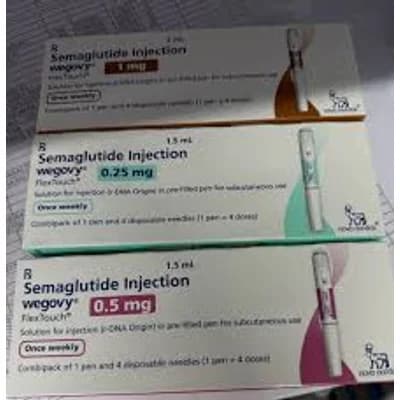
The most replicated weight-management drug ever studied, and the only one with demonstrated cardiovascular event reduction in a non-diabetic obesity population via SELECT. Head-to-head trials including Rubino 2022 and Capehorn 2020 put it clearly above liraglutide. Rebound regain on discontinuation is well documented and implies indefinite use.
The direct head-to-head comparator that displaced liraglutide as the default GLP-1 agonist.
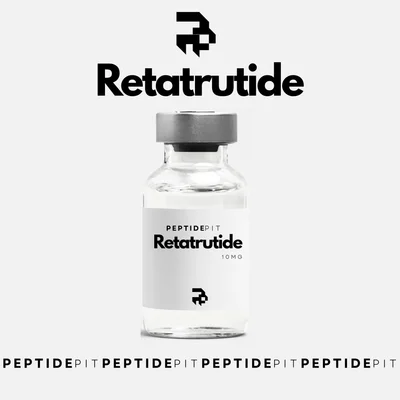
A ~24.2% mean weight reduction at 12 mg in a 48-week Phase 2 RCT is the highest figure published in this class, and the glucagon component adds an energy-expenditure mechanism the others lack. It's also unapproved everywhere, has no telehealth or compounding pathway, and anything sold commercially under this name can't be authenticated. Trial enrolment is the only honest route.
Defines the current upper bound of incretin efficacy and shows how far the field has moved past first-generation agents.
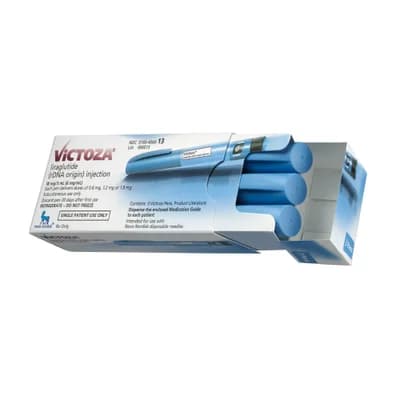
The compound this profile is about, and still the deepest long-term dataset in the class thanks to LEADER and the SCALE programme. Its ~13 hour half-life forces daily injection and its ~8% weight ceiling is roughly a third of tirzepatide's, which is why it's fallen out of favour. Fine titration granularity, fast washout and a probable generic pathway keep it relevant rather than obsolete.
It's the subject of this profile and the agent that built the evidence base every newer GLP-1 gets measured against.
What Liraglutide Is: Chemical Identity, Discovery, and Drug Class
Liraglutide is a synthetic acylated analogue of human glucagon-like peptide-1 (GLP-1), sharing roughly 97% sequence homology with the native hormone. Two structural changes separate it from endogenous GLP-1: a single amino acid substitution at position 34 (lysine to arginine), and a C16 palmitic acid chain attached via a glutamic acid spacer at position 26.
That fatty-acid side chain is the whole engineering story. Native GLP-1 circulates for one to two minutes before dipeptidyl peptidase-4 (DPP-4) destroys it. The palmitoyl chain promotes reversible binding to serum albumin and self-association into heptamers at the injection site, which slows absorption and shields the molecule from enzymatic degradation. Knudsen 2019 walks through this design logic and the broader GLP-1 discovery timeline in detail.
Drug class: GLP-1 receptor agonist, incretin mimetic. It isn't a peptide sold in the research-chemical grey market in any legitimate form. It's a licensed pharmaceutical with a defined manufacturing chain.
Saxenda vs Victoza: Same Molecule, Two Approved Indications, Two Dose Ceilings
This confuses people constantly, so let's be blunt about it. Victoza and Saxenda contain the identical active molecule. They differ only in labelled indication and maximum dose:
- Victoza (1.2 mg or 1.8 mg daily): approved by the FDA in 2010 for glycaemic control in type 2 diabetes.
- Saxenda (3.0 mg daily): approved by the FDA in 2014 for chronic weight management in adults with BMI ≥30, or ≥27 with a weight-related comorbidity. Paediatric approval for ages 12 and up was added in 2020.
EMA, MHRA and TGA approvals track closely with the FDA indications. The practical consequence is that two chemically indistinguishable products get priced, reimbursed and prescribed through completely different channels.
Mechanism of Action: GLP-1 Receptor Agonism, Gastric Emptying, and Central Satiety Signalling
GLP-1 receptor agonism produces several effects that research suggests run in parallel rather than in sequence:
1. Glucose-dependent insulin secretion. Pancreatic beta cells release insulin in response to GLP-1 signalling only when blood glucose is elevated, which is why monotherapy carries low intrinsic hypoglycaemia risk.
2. Glucagon suppression. Alpha-cell glucagon output drops, lowering hepatic glucose production.
3. Delayed gastric emptying. Food sits in the stomach longer. This drives both the satiety effect and the nausea that dominates the side-effect profile.
4. Central appetite signalling. GLP-1 receptors in the arcuate nucleus of the hypothalamus and in the area postrema are implicated in reduced food intake and altered food reward. Liraglutide is small enough, and configured in a way that lets it reach circumventricular regions of the brain, which appears central to the weight effect.
The HbA1c reduction reported across the diabetes trials (roughly 1.0 to 1.5 percentage points) comes mostly from the first two mechanisms. The weight effect comes mostly from the second two.
Why the Fatty-Acid Side Chain Only Bought 13 Hours (And Why That Matters for Dosing)
Liraglutide's half-life is approximately 13 hours. Spectacular next to native GLP-1's two minutes, but nowhere near enough for weekly dosing. Semaglutide, which uses a longer C18 diacid linker plus an AIB substitution at position 8 to further resist DPP-4, reaches roughly 168 hours. Tirzepatide sits around 116 to 120 hours.
That single pharmacokinetic parameter explains most of liraglutide's competitive position in 2026 and beyond. Daily injection is a meaningfully worse adherence proposition than weekly injection, and adherence isn't a footnote in chronic metabolic therapy, it's most of the outcome.
> Methodology note: half-life differences don't translate linearly into efficacy differences. Semaglutide isn't more effective than liraglutide *because* it lasts longer; it's more effective because higher steady-state receptor occupancy can be reached without the peak-trough swings that drive intolerable nausea. Dosing frequency and efficacy ceiling are correlated, not causally identical.
Evidence Summary: Human Randomised Controlled Trials
Liraglutide's evidence base is unusually deep for anything covered on this site. Nearly everything below is human RCT data, not animal work and not user anecdote.
Early obesity signal. Astrup 2009 reported dose-dependent weight reduction with liraglutide in adults with obesity without diabetes, which built the case for the higher-dose obesity programme.
Weight maintenance. Wadden 2013 (SCALE Maintenance) looked at liraglutide in participants who'd already lost weight on a low-calorie diet, tackling the harder question of whether pharmacotherapy prevents regain rather than just producing initial loss.
Type 2 diabetes plus obesity. Davies 2015 (SCALE Diabetes) assessed 3.0 mg liraglutide in adults with type 2 diabetes and overweight or obesity, a population where weight loss is typically blunted compared with non-diabetic cohorts.
Adolescents. Kelly 2020 extended the evidence into adolescents with obesity, underpinning the 2020 paediatric label expansion.
Cardiovascular Outcomes Data: The LEADER Trial and What It Established
LEADER (Marso 2016, n=9,340, median follow-up around 3.8 years) is the trial that changed how regulators and clinicians thought about this class. In adults with type 2 diabetes at high cardiovascular risk, liraglutide produced a statistically significant reduction in major adverse cardiovascular events versus placebo on top of standard care.
Why it matters beyond liraglutide itself: LEADER established that GLP-1 receptor agonism could deliver hard cardiovascular endpoints, not just surrogate markers. It set the template SELECT (Lincoff 2023, n=17,604) later followed for semaglutide in a non-diabetic obesity population. Liraglutide got there first, in a sicker population, with a longer follow-up window.
Weight Management Evidence: The SCALE Programme
The pivotal weight trial is SCALE Obesity and Prediabetes (Pi-Sunyer 2015, n=3,731), which reported roughly 8% mean body weight loss at 56 weeks with liraglutide 3.0 mg versus about 2.6% with placebo. le Roux 2017 extended that cohort out to three years, reporting a sustained weight difference and delayed progression to type 2 diabetes in the prediabetic subgroup.
Eight percent is a real, clinically meaningful number. It's also, by 2026 standards, the low end of the incretin class.
Liraglutide vs Semaglutide: Head-to-Head Trial Data and Indirect Comparisons
There are genuine head-to-head RCTs here, which is rarer than it should be.
- O'Neil 2018 compared subcutaneous semaglutide across a dose range against liraglutide 3.0 mg and placebo in adults with obesity. Semaglutide at 0.2 mg and above produced greater mean weight reduction than liraglutide 3.0 mg; the lowest semaglutide dose did not.
- Capehorn 2020 (SUSTAIN 10) compared semaglutide 1.0 mg against liraglutide 1.2 mg in type 2 diabetes, reporting superiority on both HbA1c and body weight endpoints.
- Rubino 2022 (STEP 8) directly compared semaglutide 2.4 mg against liraglutide 3.0 mg for weight management, with semaglutide producing substantially greater mean weight reduction over 68 weeks.
The direction is consistent across three independent trials in two different populations. For context, Wilding 2021 (STEP 1, n=1,961) reported roughly 14.9% mean body weight reduction at semaglutide 2.4 mg per week over 68 weeks versus 2.4% placebo, against liraglutide's ~8% in Pi-Sunyer 2015. Different trials, different populations, so that cross-trial comparison is indicative rather than definitive, but the head-to-heads point the same way.
Where liraglutide still competes: daily dosing allows finer titration and faster washout. If someone develops severe GI intolerance or needs to stop abruptly, a 13-hour half-life clears in a couple of days. A 168-hour half-life doesn't. That's a genuine advantage, if a narrow one.
Liraglutide vs Tirzepatide and Retatrutide: Where a First-Generation Agent Now Sits
Tirzepatide adds GIP receptor agonism to GLP-1 agonism. SURMOUNT-1 (Jastreboff 2022, n=2,539) reported mean weight reduction of 15 to 21% over 72 weeks depending on dose. SURPASS-2 (Frias 2021, n=1,879) demonstrated superiority over semaglutide 1 mg on both HbA1c and weight in a direct head-to-head. Against liraglutide, the gap on the weight endpoint is roughly two-and-a-half fold.
Retatrutide goes further mechanistically, adding glucagon receptor agonism to push energy expenditure alongside satiety. Its published Phase 2 RCT (n=338, 48 weeks) reported approximately 24.2% mean body weight reduction at the 12 mg dose. It is not approved anywhere, and Phase 3 (the TRIUMPH programme) is ongoing.
Honest framing: liraglutide is now a third- or fourth-line choice on efficacy grounds. What's left of its case rests on cost trajectory (generics), supply reliability, titration granularity, and the sheer volume of long-term safety data behind it.
---
The Products, Ranked
1. Prescription Tirzepatide (Mounjaro / Zepbound) - Top Pick
Who this is relevant to: adults meeting the labelled BMI criteria who have a legitimate prescribing route, can absorb the cost, and want the largest published effect size available in an approved product.
Class: dual GIP/GLP-1 receptor agonist. Not a GLP-1 mono-agonist, which is rather the point.
Evidence: SURMOUNT-1 (Jastreboff 2022, n=2,539) reported 15 to 21% mean body weight loss over 72 weeks depending on dose. SURPASS-2 (Frias 2021, n=1,879) beat semaglutide 1 mg head-to-head on HbA1c and weight. Tens of thousands of patient-years of Phase III safety data. Approved as Mounjaro for type 2 diabetes in May 2022 and as Zepbound for chronic weight management in November 2023, with EMA, MHRA and TGA approvals following.
Dosing in trial contexts: 2.5 mg to 15 mg once weekly subcutaneous, escalating per the SURPASS/SURMOUNT protocols. Half-life roughly 116 to 120 hours. Refrigerate at 2 to 8°C; room temperature up to 30°C for up to 21 days per manufacturer guidance. *Reported from research and regulatory contexts, not a recommendation.*
Pros: strongest published weight-reduction signal of any drug class in controlled trials; dual mechanism outperforms single-receptor agonists in head-to-head data; legitimate prescription pathway in all major markets.
Cons: US list price around $1,000 to $1,350/month without insurance, with patchy coverage for the obesity indication; GI side effects during escalation cause meaningful discontinuation in trials; black box warning for thyroid C-cell tumours based on rodent data, contraindicated with personal or family history of MEN2 or medullary thyroid carcinoma.
Value: the most expensive option per month, the cheapest per percentage point of body weight reduced.
2. Prescription Semaglutide (Ozempic / Wegovy)
Who this is relevant to: anyone who wants the deepest replication record in the class, or who needs the cardiovascular outcomes data specifically, or who can't tolerate tirzepatide's GIP component.
Class: GLP-1 receptor agonist, once-weekly, with an oral formulation available.
Evidence: STEP 1 (Wilding 2021, n=1,961) reported ~14.9% mean weight reduction at 2.4 mg/week over 68 weeks versus 2.4% placebo. SELECT (Lincoff 2023, n=17,604) showed a 20% relative MACE reduction in adults with obesity and established cardiovascular disease, the first weight-loss drug to demonstrate cardiovascular event reduction. Ozempic was approved for type 2 diabetes in 2017, Wegovy for chronic weight management in 2021, extended to adolescents 12 and over in 2023. Rybelsus, the oral formulation, was approved for type 2 diabetes in 2019.
Dosing in trial contexts: 0.25 mg/week escalating to 2.4 mg/week subcutaneous; 3 to 14 mg/day oral. Half-life roughly 168 hours. Refrigerate pens at 2 to 8°C, stable at room temperature up to 28 days after first use. *Not a recommendation.*
Pros: the most replicated weight-management intervention ever studied; dual indications with expanding cardiovascular labelling; weekly dosing plus an oral option for needle-averse patients.
Cons: list price frequently above $1,300/month, coverage inconsistent for the weight indication; significant rebound regain reported on discontinuation, which implies long-term use; high GI burden during titration; black box warning for medullary thyroid carcinoma from rodent data.
Value: priced comparably to tirzepatide with a lower efficacy ceiling, offset by the strongest cardiovascular evidence in the class.
3. Prescription Retatrutide
Who this is relevant to: almost nobody outside a clinical trial. It's here because it defines the ceiling of the class and because people won't stop asking about it.
Class: triple agonist, GLP-1 plus GIP plus glucagon receptor.
Evidence: Phase 2 RCT (n=338, 48 weeks) reported approximately 24.2% mean body weight reduction at 12 mg, the highest figure published in a GLP-1-class RCT at time of publication. Phase 3 data pending under the TRIUMPH programme.
Dosing in trial contexts: 2 to 12 mg weekly subcutaneous with structured escalation, per the published Phase 2 protocol. Half-life roughly 168 hours. Requires reconstitution; lyophilised material frozen, reconstituted material refrigerated and protected from light. *Reported from a clinical trial protocol. Not a recommendation.*
Pros: best-in-class Phase 2 signal; glucagon agonism adds an energy-expenditure mechanism the other three don't have; human RCT evidence tier, far above typical research-chemical compounds.
Cons: not approved in any jurisdiction, unregulated research chemical status in the US, UK, EU and Australia. No compounding pharmacy or telehealth route exists. Anything sold commercially as "retatrutide" can't be verified as the authentic Eli Lilly compound. Glucagon agonism brings tachycardia and glycaemic risks that GLP-1-only agents don't carry, with incomplete long-term safety data.
Value: not purchasable through any legitimate channel. The only honest access route is trial enrolment via ClinicalTrials.gov.
4. Prescription Liraglutide (Saxenda / Victoza)
Who this is relevant to: patients who need fine titration control, fast washout, or who have access constraints that make a first-generation agent the realistic option. Also the reference compound for anyone trying to understand the class from its foundations.
Class: GLP-1 receptor agonist, daily.
Evidence: SCALE Obesity and Prediabetes (Pi-Sunyer 2015, n=3,731) reported ~8% mean weight loss at 56 weeks with 3.0 mg versus ~2.6% placebo. LEADER (Marso 2016, n=9,340) showed significant MACE reduction over roughly 3.8 years in high-risk type 2 diabetes. Supporting RCTs include Astrup 2009, Wadden 2013, Davies 2015, le Roux 2017 and Kelly 2020. HbA1c reduction of roughly 1.0 to 1.5 percentage points reported across the diabetes programme.
Dosing in trial and regulatory contexts: 0.6 to 3.0 mg/day subcutaneous, titrated. Half-life roughly 13 hours. Refrigerate unopened pens at 2 to 8°C; in-use pens below 30°C for up to 30 days. *Not a recommendation.*
Pros: deepest long-term evidence base including dedicated cardiovascular outcomes data; approved by FDA, EMA, MHRA and TGA with a pharmaceutical-grade supply chain; a titration protocol clinicians have been running for over a decade.
Cons: daily injection materially hurts adherence versus weekly agents; list price around $900 to $1,600/month without insurance with limited generic availability so far; efficacy ceiling well below semaglutide 2.4 mg and tirzepatide.
Value: currently poor on cost-per-outcome. That maths changes if and when generic liraglutide becomes widely available, since patent expiry timelines for liraglutide sit ahead of semaglutide's and tirzepatide's.
---
Titration, Tolerability, and Why Escalation Schedules Exist
The escalation schedules across all four compounds exist for one reason: receptor-mediated delayed gastric emptying causes nausea, and tolerance builds with gradual exposure. Starting at target dose produces vomiting rates that make the drug unusable.
Liraglutide's daily schedule allows escalation in 0.6 mg increments, typically weekly. That's genuinely finer-grained than the weekly agents, where a dose step commits you for seven days. For patients with a history of GI sensitivity, that granularity isn't nothing.
Reported Side Effects, Black Box Warnings, and Contraindications
Across the liraglutide labelling and trial data, reported adverse effects include nausea (most common, dose-dependent), vomiting, diarrhoea, constipation, injection-site reactions, headache, reduced appetite, increased heart rate, hypoglycaemia (especially alongside sulfonylureas), acute pancreatitis (rare, flagged in labelling), and gallbladder disease.
Black box warning: risk of thyroid C-cell tumours, including medullary thyroid carcinoma, based on rodent data. Human relevance is still uncertain. Contraindicated in patients with a personal or family history of medullary thyroid carcinoma or MEN2. The same warning applies to semaglutide and tirzepatide.
This is a prescription-only decision made with a prescriber who has your history in front of them. Peptide Guides doesn't and can't assess individual suitability.
Discontinuation and Weight Regain: What the Follow-Up Data Shows
Across the class, discontinuation data consistently shows weight regain. That's not a liraglutide-specific weakness; rebound regain on stopping is reported for semaglutide in the research too. The mechanistic reading is straightforward: these agents suppress appetite while present and stop suppressing it when absent. There's no evidence of a durable set-point reset after withdrawal.
The practical implication, discussed openly in the clinical literature, is that these are chronic therapies, not courses. Anyone treating a GLP-1 agonist as a 12-week protocol is misreading the evidence.
Legal Status and Access Pathways: US, UK, EU, Australia
Liraglutide, semaglutide, tirzepatide: prescription-only medicines approved by the FDA (US), MHRA (UK), EMA (EU) and TGA (Australia). Possession without a prescription is unlawful in all four jurisdictions. Indication-specific reimbursement varies enormously, particularly for the obesity indications.
Retatrutide: not approved anywhere. Classified as an unregulated research chemical in the US, UK, EU and Australia. There's no legal consumer access pathway.
Prescription and Telehealth Routes vs Research-Chemical 'Liraglutide'
Legitimate access to liraglutide, semaglutide and tirzepatide runs through a prescriber. In the US that includes established telehealth platforms like Ro, Hims and Mochi, which run a prescribing consultation and dispense pharmaceutical product. In the UK, pharmacy-led services operate under MHRA rules with prescriber oversight.
Research-chemical GLP-1 sourcing is strongly discouraged, and more so for this class than for others. The reasons are specific:
- These are injectable products given daily or weekly for months to years. Sterility failure isn't a theoretical concern.
- Dose accuracy matters acutely. Titration protocols exist because overshooting causes severe GI events. Unverified concentration in a reconstituted vial removes the entire safety architecture of the escalation schedule.
- Grey-market vials sold as "retatrutide" can't be authenticated against the originator compound at all.
- A pharmaceutical pen delivers a calibrated dose from a validated manufacturing line. Nothing in the research-chemical supply chain replicates that.
Don't buy from vendors that ship without a certificate of analysis or without age and identity verification. For an approved prescription drug, though, the right answer is a prescriber, not a COA.
Cost Reality: List Prices, Generic Timelines, and Insurance Coverage Gaps
US list prices without insurance sit roughly at $900 to $1,600/month for liraglutide, above $1,300/month for semaglutide, and $1,000 to $1,350/month for tirzepatide. Coverage for the diabetes indications is far better than for the obesity indications across most payers, which is the single biggest access barrier in the category.
Liraglutide's structural advantage is timing. Its patent position is older than semaglutide's or tirzepatide's, and generic entry is the plausible route by which a first-generation agent becomes the value pick despite a lower efficacy ceiling. An 8% agent at a fraction of the price is a very different proposition from an 8% agent at $1,400/month.
> Comparison note: cost-per-percentage-point-of-weight-reduced currently favours tirzepatide despite the higher monthly list price. If generic liraglutide reaches broad availability at typical generic discounts, that ranking flips for cost-constrained patients. Worth watching.
Who the Trial Data Actually Applies To: Population Limitations
SCALE and LEADER enrolled specific populations: adults with BMI ≥30 or ≥27 with comorbidity, and adults with type 2 diabetes at elevated cardiovascular risk, respectively. The reported effect sizes don't automatically transfer to lean athletes chasing body-composition refinement, to people with BMI below the trial thresholds, or to anyone using the drug for recomposition rather than obesity management.
All of these trials also included structured lifestyle intervention as background therapy in both arms. The reported weight reduction is the drug effect *on top of* diet and activity counselling, not instead of it.
Open Questions and Ongoing Research
- Lean mass preservation across the class is still an open question, with muscle loss alongside fat loss reported in the semaglutide side-effect data.
- Whether cardiovascular benefit is weight-mediated or independent of weight loss isn't fully resolved.
- Long-term data on triple agonists doesn't exist yet; retatrutide Phase 3 will be the first substantial read.
- Whether generic liraglutide meaningfully shifts prescribing patterns is an economic question rather than a pharmacological one.
Where to Learn More
- PubMed: search "liraglutide randomized controlled trial", "LEADER liraglutide cardiovascular", "SCALE liraglutide obesity".
- ClinicalTrials.gov: search sponsor "Novo Nordisk" for liraglutide and semaglutide trials, "Eli Lilly" for tirzepatide and the retatrutide TRIUMPH programme, including recruiting sites.
- Regulatory labels: FDA DailyMed for US prescribing information on Victoza and Saxenda; EMA product information pages; the MHRA Products database; the TGA Product Information database for Australian labelling.
Regulatory Disclaimer
This content is published for educational and research-aggregation purposes only. It isn't medical advice, and Peptide Guides doesn't recommend any compound described here for human use. Liraglutide, semaglutide and tirzepatide are prescription-only medicines; retatrutide is an investigational compound not approved in any jurisdiction. All dosing figures cited come from published clinical trial protocols and regulatory labelling and are reported for information, not as recommendations. Any decision involving these drugs belongs with a licensed prescriber who knows your medical history.
Tips
- 1.If you're comparing GLP-1 agents, compare on cost per percentage point of weight reduced, not monthly list price. Liraglutide at $900 to $1,600/month for ~8% is currently worse value than tirzepatide at $1,000 to $1,350/month for 15 to 21%, and that only shifts if generic liraglutide reaches broad availability.
- 2.Check pen storage requirements before you commit to a supply arrangement. Liraglutide in-use pens tolerate up to 30 days below 30°C, semaglutide pens 28 days after first use, tirzepatide up to 21 days at room temperature. If you travel a lot, that difference is operationally significant.
- 3.Never source a GLP-1 agonist as a research chemical. These are approved prescription drugs with legitimate telehealth pathways in every major market; unverified reconstitution concentration destroys the titration protocol the entire tolerability profile depends on, and anything sold as 'retatrutide' can't be authenticated as the originator compound at all.
The Bottom Line
Liraglutide earned its place in this category, and its cardiovascular outcomes data in LEADER is still foundational, but on efficacy per injection burden it's been clearly overtaken. For anyone with a legitimate prescribing route and the means to cover it, prescription tirzepatide (Mounjaro/Zepbound) is the strongest evidence-backed option available today, with semaglutide the alternative where cardiovascular endpoints or an oral formulation matter more than peak weight effect. Keep liraglutide on the shortlist only for fine titration control, fast washout, or if generic pricing shows up.