
PEPTIDE-PROFILE
Melanotan II: What the Research Shows — and Why the Safety Record Matters
A methodology-first look at the evidence, risks, and regulatory status of MT-II
Last updated: August 18, 2026
Quick Answer
Melanotan II is a synthetic cyclic analog of alpha-MSH with real human trial data - small University of Arizona studies in the 1990s documented pigmentation and erectile effects - and an equally real adverse-event record: consistent dose-dependent nausea, flushing, spontaneous erections, and a growing cluster of case reports linking use to changing moles and melanoma diagnoses. It remains unapproved in every major jurisdiction. For the melanocortin mechanism it pioneered, the FDA-approved derivative bremelanotide (Vyleesi) - not the research chemical - is the defensible clinical route.
Melanotan II has one of the more unusual profiles in the research peptide space: it's simultaneously among the best-documented and most cautionary compounds in its class. Human trial data exists - real, published, peer-reviewed data - and it shows both the mechanistic promise that drew researchers to the molecule and the tolerability and safety signals that eventually redirected development toward more selective derivatives.
The existence of bremelanotide (PT-141) and its FDA-approved formulation Vyleesi makes the Melanotan II story genuinely instructive. It's a case where the research pipeline worked roughly as designed: a broad-spectrum agonist revealed the mechanism, a selective derivative was developed, clinical trials were run, and regulatory approval followed - but only for the derivative, and only via prescription. The unapproved parent compound didn't become safer by association. If anything, the approval of the derivative clarifies exactly why the original compound stayed outside the approval pathway.
This guide covers what the published trial record actually shows - including the adverse event data that gets minimized in community discussions - and what it does and doesn't tell us about Melanotan II as a research chemical in 2026. This content is for educational purposes only. It does not constitute medical advice, and none of the research-chemical compounds described here are approved for human use.
Featured Peptides
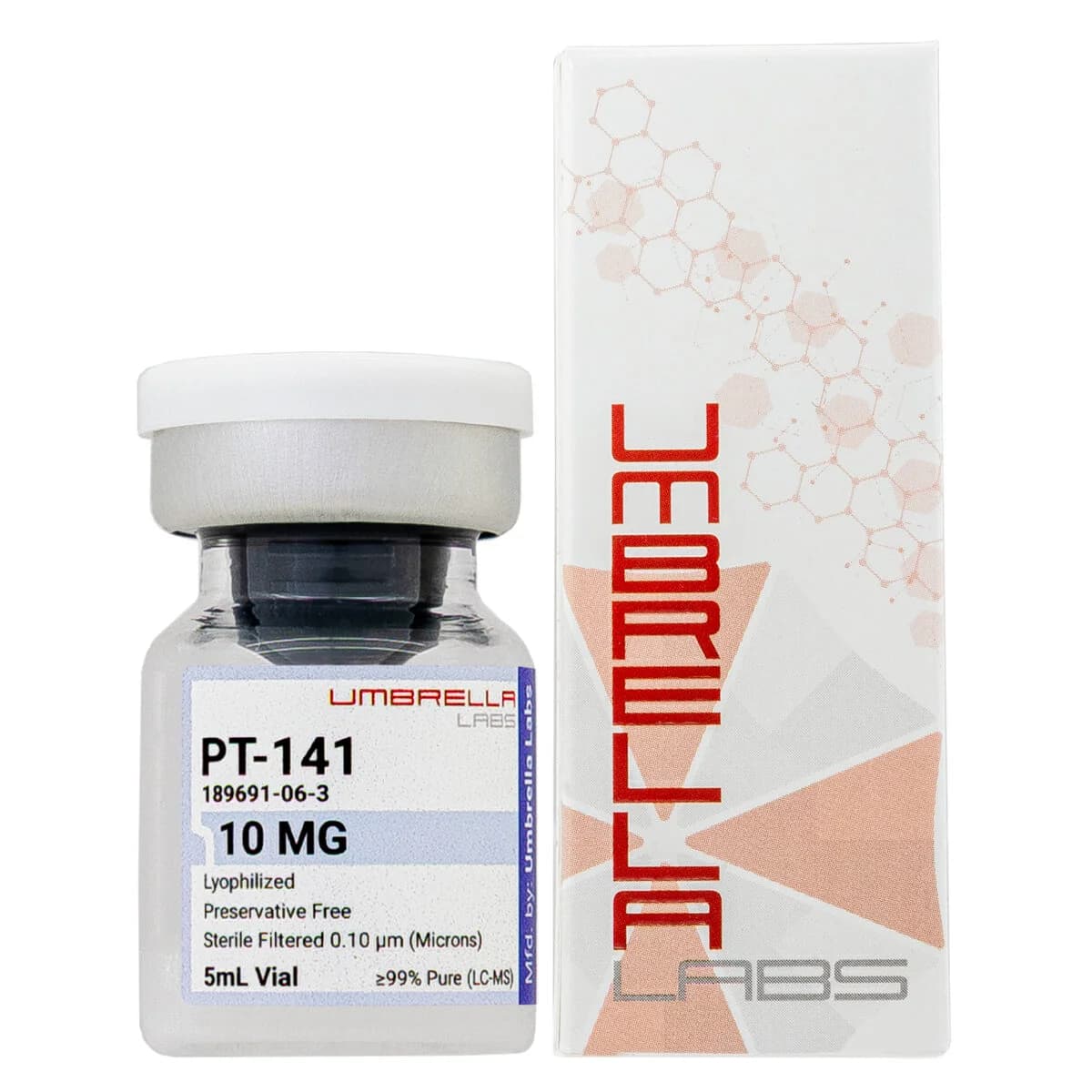
Research Peptide PT-141 has the strongest evidence profile in this comparison by a meaningful margin - the mechanistic basis is supported by genuine human RCT data, and the FDA approval of the derivative Vyleesi validates the core MC4R mechanism. The 40% nausea rate on the approved product's label is a real tolerability constraint, and the research-chemical form is categorically different from the approved prescription product in terms of sterility and dosing precision.
PT-141 is the direct research-chemical analog of the only FDA-approved melanocortin agonist for sexual health, making the approved-versus-unapproved pathway contrast central to this guide's analytical angle.
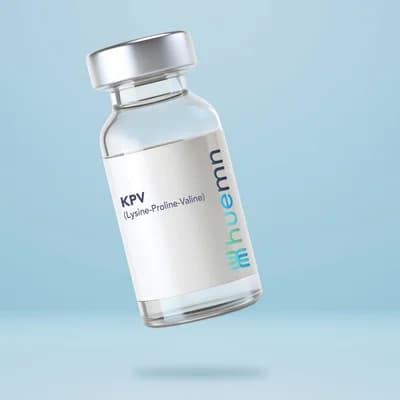
KPV is included as a melanocortin-pathway-adjacent compound with a markedly different profile: more mechanistically selective, preclinically promising in gut inflammation models, and entirely unproven in human trials. It doesn't carry the dermatological risk signal of MT-II and sits in a different risk-evidence tier, but the absence of human RCT data means it can't be assessed with confidence in either direction.
KPV provides comparative context as a melanocortin-derived peptide that illustrates the receptor selectivity question central to understanding why MT-II's broad agonism profile was a developmental liability.
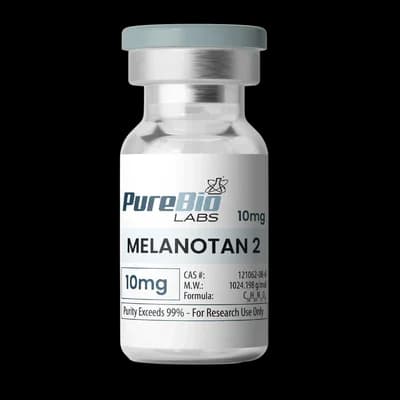
MT-II has real published human trial data and a well-characterized mechanism, which distinguishes it from most research peptides - but the adverse event profile documented in those same trials, the dermatological case report cluster around nevi changes, and the explicit legal prohibitions in Australia and restricted status in the UK make it a compound where the cautionary data genuinely should lead the analysis. The derivative achieving FDA approval validates the mechanism while clarifying why MT-II itself didn't advance through the approval pathway.
MT-II is the primary subject of this guide and represents the instructive case of a research peptide with substantial human trial documentation that reveals adverse signals as clearly as it demonstrates mechanistic effects.
What Is Melanotan II? - Chemical Identity, Discovery, and Receptor Class
Melanotan II (MT-II) is a synthetic cyclic heptapeptide analog of alpha-melanocyte-stimulating hormone (alpha-MSH), the endogenous melanocortin peptide derived from the POMC (pro-opiomelanocortin) precursor. Its sequence is Ac-Nle-c[Asp-His-D-Phe-Arg-Trp-Lys]-NH2 - a cyclized, amidated structure designed to improve receptor binding affinity and metabolic stability relative to the linear alpha-MSH parent molecule. Its molecular formula is C50H69N15O9, molecular weight approximately 1024 Da (PubChem CID 92432).
The compound was synthesized at the University of Arizona in the late 1980s as part of a program to develop a safer tanning agent - the hypothesis being that a pharmacological means of stimulating melanin production could reduce the UV exposure needed for pigmentation and thereby lower skin cancer risk (Al-Obeidi 1989). That original rationale was largely abandoned as the receptor pharmacology became better understood, and the compound's erectogenic and appetite-suppressing effects emerged as more commercially interesting research targets.
MT-II is a non-selective melanocortin receptor agonist, meaning it activates MC1R, MC3R, MC4R, and MC5R with varying affinity. That broad receptor activity is central to understanding both its effects and its adverse event profile.
---
Mechanism of Action - How Broad Melanocortin Agonism Works (and Why Selectivity Matters)
The five melanocortin receptor subtypes are distributed across different tissues and mediate distinct physiological functions:
- MC1R - expressed on melanocytes; activation stimulates melanin synthesis and skin darkening
- MC3R - expressed in the brain and peripheral tissues; implicated in energy homeostasis and inflammation modulation
- MC4R - expressed predominantly in the hypothalamus; linked to sexual function, appetite suppression, and autonomic cardiovascular regulation
- MC5R - expressed in exocrine glands; role in sebaceous and lacrimal secretion
MT-II activates all of these with meaningful potency. The erectogenic effect observed in trials is attributed primarily to MC4R activation in the paraventricular nucleus of the hypothalamus, producing a CNS-mediated pro-erectile signal that's distinct from the peripheral vasodilatory mechanism of PDE5 inhibitors. The tanning effect is MC1R-mediated. The nausea - the most consistently documented adverse effect - is believed to be MC3R and MC4R-mediated through central and peripheral pathways.
This lack of receptor selectivity is the core pharmacological problem. You can't activate MC4R for sexual function without simultaneously activating MC1R for pigmentation, MC3R and MC4R for nausea, and potentially MC5R for glandular effects. The research pipeline that produced bremelanotide was, in part, an attempt to develop a clinically tolerable compound by modifying the pharmacokinetic profile of MT-II - not its receptor selectivity.
---
Evidence Summary - Human Trials, Animal Studies, and Anecdotal Reports
Human Trial Evidence
Erectogenic effects: Early controlled trials conducted at the University of Arizona (Wessells 1998; Wessells 2000) examined MT-II administration in men with psychogenic and organic erectile dysfunction. These were small studies with limited sample sizes. Results indicated statistically significant increases in erectile activity compared to placebo. These remain among the most cited human-trial data points for the compound.
Melanocyte and tanning effects: The first human study (Dorr 1996) was a pilot Phase I in just three male volunteers, single-blind and placebo-controlled, escalating subcutaneous doses from 0.01 to 0.03 mg/kg. It documented increased pigmentation in two of the three subjects alongside nausea, somnolence at the highest dose, and spontaneous penile erections - the last being the unintended observation that redirected research interest toward sexual dysfunction applications.
Nausea as a consistent finding: Across published trials, nausea has been the most reliably documented adverse effect. This isn't a minor tolerability issue - rates documented in research contexts were substantial, and the effect was dose-dependent.
Animal Study Evidence
Preclinical work in rodent models has examined MT-II's effects on food intake (appetite suppression via MC4R), sexual behavior, and cardiovascular parameters. Animal studies have also examined effects on melanocyte behavior and pigmented lesion formation. Results from animal models aren't directly translatable to human physiology and shouldn't be interpreted as predictive of human outcomes.
Anecdotal Reports
Large-scale community self-reporting exists across bodybuilding and biohacking forums, documenting subjective effects including tanning, increased libido, nausea, facial flushing, fatigue, and - importantly - self-observed changes in moles and skin lesions. These anecdotal reports aren't controlled observations and can't establish causation, but the consistency of certain signals (particularly nausea and nevi concerns) across independent sources is worth noting as a hypothesis-generating data set.
---
The PT-141 / Vyleesi Distinction - What FDA Approval of a Derivative Does and Doesn't Tell Us About MT-II
Bremelanotide (PT-141) received FDA approval as Vyleesi in June 2019 for hypoactive sexual desire disorder (HSDD) in premenopausal women (NDA 210557) - making it the only FDA-approved medication in the melanocortin agonist class for a sexual health indication.
This approval is genuinely significant, but it requires careful interpretation.
What the approval validates: The MC4R-mediated mechanism of CNS-driven sexual arousal is real, reproducible in controlled trials, and clinically meaningful enough for regulatory approval. The mechanistic hypothesis that came out of early MT-II research was correct.
What the approval does NOT validate: It doesn't make MT-II safer. It doesn't create a regulatory pathway for MT-II. It doesn't mean that research-chemical PT-141 is equivalent to Vyleesi - the approved product has defined sterility standards, excipient formulation, and dosing precision that unregulated research chemicals simply lack.
Bremelanotide is a metabolite-derived analog of MT-II that emerged as the development focus narrowed to the desire/arousal mechanism. Its approval pathway required extensive Phase 3 trial data that MT-II itself never generated through a conventional IND process - and even the approved product's label documents transient blood-pressure increases after each dose, which is part of why the broader-acting parent compound never advanced.
The practical implication: A prescription pathway for Vyleesi exists via licensed healthcare providers and telehealth platforms for qualifying patients. That's a categorically different situation from sourcing research-chemical PT-141 or MT-II without a prescription. The approved drug and the research chemical aren't interchangeable - legally or pharmacologically.
---
Dosing in Research Contexts - Ranges Reported in Published Studies
> Disclaimer: The following describes dosing ranges used in published research studies only. This is not a recommendation for human use. MT-II is not approved for human consumption. These dosing ranges are included for educational context only.
Published trials examining MT-II have used subcutaneous administration, typically at doses in the low microgram-per-kilogram range. The Wessells trials (1998, 2000) used doses in the range of approximately 0.025 mg/kg body weight administered subcutaneously. The Dorr 1996 tanning trial used varying dose levels to assess pigmentation response.
Across published research, even doses at the lower end of studied ranges were associated with nausea and other adverse effects in a significant proportion of subjects. There's no documented human research dose at which the adverse effect profile becomes negligible.
For context: the FDA-approved bremelanotide (Vyleesi) is formulated as a 1.75 mg subcutaneous auto-injector for on-demand use, with specific contraindications and administration instructions that don't apply to unformulated research chemicals.
---
Reported Side Effects and Contraindications - Nausea, Nevi Changes, Cardiovascular Signals, and More
Nausea and Emesis
Nausea is the most consistently documented adverse effect across published MT-II trials and is dose-dependent. In some research contexts, rates were high enough to be considered a primary tolerability limitation. The mechanism is believed to involve central MC3R and MC4R activation.
Cardiovascular Effects
Blood pressure changes - both elevation and transient hypotension upon administration - have been observed in research contexts. The cardiovascular profile of MT-II creates meaningful contraindication concerns, particularly in individuals with pre-existing cardiovascular conditions or those taking nitrate medications. These aren't theoretical concerns; they're documented in the trial literature and were significant enough to influence the reformulation work that produced bremelanotide.
Facial Flushing and Spontaneous Erections
Dorr 1996 and subsequent trials documented facial flushing and - in male subjects - spontaneous erections as adverse events unrelated to sexual stimulation. These are consistent with the broad receptor activation profile.
Fatigue and Yawning
Self-reported fatigue and yawning are consistent with central melanocortin pathway activation and appear in both trial adverse event listings and anecdotal community reports.
Nevi Changes
See dedicated section below.
---
The Nevi and Melanocyte Question - What the Dermatological Risk Literature Actually Says
This is the part of the MT-II safety profile that gets the least nuanced coverage in community discussions, and it warrants careful treatment.
MT-II activates MC1R on melanocytes, which stimulates melanin production. The theoretical concern is whether sustained or repeated MC1R activation could also stimulate melanocyte proliferation - which would be relevant to the development or progression of melanocytic nevi (moles) or, at the extreme end of concern, melanoma.
What the published literature shows: Case reports and dermatological reviews have documented new or changing nevi in individuals self-administering MT-II (Langan 2009; Cardones 2009; Habbema 2017). These are case reports and observational findings, not controlled trials establishing causation. They can't prove that MT-II caused the nevi changes. However, the mechanistic plausibility - MC1R stimulation on melanocytes - means the signal can't be dismissed as biological nonsense.
The Evans-Brown 2009 perspective: A BMJ editorial (Evans-Brown 2009) flagged the public-health problem around the compound: unlicensed melanotan products being sold over the internet and administered in tanning salons and beauty parlours, entirely outside clinical oversight - which is also why systematic adverse-event data for real-world use doesn't exist.
The Ong 2012 and Hjuler 2014 contributions: Further case documentation appeared in subsequent years (Ong 2012; Hjuler 2014), reinforcing that the signal wasn't isolated to a single report - Hjuler 2014 describes melanoma in a 20-year-old woman after three to four weeks of MT-II injections combined with tanning-bed use. And the record has kept growing: Alsabbagh 2025 describes an oral mucosal melanoma in a young intranasal MT-II user, and Vadner 2026 documents five primary melanomas in situ in a man combining escalating MT-II doses with tanning beds and unregulated testosterone - with the authors explicitly noting that causality can't be established from a single case. None of these reports establish causation, but collectively they constitute a pattern that should inform any serious risk assessment.
The honest summary: The dermatological risk of MT-II is debated, mechanistically plausible, and supported by a cluster of case reports rather than a controlled trial. Anyone with a personal or family history of melanoma, dysplastic nevi, or a high baseline mole burden is in a category where even a theoretical MC1R-stimulation risk warrants serious consideration. There's no established safe dose from a dermatological standpoint.
---
Legal Status by Region
United States
MT-II is not FDA-approved for any indication and isn't scheduled as a controlled substance under the Controlled Substances Act. It occupies a regulatory gray area when sold as a "research chemical" not for human consumption. The FDA has issued warning letters regarding MT-II products marketed with implied health claims (FDA 2007). Purchasing for legitimate laboratory research isn't explicitly prohibited, but the regulatory situation is ambiguous and enforcement has historically targeted vendors rather than end users.
United Kingdom
The MHRA has explicitly identified MT-II as an unlicensed medicine and has taken enforcement action against vendors (MHRA 2021). Supply without a license is illegal. The regulatory posture is significantly less permissive than in the US.
European Union
Regulatory status varies by member state, but MT-II is generally treated as an unlicensed medicinal product where supply for human use requires marketing authorization. Enforcement intensity varies considerably across jurisdictions.
Australia
MT-II is explicitly prohibited in Australia. Australian authorities treat it as a prescription-only medicine - public statements describe it as Schedule 4 under the Poisons Standard - and supply without authorization is illegal. Australia has one of the most explicit and enforced regulatory positions on MT-II globally. Researchers and community members in Australia should treat this as a hard legal constraint, not a gray area.
---
Sourcing Considerations - COA Standards, Red Flags, and Why Vendor Quality Is Especially High-Stakes Here
The sourcing quality question matters for all research peptides, but it's especially consequential for MT-II given the adverse effect profile. An impure or mislabeled product in this compound class carries risks that compound an already significant adverse event baseline.
What a Credible COA Looks Like
- HPLC purity analysis with a stated percentage (98%+ is the research-grade standard) and a chromatogram, not just a stated number
- Mass spectrometry (MS) confirmation of molecular identity - this distinguishes the correct peptide from analogs or degradation products
- Third-party testing from a named, verifiable laboratory - not an in-house document without external verification
- Lot-specific documentation - a COA that applies to the specific batch you're purchasing, not a generic document
- Endotoxin / LAL testing for any injectable research chemical - this is frequently omitted by lower-quality vendors and represents a meaningful sterility risk
Red Flags
- COAs without named third-party labs
- Vendors who describe MT-II in terms of human benefits or outcomes rather than research utility
- Products sold pre-reconstituted in solution (stability and sterility concerns)
- No age or ID verification at point of sale
- Prices significantly below market rate (a near-certain indicator of lower purity or mislabeling)
- No clear statement that the product is for research purposes only
Why This Matters More for MT-II
Breindahl 2015 analyzed MT-II vials sold by three internet shops, each labeled 10 mg: actual content ranged from 4.3 to 8.8 mg - 43-88% of the label - and vials from two of the three shops contained unidentified impurities. Mislabeled, impure dosing of a compound with a steep adverse-effect dose-response curve is a meaningful risk multiplier.
---
Comparative Context - KPV and the Pattern of Peptides With Divergent Development Trajectories
KPV (Lysine-Proline-Valine) is a tripeptide derived from the C-terminal sequence of alpha-MSH and shares melanocortin pathway lineage with MT-II. Its research profile illustrates a different trajectory: rather than broad receptor agonism, KPV appears to exert anti-inflammatory effects through NF-kB pathway modulation and FPRL-1 receptor interactions, with preclinical colitis research showing directionally consistent results across model types.
KPV has no published human RCT data. Its evidence base is entirely preclinical. But its mechanistic specificity - apparent dissociation of anti-inflammatory signaling from MC1R-mediated pigmentation effects - represents exactly the kind of selectivity that the MT-II development pathway was trying to achieve. Whether that selectivity holds in human physiology remains unknown.
The broader pattern here is instructive: melanocortin pathway research has consistently found that broad agonism produces too many simultaneous effects to be clinically useful, and the research effort has moved toward selective compounds. MT-II's position in that history is as a well-characterized but pharmacologically blunt instrument whose main research value may now be as a reference compound rather than a development target.
---
Product Assessments
Research Peptide Melanotan II
What the research record shows: MT-II has genuine mechanistic characterization and real human trial data - more than most research peptides. The Wessells trials (1998, 2000) and the Dorr 1996 tanning research are legitimate published science. The mechanism is well-understood. But the adverse effect profile documented across those same trials - nausea, cardiovascular signals, and the dermatological case report cluster around nevi changes - isn't a minor footnote. It's central to evaluating the compound.
Score: 52/100. The mechanistic foundation is solid. The human trial record is real. The adverse event burden is also real, the regulatory situation in several jurisdictions isn't a gray area, and the lack of receptor selectivity means you can't access any single effect without activating the full receptor constellation. The derivative compound achieving FDA approval validates the mechanism while simultaneously illustrating why MT-II itself didn't clear the clinical development bar.
Honest assessment: For researchers specifically studying melanocortin receptor pharmacology, MT-II has reference compound utility. For anyone approaching this from a practical application standpoint, the approved prescription pathway via Vyleesi (for qualifying patients) and the research-chemical PT-141 literature are more defensible options than MT-II.
---
Research Peptide PT-141 (Bremelanotide)
What the research record shows: PT-141 is the compound that completed the development trajectory MT-II started. The human RCT data supporting the MC4R sexual arousal mechanism is among the strongest in the research peptide category. The FDA approval of Vyleesi for HSDD in premenopausal women is a meaningful regulatory validation - and it also creates a legitimate prescription pathway that doesn't exist for MT-II.
Score: 72/100. The mechanistic basis is robust. The CNS-mediated mechanism is genuinely distinct from PDE5 inhibitors and represents a different pharmacological target. The approved label specifies administration at least 45 minutes before anticipated activity, an on-demand pattern. That said: the Vyleesi label reports nausea in 40% of treated patients - a clinically significant tolerability issue - plus transient blood-pressure increases that make uncontrolled hypertension and known cardiovascular disease formal contraindications. And research-chemical PT-141 isn't Vyleesi - it lacks the sterility assurance, formulation precision, and dosing consistency of the approved product.
Honest assessment: For researchers in this space, PT-141 has the strongest evidence profile of the three compounds covered here. For anyone who might clinically qualify for Vyleesi, the prescription pathway is the appropriate route - not a research chemical.
---
Research Peptide KPV (Lysine-Proline-Valine)
What the research record shows: KPV is the most mechanistically selective compound in this comparison and the one with the least human evidence. Preclinical colitis research is directionally consistent. The NF-kB and FPRL-1 pathway work is legitimately characterized for a tripeptide. The potential for oral bioavailability with appropriate formulation is an interesting research question. But there are no published human RCTs.
Score: 52/100. The mechanistic characterization is genuinely interesting, particularly the apparent dissociation from MC1R pigmentation effects. The preclinical consistency is encouraging. The evidence gap is large - preclinical to human translation in inflammatory bowel research has a poor historical success rate, and KPV hasn't crossed that threshold yet. Vendor COA quality is also inconsistent for this compound, which compounds the research utility limitations.
Honest assessment: KPV belongs in a research watchlist category - scientifically plausible, mechanistically specific, and entirely unproven in humans. It's not in the same risk tier as MT-II (no dermatological signals, no cardiovascular adverse event literature), but it also offers no human trial confidence.
---
Regulatory Disclaimer and Where to Learn More
This guide is published for educational purposes only. It does not constitute medical advice. None of the research-chemical compounds described - including MT-II, research-chemical PT-141, and KPV - are approved for human use. Vyleesi (bremelanotide) is an FDA-approved prescription medication and should only be accessed through licensed healthcare providers. All other compounds described are research chemicals with legal status that varies by jurisdiction. Always consult a licensed healthcare professional before making any decisions about medications or health interventions.
Primary Research Sources
- PubMed (pubmed.ncbi.nlm.nih.gov): Search "melanotan II" + "clinical trial" for the Wessells and Dorr papers. Search "bremelanotide" for the PT-141 Phase 3 trial data. Search "KPV anti-inflammatory" for the preclinical literature.
- ClinicalTrials.gov: Search "bremelanotide" for registered and completed trials. Note the limited registered trial activity for MT-II specifically.
- FDA.gov: The Vyleesi approval documentation (NDA 210557) is publicly available and provides the most rigorous controlled data on the bremelanotide mechanism and adverse event profile.
- Key verified references for this guide: Al-Obeidi 1989; Dorr 1996; Wessells 1998; Wessells 2000; Cardones 2009; Langan 2009; Evans-Brown 2009; Ong 2012; Hjuler 2014; Breindahl 2015; Habbema 2017; MHRA 2021; FDA 2007; FDA 2016.
Tips
- 1.If the mechanistic basis of MC4R-mediated sexual arousal is the research question, the FDA approval documentation for Vyleesi (NDA 210557, publicly available at FDA.gov) contains Phase 3 human trial data that's more rigorous than any research-chemical study - worth reviewing before drawing conclusions about the pathway.
- 2.When evaluating any MT-II or PT-141 vendor COA, require lot-specific HPLC chromatograms and third-party mass spectrometry confirmation. A stated purity percentage without supporting analytical documentation isn't a COA in any meaningful research sense.
- 3.The nevi change signal in MT-II case reports (Langan 2009; Cardones 2009; Ong 2012; Hjuler 2014) is mechanistically plausible given MC1R biology - anyone with a personal or family history of melanoma or dysplastic nevi should treat this as a meaningful risk factor, not a theoretical footnote.
The Bottom Line
Melanotan II occupies a specific and instructive position in peptide research history: it produced real science, contributed to a legitimate FDA approval via its derivative, and also generated an adverse event record thorough enough to explain exactly why it didn't advance through the approval pathway itself. Research Peptide PT-141 (Bremelanotide) is the more defensible research-chemical option in this compound class, given its stronger human evidence base - but for anyone who might clinically qualify, the prescription route via Vyleesi is the appropriate pathway, not a research chemical. The regulatory status of MT-II in Australia and the UK isn't a gray area, and the dermatological risk signal around nevi deserves more weight than it typically gets in community discussions.
Frequently Asked Questions
What is Melanotan II and how does it differ from bremelanotide (PT-141)?
Why does Melanotan II cause nausea, and is it avoidable?
Is Melanotan II legal to buy in the US, UK, EU, or Australia?
What does the human trial evidence actually show for Melanotan II's erectogenic effects?
What are the documented safety concerns with Melanotan II beyond nausea?
What should a legitimate certificate of analysis (COA) for a Melanotan II research peptide include, and what are vendor red flags?
Related Guides
PEPTIDE-PROFILE
PT-141 (Bremelanotide) Research Summary: Mechanism, Evidence, and Legal Status
PT-141 (bremelanotide) is a synthetic cyclic heptapeptide and melanocortin receptor agonist (acting primarily at MC3R and MC4R) that the FDA approved as Vyleesi on June 21, 2019, for acquired, generalized hypoactive sexual desire disorder in premenopausal women. The approval was supported by the Phase 3 RECONNECT program (Studies 301 and 302), two placebo-controlled trials enrolling roughly 1,200 women using 1.75 mg subcutaneous injections. Research-chemical PT-141 shares bremelanotide's amino acid sequence but is not manufactured to pharmaceutical GMP standards and carries no approved indication; legitimate clinical access requires a Vyleesi prescription.
LEGAL-LANDSCAPE
Research Peptide Legal Status: US, UK, EU, and Australia Compared (2026 Guide)
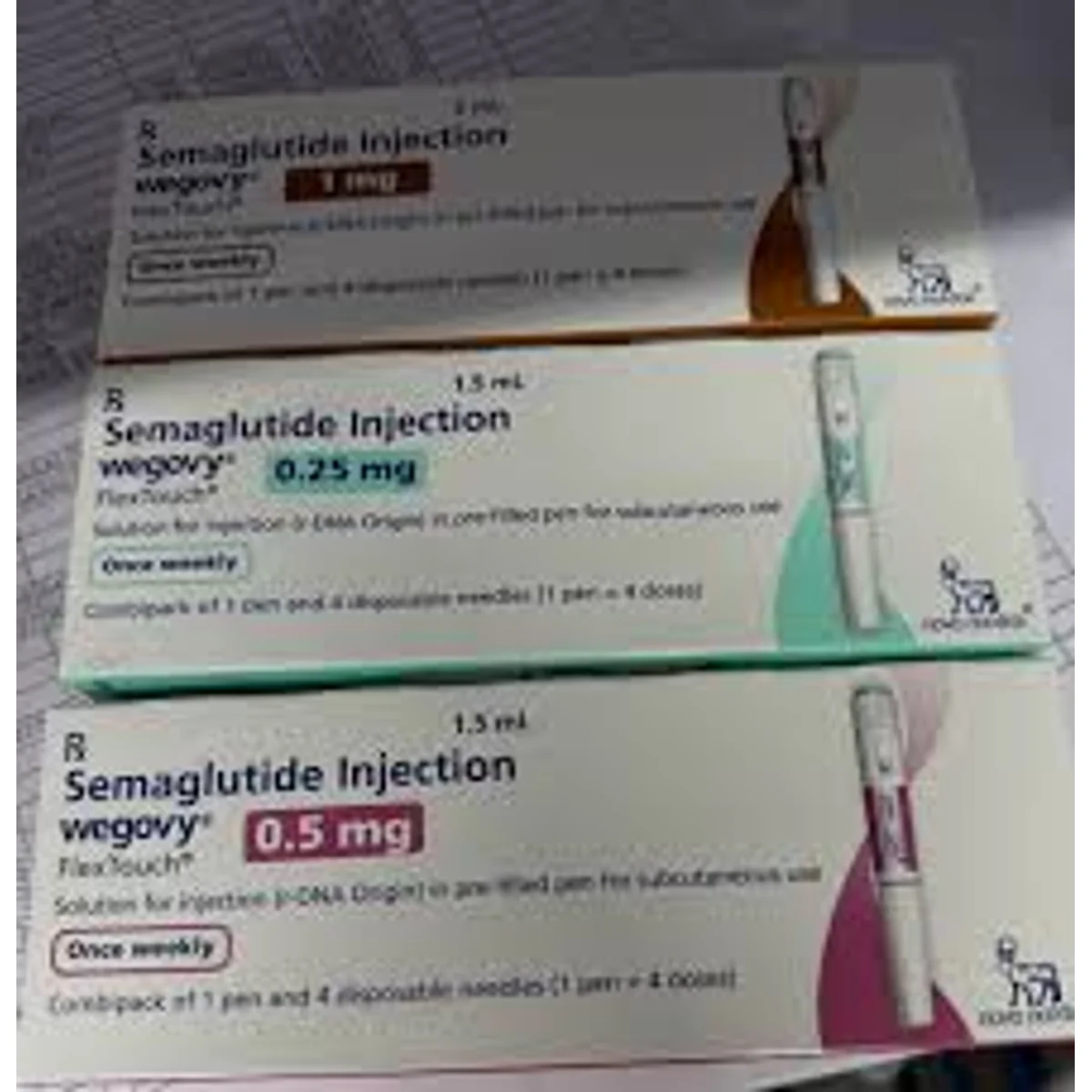
Peptide legal status varies sharply across jurisdictions because no single international framework governs research peptides, leaving classification to national regimes including the US FDA (FD&C Act), UK MHRA (Medicines Act 1968), EU EMA, and Australia's TGA. Semaglutide is FDA-approved and available by prescription across all four jurisdictions, while compounds like BPC-157, TB-500, and Melanotan II are flagged by the MHRA as unlicensed medicines whose supply is a criminal offense in the UK and are scheduled or restricted in Australia, despite occupying a fragile gray-zone "research chemical" status in the US.
HOW TO
How to Read a Peptide Certificate of Analysis (COA): A Researcher's Field Guide
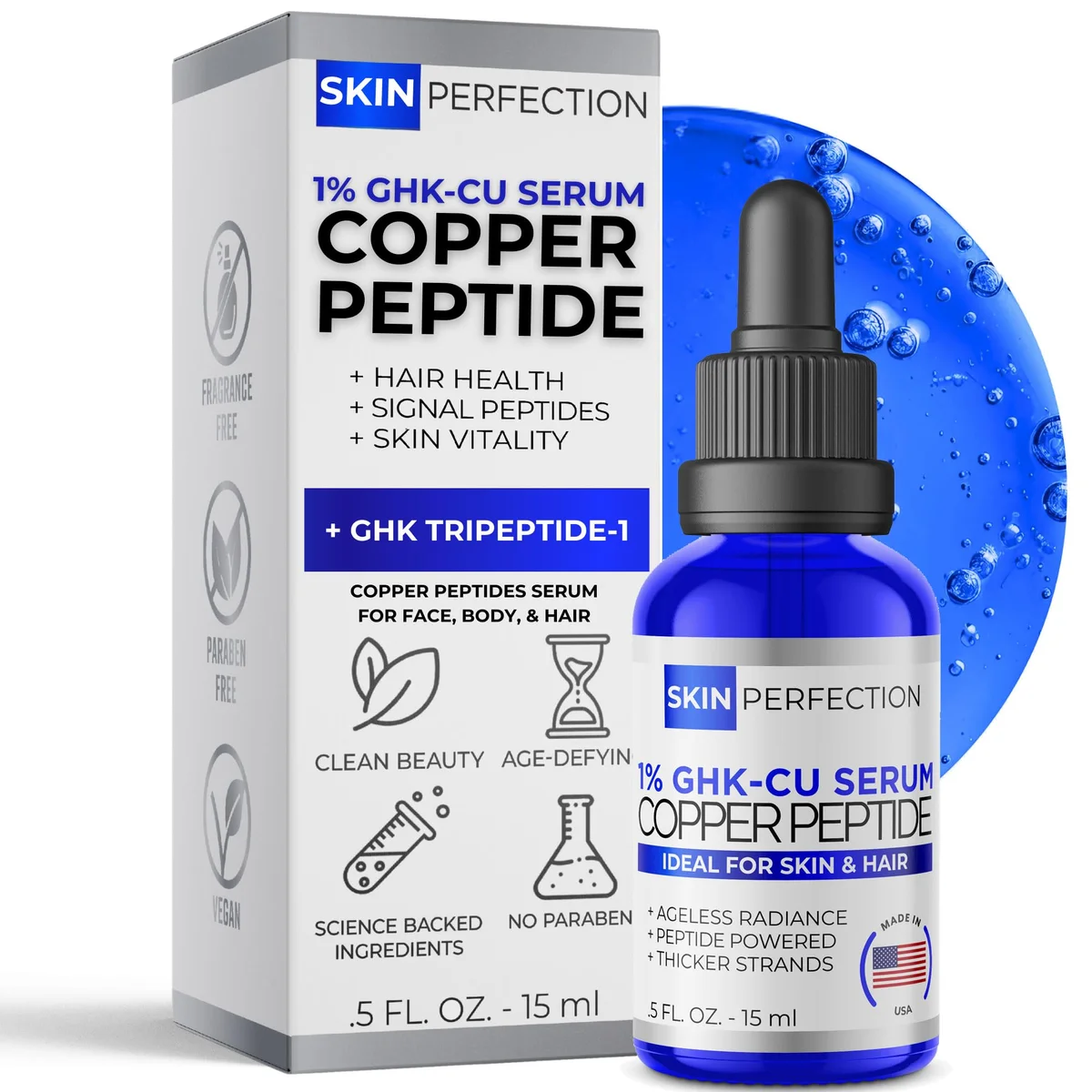
A peptide Certificate of Analysis (COA) is a laboratory-issued document reporting identity, purity, and safety testing for a specific batch of compound, answering three questions: is it the right compound, how much is present, and is it safe to handle. Prescription peptides like semaglutide are manufactured under FDA-enforced GMP standards with legally accountable COAs, while research chemicals such as BPC-157 and GHK-Cu carry no mandated COA content, making ISO 17025 laboratory accreditation, HPLC purity, mass spectrometry identity confirmation, and endotoxin testing the key fields researchers must evaluate independently.