
PEPTIDE-PROFILE
Selank: What the Research Shows on the Russian Anxiolytic Peptide (2026 Evidence Review)
Soviet-origin, GABAergic mechanism, institutional trials — and almost no Western replication.
Last updated: August 18, 2026
Quick Answer
Selank is a Russian-developed anxiolytic heptapeptide - a tuftsin analog with the sequence Thr-Lys-Pro-Arg-Pro-Gly-Pro - registered in Russia as a 0.15% intranasal pharmaceutical. Institutional trials, including a 62-patient randomized comparison against the benzodiazepine medazepam (Zozulya 2008), report comparable anxiolytic effect without the sedation, tolerance, or dependence of classical anxiolytics, through GABA-modulatory and enkephalinase-inhibiting mechanisms. The critical limitation: essentially none of this evidence has been independently replicated outside Russia.
Selank sits in an unusual position in the research-peptide space. It's not a garage-chemistry compound or a speculative nootropic with a clever acronym - it holds genuine registered pharmaceutical status in Russia, carries decades of institutional trial data, and has a proposed mechanism of action that's at least biologically plausible. What it doesn't have, in 2026, is a single adequately powered, independently replicated clinical trial published in a Western peer-reviewed journal under internationally recognized standards.
That gap matters. Not because Russian pharmacology is inherently suspect, but because the absence of independent replication is the central methodological problem in evaluating any compound - regardless of where the original research was conducted. Selank's evidence base is real, but it's narrow, geographically concentrated, and subject to the institutional limitations of the Soviet-era and post-Soviet research environment in which most of it was produced.
This guide applies the same evidence-grading framework to Selank and the related peptides in this space that would be applied to any compound under review: distinguishing human trial data from animal data, institutional trials from anecdotal reports, and registered pharmaceutical status from proof of efficacy by international standards. What follows isn't a product endorsement. It's an honest accounting of what the literature actually shows.
Featured Peptides
Semax has the strongest overall evidence position among the featured peptides. Its BDNF upregulation mechanism is better characterized than Selank's multi-pathway profile, and its Russian pharmaceutical registration covers a slightly broader set of documented indications. The practical catch is its very short reported plasma half-life - minutes rather than hours - which makes storage and timing protocols more demanding than Selank's. For researchers choosing between the two Russian-registered anxiolytic/nootropic peptides, Semax's mechanistic specificity gives it a marginal methodological edge.
Semax is the closest comparator to Selank in terms of evidence structure - both hold Russian pharmaceutical registration, both use intranasal delivery, and both face the same independent replication gap in Western literature.
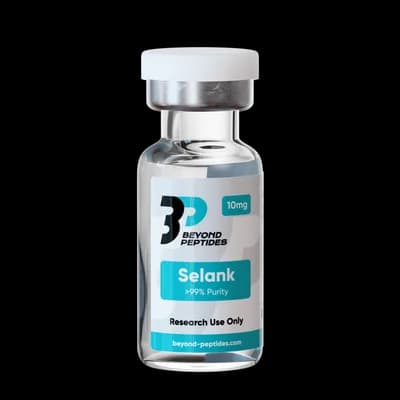
Selank is the subject of this guide and occupies a genuinely unusual position in the research-peptide space - real institutional evidence, real pharmaceutical registration in Russia, and a real absence of independent Western validation. The multi-pathway mechanism (GABAergic, enkephalinergic, BDNF) is interesting precisely because it differs from classical anxiolytics, but that complexity also makes safety extrapolation harder, not easier. Researchers approaching Selank should treat the Russian registration as a starting point for inquiry, not a substitute for the independent replication that doesn't yet exist.
Selank is the primary subject of this guide and the reference point against which all other featured peptides are compared.
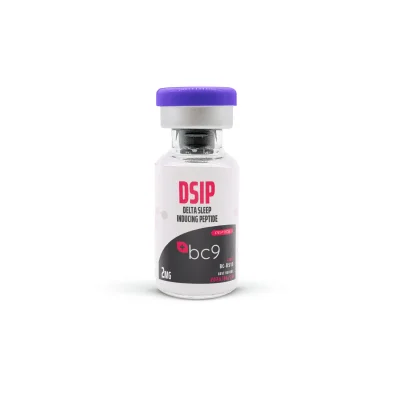
DSIP is the lowest-risk compound in this guide by virtue of being endogenous, and the lowest-value research investment by virtue of an evidence base that stopped developing roughly three decades ago. Its HPA-axis modulating activity is the most interesting current research angle, but the absence of a characterized receptor means mechanistic work is largely descriptive. For researchers with a sleep-architecture or cortisol-modulation focus and a limited budget, DSIP is an accessible entry point - not a sophisticated one.
DSIP represents the budget option in this guide and provides a useful contrast case for evaluating what an evidence base looks like when it stalls - relevant context for assessing Selank's own replication gaps.
Dihexa scores lowest in this guide not because the science is uninteresting - the HGF/MET synaptogenesis mechanism is genuinely compelling - but because zero human data combined with an unresolved oncogenic theoretical concern makes it the highest-uncertainty compound in the featured set. The proposed oral bioavailability is a real practical differentiator. The complete absence of human safety data is a real methodological barrier. Both of those things are true simultaneously, and neither cancels the other.
Dihexa represents the premium-priced, high-uncertainty end of the nootropic peptide spectrum and provides important contrast context for evaluating compounds like Selank that at least have some institutional human trial data.
What Is Selank? Chemical Identity, Origin, and Classification
Selank (developmental code: TP-7) is a synthetic heptapeptide with the amino acid sequence Thr-Lys-Pro-Arg-Pro-Gly-Pro. It was developed at the Institute of Molecular Genetics of the Russian Academy of Sciences and is classified as an anxiolytic peptide with claimed nootropic properties. Structurally, it's an analog of the endogenous immunomodulatory tetrapeptide tuftsin (Thr-Lys-Pro-Arg), extended with the sequence Pro-Gly-Pro to increase metabolic stability and CNS penetration.
Selank is currently registered as a pharmaceutical drug in Russia, where it's used clinically for generalized anxiety disorder and neurasthenia. It's marketed in Russia under the brand name Selank as a 0.15% intranasal solution. Outside of Russia, Selank has no pharmaceutical approval and is classified as a research chemical in Western jurisdictions.
For classification purposes: Selank is an anxiolytic peptide with proposed immunomodulatory and nootropic secondary effects. It's not a benzodiazepine, not a serotonin reuptake inhibitor, and not a direct GABA receptor agonist in the classical sense - though its downstream effects on GABAergic signaling are a primary proposed mechanism.
---
Mechanism of Action: GABAergic, Enkephalinergic, and BDNF Pathways Explained
Selank's mechanism of action is genuinely complex and, importantly, incompletely characterized. Research literature describes at least three overlapping pathways through which anxiolytic and nootropic effects may be mediated.
GABAergic Modulation
Research suggests Selank modulates GABAergic neurotransmission, potentially through effects on GABA-A receptor expression and benzodiazepine-binding site activity. Crucially, this appears to be modulatory rather than direct agonism - which is the proposed basis for the absence of tolerance and dependence reported in Russian trial protocols. Volkova 2016 reported pronounced GABA-A receptor subunit gene-expression changes in rat frontal cortex within an hour of intranasal Selank, and Vyunova 2018 characterized Selank as a subtype-selective positive allosteric modulator of GABA binding - a binding mode distinct from benzodiazepines. How much this modulation contributes to clinical effects remains incompletely characterized.
Enkephalinergic Activity
Selank inhibits enkephalin-degrading enzymes in human serum: Kost 2001 measured an IC50 of roughly 20 µM (its sibling peptide Semax: roughly 10 µM), and Zozulya 2001 reported dose-dependent inhibition of plasma enkephalin hydrolysis in anxiety-disorder patients, more potent than the reference inhibitors bacitracin and puromycin. Increasing the lifetime of endogenous enkephalins without direct opioid receptor agonism is a mechanistically distinct profile compared to classical anxiolytics.
BDNF Upregulation
Brain-derived neurotrophic factor (BDNF) modulation is a third proposed mechanism, with animal studies suggesting Selank may upregulate BDNF expression in hippocampal tissue. Inozemtseva 2008 reported that intranasal Selank regulates BDNF expression in the rat hippocampus in vivo. BDNF upregulation is biologically plausible as a mechanism for both anxiolytic and cognitive-enhancement effects, but the translation from rodent hippocampal BDNF data to human clinical outcomes isn't established.
The critical caveat across all three pathways: these mechanisms have been characterized primarily in rodent models and in Russian institutional research. The pathway interactions aren't mutually exclusive, and the relative contribution of each to observed anxiolytic effects in humans is unknown.
---
Evidence Summary: Institutional Trials, Animal Studies, and Anecdotal Reports
Human Trial Evidence (Institutional - Russian Origin)
The human evidence base for Selank is real but geographically and institutionally concentrated. The core clinical trials supporting its Russian pharmaceutical registration include work from Zozulya and colleagues.
Zozulya 2008 is the primary institutional efficacy trial: 62 patients with generalized anxiety disorder or neurasthenia, randomized between Selank (n=30) and the benzodiazepine medazepam (n=32), reporting a comparable anxiolytic effect plus an additional antiasthenic component. Zozulya 2001 contributed patient-population mechanistic data - dose-dependent inhibition of plasma enkephalin hydrolysis. Together these form much of the basis of the Russian registration. Independent access to full methodology, blinding procedures, and statistical analysis plans for these studies is limited for researchers outside Russian institutional networks.
Uchakina 2008 examined immunomodulatory effects in a clinical context, consistent with Selank's tuftsin-derived structural origins and proposed dual anxiolytic-immunomodulatory activity.
Medvedev 2015 adds combination-therapy data: in 70 anxiety-disorder patients, Selank added to phenazepam reduced the benzodiazepine's side effects - sedation, attention and memory impairment - versus phenazepam alone. As with the earlier studies, independent replication hasn't been published in Western peer-reviewed journals.
*Evidence grade: Exists, but methodological quality can't be fully assessed by external reviewers. Registration-level evidence by Russian standards. Not validated by Western regulatory methodology.*
Animal Study Evidence
The animal evidence base is more accessible and methodologically reviewable. Kozlovskaya 2003 describes antistress and anxiolytic behavioral effects in rodents stratified by emotional reactivity. Kolomin 2011 and Kolomin 2014 track inflammation-related gene-expression changes after single Selank doses in rodents (34 spleen genes at 6-24 hours; complement C3 dynamics) - the immunomodulatory thread consistent with Selank's tuftsin ancestry. Inozemtseva 2008 (hippocampal BDNF) and Kost 2001 (serum enkephalinase inhibition) contribute additional mechanistic work.
Animal studies consistently support GABAergic and enkephalinergic mechanisms. The BDNF findings from rodent hippocampal studies are biologically coherent. That said, rodent-to-human translation for anxiolytic peptides has a notoriously poor track record across the broader pharmacology literature, and Selank isn't an exception to that methodological caution.
*Evidence grade: Adequate for mechanistic hypothesis generation. Not sufficient to predict human outcomes.*
Anecdotal and Community Self-Report Data
Self-reported user accounts from biohacker forums and online communities describe calming effects, mild mood elevation, and cognitive clarity following intranasal Selank use. Some users report combining Selank with Semax for complementary nootropic and anxiolytic effects.
These reports aren't evidence of efficacy or safety. They're useful for hypothesis generation and for identifying reported side effects, but they're subject to placebo response, publication bias (positive experiences get reported more often), and the confounding variable of using unverified research-chemical material. They're documented here for completeness, clearly labeled as anecdotal.
---
How Selank Compares to Other Nootropic and Anxiolytic Peptides in the Research Space
The featured peptides in this guide represent a spectrum of evidence quality and research maturity. Here's an honest comparison.
Research Peptide Selank (Score: 62/100)
Best for: Researchers specifically interested in GABAergic and enkephalinergic anxiolytic mechanisms, or those building on the Russian-language institutional literature. Selank occupies a specific niche - it's not a general nootropic, and its primary research application is anxiolytic activity.
The 62/100 score reflects the genuine institutional framework that Russian pharmaceutical registration provides, offset significantly by the absence of independent Western replication. The intranasal delivery route is a practical advantage over injectable peptides, and the reported side-effect profile in Russian trials is favorable. The short reported half-life is a real research-design constraint, requiring multiple daily administrations to maintain meaningful exposure windows in any serious protocol.
Honest pros: Real pharmaceutical registration in at least one jurisdiction. Biologically plausible, multi-pathway mechanism. Non-invasive delivery. Reportedly benign side-effect profile in trial data.
Honest cons: The evidence gap between Russian institutional approval and internationally validated efficacy is the central problem. Mechanism remains incompletely characterized despite decades of research. Half-life constraints complicate protocol design.
Research Peptide Semax (Score: 72/100) - Top Pick
Best for: Researchers prioritizing BDNF-pathway investigation with a slightly stronger international evidence footprint. Semax scores higher than Selank primarily because its BDNF upregulation mechanism is more specifically characterized, its intranasal delivery pharmacokinetics have somewhat more accessible documentation, and its registered pharmaceutical status in Russia is accompanied by clinical data covering additional indications beyond anxiety.
The very short reported plasma half-life - minutes rather than hours - is a meaningful practical constraint - pre-mixed intranasal solutions degrade rapidly and storage protocols matter significantly for research validity. Batch-to-batch variability in Western research-chemical supply chains is a real concern, as it is for all peptides in this category.
Honest pros: BDNF mechanism is well-characterized in animal literature. Registered pharmaceutical status. Intranasal delivery with documented CNS uptake pathway. Relatively well-tolerated in available data.
Honest cons: Half-life is shorter than Selank's, complicating timing protocols. Russian-language literature concentration is the same fundamental problem. Western quality control is absent.
Research Peptide DSIP - Delta Sleep-Inducing Peptide (Score: 42/100)
Best for: Researchers with a specific interest in sleep architecture, HPA-axis modulation, or cortisol-adjacent research questions. DSIP is an endogenous peptide - its natural presence in cerebrospinal fluid is a genuine distinguishing feature relative to synthetic compounds.
The 42/100 score reflects a fundamental problem: the evidence base largely stalled in the 1980s and 1990s. No adequately powered modern RCTs exist. The absence of a clearly characterized receptor makes mechanism-of-action claims genuinely speculative rather than merely unvalidated. For researchers interested in sleep peptides, DSIP represents a historical curiosity with a low acquisition cost rather than an active research frontier.
Honest pros: Endogenous compound. Low cost. Preliminary HPA-axis activity data extends beyond simple sedation.
Honest cons: Evidence base frozen in time. No receptor identified. Subcutaneous bioavailability uncertain.
Research Peptide Dihexa (Score: 38/100)
Best for: Researchers specifically investigating HGF/MET pathway neuroscience and synaptogenesis. Dihexa sits in a different category from the other peptides here - it carries the lowest score not because the mechanism is implausible, but because zero published human trial data exists, and the theoretical oncogenic concern from MET receptor agonism requires serious methodological consideration before any research application.
The proposed oral bioavailability is genuinely interesting as a delivery advantage, and the Washington State University rodent research provides a credentialed institutional foundation. But the gap between potent synaptogenic rodent data and human safety validation is the widest of any compound in this guide. The unregulated supply chain compounds this concern significantly.
Honest pros: Proposed oral bioavailability. Coherent mechanism. Credentialed institutional rodent research.
Honest cons: Zero human data. Unresolved oncogenic theoretical concern. No regulated supply chain.
---
Dosing in Research Contexts: Ranges Reported in Published Literature
> Disclaimer: The following dosing information is derived exclusively from published research literature and Russian pharmaceutical prescribing documentation. It is not a recommendation for human use. Selank is not approved for human use in Western jurisdictions and is classified as a research chemical. This information is provided for educational and research-review purposes only.
In Russian clinical trial and pharmaceutical contexts, Selank has been administered as a 0.15% intranasal solution in short daily-dosing cycles. Per-dose microgram figures circulating in vendor and community sources are mutually inconsistent and couldn't be reconciled against the primary literature during the preparation of this guide, so this page deliberately doesn't repeat them.
A short half-life is the primary pharmacokinetic constraint on dosing frequency in research protocols. Multiple daily administrations are described in the institutional literature as necessary to maintain meaningful plasma and CNS exposure windows.
No Western clinical trial dosing data exists. The ranges described above reflect Russian pharmaceutical and institutional trial contexts only, and can't be assumed to translate directly to research contexts using Western-sourced research-chemical material, which may differ significantly in concentration, purity, and formulation.
---
Reported Side Effects and Contraindications: What the Research and User Data Show
From Institutional Trial Data
Russian clinical trial literature, including Zozulya 2008 and related publications, describes Selank's side-effect profile as favorable relative to classical anxiolytics. Specifically, the literature reports:
- No observed dependency or withdrawal syndrome in short-cycle protocols
- No reported sedation at standard intranasal doses (contrasting with benzodiazepines)
- No significant adverse effects on cognitive function
- Mild nasal irritation reported by some participants in intranasal administration protocols
*These findings should be interpreted with the methodological cautions outlined throughout this guide. The absence of reported adverse effects in institutional trials with limited external review isn't equivalent to a confirmed benign safety profile by international pharmacovigilance standards.*
From Anecdotal User Reports
Community self-reports describe mild stimulatory effects in some users, occasional mild sedation in others, and rare reports of nasal discomfort. Some users report a brief adjustment period. No serious adverse events are commonly reported in the community literature, though systematic collection of adverse event data from self-experimenting populations isn't possible.
Contraindications
No formal contraindication list has been established through Western regulatory processes. The Russian pharmaceutical prescribing information describes standard contraindications including pregnancy, lactation, and pediatric populations. Interaction data with other compounds, including other peptides, isn't adequately characterized.
---
Legal and Regulatory Status by Region
Russia: Selank holds registered pharmaceutical drug status and is marketed as a 0.15% intranasal solution under the Selank brand name.
United States: Selank is not approved by the FDA for any indication. It isn't scheduled as a controlled substance under the Controlled Substances Act, but it is regulated as a research chemical. It can't be legally sold for human consumption. Compounding pharmacy production for human use is not authorized.
United Kingdom: Selank isn't licensed by the MHRA for any indication. Its status as a research chemical means it can be legally possessed in small quantities for research purposes, but sale for human consumption isn't permitted.
European Union: No EMA approval exists. Regulatory status varies by member state but generally follows the research-chemical framework. Not permitted for human consumption.
Australia: Selank isn't registered by the TGA. It would likely be classified as a Schedule 4 substance if formally assessed, but specific scheduling hasn't been confirmed. Import and possession for human use isn't authorized.
*Regulatory status can change. Researchers should verify current status in their jurisdiction through official regulatory authority sources before sourcing or using any research chemical.*
---
Sourcing Considerations: What a Credible COA Looks Like and Red Flags to Avoid
Given that Selank has no regulated Western supply chain, sourcing quality is the single largest variable affecting research validity when working with Western-supplied material.
What a Credible COA Should Include
- HPLC purity analysis: Minimum 98% purity for research-grade material. The chromatogram should be included, not just a summary figure.
- Mass spectrometry (MS) confirmation: Confirms the correct molecular weight and identity of the compound. A purity figure without identity confirmation isn't sufficient.
- Third-party laboratory verification: The COA should be issued by an independent laboratory, not the vendor's in-house analysis. The laboratory name and ideally a batch number traceable to the specific lot should be present.
- Endotoxin testing: Particularly relevant for intranasal and injectable peptides. Bacterial endotoxin contamination is a meaningful safety risk.
- Peptide sequence confirmation: For synthetic peptides, sequence verification via amino acid analysis adds a layer of authentication.
Red Flags
- COAs with no laboratory name, no batch number, or no chromatographic data
- Vendors who provide purity claims without supporting analytical data
- Unusually low pricing that can't be reconciled with the cost of third-party analytical testing
- No age verification or identification requirement at checkout
- Marketing language claiming human health benefits - that's a legal red flag indicating a vendor operating outside research-chemical regulatory norms
- Pre-mixed solutions without documented stability data and cold-chain shipping - Selank's short half-life makes storage conditions particularly relevant
---
The Independent Replication Problem: Why Western Researchers Should Approach With Calibrated Skepticism
The independent replication problem isn't a dismissal of Russian pharmacology. It's the same methodological standard applied to any compound regardless of origin.
The specific concerns with the Selank evidence base are:
Institutional concentration: The majority of controlled evidence originates from a small number of Russian institutions. When research originates from a concentrated institutional source with a stake in the compound's approval, independent replication is the standard methodological safeguard. That safeguard hasn't been applied to Selank outside of Russia.
Language barrier and access: The primary literature is largely in Russian, which limits the ability of international researchers to conduct full methodological reviews of study design, blinding procedures, randomization, and statistical analysis. Published English-language summaries exist but aren't substitutes for full methodology review.
Regulatory standard differences: Russian pharmaceutical registration, while a genuine institutional achievement, was conducted under regulatory standards that aren't directly comparable to FDA, EMA, or MHRA review processes. Registration in one jurisdiction isn't evidence of meeting another jurisdiction's evidentiary standards.
Publication bias: The absence of published null results or negative findings in the Selank literature is notable. It doesn't prove the compound is ineffective - it means the evidence base doesn't include the full distribution of trial outcomes that independent research would be expected to produce.
This section isn't an argument against researching Selank. It's an argument for holding the evidence to a consistent methodological standard - the same standard that would be applied to any pharmaceutical compound regardless of its country of origin or institutional backing. Selank's Russian registration is a genuine differentiator in the research-peptide space. It's not a substitute for independent replication.
---
Where to Learn More: PubMed, ClinicalTrials.gov, and Primary Source Pointers
For researchers seeking to engage directly with the primary literature:
PubMed (pubmed.ncbi.nlm.nih.gov): Search "Selank" or "TP-7 peptide" for English-language abstracts of Russian institutional studies. Note that full-text access to Russian-language publications is often limited through standard PubMed access.
ClinicalTrials.gov: As of the preparation of this guide, no registered independent Western clinical trials for Selank appear in the ClinicalTrials.gov database. Researchers can search directly to verify current status.
Verified study authors from the Selank literature: Zozulya (2001, 2008), Medvedev (2015), Kost (2001), Volkova (2016), Vyunova (2018), Uchakina (2008), Kolomin (2011, 2014), Kozlovskaya (2003), and Inozemtseva (2008) represent the core institutional literature. PubMed author searches for these names combined with "Selank" or "anxiolytic peptide" will surface the accessible English-language abstracts.
Russian institutional sources: The Institute of Molecular Genetics of the Russian Academy of Sciences is the primary originating institution. Russian-language databases including CyberLeninka and eLIBRARY.RU index Russian-language publications that may not appear in PubMed.
---
Regulatory Disclaimer and Editorial Standards
This content is published by Peptide Guides for educational and research-review purposes only. It doesn't constitute medical advice, doesn't represent a recommendation for human use of any compound described, and shouldn't be used as the basis for any clinical or self-administration decision.
Selank and all other peptides described in this guide (with the exception of FDA-approved prescription compounds, which aren't featured here) are research chemicals. They're not approved for human consumption in the United States, United Kingdom, European Union, or Australia. Their purity, safety, and efficacy in humans can't be guaranteed in the absence of regulated manufacturing and clinical trial validation under internationally recognized standards.
Peptide Guides doesn't accept advertising from vendors and doesn't receive affiliate revenue from peptide sales. Product scoring reflects editorial assessment of the published evidence base and reported quality indicators, not commercial relationships. Evidence grades reflect the methodology described in this guide and are subject to revision as new literature emerges.
Tips
- 1.When reviewing the Selank literature, search PubMed by author name (Zozulya, Kozlovskaya, Kolomin) rather than compound name alone - English-language abstracts of Russian studies are often indexed under author and don't always surface in title searches for the compound name.
- 2.For any intranasal peptide sourced as a research chemical, request endotoxin testing results in addition to HPLC purity. Nasal mucosa is a direct CNS access route, and bacterial endotoxin contamination carries meaningful risk that a purity figure alone doesn't capture.
- 3.If comparing Selank to Semax for a research protocol, their reported half-lives differ substantially (Semax's is the shorter of the two), which has direct implications for dosing interval design. Protocols that don't account for this difference will produce incomparable exposure windows and confounded results.
The Bottom Line
Selank is one of the more credible entries in the research-peptide space precisely because it isn't purely speculative - Russian pharmaceutical registration and decades of institutional research provide a genuine foundation that most research chemicals lack entirely. The problem is that foundation has never been independently tested, which means the uncertainty isn't about whether the research exists, but about whether it meets the evidentiary standards required to support the conclusions drawn from it. Among the featured peptides, Semax holds a marginally stronger methodological position for CNS-targeted research applications, and is the more defensible starting point for researchers building on this literature.
Frequently Asked Questions
Is Selank legal to buy in the US, UK, or Australia?
How does Selank work as an anxiolytic — is it similar to benzodiazepines?
What does the human clinical trial evidence actually show for Selank?
Does Selank cause dependence or withdrawal symptoms?
How does Selank compare to Semax — what is the difference between the two Russian peptides?
What administration routes and dosing ranges appear in Selank research — and is nasal spray the only option?
Related Guides
STACK
Sleep Peptide Research Stack: DSIP, Selank, and Supporting Compounds for Sleep Quality and Recovery
For researchers building a sleep-focused peptide protocol, Selank is the strongest starting point among the three compounds covered here - it has at least some institutional clinical framework (including a formal approval in Russia), a non-invasive intranasal delivery route, and a mechanistic profile that connects anxiolytic signaling to downstream sleep architecture improvement in a way DSIP's stalled trial record and Epithalon's longevity-adjacent hypothesis simply don't match right now.
COMPARISON
Selank vs Semax: Two Russian Nootropic Peptides Compared by Mechanism, Evidence, and Research Context
For researchers focused on cognitive enhancement and neuroprotection mechanisms, Semax has the edge over Selank: its BDNF upregulation pathway is better characterized, its institutional trial base reaches into stroke and cognitive deficit research, and its pharmacological target is more clearly defined. The Russian-literature caveat applies equally to both compounds, and neither should be mistaken for a validated therapeutic.
CATEGORY-OVERVIEW
Nootropic Peptides: What the Research Actually Says About Selank, Semax, and Dihexa (2026 Evidence Review)
Nootropic peptides are short amino acid chains studied for effects on cognition, neuroplasticity, and mood through CNS pathways such as BDNF upregulation, GABAergic modulation, and HGF/MET signaling. Among the most-discussed compounds, Semax (an ACTH 4-10 analogue) and Selank (a tuftsin analogue) hold formal pharmaceutical registration in Russia with intranasal clinical trial data, while Dihexa has no published human trials and remains restricted to rodent research. None are FDA-approved or independently replicated in Western randomized controlled trials, and all are sold in Western jurisdictions only as research chemicals.
PEPTIDE-PROFILE
Semax: What the Research Actually Shows on the Russian Nootropic Peptide
Semax is the strongest option among the nootropic research peptides reviewed here because it combines a reasonably well-characterized mechanism (BDNF upregulation, ACTH analog activity) with genuine pharmaceutical registration in Russia and a published clinical trial record - but that evidence base is heavily concentrated in Russian-language literature and hasn't been independently replicated under Western regulatory standards, which limits how much confidence the available data can actually support.